Single core wire
CN → US| HS Code | Tariff Rate | Origin | Destination | Doc |
|---|---|---|---|---|
| 7408116000 | 88.0% | CN | US | Official Doc |
| 7408113000 | 86.0% | CN | US | Official Doc |
| 7605290000 | 14.2% | CN | US | Official Doc |
| 7605190000 | 14.2% | CN | US | Official Doc |
| 8544110020 | 38.5% | CN | US | Official Doc |
| 8544110030 | 38.5% | CN | US | Official Doc |
Product Images
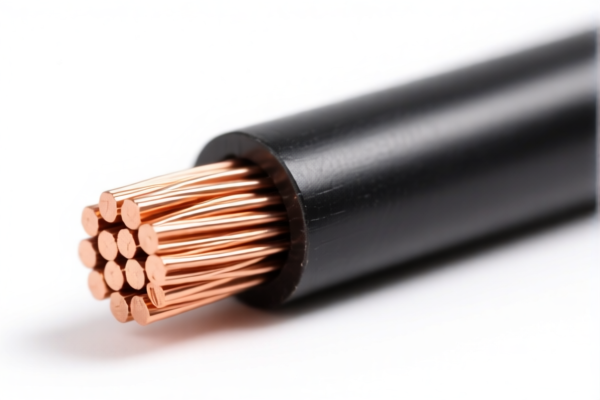
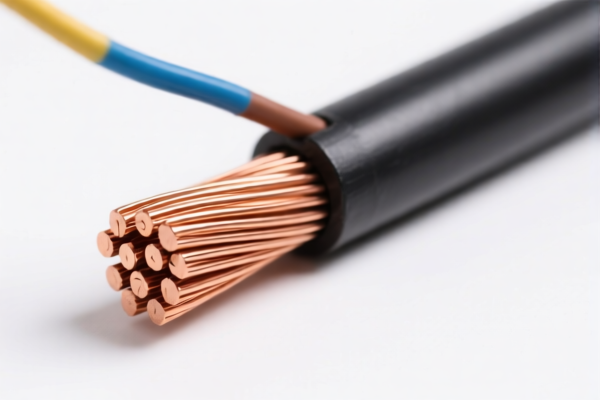
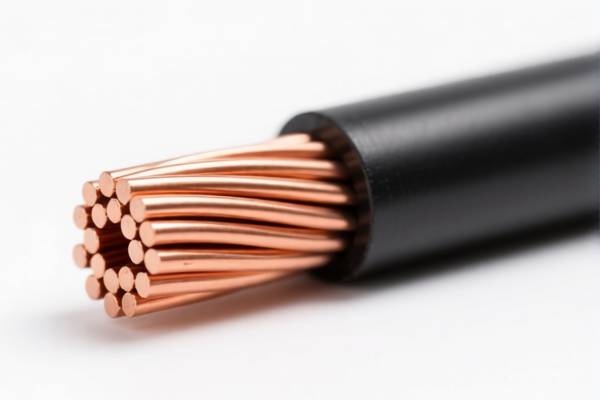
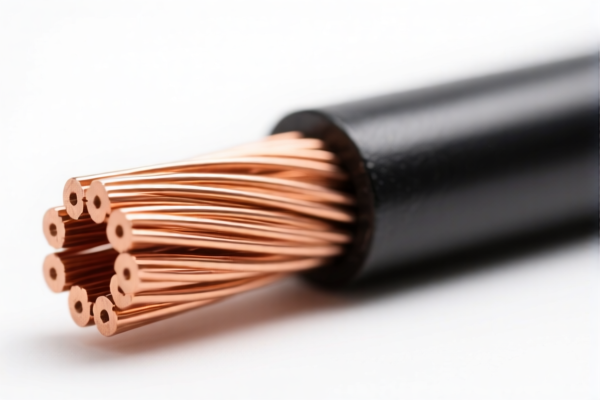
AI Analysis
🔌 Single Core Wire: The Electrical Backbone
🌐 HS Code Reference & Customs Clearance Guide | 2026 Latest Tariff Analysis | Professional Compliance Strategy
📌 I. Product Definition & Classification: What Exactly is "Single Core Wire"?
"Single Core Wire" is a generic term that can refer to vastly different products depending on the material and usage. In international trade, it is critically important to distinguish between:
- Uninsulated Conductors (Raw Wire): Metal wires used as raw materials for manufacturing cables or other components. Classified under Chapter 74 (Copper) or Chapter 76 (Aluminum).
- Insulated Electrical Conductors: Wires with enamel, anodization, or plastic coating, used directly in electrical systems. Classified under Chapter 85.
⚠️ Key Distinction Point:
- If the wire is uninsulated (bare copper or aluminum) → It is a metal product (Ch 74/76).
- If the wire is insulated/enameled (even if single core) → It is an electrical component (Ch 85).
- Misclassification Risk: Classifying bare aluminum wire as insulated wire (or vice versa) leads to significant duty discrepancies and customs penalties.
📦 II. HS Code Classification Details (Based on Provided Data)
The following HS Codes are derived strictly from the provided dataset. Note that the tariff burden varies dramatically from 0% to 50% depending on the specific material and cross-sectional size.
| HS Code | Product Description | Material | Key Specification |
|---|---|---|---|
7605.29.00.00 |
Aluminum wire: Of aluminum alloys: Other | Aluminum Alloy | Uninsulated general-purpose aluminum wire |
7605.19.00.00 |
Aluminum wire: Of aluminum, not alloyed: Other | Pure Aluminum | Uninsulated pure aluminum wire |
8544.11.00.20 |
Insulated winding wire: Of copper 33 AWG (0.18 mm) and finer | Copper | Enameled/insulated, Fine wire (≤0.18mm) |
8544.11.00.30 |
Insulated winding wire: Of copper 22 AWG (0.643 mm) and finer but larger than 33 AWG | Copper | Enameled/insulated, Medium-Fine wire (0.18mm < x ≤0.643mm) |
7408.11.60.00 |
Copper wire: Of refined copper: Max cross-section >6mm: Over 6mm but ≤9.5mm | Refined Copper | Bare/Hard wire, Thick (6-9.5mm) |
7408.11.30.00 |
Copper wire: Of refined copper: Max cross-section >6mm: Over 9.5mm | Refined Copper | Bare/Hard wire, Very Thick (>9.5mm) |
🔍 Critical Note:
- Ch 74/76 Codes (7605.x,7408.x) refer to uninsulated wires.
- Ch 85 Code (8544.11) refers specifically to insulated/enameled winding wire.
- If your "single core wire" is a general-purpose insulated power cable (not winding wire), it may fall under other 8544 subheadings not listed in the dataset. Stick to the provided codes for this analysis.
💰 III. 2026 Latest Tariff Rate Breakdown (Detailed Analysis)
✅ Applicable Country: United States (US)
✅ Origin: China (CN)
✅ Effective Time: Current rates apply as per the provided dataset.
🎯 1. Aluminum Wires (Uninsulated) – Low Duty Category
A. 7605.29.00.00 (Aluminum Alloy Wire)
| Item | Content |
|---|---|
| Base Tariff | 4.2% (ad valorem) |
| Section 301/Additional Tariff | 0.0% |
| Total Effective Rate | 4.2% |
| Total Tax | 4.2% |
| Legal Path | USITC:7605.29.00.00 |
📌 Explanation:
Aluminum alloy wires are subject to a low base tariff. No additional punitive tariffs are applied to this specific subheading in the provided data. This makes it a cost-effective import category compared to copper.
B. 7605.19.00.00 (Pure Aluminum Wire)
| Item | Content |
|---|---|
| Base Tariff | 0.0% |
| Section 301/Additional Tariff | 0.0% |
| Total Effective Rate | 0.0% |
| Total Tax | 0.0% |
| Legal Path | USITC:7605.19.00.00 |
📌 Explanation:
Pure aluminum wire enjoys zero duty. This is the most favorable classification for aluminum imports among the provided options.
🎯 2. Insulated Copper Winding Wire – Zero Duty Category
A. 8544.11.00.20 (Copper Winding Wire ≤33 AWG)
B. 8544.11.00.30 (Copper Winding Wire 22-33 AWG)
| Item | Content |
|---|---|
| Base Tariff | 0.0% |
| Additional Tariff | 0.0% |
| Total Effective Rate | 0.0% |
| Total Tax | 0.0% |
| Legal Path | USITC:8544.11.00.20 / 8544.11.00.30 |
📌 Explanation:
These specific insulated copper winding wires (used in motors, transformers) have 0% duty.
Crucial Condition: The wire MUST be identified as "winding wire" and meet the exact diameter specifications (AWG/gauge). If it is general-purpose insulated cable (e.g., household wiring), it may fall under different 8544 codes not listed here, which could have different rates.
🎯 3. Thick Refined Copper Wire – HIGH DUTY Category (⚠️ Critical)
A. 7408.11.60.00 (Copper Wire, 6mm - 9.5mm)
B. 7408.11.30.00 (Copper Wire, >9.5mm)
| Item | Content |
|---|---|
| Base Tariff | 0.0% |
| Section 301/Additional Tariff | 50.0% (Specific "Steel, Aluminum, Copper" Surcharge) |
| Total Effective Rate | 50.0% |
| Total Tax | 50.0% |
| Legal Path | USITC:7408.11.60.00 / 7408.11.30.00 → Footnote: Steel, Aluminum, Copper Products |
📌 Explanation:
- These codes apply to refined copper wires with large cross-sections (>6mm).
- Despite a 0% base tariff, a 50% punitive tariff is applied under specific trade remedies (likely related to Section 301 or specific copper product investigations).
- This is the highest risk classification. A slight misclassification (e.g., classifying a 7mm wire as an alloy instead of refined copper, or as insulated) could change the duty from 50% to 0%. However, accuracy is paramount to avoid penalties.
🛠️ IV. Customs Clearance Practical Advice (Pitfall Avoidance Guide)
✅ 1. Documentation Checklist (Non-Negotiable)
| Document | Required? | Purpose |
|---|---|---|
| ✅ Product Specification Sheet | ✔️ | Must specify: Material (Alloy vs. Pure), Diameter/AWG, Insulation Type, Cross-sectional Area (mm²). |
| ✅ Material Test Report | ✔️ | Proves whether copper is "refined" (high purity) or alloy, and whether it exceeds 6mm diameter. |
| ✅ Photographs (Clear) | ✔️ | Must show the wire bare (if Ch 74/76) or insulated (if Ch 85). Must show markings indicating gauge/diameter. |
| ✅ Commercial Invoice | ✔️ | Must explicitly state "Uninsulated Copper Wire" vs. "Insulated Winding Wire". Do not use vague terms like "Wire". |
| ✅ Packing List | ✔️ | Shows weight and dimensions to verify diameter calculations if needed. |
✅ 2. Declaration Strategy (Key Mnemonics)
🔥 “Material Defines Chapter, Size Defines Rate, Insulation Defines Class!”
| Scenario | Correct Classification | Wrong Classification | Consequence |
|---|---|---|---|
| Bare Aluminum Wire (Alloy) | 7605.29.00.00 |
8544.11... |
Overpayment (4.2% vs 0%) or Misclassification Penalty |
| Bare Aluminum Wire (Pure) | 7605.19.00.00 |
7605.29... |
Overpayment (0% vs 4.2%) |
| Fine Insulated Copper (<0.18mm) | 8544.11.00.20 |
7408.11... |
Overpayment (0% vs 50% if size misread) |
| Thick Bare Copper (>6mm) | 7408.11.60.00 |
8544... |
Underpayment Risk (0% vs 50%) → HUGE PENALTY |
✅ 3. Special Cases & Handling
| Situation | Handling Advice |
|---|---|
| "Single Core" vs. "Stranded" | The provided data refers to "Wire". If the product is stranded (multiple strands twisted), it may still be classified as wire if the overall structure fits the description, but ensure the diameter is measured correctly. |
| Diameter Measurement | For 7408 codes, the cross-sectional dimension is critical. If it is exactly 6.0mm, it does NOT fall into ">6mm". Verify with precise calipers. |
| Insulation Material | For 8544, the insulation type (enameled vs. PVC) doesn't change the code 8544.11 for winding wire, but it confirms the product is not a bare wire. |
| Copper Purity | "Refined Copper" (for 50% duty codes) implies high purity (e.g., Electrolytic Tough Pitch). If it is a copper alloy (e.g., Brass), it may fall under different codes not listed, potentially avoiding the 50% duty. Confirm material composition. |
🌍 V. Global Market Comparison (2026 Insights)
| Market | Recommended HS Code (Example) | Duty Rate | Notes |
|---|---|---|---|
| 🇺🇸 USA | 7408.11.30.00 / 7605.29.00.00 |
50% / 4.2% | High scrutiny on copper wire. Verify diameter and material. |
| 🇨🇳 China | 7408.11.00 / 7605.20.00 |
Low/Zero | Generally lower base tariffs. |
| 🇪🇺 EU | 7408.11 / 7605.29 |
~0-2.5% | No 50% surcharge. CE marking may be required for insulated goods. |
| 🇯🇵 Japan | 7408.11 / 7605.29 |
~0-2.5% | Strict adherence to JIS standards for quality. |
📌 Conclusion:
- The US market presents the highest risk for thick copper wires (7408codes) due to the 50% tariff.
- Aluminum wires and fine insulated copper wires are tariff-free or low-tariff, offering better cost efficiency.
📌 VI. Common Errors & Pitfall Guide (Lessons Learned)
❌ Error 1: Declaring thick copper wire (>6mm) as "Insulated Cable" (8544) to avoid the 50% duty.
👉 Consequence: Customs will inspect, find it uninsulated, and reclassify to 7408.11.30.00 → 50% duty + fines.
❌ Error 2: Confusing Aluminum Alloy (7605.29) with Pure Aluminum (7605.19).
👉 Consequence: Paying 4.2% instead of 0%. A simple material test report can save this cost.
❌ Error 3: Using "Single Core Wire" as the product name without specifying Material or Insulation.
👉 Consequence: Customs will ask for clarification, causing delays. If they guess "Insulated Copper", they might apply a different rate.
❌ Error 4: Ignoring the Diameter Threshold (6mm) for copper wire.
👉 Consequence: A wire of 6.1mm is taxed at 50%, while 5.9mm is 0%. Precision is key.
✅ Correct Practice:
"Uninsulated Refined Copper Wire, Round, Cross-Section 7.0mm, Material: C11000, For Industrial Use"
🎯 VII. Conclusion: Precision in Classification Saves Money!
🎯 Remember the Golden Rules:
🔹 "Thick Copper = 50% Duty!" (
7408.11)
🔹 "Aluminum = Low Duty" (7605.xx)
🔹 "Fine Insulated Copper = 0% Duty" (8544.11)
📌 Pro Tip:
If you are importing copper wire >6mm, ensure your supplier provides a material certificate confirming it is refined copper. If you can legally classify it as a copper alloy (if applicable), it might fall under a different code. Always seek a Binding Ruling from US Customs for high-value copper wire shipments.
📣 Immediate Action:
📞 Contact your customs broker with photos and spec sheets.
📊 Calculate the 50% tariff impact on your copper wire costs.
🚀 Optimize supply chain by favoring aluminum or fine insulated alternatives if possible.
✨ Professional Clearance Starts with Accurate Classification!
💼 Don't let a 50% tariff erase your profit margin!
Customer Reviews
About HS Code Classification
The Harmonized System (HS) is an internationally standardized nomenclature developed by the World Customs Organization (WCO) to classify traded products. Over 200 countries use the HS system as the basis for customs tariffs, trade statistics, and import/export regulations.
Each HS code follows a hierarchical structure:
- Chapter (2 digits) — Broad category of goods (e.g., Chapter 84: Machinery and Mechanical Appliances)
- Heading (4 digits) — More specific grouping within the chapter
- Subheading (6 digits) — Internationally standardized breakdown, used by all WCO member countries
- National subdivisions (8-10 digits) — Country-specific extensions for further classification, such as US HTSUS 10-digit codes
Correct HS code classification is essential for smooth customs clearance, accurate duty payment, and compliance with trade regulations. Misclassification can lead to customs delays, overpayment of duties, or penalties.
When importing from CN to US, the applicable tariff rates may include:
- Most-Favored-Nation (MFN) rate — The standard duty rate applied to WTO members
- General rate — Applied to countries without trade agreements
- Trade remedy duties — Additional tariffs such as Section 301 (anti-dumping), Section 232 (national security), or countervailing duties
The information provided on this page is for reference purposes only. For official classification, please consult with your local customs authority or a licensed customs broker.