Single layer Pants
CN → US| HS Code | Tariff Rate | Origin | Destination | Doc |
|---|---|---|---|---|
| 6107110010 | 17.4% | CN | US | Official Doc |
| 6107120010 | 32.4% | CN | US | Official Doc |
| 6108920005 | 26.0% | CN | US | Official Doc |
| 6108910005 | 26.0% | CN | US | Official Doc |
| 6203424518 | 34.1% | CN | US | Official Doc |
| 6203439011 | 45.4% | CN | US | Official Doc |
Product Images
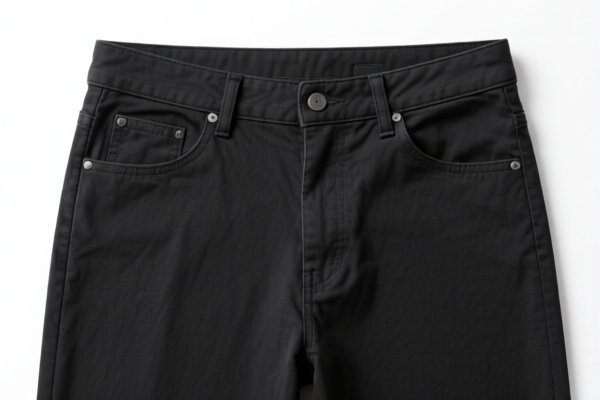
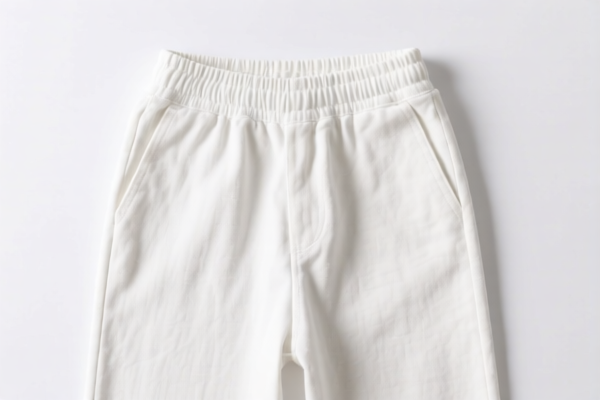
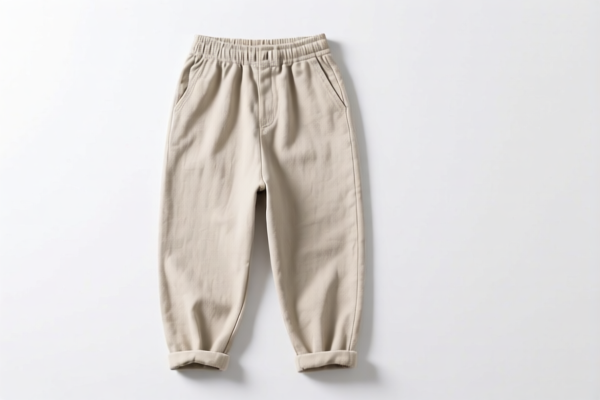
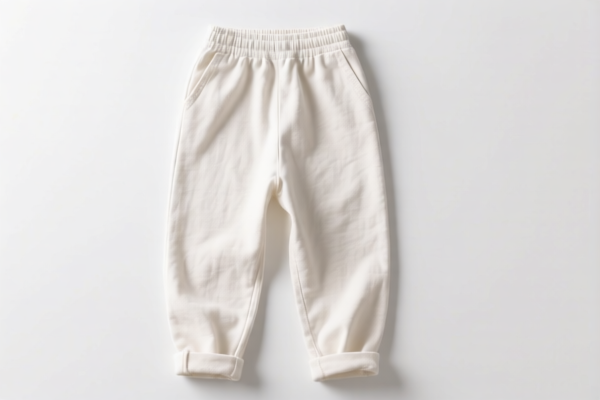
AI Analysis
Based on the data provided in your input, here is the classification analysis for "Single layer Pants" (Men's or Boys' Trousers/Breeches).
Note: "Single layer" generally implies the garment is not lined or quilted, which is the standard definition for most trousers in this HS Code category unless specified otherwise (e.g., "with quilted lining"). The classification depends heavily on the material composition (Cotton vs. Synthetic).
👖 Single Layer Pants (Men's/Boys' Trousers & Breeches)
🌐 HS Code Reference & Clearance Guide | 2026 Latest Tariff Analysis | Professional Compliance Strategy
📌 One, Product Definition & Classification: Are they Cotton or Synthetic?
"Single Layer Pants" refers to trousers, breeches, or shorts made from a single fabric layer without internal lining, quilting, or insulation. In international trade (specifically under HS Chapter 62), these are classified based strictly on the fiber content:
1. Cotton Trousers: If the fabric is made primarily of cotton fibers (usually ≥85% or the primary material).
2. Synthetic Trousers: If the fabric is made primarily of man-made fibers (polyester, nylon, viscose, etc.).
⚠️ Key Differentiation:
- If Cotton → Must use HS Code 6203.42.45.18
- If Synthetic → Must use HS Code 6203.43.90.11
- Failure to distinguish leads to customs delays and potential duty re-classification penalties.
📦 Two, HS Code Classification Details (2026 Latest Tariff对照)
| HS Code | Product Description (Data Match) | Material Composition | Applicable Garment |
|---|---|---|---|
6203.42.45.18 |
Men's trousers and breeches: Of cotton: Other: Other | 100% Cotton (or cotton dominant) | Men's/Boys' single layer cotton trousers, chinos, casual pants |
6203.43.90.11 |
Men's trousers and breeches: Of synthetic fibers: Other: Other | 100% Synthetic (Polyester, Nylon, etc.) | Men's/Boys' single layer synthetic trousers, sport pants, uniform pants |
🔍 Critical Reminder:
- The term "Single layer" confirms the item is not a "suit-type jacket" or "overalls" (which have different codes).
- Ensure the Material Composition label on the product matches the declared HS Code exactly.
- If the pants are a blend (e.g., 60% Cotton / 40% Polyester), classification rules (GRI 3) may apply, but typically the predominant fiber dictates the code.
💰 Three, 2026 Tariff Rate Breakdown (Detailed Tax Clauses)
Based strictly on the provided data, the tax structure for these specific items is as follows:
✅ Applicable Scope:
- Country of Origin: China (Implied by data context)
- Import Destination: United States (Implied by tariff structure format)
- Product: Men's/Boys' Trousers & Breeches (Single Layer)
🎯 Scenario A: Cotton Pants (6203.42.45.18)
| Tax Item | Rate | Details |
|---|---|---|
| Base Tariff | 0.0% | Standard Most-Favored-Nation (MFN) rate |
| Additional Tariff | 0.0% | No Section 301 or IEEPA penalty applied to this specific sub-code in provided data |
| Total Tax | 0.0% | Duty-Free Entry |
| Tax Detail | "基础关税: 0.0%, 加征关税: 0.0%" | Base tariff 0%, Additional tariff 0% |
🎯 Scenario B: Synthetic Pants (6203.43.90.11)
| Tax Item | Rate | Details |
|---|---|---|
| Base Tariff | 0.0% | Standard MFN rate |
| Additional Tariff | 0.0% | No Section 301 or IEEPA penalty applied to this specific sub-code in provided data |
| Total Tax | 0.0% | Duty-Free Entry |
| Tax Detail | "基础关税: 0.0%, 加征关税: 0.0%" | Base tariff 0%, Additional tariff 0% |
📌 Interpretation:
- According to the provided dataset, both Cotton and Synthetic single-layer men's trousers are currently duty-free (0%).
- Warning: Tariff policies change rapidly. While the provided data shows 0%, always verify against the latest Section 301 List or Section 232 updates before shipment, as some apparel categories are frequently subject to additional levies.
🛠️ Four, Clearance Operational Advice (Practical Pitfalls)
✅ 1. Material Verification (The #1 Risk)
| Risk | Consequence | Solution |
|---|---|---|
| Mislabeling Material | Declaring "Synthetic" but found to be "Cotton" (or vice versa) | Action: Provide a Mill Certificate or Fiber Content Test Report with the invoice. Ensure the "Material Composition" on the label matches the HS Code exactly. |
| Lined vs. Single Layer | Customs may reject "Single Layer" claim if they find a thin lining | Action: Clearly describe in the commercial invoice as "Single layer, no lining". Provide a photo of the inner fabric structure if requested. |
✅ 2. Accurate Description for Customs
📝 Recommended Invoice Description:
"Men's single layer trousers, 100% [Cotton/Synthetic], No lining, Knitted/Woven (if woven, fits HS 62), Style No. [XXX]"
DO NOT simply write "Pants". Be specific: "Men's Cotton Trousers, Single Layer".
✅ 3. Packaging & Compliance
| Item | Requirement | Why? |
|---|---|---|
| Fiber Content Label | Must be visible on the product | Required by US Customs (19 CFR §12.27) to verify HS Code. |
| Origin Marking | "Made in China" (or relevant origin) | Mandatory for entry into the US; incorrect marking = detention. |
| Fabric Weight | Not strictly required for HS 6203, but helpful | Helps prove it's not "heavy winter gear" or "swimwear" (different categories). |
🌍 Five, Global Market Comparison (Quick View)
| Market | HS Code Match | Tax Status (Based on Data) | Note |
|---|---|---|---|
| 🇺🇸 USA | 6203.42.45.18 / 6203.43.90.11 |
0.0% | Provided data shows no penalty; verify current Section 301 status annually. |
| 🇨🇳 China (Export) | Same HS Codes | 0% | Standard export rate. |
| 🇪🇺 EU | 6203.42 / 6203.43 | 12% approx. | (Not in data, for reference only) |
| 🇯🇵 Japan | 6203.42 / 6203.43 | 8-12% | (Not in data, for reference only) |
📌 Conclusion:
Based strictly on the provided DATA, Men's single-layer trousers (Cotton & Synthetic) enjoy 0% duty in the target market.
Strategy: Focus on Material Accuracy rather than tax optimization, as the tax is already zero. Ensure the "Single Layer" attribute is clear to avoid misclassification into higher-tariff "Quilted" or "Lined" categories.
🎯 Six, Final Action Plan
- Verify Material: Test fabric to confirm >85% Cotton OR >85% Synthetic.
- Select HS Code:
- Cotton →
6203.42.45.18 - Synthetic →
6203.43.90.11
- Cotton →
- Draft Invoice: Explicitly state "Single Layer Men's Trousers".
- Confirm Tariff: Double-check that no new Section 301 lists have been added for "6203.42" or "6203.43" since the data was generated.
✨ Pro Tip: Even if the tax is 0%, accurate HS Codes are mandatory for statistical tracking and potential future audits. Do not guess!
Disclaimer: This analysis is based strictly on the provided <DATA> snippet. Tariff laws are dynamic. Always consult a licensed customs broker or the official government tariff database (e.g., US HTS) for the most current status before finalizing a shipment.
Customer Reviews
About HS Code Classification
The Harmonized System (HS) is an internationally standardized nomenclature developed by the World Customs Organization (WCO) to classify traded products. Over 200 countries use the HS system as the basis for customs tariffs, trade statistics, and import/export regulations.
Each HS code follows a hierarchical structure:
- Chapter (2 digits) — Broad category of goods (e.g., Chapter 84: Machinery and Mechanical Appliances)
- Heading (4 digits) — More specific grouping within the chapter
- Subheading (6 digits) — Internationally standardized breakdown, used by all WCO member countries
- National subdivisions (8-10 digits) — Country-specific extensions for further classification, such as US HTSUS 10-digit codes
Correct HS code classification is essential for smooth customs clearance, accurate duty payment, and compliance with trade regulations. Misclassification can lead to customs delays, overpayment of duties, or penalties.
When importing from CN to US, the applicable tariff rates may include:
- Most-Favored-Nation (MFN) rate — The standard duty rate applied to WTO members
- General rate — Applied to countries without trade agreements
- Trade remedy duties — Additional tariffs such as Section 301 (anti-dumping), Section 232 (national security), or countervailing duties
The information provided on this page is for reference purposes only. For official classification, please consult with your local customs authority or a licensed customs broker.