Sink Faucet
CN → US| HS Code | Tariff Rate | Origin | Destination | Doc |
|---|---|---|---|---|
| 8481801030 | 39.0% | CN | US | Official Doc |
| 8481805060 | 38.0% | CN | US | Official Doc |
| 7418201000 | 88.0% | CN | US | Official Doc |
| 7418205000 | 88.0% | CN | US | Official Doc |
| 8481805060 | 38.0% | CN | US | Official Doc |
Product Images
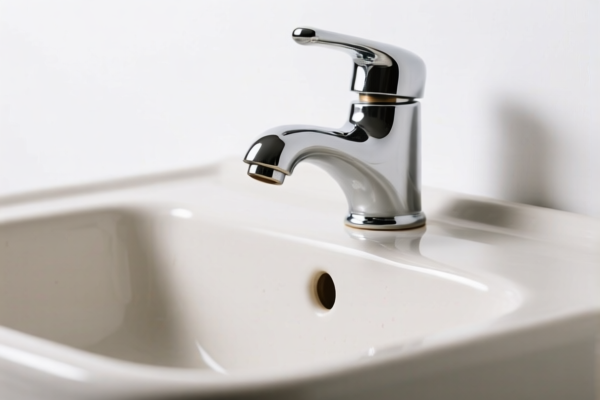
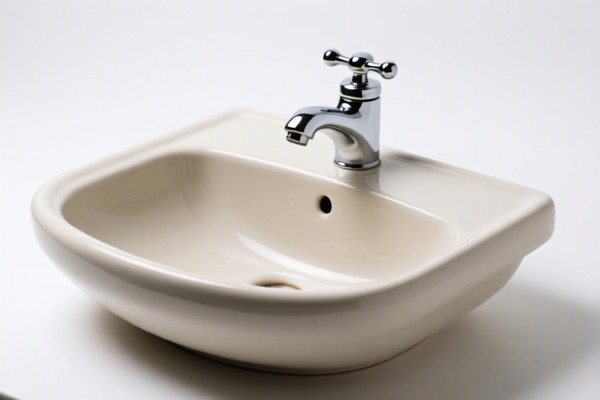
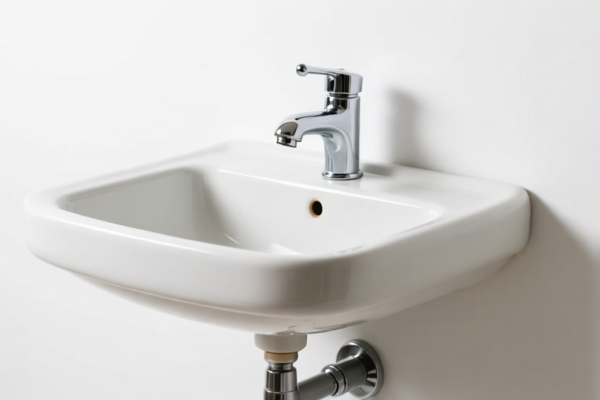
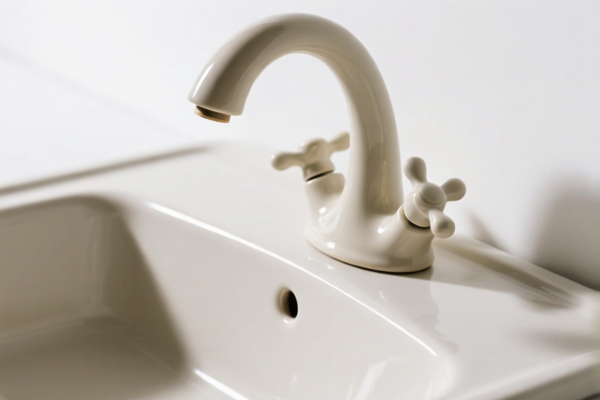
AI Analysis
🚰 Sink Faucet (Kitchen & Bathroom)
🌐 HS Code Reference & Customs Clearance Guide | 2026 Latest Tariff Analysis | Professional-Level Clearance Strategy
📌 Part 1: Product Definition & Classification: Do You Really Understand "Faucets"?
A sink faucet is a mechanical device used to control the flow of water to a sink, basin, or bathtub. In international trade, classification varies significantly based on material composition and functional design. There is no single HS Code for all faucets; the duty burden can range from 38% to a staggering 88% depending on how you classify the material.
⚠️ Key Distinction Point:
- If the faucet is primarily classified as a valve/device (Chapter 84), duties are generally lower (38%-39%).
- If the faucet is classified as a sanitary ware made of copper (Chapter 74), duties are extremely high (88%) due to specific trade measures on copper products.
- Crucial: Misclassifying a copper faucet as a "valve" to avoid the 88% tariff is a high-risk compliance error.
📦 Part 2: HS Code Classification Details (2026 Latest Tariff Authority Comparison)
Based on the provided data, there are two distinct classification pathways. Pathway A (Valve/Device) is generally more favorable for cost, but Pathway B (Sanitary Copper Ware) carries a heavy tariff burden.
| HS Code | Product Description | Applicable Scenario | Material Basis | Total Tariff |
|---|---|---|---|---|
8481.80.10.30 |
Kitchen Sink Faucet | Kitchen sinks, bathroom basins | Metal (Copper/Stainless Steel inferred) | 39.0% |
8481.80.50.60 |
Faucet/Valve Device | Pipeline devices, valve-like apparatus | Metal or Plastic | 38.0% |
7418.20.10.00 |
Sanitary Appliance | Bathroom fixtures, sanitary ware | Copper / Brass | 88.0% |
7418.20.50.00 |
Sanitary Appliance | Bathroom fixtures, sanitary ware | Copper / Copper-containing | 88.0% |
🔍 Critical Warning:
-8481.80.50.60is the most commonly used code for general faucets, offering the lowest baseline (38%).
-7418.20.xxxxcodes attract the highest penalty. This is due to specific "Steel, Aluminum, and Copper Products" surcharges.
- Do NOT use7418codes if you are trying to minimize duty, unless your product is strictly defined as "sanitary ware" by local customs ruling, even then, the 88% is punitive.
💰 Part 3: 2026 Latest Tariff Rate Breakdown (Including Surcharges & Policy Add-ons)
✅ Applicable Country: United States (US)
✅ Origin: China (CN)
✅ Effective Time: Current Trade Measures (Section 301 & Section 122)
🎯 1. 8481.80.50.60 & 8481.80.10.30 —— Faucets as Valves/Devices (Recommended Path)
This pathway classifies the faucet as a "valve, tap, cock and similar appliances," falling under Chapter 84.
| Item | Content |
|---|---|
| Base Tariff | 3.0% - 4.0% (Ad valorem) |
| Section 301 Surcharge | +25.0% (China-specific retaliation tariff) |
| Section 122 Surcharge | +10.0% (Emergency import surcharge on specific goods) |
| Total Tariff | 38.0% - 39.0% |
| Tax Calculation | CIF Value × 38%~39% |
| De Minimis Exemption | ❌ Not Applicable (Deny_de_minimis applies) |
| Legal Pathway | USITC:8481.80.xxxx → Section 301 + Section 122 |
📌 Explanation:
- The 25% Section 301 tariff is the standard retaliatory tariff on Chinese imports.
- The 10% Section 122 tariff is an additional surcharge applied to certain steel/aluminum/copper products or general imports under emergency powers.
- Base Rate Difference:
-8481.80.50.60: Base 3% + 25% + 10% = 38%
-8481.80.10.30: Base 4% + 25% + 10% = 39%
🎯 2. 7418.20.10.00 & 7418.20.50.00 —— Sanitary Ware of Copper (High-Risk Path)
This pathway classifies the faucet as a finished sanitary good made of copper, triggering specific "Steel, Aluminum, and Copper" penalties.
| Item | Content |
|---|---|
| Base Tariff | 3.0% (Ad valorem) |
| Section 301 Surcharge | +25.0% |
| Section 122 Surcharge | +10.0% |
| Copper/Steel/Al Surcharge | +50.0% (Specific penalty for Copper Products) |
| Total Tariff | 88.0% |
| Tax Calculation | CIF Value × 88% |
| De Minimis Exemption | ❌ Not Applicable |
| Legal Pathway | USITC:7418.20.xxxx → Section 301 + Section 122 + Copper Penalty |
📌 Warning:
- The 50% surcharge is the killer here. It is a specific measure targeting copper articles.
- Even though the base rate is low (3%), the additional 50% makes this the most expensive classification.
- Do not use these codes unless forced by a customs pre-ruling that explicitly defines your item as "copper sanitary ware" rather than a "valve."
🛠️ Part 4: Customs Clearance Practical Advice (Avoid Pitfalls)
✅ 1. Documentation Checklist (All Required)
| Document | Must Provide | Note |
|---|---|---|
| ✅ Product Specification Sheet | ✔️ | Must detail material (e.g., "Lead-free Brass," "Stainless Steel 304") |
| ✅ Technical Drawing | ✔️ | Show internal structure to prove it functions as a valve/control device |
| ✅ Product Photos | ✔️ | Clear shots of the valve mechanism, handle, and connections |
| ✅ Commercial Invoice | ✔️ | Must describe item as "Faucet" or "Tap," NOT just "Metal Fitting" |
| ✅ Packing List | ✔️ | Detail units per carton |
| ✅ Country of Origin Certificate | ✔️ | Essential for confirming China origin and applicable tariffs |
✅ 2. Declaration Strategy (Key Mantra)
🔥 “Classify as Valve, Not Copperware; Save 50% Duty!”
| Scenario | Correct Declaration | Wrong Action | Consequence |
|---|---|---|---|
| Standard Kitchen Faucet | 8481.80.50.60 |
Misclassified as 7418.20 |
Pays 88% instead of 38% |
| Stainless Steel Faucet | 8481.80.10.30 |
Misclassified as plastic | Potential audit for material fraud |
| Mixed Material (Plastic/Metal) | 8481.80.50.60 |
Classify as pure copper | Avoids 50% Copper Surcharge |
💡 Pro Tip:
- Emphasize the functional aspect (controlling water flow via a valve mechanism) rather than the material aspect (copper/born material) in your product description.
- Use terms like "Valve Assembly," "Tap Mechanism," or "Water Control Device" in technical descriptions to support the Chapter 84 classification.
✅ 3. Special Case Handling
| Situation | Handling Advice |
|---|---|
| Lead-Free Brass Faucets | Still classify under 8481 if it's a finished appliance. Do NOT let customs force it into 7418 unless it's a raw copper fitting. |
| Smart Faucets with Electronics | If it has a sensor/battery, it might still be 8481 (as a valve device), but ensure electronic components are declared correctly. |
| OEM Private Label | Ensure the brand name does not imply "Sanitary Ceramics" or "Bathroom Fixtures" exclusively, which might bias customs toward Chapter 74. |
🌍 Part 5: Global Market Comparison (2026 Update)
| Country/Region | Recommended HS Code | Estimated Tariff | Key Certification | Notes |
|---|---|---|---|---|
| 🇺🇸 USA | 8481.80.50.60 |
38% | NSF/ANSI 61 (Material Safety) | Avoid 7418 (88%)! |
| 🇨🇳 China | 8481.80.50.60 |
~3-4% | China Compulsory Certification (CCC) if applicable | Low base duty |
| 🇪🇺 EU | 8481.80.80 |
~2.7% | CE, WRAS (UK) | Lower tariffs, strict lead content laws |
| 🇨🇦 Canada | 8481.80.50 |
~5-10% | CSA Certified | CUSMA benefits if originating in NA |
📌 Conclusion:
- The USA is the most complex market due to the 25% Section 301 and 10% Section 122 tariffs.
- Classification is critical: A difference of 50% in duty between Chapter 84 and Chapter 74 is huge.
- Always aim for8481.80.50.60for maximum cost efficiency.
📌 Part 6: Common Mistakes & Pitfalls (Lessons Learned)
❌ Mistake 1: Describing the product as "Copper Bathroom Accessory"
👉 Result: Customs applies 7418.20.50.00 → 88% Tariff!
👉 Fix: Describe as "Water Control Valve/Faucet, Brass Body."
❌ Mistake 2: Ignoring the Section 122 Tariff
👉 Result: Underpaying 10% of CIF value.
👉 Fix: Ensure your broker includes the 10% surcharge in calculations.
❌ Mistake 3: Assuming Stainless Steel is exempt from Section 301
👉 Result: False. Stainless steel faucets are also subject to 25% Section 301.
👉 Fix: Plan for 39% total duty for stainless steel faucets (8481.80.10.30).
✅ Correct Practice:
"Kitchen Faucet, Brass Body with Chrome Plating, Single Handle Water Control Valve, Model XYZ, NSF Certified"
🎯 Part 7: Conclusion: Professional Declaration Saves Millions!
🎯 Remember the Mantra:
🔹 "Valve over Copper, Chapter 84 over 74, 38% is the target, 88% is the trap!"
🔹 "HS Code determines profit margin, classify wisely or pay the penalty!"
📌 Tips:
- If your faucets are originating in Vietnam or Mexico, check for USMCA/CUSMA or IPEF benefits which may reduce or eliminate the Section 301 tariff.
- Apply for a Binding Ruling (Pre-classification) if you are importing high volumes. This legally binds Customs to your chosen HS Code, protecting you from audits.
📣 Take Action Now:
📞 Contact a Licensed Customs Broker + Provide Product Specs + Request Pre-classification for
8481.80.50.60
🚀 Clear Customs Smoothly, Reduce Costs by 50%, Maximize Profit!
✨ Professional Customs Clearance Starts with Accurate Classification!
💼 Every Dollar Saved in Duties is Pure Profit!
Customer Reviews
About HS Code Classification
The Harmonized System (HS) is an internationally standardized nomenclature developed by the World Customs Organization (WCO) to classify traded products. Over 200 countries use the HS system as the basis for customs tariffs, trade statistics, and import/export regulations.
Each HS code follows a hierarchical structure:
- Chapter (2 digits) — Broad category of goods (e.g., Chapter 84: Machinery and Mechanical Appliances)
- Heading (4 digits) — More specific grouping within the chapter
- Subheading (6 digits) — Internationally standardized breakdown, used by all WCO member countries
- National subdivisions (8-10 digits) — Country-specific extensions for further classification, such as US HTSUS 10-digit codes
Correct HS code classification is essential for smooth customs clearance, accurate duty payment, and compliance with trade regulations. Misclassification can lead to customs delays, overpayment of duties, or penalties.
When importing from CN to US, the applicable tariff rates may include:
- Most-Favored-Nation (MFN) rate — The standard duty rate applied to WTO members
- General rate — Applied to countries without trade agreements
- Trade remedy duties — Additional tariffs such as Section 301 (anti-dumping), Section 232 (national security), or countervailing duties
The information provided on this page is for reference purposes only. For official classification, please consult with your local customs authority or a licensed customs broker.