Sink Organizer Rack
CN → US| HS Code | Tariff Rate | Origin | Destination | Doc |
|---|---|---|---|---|
| 7326908688 | 87.9% | CN | US | Official Doc |
| 7323930080 | 62.0% | CN | US | Official Doc |
| 7326903500 | 92.8% | CN | US | Official Doc |
| 7616995150 | 37.5% | CN | US | Official Doc |
| 3926909989 | 22.8% | CN | US | Official Doc |
Product Images
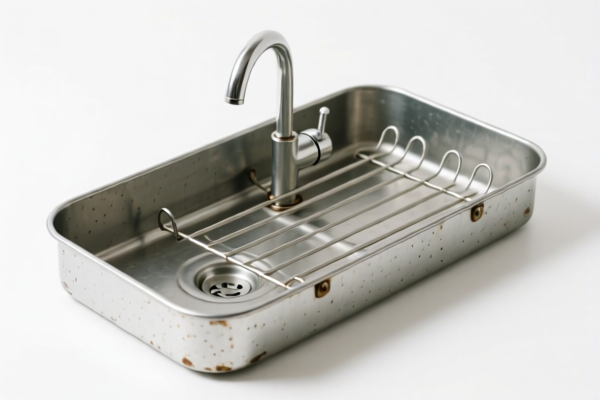
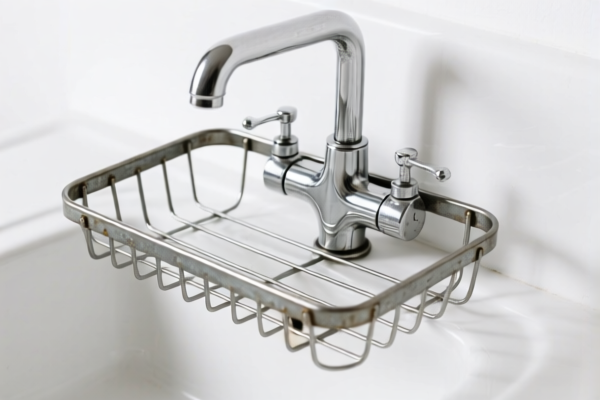
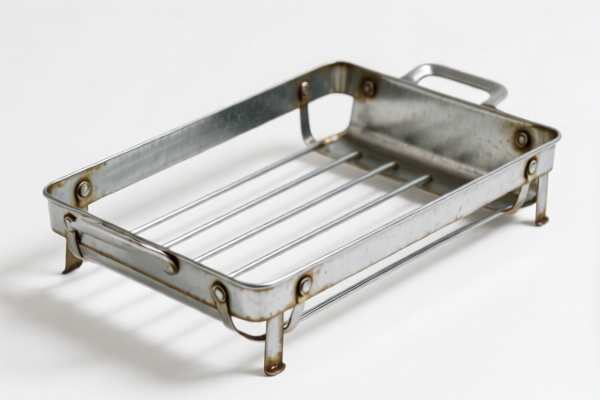

AI Analysis
🛁 Sink Organizer Rack (Kitchen/Utility)
🌐 HS Code Reference & Customs Clearance Guide | 2026 Updated Tariff Structure | Strategic Compliance Strategy
📌 I. Product Definition & Classification: What exactly is a "Sink Organizer Rack"?
A "Sink Organizer Rack" is a functional accessory used to hold kitchen utensils, sponges, or cleaning tools near the sink. In international trade, its classification strictly depends on the material composition. The item you provided contains mixed interpretations in the reference data, ranging from Iron/Steel to Stainless Steel to Aluminum/Plastic.
⚠️ Critical Distinction:
- If made of Iron/Steel (non-stainless): It falls under "Other articles of iron or steel" (Chapter 73, Heading 7326).
- If made of Stainless Steel: It is often classified as "Kitchenware/Household articles" (Chapter 73, Heading 7323).
- If made of Aluminum: It falls under "Other articles of aluminum" (Chapter 76, Heading 7616).
- If made of Plastic: It falls under "Other articles of plastic" (Chapter 39, Heading 3926).
📦 II. HS Code Classification Details (2026 Latest Tariff Reference)
Based on the provided <DATA>, here are the four possible classifications and their corresponding tax profiles for imports into the United States (implied by the "Section 301/25%" and "122 Clause 50%" details).
| HS Code | Material Description | Product Summary | Total Tax Rate | Key Tax Components |
|---|---|---|---|---|
| 7326.90.86.88 | Iron/Steel (Non-Stainless) | Other articles of iron or steel | 87.9% | Base: 2.9% 301 Clause: 25.0% Section 122 (Steel): 50.0% |
| 7323.93.00.80 | Stainless Steel | Kitchen utensils/Household articles | 62.0% | Base: 2.0% 301 Clause: 0.0% Section 122 (Steel): 50.0% |
| 7326.90.35.00 | Iron/Steel (Other) | Other articles of iron or steel | 92.8% | Base: 7.8% 301 Clause: 25.0% Section 122 (Steel): 50.0% |
| 7616.99.51.50 | Aluminum (Inferred) | Other articles of aluminum (Supports) | 37.5% | Base: 2.5% 301 Clause: 25.0% Section 122 (Aluminum): 10.0% |
| 3926.90.99.89 | Plastic (Inferred) | Other articles of plastic | 22.8% | Base: 5.3% 301 Clause: 7.5% Section 122: 10.0% |
🔍 Key Insight:
- Stainless Steel (7323.93.00.80) is the most "tariff-efficient" steel option at 62.0%, despite the 50% Section 122 levy, because it avoids the 25% Section 301 tariff.
- Plastic (3926.90.99.89) is the lowest cost option at 22.8%, but only if the product is genuinely plastic. Misclassification here leads to severe penalties.
💰 III. Detailed Tax Rate Breakdown (US Imports from China)
✅ Applicable Country: United States (US)
✅ Origin: China (CN)
✅ Effective Time: 2025/2026 (Current Trade Environment)
🎯 1. The "Steel" Trap: 7326 vs. 7323
Why does stainless steel have a lower total rate than plain iron?
A. 7326.90.86.88 (Iron/Steel - General)
- Total Rate: 87.9%
- Breakdown:
- Base Duty (MFN): 2.9%
- Section 301 Tariff: +25.0% (On most Chinese manufactured goods)
- Section 122 Tariff: +50.0% (Specific surcharge on Steel/Aluminum/Copper products)
- Legal Path:
Section 122 (Steel) + Section 301 + Base Rate
B. 7323.93.00.80 (Stainless Steel Kitchenware)
- Total Rate: 62.0%
- Breakdown:
- Base Duty (MFN): 2.0%
- Section 301 Tariff: 0.0% (Note: The provided data indicates 0% for this specific subheading, which is a critical advantage for stainless steel kitchenware compared to general steel goods).
- Section 122 Tariff: +50.0% (Applies to stainless steel as well)
- Legal Path:
Section 122 (Steel) + Base Rate(No Section 301)
C. 7326.90.35.00 (Other Iron/Steel)
- Total Rate: 92.8%
- Breakdown:
- Base Duty (MFN): 7.8%
- Section 301 Tariff: +25.0%
- Section 122 Tariff: +50.0%
- Legal Path:
Section 122 (Steel) + Section 301 + Higher Base Rate
🎯 2. The "Aluminum" Alternative: 7616.99.51.50
- Total Rate: 37.5%
- Breakdown:
- Base Duty: 2.5%
- Section 301 Tariff: +25.0%
- Section 122 Tariff: +10.0% (Lower than steel's 50%)
- Strategy: If the rack is aluminum, this is significantly cheaper than steel.
🎯 3. The "Plastic" Alternative: 3926.90.99.89
- Total Rate: 22.8%
- Breakdown:
- Base Duty: 5.3%
- Section 301 Tariff: +7.5% (Lower than steel's 25%)
- Section 122 Tariff: +10.0%
- Strategy: Lowest cost, but only if the material is plastic.
🛠️ IV. Customs Clearance Practical Advice (Avoiding Pitfalls)
✅ 1. Material Verification is Critical
Customs officers will inspect the product. If you declare Stainless Steel but it contains iron/steel components, you will face: * Penalties: Misdeclaration fines. * Back Taxes: Difference between 62% and 87.9% + interest. * Delay: Inspection hold for material testing (spectrometry).
Action: Ensure your supplier provides a Material Test Report or Mill Certificate proving the grade of stainless steel (e.g., 304 or 316) if you claim HS 7323.93.00.80.
✅ 2. Declaration Name Strategy
- Good: "Stainless Steel Kitchen Sink Utensil Holder, Model XYZ" (Supports HS 7323)
- Bad: "Metal Rack" (Ambiguous, may default to general steel HS 7326)
- Good: "Aluminum Sink Organizer Rack" (Supports HS 7616)
✅ 3. Packing List Consistency
- If the rack has plastic coated handles or plastic feet, ensure the declaration does not claim 100% stainless steel.
- If the product is >10% plastic by value, some customs officials may argue for 3926 (Plastic). However, if the primary function and material are metal, 7323/7326 is usually accepted. Consult your broker if the plastic content is significant.
🌍 V. Global Market Comparison (2026)
| Market | Recommended HS Code | Approx. Tax Rate | Notes |
|---|---|---|---|
| 🇺🇸 USA | 7323.93.00.80 (Stainless) | 62.0% | Best steel option due to 0% Sec 301. |
| 🇺🇸 USA | 7326.90.86.88 (Iron) | 87.9% | High penalty. Avoid if possible. |
| 🇺🇸 USA | 3926.90.99.89 (Plastic) | 22.8% | Lowest cost, but material must be plastic. |
| 🇪🇺 EU | 7323.93 / 7326 | ~5-8% | No Section 122 or 301 equivalent. Much cheaper. |
| 🇨🇳 China | 7323.93 / 7326 | ~5-7% | No Section 301. |
📌 VI. Common Errors & Pitfalls (Blood Lessons)
❌ Error 1: Declaring an Iron rack as Stainless Steel
👉 Consequence: Customs lab test reveals low chromium content → 62% rate denied, charged 87.9% + fines.
❌ Error 2: Ignoring the Section 122 Tariff
👉 Consequence: Underestimating cost by 50%. This tariff applies to all steel/aluminum products from China, regardless of the base rate.
❌ Error 3: Confusing Sink Organizer with Sink Strainer/Drain
👉 Consequence: Sink strainers (drains) may fall under different subheadings. Ensure the product is a "rack" or "holder," not a plumbing fixture.
🎯 VII. Conclusion: Strategic Classification
🎯 Key Takeaway:
🔹 If you can use Aluminum (7616) or Plastic (3926), the tax burden is significantly lower (37.5% and 22.8% respectively).
🔹 If you must use Steel, Stainless Steel (7323.93.00.80) is superior to Iron/Steel (7326) because it avoids the 25% Section 301 tariff, resulting in a 25.9% savings (62.0% vs 87.9%).
🔹 Never mix materials in the declaration. Be precise: "100% Stainless Steel" or "Aluminum Frame with Plastic Coating."
📌 Pro Tip:
If your product is Stainless Steel, double-check if it qualifies for 7323.93.00.80 ("Kitchenware") vs 7326 ("Other articles"). The 7323 classification offers a crucial 25% tax saving. Work with your supplier to ensure the product design clearly aligns with "Kitchenware/Utensil Holder" in function and marketing.
📣 Immediate Action:
📞 Verify the exact material composition (Stainless vs. Iron vs. Aluminum).
📑 Obtain Material Certificates from the factory.
🚀 Choose 7323.93.00.80 for stainless steel to minimize your 62.0% tariff burden.
✨ Professional Customs Clearance, Start with Accurate Classification!
💼 Your Profit Margin Depends on the 25.9% Difference!
Customer Reviews
About HS Code Classification
The Harmonized System (HS) is an internationally standardized nomenclature developed by the World Customs Organization (WCO) to classify traded products. Over 200 countries use the HS system as the basis for customs tariffs, trade statistics, and import/export regulations.
Each HS code follows a hierarchical structure:
- Chapter (2 digits) — Broad category of goods (e.g., Chapter 84: Machinery and Mechanical Appliances)
- Heading (4 digits) — More specific grouping within the chapter
- Subheading (6 digits) — Internationally standardized breakdown, used by all WCO member countries
- National subdivisions (8-10 digits) — Country-specific extensions for further classification, such as US HTSUS 10-digit codes
Correct HS code classification is essential for smooth customs clearance, accurate duty payment, and compliance with trade regulations. Misclassification can lead to customs delays, overpayment of duties, or penalties.
When importing from CN to US, the applicable tariff rates may include:
- Most-Favored-Nation (MFN) rate — The standard duty rate applied to WTO members
- General rate — Applied to countries without trade agreements
- Trade remedy duties — Additional tariffs such as Section 301 (anti-dumping), Section 232 (national security), or countervailing duties
The information provided on this page is for reference purposes only. For official classification, please consult with your local customs authority or a licensed customs broker.