Sink Plug
CN → US| HS Code | Tariff Rate | Origin | Destination | Doc |
|---|---|---|---|---|
| 4016991500 | 20.2% | CN | US | Official Doc |
| 4016990500 | 20.9% | CN | US | Official Doc |
| 7326908688 | 87.9% | CN | US | Official Doc |
| 7326190080 | 87.9% | CN | US | Official Doc |
| 4016990500 | 20.9% | CN | US | Official Doc |
Product Images
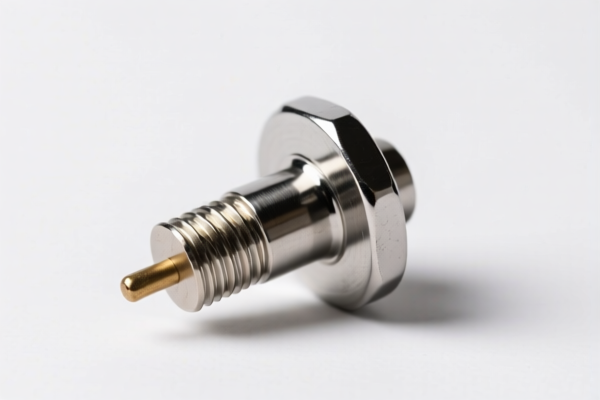
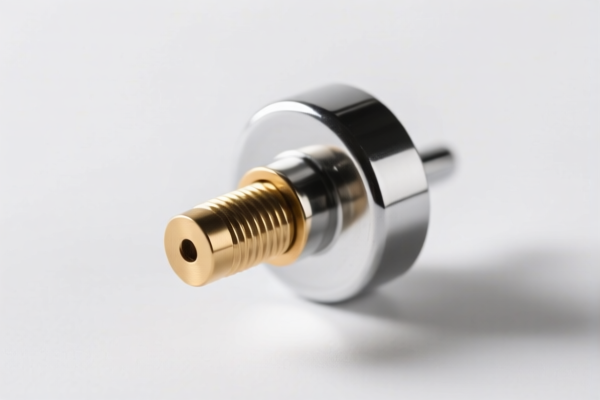
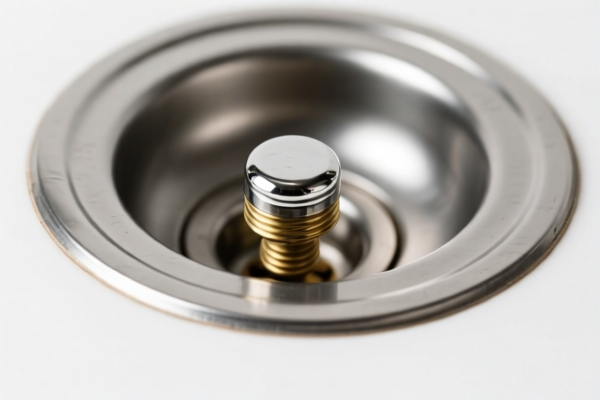
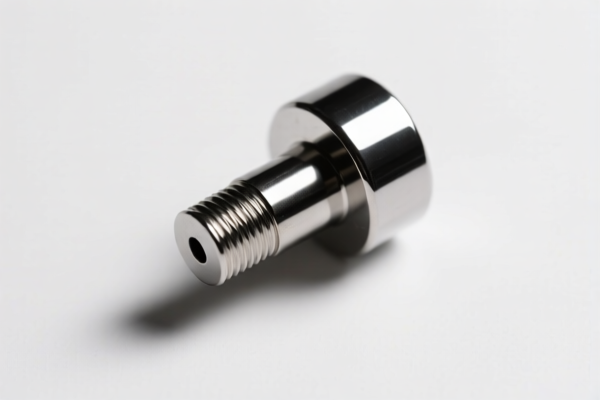
AI Analysis
🚿 Sink Plug (Drain Stopper)
🌐 HS Code Reference & Customs Clearance Guide | 2024-2026 Tax Rules Full Analysis | Professional Clearance Strategy
📌 I. Product Definition & Classification: Do You Really Understand "Sink Plug"?
A sink plug, also known as a drain stopper, is a small but critical hardware accessory used in kitchens, bathrooms, and laboratories to block or open the drain. In international trade, the classification of this item heavily depends on its material. It is not a "one-size-fits-all" classification.
The three primary material categories are: 1. Rubber/Plastic Plugs: The most common household type (silicone, rubber, PVC). 2. Metal Plugs: Made from stainless steel, copper, or iron, often used in commercial or high-end residential settings.
⚠️ Key Distinction:
- If made of rubber/plastic, it is classified under Chapter 40 (Rubber Articles).
- If made of iron/steel/copper, it is classified under Chapter 73/74 (Base Metals).
- Misclassification can lead to a tax rate difference of up to 70%!
📦 II. HS Code Classification Details (Latest Tariff Reference)
Based on the provided data, here are the specific HS Codes, their logical justifications, and associated tax structures.
| HS Code | Product Description & Justification | Material | Primary Use Case |
|---|---|---|---|
4016.99.15.00 |
Other Rubber Articles: Sink plugs classified specifically as "Stoppers/Caps". | Rubber or Plastic | General household sink plugs; inferred as rubber/plastic stoppers. |
4016.99.05.00 |
Other Rubber Articles: Other household articles made of vulcanized rubber. | Rubber | Explicitly rubber sink plugs; classified as "other household items." |
7326.90.86.88 |
Other Articles of Iron or Steel: Other made-up iron/steel articles. | Iron or Steel | Metal sink plugs (iron/steel); classified as general metal products. |
7326.19.00.80 |
Articles of Iron or Steel (Cast/Forged): Other articles of iron/steel, including bathroom fittings. | Stainless Steel or Copper | Bathroom fittings; inferred as stainless steel or copper plugs. |
🔍 Critical Note:
- Plastic vs. Rubber: While both fall under Chapter 40, the specific subheading (15.00vs05.00) depends on whether it is viewed as a "stopper" or a general "household rubber article."
- Metal Type: Metal plugs are heavily penalized due to Section 301 tariffs. Distinguish between Stainless Steel and Copper, as copper may trigger additional metal-specific surcharges in some contexts.
💰 III. 2026 Tariff Rate Breakdown (Detailed Tax Clauses)
✅ Applicable Country: United States (US)
✅ Origin: China (CN)
✅ Effective Time: Current Trade Policies (Section 301 & Section 122)
🎯 1. Rubber/Plastic Sink Plugs (Low Tax Bracket)
A. HS Code: 4016.99.15.00 (Stoppers/Caps)
| Item | Detail |
|---|---|
| Base Tariff | 2.7% |
| Section 301 Surcharge | 7.5% |
| Section 122 Surcharge | 10% |
| Total Tax Rate | 20.2% |
| Calculation | CIF Value × 20.2% |
📌 Explanation:
- Section 301 (7.5%): Additional tariffs on specific Chinese goods.
- Section 122 (10%): Additional tariffs under U.S. Trade Law Section 122 (short-term emergency measures).
- Total: A moderate 20.2%. This is the most cost-effective classification for plastic/rubber plugs.
B. HS Code: 4016.99.05.00 (Other Household Rubber Articles)
| Item | Detail |
|---|---|
| Base Tariff | 3.4% |
| Section 301 Surcharge | 7.5% |
| Section 122 Surcharge | 10% |
| Total Tax Rate | 20.9% |
| Calculation | CIF Value × 20.9% |
📌 Note:
- Slightly higher base tariff (3.4% vs 2.7%) due to broader categorization ("other household items").
- Total rate is 20.9%, still significantly lower than metal alternatives.
🎯 2. Metal Sink Plugs (High Tax Bracket)
A. HS Code: 7326.90.86.88 (Iron/Steel Articles)
| Item | Detail |
|---|---|
| Base Tariff | 2.9% |
| Section 301 Surcharge | 25.0% |
| Section 122 Surcharge | 10% |
| Metal-Specific Surcharge | +50% (Steel/Aluminum/Copper) |
| Total Tax Rate | 87.9% |
| Calculation | CIF Value × 87.9% |
📌 Explanation:
- Section 301 (25%): Standard high tariff on Chinese metal products.
- Section 122 (10%): Emergency trade measure.
- Metal Surcharge (50%): Critical! Specific additional tariffs on steel, aluminum, and copper products.
- Total: A staggering 87.9%. This makes importing metal plugs from China highly unprofitable unless priced accordingly.
B. HS Code: 7326.19.00.80 (Bathroom Fittings)
| Item | Detail |
|---|---|
| Base Tariff | 2.9% |
| Section 301 Surcharge | 25.0% |
| Section 122 Surcharge | 10% |
| Metal-Specific Surcharge | +50% (Steel/Copper) |
| Total Tax Rate | 87.9% |
| Calculation | CIF Value × 87.9% |
📌 Note:
- Even if classified as "bathroom fittings," the 50% metal surcharge still applies.
- Stainless Steel and Copper plugs are both subject to this high tax burden.
🛠️ IV. Customs Clearance Practical Advice (Pitfall Avoidance)
✅ 1. Documentation Checklist (Non-Negotiable)
| Document | Required | Purpose |
|---|---|---|
| ✅ Product Specifications | ✔️ | Must explicitly state Material (e.g., "100% Silicone," "304 Stainless Steel," "ABS Plastic"). |
| ✅ Product Photos | ✔️ | Clear images of the plug, texture, and any markings (e.g., "SS304" for stainless steel). |
| ✅ Commercial Invoice | ✔️ | Must match the HS Code description precisely. Avoid vague terms like "Hardware." |
| ✅ Material Declaration | ✔️ | Explicitly declare if the product contains Steel, Aluminum, or Copper to avoid misclassification penalties. |
| ✅ Packing List | ✔️ | Weight and dimensions must align with the declared goods. |
✅ 2. Classification Strategy (Key Tips)
🔥 "Material Dictates Tax: Rubber ~20%, Metal ~88%!"
| Scenario | Correct Classification | Wrong Classification | Consequence |
|---|---|---|---|
| Silicone/Rubber Plug | 4016.99.15.00 or 4016.99.05.00 |
7326.xxxx (Metal) |
Refusal/Retrospective Tax: If declared as metal, you pay 87.9%. If declared as rubber but actually metal, you face fraud penalties. |
| Stainless Steel Plug | 7326.90.86.88 or 7326.19.00.80 |
4016.xxxx (Rubber) |
High Tax: You cannot avoid the 87.9% rate. Ensure documentation proves it is indeed metal. |
| Mixed Material Plug (e.g., Metal base + Rubber seal) | Primary Material Rule | Incorrect | If the metal part is the main value/component, it likely falls under Chapter 73. Consult a broker. |
✅ 3. Special Considerations for Metal Plugs
| Issue | Handling Suggestion |
|---|---|
| Copper Content | If the plug is copper or brass, the 50% surcharge is absolute. No exemption for Section 301. |
| Stainless Steel | Even "304" or "316" stainless steel is subject to the 50% metal surcharge. |
| Avoiding Misclassification | Do not try to classify a metal plug as a "rubber stopper" to save tax. CBP (Customs and Border Protection) frequently inspects small hardware items. If they find metal, you will owe back taxes + penalties. |
🌍 V. Global Market Comparison (2026 Overview)
| Region | Recommended HS Code | Est. Total Tax (from China) | Notes |
|---|---|---|---|
| 🇺🇸 USA | 4016.99.15.00 (Rubber) |
20.2% | Best for rubber/plastic. |
| 🇺🇸 USA | 7326.90.86.88 (Metal) |
87.9% | Extremely high due to metal surcharges. |
| 🇪🇺 EU | 4016.99 (Rubber) |
~4-6% | No Section 301 or 122. Lower base duties. |
| 🇪🇺 EU | 7326 (Metal) |
~6-8% | No 50% metal surcharge. Much more competitive than US. |
| 🇨🇦 Canada | 4016.99 (Rubber) |
~0-6% | CUSMA benefits may apply if originating in NA. |
📌 Conclusion:
- USA Market: High friction for metal products. Rubber/plastic sink plugs are far more competitive due to lower tax rates (20.2% vs 87.9%).
- EU/Canada: Metal plugs remain viable due to the absence of Section 122 and the 50% metal-specific surcharge.
📌 VI. Common Mistakes & Pitfall Guide (Lessons Learned)
❌ Mistake 1: Declaring a Stainless Steel Plug as "Rubber Stoppers" to save tax.
👉 Result: CBP inspection reveals metal. Back taxes (87.9% - 20.2%) + Penalties.
Fix: Always declare true material.
❌ Mistake 2: Ignoring the 50% Metal Surcharge on copper/plated steel plugs.
👉 Result: Budgeting for 27.9% tax (2.9% base + 25% Sec 301) but actually paying 87.9%. Margin destruction.
Fix: Include the full 87.9% in cost modeling for metal plugs.
❌ Mistake 3: Using vague descriptions like "Hardware Accessories" on the invoice.
👉 Result: CBP assigns a default high-rate code or delays clearance for inspection.
Fix: Use precise descriptions: "Silicone Sink Plug, HS 4016.99.15.00" or "Stainless Steel Drain Stopper, HS 7326.90.86.88".
✅ Correct Declaration Example:
"Kitchen Sink Plug, Made of 100% Food-Grade Silicone, HS Code 4016.99.15.00"
"Bathroom Drain Stopper, 304 Stainless Steel, HS Code 7326.19.00.80"
🎯 VII. Conclusion: Precision in Classification Saves Millions
🎯 Remember the Golden Rule:
🔹 "Rubber ~20%, Metal ~88% – One Character Change (R vs M) Changes Everything!"
🔹 "Do not hide metal content. The 50% surcharge is non-negotiable for steel/aluminum/copper."
📌 Pro Tip:
If you are importing metal sink plugs into the US, consider:
1. Sourcing from Non-China Origins (e.g., Vietnam, Mexico) to avoid Section 301/122.
2. Re-evaluating Product Design: Can you use a plastic/rubber body with metal accents to fall under Chapter 40? (Consult a customs broker for "essential character" rules).
3. Advance Ruling: Apply for a CBP Advance Ruling if your product has complex mixed materials.
📣 Immediate Action:
📞 Contact a Licensed Customs Broker
📄 Provide Material Test Reports
🚀 Optimize Your HS Code Strategy Today
💼 Your Profit Margin Depends on This 2% vs 88% Difference!
✨ Professional Clearance Starts with Accurate Classification!
💼 Every Percent of Tax Saved is Pure Profit!
Customer Reviews
About HS Code Classification
The Harmonized System (HS) is an internationally standardized nomenclature developed by the World Customs Organization (WCO) to classify traded products. Over 200 countries use the HS system as the basis for customs tariffs, trade statistics, and import/export regulations.
Each HS code follows a hierarchical structure:
- Chapter (2 digits) — Broad category of goods (e.g., Chapter 84: Machinery and Mechanical Appliances)
- Heading (4 digits) — More specific grouping within the chapter
- Subheading (6 digits) — Internationally standardized breakdown, used by all WCO member countries
- National subdivisions (8-10 digits) — Country-specific extensions for further classification, such as US HTSUS 10-digit codes
Correct HS code classification is essential for smooth customs clearance, accurate duty payment, and compliance with trade regulations. Misclassification can lead to customs delays, overpayment of duties, or penalties.
When importing from CN to US, the applicable tariff rates may include:
- Most-Favored-Nation (MFN) rate — The standard duty rate applied to WTO members
- General rate — Applied to countries without trade agreements
- Trade remedy duties — Additional tariffs such as Section 301 (anti-dumping), Section 232 (national security), or countervailing duties
The information provided on this page is for reference purposes only. For official classification, please consult with your local customs authority or a licensed customs broker.