Sitz Bath Basin
CN → US| HS Code | Tariff Rate | Origin | Destination | Doc |
|---|---|---|---|---|
| 6910900000 | 23.2% | CN | US | Official Doc |
| 7324100050 | 88.4% | CN | US | Official Doc |
| 3922100000 | 23.8% | CN | US | Official Doc |
| 6910100030 | 15.8% | CN | US | Official Doc |
| 7324100010 | 88.4% | CN | US | Official Doc |
| 3922900000 | 41.3% | CN | US | Official Doc |
Product Images
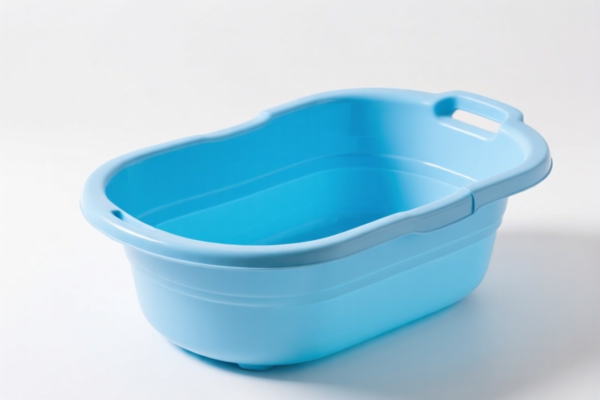
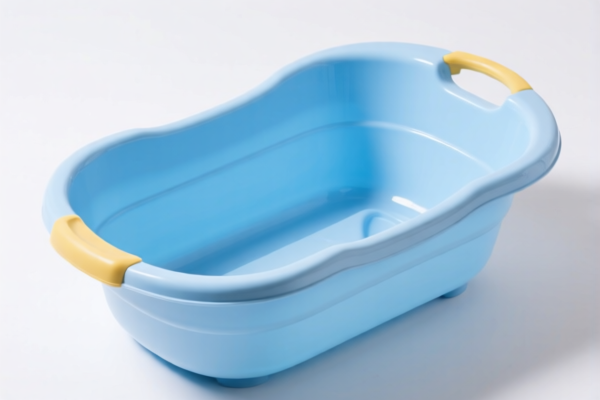
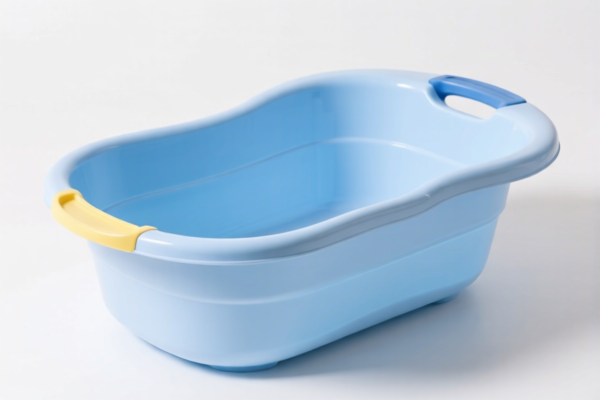
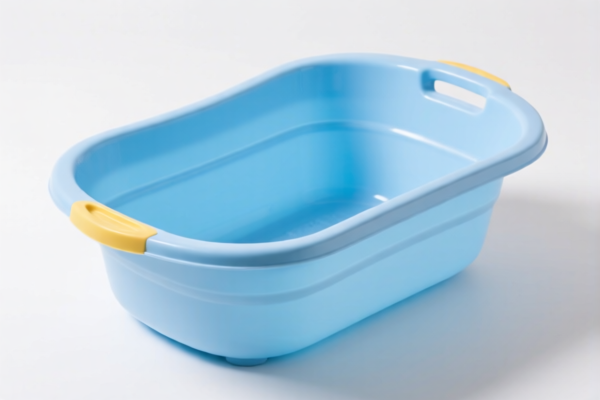
AI Analysis
🚿 Sitz Bath Basin (Hygiene & Sanitary Ware)
🌐 HS Code Reference & Customs Clearance Guide | 2026 Latest Tariff Analysis | Professional Clearance Strategy
📌 I. Product Definition & Classification: Do You Really Understand "Sitz Bath Basin"?
A Sitz Bath Basin is a specialized hygiene appliance designed for postpartum care, hemorrhoid treatment, or general perineal hygiene. It typically sits atop a standard toilet seat or is used as a standalone small basin. In international trade, classification is strictly determined by material and structural completeness.
⚠️ Critical Distinction Point:
- If made of Ceramic/Porcelain → Falls under Chapter 69 (Ceramic Products).
- If made of Steel/Stainless Steel → Falls under Chapter 73 (Articles of Iron or Steel).
- If made of Plastic → Falls under Chapter 39 (Plastics and Articles Thereof).
- Misclassification Risk: Declaring steel basins as ceramic (or vice versa) leads to massive tariff differences and potential customs penalties.
📦 II. HS Code Classification Details (2026 Latest Tariff Authority Comparison)
| HS Code | Product Description | Material Inference | Total Tax Rate | Tax Structure Detail |
|---|---|---|---|---|
6910.90.00.00 |
Ceramic Sanitary Ware (Other than Lavatories) | Ceramic | 23.2% | Base: 5.7%, Section 301: 7.5%, 122 Clause: 10% |
7324.10.00.50 |
Steel Sanitary Ware (Other) | Steel/Stainless Steel | 88.4% | Base: 3.4%, Section 301: 25.0%, 122 Clause: 10%, Steel/Aluminum/Copper Surcharge: 50% |
3922.10.00.00 |
Plastic Sanitary Ware (Basins) | Plastic | 23.8% | Base: 6.3%, Section 301: 7.5%, 122 Clause: 10% |
6910.10.00.30 |
Ceramic Lavatories (Washbasins) | Ceramic | 15.8% | Base: 5.8%, Section 301: 0.0%, 122 Clause: 10% |
7324.10.00.10 |
Steel Sanitary Ware (Other) | Metal | 88.4% | Base: 3.4%, Section 301: 25.0%, 122 Clause: 10%, Steel/Aluminum/Copper Surcharge: 50% |
3922.90.00.00 |
Plastic Sanitary Ware (Other) | Plastic | 41.3% | Base: 6.3%, Section 301: 25.0%, 122 Clause: 10% |
🔍 Key Observation:
- Steel Sitz Basins (7324.10.00.10/.50) are subject to an extreme effective tariff of 88.4%. This is due to the叠加 (stacking) of Base + 301 + 122 Clause + 50% Steel/Aluminum/Copper Surcharge.
- Ceramic (6910) and Plastic (3922) options are significantly more cost-effective (15.8% – 23.8%), though ceramic requires careful sub-category selection (Lavatory vs. Other).
💰 III. 2026 Latest Tariff Rate Breakdown (Including Surcharges & Policy Add-ons)
✅ Applicable Country: United States (US)
✅ Origin: China (CN)
✅ Effective Date: Post-November 2025 (Current Trade Policies)
🎯 1. 6910.10.00.30 – Ceramic Lavatory (Lowest Risk)
| Item | Content |
|---|---|
| Base Tariff | 5.8% |
| USITC Section 301 Surcharge | 0.0% (Exempt/Not Applicable for this specific subheading) |
| 122 Clause Tariff | +10% |
| Total Effective Rate | 15.8% |
| Calculation | CIF Value × 15.8% |
| De Minimis Eligibility | ❌ No (High value item, usually above $800 threshold) |
| Legal Path | Base: 6910 → 122 Clause: 10% |
📌 Explanation:
- This is the most favorable HS code for ceramic sitz baths/lavatories because it attracts 0% Section 301 tariff.
- However, it must strictly qualify as a "Lavatory" (washbasin). If deemed "Other" ceramic ware, it falls under6910.90.00.00with a 7.5% 301 surcharge.
🎯 2. 6910.90.00.00 – Other Ceramic Sanitary Ware
| Item | Content |
|---|---|
| Base Tariff | 5.7% |
| USITC Section 301 Surcharge | +7.5% |
| 122 Clause Tariff | +10% |
| Total Effective Rate | 23.2% |
| Calculation | CIF Value × 23.2% |
| De Minimis Eligibility | ❌ No |
| Legal Path | Base: 6910 → Section 301: 7.5% → 122 Clause: 10% |
📌 Explanation:
- Used if the product is not classified as a standard "Lavatory" but as general ceramic sanitary ware.
- Slightly higher than.10.00.30due to the 301 tariff.
🎯 3. 3922.10.00.00 – Plastic Basin (Cost-Effective Alternative)
| Item | Content |
|---|---|
| Base Tariff | 6.3% |
| USITC Section 301 Surcharge | +7.5% |
| 122 Clause Tariff | +10% |
| Total Effective Rate | 23.8% |
| Calculation | CIF Value × 23.8% |
| De Minimis Eligibility | ❌ No |
| Legal Path | Base: 3922 → Section 301: 7.5% → 122 Clause: 10% |
📌 Explanation:
- Plastic basins are popular for portable sitz baths.
- The rate is competitive, similar to ceramic "Other" categories.
🎯 4. 7324.10.00.10 / .50 – Steel/Stainless Steel Basin (HIGH COST ALERT)
| Item | Content |
|---|---|
| Base Tariff | 3.4% |
| USITC Section 301 Surcharge | +25.0% |
| 122 Clause Tariff | +10% |
| Steel/Aluminum/Copper Surcharge | +50% (Critical Factor) |
| Total Effective Rate | 88.4% |
| Calculation | CIF Value × 88.4% |
| De Minimis Eligibility | ❌ No |
| Legal Path | Base: 7324 → Section 301: 25% → 122 Clause: 10% → Steel Surcharge: 50% |
📌 Warning:
- 88.4% is prohibitively high. This includes the base, 301, 122 Clause, AND the specific steel surcharge.
- Strategic Advice: Avoid importing steel sitz basins from China if possible. Consider sourcing from countries exempt from steel tariffs or switch to ceramic/plastic alternatives.
🛠️ IV. Customs Clearance Practical Advice (Combat Pitfalls Guide)
✅ 1. Essential Documentation Checklist
| Document | Mandatory | Description |
|---|---|---|
| ✅ Product Specification Sheet | ✔️ | Must clearly state Material (Ceramic, Plastic, or Steel), dimensions, and capacity. |
| ✅ Product Photos | ✔️ | Clear images showing the basin shape, mounting type (over-seat vs. standalone), and material texture. |
| ✅ Commercial Invoice | ✔️ | Item description must match HS Code rationale (e.g., "Porcelain Sitz Bath Basin" not just "Basin"). |
| ✅ Packing List | ✔️ | Include protective packaging details (important for fragile ceramic items). |
| ✅ Country of Origin Certificate | ✔️ | Critical for determining applicability of 301 and 122 Clause tariffs. |
✅ 2. Declaration Strategy (Key Mantra)
🔥 "Material is King, HS Code Follows, Steel Gets Punished, Plastic/Ceramic Survives!"
| Scenario | Correct Declaration | Risk of Error |
|---|---|---|
| Porcelain/Ceramic Basin | 6910.10.00.30 (if Lavatory) or 6910.90.00.00 |
⚠️ Medium: Ensure it's not deemed "steel" if it has metal glazing. |
| Plastic Basin | 3922.10.00.00 |
✅ Low: Clear distinction. |
| Stainless Steel Basin | 7324.10.00.10 |
🚨 High: 88.4% tariff. Verify if any exemption applies or if it can be classified differently (rare for steel). |
| Mixed Material | Main Material Determines | 🚨 High: If >50% by weight/value is steel, likely 7324. |
✅ 3. Special Cases & Exemptions
| Situation | Handling Advice |
|---|---|
| Plastic with Steel Frame | If the steel frame is structural and >50% value, may still fall under 7324. Check weight distribution. |
| Ceramic with Non-Stick Coating | Still 6910. The coating is incidental to the ceramic base. |
| Portable Plastic Sitz Bath | Clearly describe as "Portable" in invoice to support 3922 classification and avoid confusion with fixed plumbing. |
| Gift Sets (Basin + Cushion) | Declare only the basin if separately valued. If packed together, classify based on essential character (usually basin). |
🌍 V. Global Market Comparison (2026 Update)
| Country/Region | Recommended HS Code | Tariff (China Origin) | Notes |
|---|---|---|---|
| 🇺🇸 USA | 6910.10.00.30 (Ceramic) |
15.8% | Best rate. Avoid Steel (7324). |
| 🇪🇺 EU | 6910.10.00 |
~4.5% | Lower tariffs, but CE/REACH compliance required. |
| 🇨🇳 China | 6910.10.00 |
~9.3% | Import tariff to China. |
| 🇬🇧 UK | 6910.10.00 |
~4.5% | Post-Brexit tariffs apply. |
📌 Conclusion:
- The USA is the most challenging market for Steel Sitz Basins due to the 50% steel surcharge on top of other tariffs.
- Ceramic (6910) and Plastic (3922) are the only viable options for cost-effective import into the US from China.
📌 VI. Common Mistakes & Pitfalls (Lessons Learned)
❌ Mistake 1: Declaring a Stainless Steel basin as 6910 (Ceramic).
👉 Consequence: Customs inspection reveals metal. Tariff jumps from 15.8% to 88.4%. Back taxes + fines.
❌ Mistake 2: Declaring a Plastic basin as 3922.90 (Other) instead of 3922.10 (Basins).
👉 Consequence: 3922.90 has a 25% 301 surcharge vs 7.5% for 3922.10. Overpaying 17.5% unnecessarily.
❌ Mistake 3: Ignoring the 122 Clause.
👉 Consequence: The 122 Clause (10%) applies to almost all sanitary ware from China in 2025/2026. Forgetting to account for it leads to underpayment.
❌ Mistake 4: Vague Description "Sitz Bath".
👉 Consequence: Customs may classify based on first impression or random audit. Always specify Material.
✅ Correct Approach:
"Porcelain Sitz Bath Basin for Toilet, White, Model XYZ, Material: 100% Ceramic"
vs
"Plastic Portable Sitz Bath Basin, Blue, Model ABC, Material: Polypropylene"
🎯 VII. Conclusion: Precise Classification Saves Thousands!
🎯 Remember the Mantra:
🔹 "Ceramic & Plastic: Safe Zone (15-24%)."
🔹 "Steel: Danger Zone (88.4%)."
🔹 "122 Clause: Always Apply (10%)."📌 Pro Tip:
- For Ceramic, fight for6910.10.00.30(Lavatory) to avoid the 7.5% 301 tariff.
- For Plastic, use3922.10.00.00(Basin) to minimize the 301 tariff to 7.5%.
- Avoid Steel unless absolutely necessary or sourced from non-China origins (e.g., Vietnam, Mexico) to bypass the 50% steel surcharge and 301 tariffs.
📣 Immediate Action:
📞 Contact a Customs Broker to request a Pre-Ruling on the specific model.
📸 Provide Clear Material Samples/Photos to justify the HS Code.
🚀 Switch Materials if possible to optimize landed cost!
✨ Professional Customs Clearance Starts with Accurate Classification!
💼 Your Profit Margin Depends on the HS Code!
Customer Reviews
About HS Code Classification
The Harmonized System (HS) is an internationally standardized nomenclature developed by the World Customs Organization (WCO) to classify traded products. Over 200 countries use the HS system as the basis for customs tariffs, trade statistics, and import/export regulations.
Each HS code follows a hierarchical structure:
- Chapter (2 digits) — Broad category of goods (e.g., Chapter 84: Machinery and Mechanical Appliances)
- Heading (4 digits) — More specific grouping within the chapter
- Subheading (6 digits) — Internationally standardized breakdown, used by all WCO member countries
- National subdivisions (8-10 digits) — Country-specific extensions for further classification, such as US HTSUS 10-digit codes
Correct HS code classification is essential for smooth customs clearance, accurate duty payment, and compliance with trade regulations. Misclassification can lead to customs delays, overpayment of duties, or penalties.
When importing from CN to US, the applicable tariff rates may include:
- Most-Favored-Nation (MFN) rate — The standard duty rate applied to WTO members
- General rate — Applied to countries without trade agreements
- Trade remedy duties — Additional tariffs such as Section 301 (anti-dumping), Section 232 (national security), or countervailing duties
The information provided on this page is for reference purposes only. For official classification, please consult with your local customs authority or a licensed customs broker.