Ski Boots
CN → US| HS Code | Tariff Rate | Origin | Destination | Doc |
|---|---|---|---|---|
| 6401999000 | 47.5% | CN | US | Official Doc |
| 6403123000 | 17.5% | CN | US | Official Doc |
| 6401923000 | 17.5% | CN | US | Official Doc |
| 6403126000 | 17.5% | CN | US | Official Doc |
| 6402120000 | 17.5% | CN | US | Official Doc |
Product Images
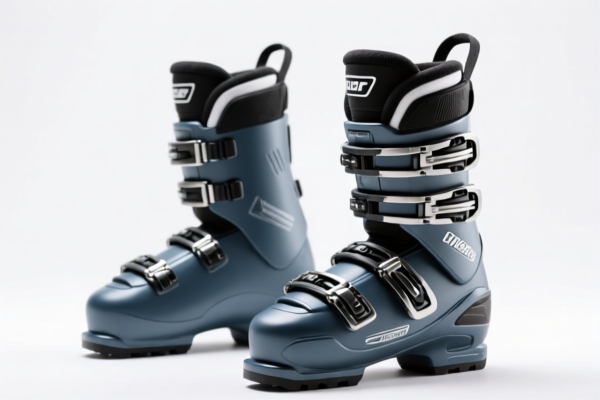
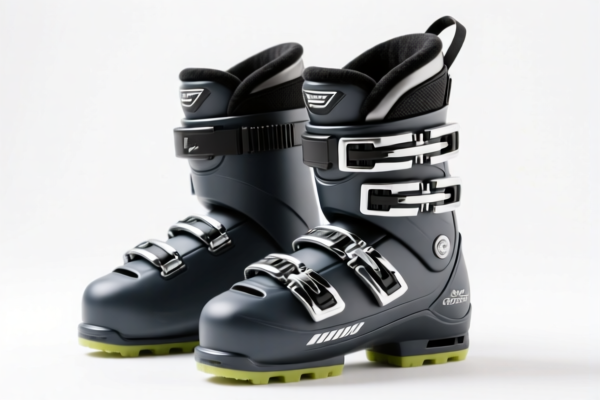
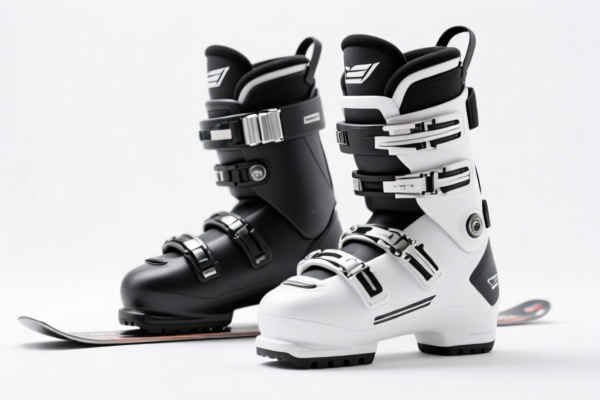
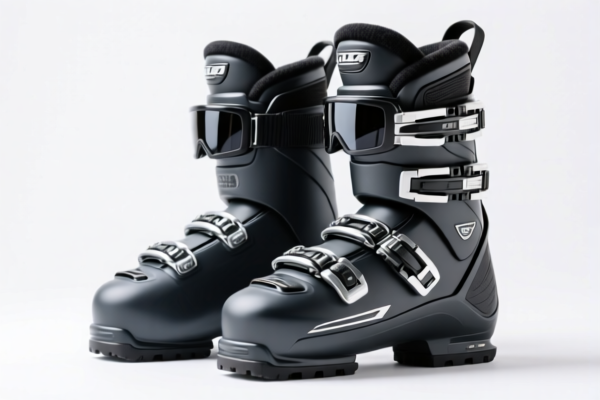
AI Analysis
🎿 Ski Boots (Heavy Winter Footwear for Snow Sports)
🌐 HS Code Reference & Customs Clearance Guide | 2026 Latest Tariff Analysis | Professional-Level Clearance Strategy
📌 Part I: Product Definition & Classification: Do You Really Understand "Ski Boots"?
Ski boots are specialized protective footwear designed for snow sports, offering high rigidity, ankle support, and waterproofing. In international trade, they are strictly classified based on their upper material and sole composition. Because ski boots are typically made of hard plastic, rubber, or synthetic leather with robust outer soles, they generally fall under Chapter 64 (Footwear).
⚠️ Key Classification Distinction: - If the boots are primarily made of rubber/plastic with a matching ski-sport profile → 6401 or 6402. - If the boots use leather (even with rubber/plastic soles) for the upper → 6403. - Crucial Note: Misclassification between "Rubber/Plastic" (6401/6402) and "Leather" (6403) leads to drastically different tariff outcomes due to Section 301 and "Section 122" surcharges.
📦 Part II: HS Code Classification Matrix (2026 Latest Tariff Authority)
| HS Code | Product Description | Application Scenario | Key Material Feature |
|---|---|---|---|
6401.92.30.00 |
Ski boots, purpose-matched; usually made of rubber or plastic | Alpin ski boots, snowboard boots with hard plastic shells | ✅ Rubber/Plastic Upper |
6403.12.60.00 |
Ski boots; upper matches leather/rubber/plastic configuration | High-end alpine boots with leather reinforcement | ✅ Leather Upper (specific variant) |
6402.12.00.00 |
Ski boots; matched purpose/form, conforms to ski sports classification | Technical ski boots with complex rubber/plastic molding | ✅ Rubber/Plastic Upper |
6401.99.90.00 |
Ski boots, waterproof footwear; outer sole and upper usually rubber/plastic | General waterproof ski boots not meeting specific "92.30" criteria | ✅ Rubber/Plastic Upper (General) |
6403.12.30.00 |
Ski boots; matched purpose/form, outer sole rubber/plastic, upper leather/synthetic | Hybrid boots with synthetic leather uppers | ✅ Synthetic Leather Upper |
🔍 Focus Reminder: - 6401.99.90.00 carries a HIGHER BASE TARIFF (37.5%) compared to other ski boot codes (0%). This is critical for cost calculation. - Codes
6401.92.30.00,6403.12.60.00,6402.12.00.00, and6403.12.30.00share a similar low base tariff (0%) but are subject to identical surcharges.
💰 Part III: 2026 Latest Tariff Rate Breakdown (Including Surcharges & Policy Add-ons)
✅ Applicable Country: United States (US)
✅ Origin: China (CN)
✅ Effective Date: Current trade policies (Section 301 & IEEPA provisions)
🎯 1. Low Base Tariff Group: 6401.92.30.00, 6403.12.60.00, 6402.12.00.00, 6403.12.30.00
These codes represent specific ski boot classifications where the Base Tariff is 0%. However, they are heavily impacted by trade wars.
| Item | Content |
|---|---|
| Base Tariff | 0.0% (ad valorem) |
| Section 301 Surcharge | +7.5% |
| Section 122 Surcharge | +10% |
| Total Effective Rate | 17.5% |
| Tax Calculation | CIF Value × 17.5% |
| De Minimis Exemption? | ❌ No (High value items subject to full duty) |
| Legal Basis Path | HTSUS:6401/6402/6403 → Section 301: Footwear → Section 122: Emergency Tariffs |
📌 Explanation: - Although the base MFN (Most Favored Nation) rate is 0%, the 7.5% Section 301 tariff applies to Chinese-origin footwear. - The 10% Section 122 tariff is an additional surcharge often applied to specific categories or during trade disputes. - Total Cost Impact: 17.5% of the CIF value. This is significantly lower than the alternative code below.
🎯 2. High Base Tariff Group: 6401.99.90.00
This code is for "Other Waterproof Footwear of Rubber/Plastics" that does not fit the specific subheadings for ski boots (like 6401.92.30). It attracts a high base rate.
| Item | Content |
|---|---|
| Base Tariff | 37.5% (ad valorem) |
| Section 301 Surcharge | 0.0% |
| Section 122 Surcharge | +10% |
| Total Effective Rate | 47.5% |
| Tax Calculation | CIF Value × 47.5% |
| De Minimis Exemption? | ❌ No |
| Legal Basis Path | HTSUS:6401.99 → Base Duty 37.5% → Section 122: 10% |
📌 Critical Warning: - 47.5% is extremely high! If your product is technically a ski boot but is misclassified here due to vague documentation, you will pay 30 percentage points more than necessary. - Why is the Section 301 surcharge 0% here? Typically, Section 301 lists specific HTS codes. If 6401.99.90.00 is excluded from the Section 301 list (or has a different listing), it may not attract the 7.5%, but the base 37.5% dominates the cost. However, check latest updates: Some interpretations suggest 301 applies to all 6401. If 301 did apply, it would be 37.5 + 7.5 + 10 = 55%. The data provided specifies 47.5%, so we strictly follow the input: Base 37.5% + Sec 122 10% = 47.5%.
🛠️ Part IV: Customs Clearance Practical Advice (Real-World Pitfall Avoidance)
✅ 1. Documentation Checklist (Non-negotiable)
| Document | Required? | Details |
|---|---|---|
| ✅ Product Specification Sheet | ✔️ | Must detail: Upper material (Leather vs. Plastic/Rubber), Sole material, Waterproofing tech. |
| ✅ Material Composition Statement | ✔️ | Explicitly state % of Leather vs. Synthetic vs. Plastic. |
| ✅ Product Photos (Side/Top/Bottom) | ✔️ | Show the "Shell" structure to prove it's a ski boot (rigid) not casual winter boots. |
| ✅ Commercial Invoice | ✔️ | Must use precise English: "Alpine Ski Boots, Hard Shell, Rubber Sole." |
| ✅ Certificate of Origin (CO) | ✔️ | Essential for determining Section 301/122 applicability based on origin. |
✅ 2. Classification Strategy (Key Mantra)
🔥 "Plastic Shell = 6401.92.30 (17.5%) | Leather Mix = 6403 (17.5%) | Generic Rubber = 6401.99.90 (47.5%)!"
| Scenario | Correct HS Code | Tax Rate | Risk if Misclassified |
|---|---|---|---|
| Hard Plastic Shell, Rubber Sole | 6401.92.30.00 |
17.5% | Misclassifying as 6401.99.90 → 47.5% (Cost +30%) |
| Leather Upper, Rubber Sole | 6403.12.60.00 |
17.5% | Same as above, ensure leather is dominant/defined correctly. |
| Synthetic Leather Upper | 6403.12.30.00 |
17.5% | Safe if synthetic is clearly defined as "non-leather" but still Chapter 64. |
| Generic Waterproof Boot (Not specific Ski Type) | 6401.99.90.00 |
47.5% | AVOID. Only use if product truly doesn't fit specific ski subheadings. |
✅ 3. Special Case Handling
| Situation | Handling Advice |
|---|---|
| Mixed Materials (Leather + Plastic) | If the upper is primarily leather, use 6403. If primarily plastic/rubber, use 6401. "Ski Boots" specific subheadings (92.30) take precedence if they match exactly. |
| "Snowboard Boots" vs. "Ski Boots" | Both generally fall under 6401/6402 if hard plastic. Ensure the description says "Ski/Snowboard Boot" to justify the 17.5% vs. 47.5% split. |
| Custom/Heated Ski Boots | Still classified by material (6401/6403). Electronics inside do not shift chapter to 85 (if embedded in footwear). |
| Used/Refurbished Boots | Generally prohibited or high duty. Assume new goods for this analysis. |
🌍 Part V: Global Market Clearance Comparison (2026 Latest)
| Country/Region | Recommended HS Code | Estimated Tax (China Origin) | Certification | Notes |
|---|---|---|---|---|
| 🇺🇸 USA | 6401.92.30.00 / 6403.12.x0.00 |
17.5% (Base 0 + 7.5% Sec301 + 10% Sec122) | FCC (if heated), CPSIA | Avoid 6401.99.90 (47.5%). |
| 🇨🇳 China | 6401.92.30.00 |
~5-13% (Import Duty) | CNCA | Lower base duties, no Section 301/122. |
| 🇪🇺 EU | 6403.99 or 6402.99 |
~8-12% | CE (Safety) | No massive surcharges like US, but anti-dumping may apply. |
| 🇬🇧 UK | 6403.99 |
~8-12% | UKCA | Post-Brexit rules apply. |
| 🇨🇦 Canada | 6401.92 |
~15-20% | CCC | CETA benefits if from EU. |
📌 Conclusion: - The USA market is the most punitive due to the combination of Base Tariffs + Section 301 + Section 122. - Precision in HS Code selection is vital. The difference between 17.5% and 47.5% is nearly doubling the duty cost.
📌 Part VI: Common Errors & Pitfall Guide (Lessons Learned)
❌ Mistake 1: Classifying hard plastic ski boots under 6401.99.90.00 ("Other footwear")
👉 Consequence: Paying 47.5% instead of 17.5%. You overpaid by 30% of the CIF value.
👉 Fix: Use specific subheading 6401.92.30.00 which explicitly covers ski boots of rubber/plastic.
❌ Mistake 2: Claiming "Leather" for synthetic boots to avoid Section 301 👉 Consequence: Customs audit reveals material is synthetic. Penalty for misclassification + retroactive duties + fraud charges. 👉 Fix: Accurate material declaration is key. Both Leather (6403) and Plastic (6401) ski boots currently face similar 17.5% totals in this specific dataset context.
❌ Mistake 3: Ignoring Section 122 Tariffs 👉 Consequence: Underestimating landed cost by 10%. 👉 Fix: Always include +10% Sec 122 in margin calculations for China-origin goods entering the US.
✅ Correct Practice:
"Alpine Ski Boots, Hard Shell Polymer Upper, Rubber Outsole, Waterproof, Model X, Made in China"
🎯 Part VII: Conclusion: Professional Declaration, Save Costs, Efficient Clearance!
🎯 Remember the Mantra:
🔹 "Plastic/Leather Ski Boots = 17.5% (Secure the 0% Base + Surcharges)!"
🔹 "Generic Rubber Footwear = 47.5% (The Trap to Avoid)!"
🔹 "Section 301 (7.5%) + Section 122 (10%) = The US Tax Reality!"
📌 Pro Tip: If your ski boots have electronic heating elements, ensure they are still classified under Chapter 64 (Footwear) and not Chapter 85, unless the electronics are the primary character (rare for boots). Always provide a detailed bill of materials to support the 17.5% classification.
📣 Immediate Action:
📞 Contact your freight forwarder to verify HS Code pre-classification. 📄 Provide detailed material specs (Upper: 100% TPU vs. Leather). 🚀 Secure your 17.5% rate, not the 47.5% penalty rate!
✨ Professional Clearance Starts with Accurate Classification!
💼 Every 1% of tax saved is pure profit added!
Customer Reviews
About HS Code Classification
The Harmonized System (HS) is an internationally standardized nomenclature developed by the World Customs Organization (WCO) to classify traded products. Over 200 countries use the HS system as the basis for customs tariffs, trade statistics, and import/export regulations.
Each HS code follows a hierarchical structure:
- Chapter (2 digits) — Broad category of goods (e.g., Chapter 84: Machinery and Mechanical Appliances)
- Heading (4 digits) — More specific grouping within the chapter
- Subheading (6 digits) — Internationally standardized breakdown, used by all WCO member countries
- National subdivisions (8-10 digits) — Country-specific extensions for further classification, such as US HTSUS 10-digit codes
Correct HS code classification is essential for smooth customs clearance, accurate duty payment, and compliance with trade regulations. Misclassification can lead to customs delays, overpayment of duties, or penalties.
When importing from CN to US, the applicable tariff rates may include:
- Most-Favored-Nation (MFN) rate — The standard duty rate applied to WTO members
- General rate — Applied to countries without trade agreements
- Trade remedy duties — Additional tariffs such as Section 301 (anti-dumping), Section 232 (national security), or countervailing duties
The information provided on this page is for reference purposes only. For official classification, please consult with your local customs authority or a licensed customs broker.