Ski Gloves
CN → US| HS Code | Tariff Rate | Origin | Destination | Doc |
|---|---|---|---|---|
| 6116100800 | 20.3% | CN | US | Official Doc |
| 6116930800 | 20.3% | CN | US | Official Doc |
| 6216000800 | 18.3% | CN | US | Official Doc |
| 6216003500 | 12.8% | CN | US | Official Doc |
| 9506198080 | 20.3% | CN | US | Official Doc |
Product Images


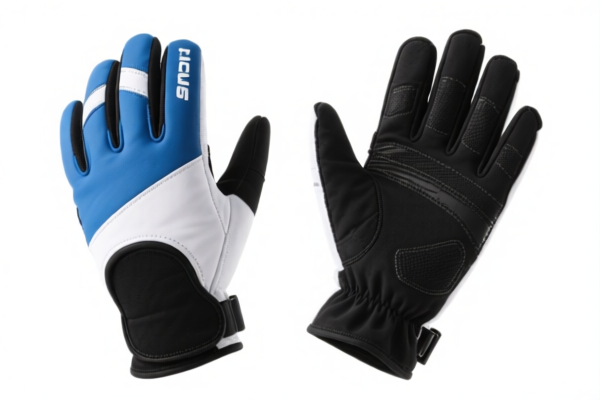
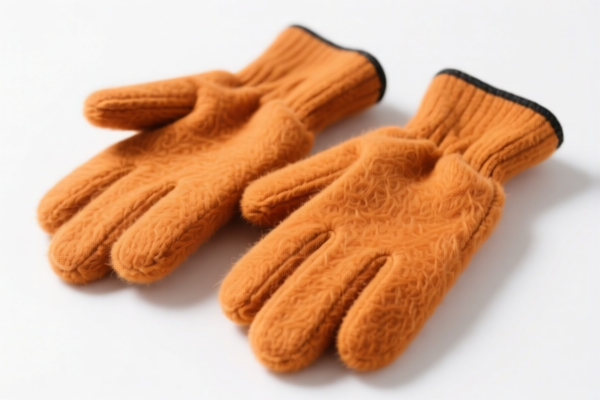
AI Analysis
🧤 Ski Gloves (Winter Sports Handwear)
🌐 HS Code Classification & Duty Analysis | 2026 Customs Strategy | Professional Clearance Guide
📌 I. Product Definition & Classification: Do You Know What "Ski Gloves" Are?
Ski Gloves are specialized handwear designed for winter sports, specifically skiing. They are engineered to provide warmth, waterproofing, wind resistance, and grip while allowing for dexterity in snow conditions.
In international trade, classification depends heavily on: 1. Material Composition: Knitted (Chapter 61) vs. Woven (Chapter 62); Coated/Rubberized vs. Plain. 2. Special Purpose: Whether they are specifically designed for sports (Skiing). 3. Form & Finish: Whether they are "gloves" or "mittens" (though both generally fall under gloves in HS context).
⚠️ Key Distinction:
- Knitted & Coated (Plastic/Rubber): Often fall under 6116.10.
- Woven & Coated (Plastic/Rubber): Often fall under 6216.00.
- Sport-Specific "Other": If material is synthetic and doesn't fit standard fabric definitions, 9506 (Sporting Goods) may apply.
📦 II. HS Code Classification Details (2026 Duty Rate Analysis)
| HS Code | Product Description & Logic | Material Inference | Total Duty Rate |
|---|---|---|---|
| 6116.10.08.00 | Knitted Gloves, Impregnated/Coated/Covered with Plastic/Rubber, Specifically for Skiing. | Knitted fabric (implied by Ch 61) + Plastic/Rubber coating. | 20.3% |
| 6116.93.08.00 | Knitted Gloves, Other Materials (Synthetic Fibers), Specifically for Skiing. | Knitted synthetic fibers (implied). "Other" category for sports gloves not coated. | 20.3% |
| 6216.00.08.00 | Woven Gloves, Impregnated/Coated/Covered with Plastic/Rubber, Specifically for Skiing. | Woven fabric (implied by Ch 62) + Plastic/Rubber coating. | 18.3% |
| 6216.00.35.00 | Woven Gloves, Cotton based, Specifically for Skiing. | Woven fabric (Cotton/Contains Cotton). No heavy coating mentioned. | 12.8% |
| 9506.19.80.80 | Skis & Ski Equipment – Ski Gloves as Accessories/PPE. | General "Sporting Goods" category. Used if specific glove codes don't apply or for "Other" sports gear. | 20.3% |
🔍 Critical Logic:
- Chapter 61 (Knitted): If the fabric is knitted (like a sock), look here. If coated with plastic/rubber → 6116.10. If uncoated but synthetic/sports → 6116.93. - Chapter 62 (Woven): If the fabric is woven (like a shirt), look here. If coated → 6216.00. If cotton-based and not heavily coated → 6216.00.35. - Chapter 95 (Sporting Goods): Used as a "catch-all" for sports-specific gear if the glove is considered a "part of ski equipment" rather than just clothing.
💰 III. 2026 Tariff Rate Breakdown (Including Surtaxes & Policy Surcharges)
✅ Applicable Country: United States (US)
✅ Country of Origin: China (CN)
✅ Effective Date: 2025/2026 (Current Trade Policy)
🎯 1. 6116.10.08.00 & 6116.93.08.00 & 9506.19.80.80
(The "High Duty" Cluster for Synthetic/Sports Gloves)
| Item | Content |
|---|---|
| Base Tariff (MFN) | 2.8% |
| Section 301 / Add-on Tariff | 7.5% (Specific to certain textile/apparel categories) |
| Section 122 Tariff | 10% (Targeted on specific Chinese goods) |
| Total Duty Rate | 20.3% |
| Duty Calculation | CIF Value × 20.3% |
| De Minimis Exemption? | ❌ No (High-risk category for Section 301/122) |
| Legal Basis Path | Section 301 → Section 122 → HTSUS 6116 or 9506 |
📌 Explanation:
- Base (2.8%): Standard Most Favored Nation (MFN) rate for gloves. - Add-on (7.5%): Additional duty often applied to textile/apparel imports from China under specific trade remedies. - 122 Clause (10%): Specific punitive tariff on goods classified under certain Chinese manufacturing sectors. - Result: 20.3% is a significant cost increase. If your gloves are synthetic or knitted/coated, this is your baseline cost.
🎯 2. 6216.00.08.00
(Woven, Coated, Ski Gloves)
| Item | Content |
|---|---|
| Base Tariff | 0.8% |
| Section 301 / Add-on Tariff | 7.5% |
| Section 122 Tariff | 10% |
| Total Duty Rate | 18.3% |
| Duty Calculation | CIF Value × 18.3% |
| De Minimis Exemption? | ❌ No |
| Legal Basis Path | Section 301 → Section 122 → HTSUS 6216 |
📌 Explanation:
- Woven gloves have a lower base rate (0.8%) compared to knitted ones (2.8%), but the surtaxes remain the same. - Total is 18.3%, slightly cheaper than the knitted versions.
🎯 3. 6216.00.35.00
(Cotton-Based Woven Ski Gloves)
| Item | Content |
|---|---|
| Base Tariff | 2.8% |
| Section 301 / Add-on Tariff | 0.0% |
| Section 122 Tariff | 10% |
| Total Duty Rate | 12.8% |
| Duty Calculation | CIF Value × 12.8% |
| De Minimis Exemption? | ❌ No (But lower total) |
| Legal Basis Path | Section 122 → HTSUS 6216.00.35 |
📌 Explanation:
- The "Cotton" Advantage: If the gloves are primarily cotton and woven, you avoid the 7.5% Section 301 add-on. - This is the cheapest option (12.8%) for ski gloves, provided they are truly cotton-based and woven, not coated with heavy plastic/rubber (which would shift them to 6216.00.08).
🛠️ IV. Practical Customs Clearance Strategy
✅ 1. Documentation Checklist (Mandatory)
| Document | Requirement | Why? |
|---|---|---|
| Product Specifications | ✔️ | Must state Material Composition (e.g., "80% Polyester, 20% Rubber Coating"). |
| Material Test Report | ✔️ | To prove if it's Knitted vs. Woven and Cotton vs. Synthetic. This determines the HS Code. |
| Product Photos | ✔️ | Show the coating texture (rubber/plastic) vs. plain fabric. |
| Intended Use Statement | ✔️ | "Skiing Equipment" or "Winter Sports". Crucial for 9506 classification if applicable. |
| Commercial Invoice | ✔️ | Must clearly describe "Ski Gloves" and specify material. |
| Country of Origin (CO) | ✔️ | Essential for applying Section 122 or Section 301 surcharges. |
✅ 2. Declaration Tips (The "Golden Rules")
🔥 Rule: "Material + Form = Code. Don't Guess!"
| Scenario | Correct HS Code | Risk if Wrong |
|---|---|---|
| Knitted + Rubber Coated | 6116.10.08.00 |
❌ Under-declaring → 20.3% vs 10% (Seizure risk) |
| Woven + Cotton + No Coat | 6216.00.35.00 |
❌ Over-declaring → 12.8% vs 20.3% (Lost profit) |
| Woven + Plastic Coated | 6216.00.08.00 |
❌ Misclassified as "Sports" → 20.3% vs 18.3% (Slight loss) |
| Mixed Material (Sport Specific) | 9506.19.80.80 |
❌ If not truly "Sport" specific → Penalty |
✅ 3. Special Considerations
| Situation | Strategy |
|---|---|
| Cotton vs. Synthetic | If your gloves are Cotton, push for 6216.00.35.00 (12.8% tax). If Synthetic, expect 18.3%–20.3%. |
| Coating Thickness | Heavy plastic/rubber coating pushes you into 6116/6216.00.08. Thin coating might be argued differently, but usually follows the coating rule. |
| "Ski" Claim | Ensure the gloves are marketed/sold as "Ski Gloves". Generic "Winter Gloves" might be classified as general apparel (Ch 61/62) without the specific "Ski" logic, potentially changing duty. |
| Section 122 Compliance | Verify if the specific product line qualifies for Section 122. If it's excluded, you might save 10%. |
🌍 V. Global Market Comparison (2026)
| Market | Recommended HS Code | Duty Rate (China Origin) | Key Requirement |
|---|---|---|---|
| 🇺🇸 USA | 6116.10.08.00 / 6216.00.35.00 |
12.8% – 20.3% | Section 122 + 301 Surcharges |
| 🇨🇳 China | 6116.10.08.00 |
~5-10% (Variable) | Domestic standards |
| 🇪🇺 EU | 6116.10 / 6216.00 |
0% – 4% | CE Marking, REACH |
| 🇯🇵 Japan | 6116.10 / 6216.00 |
5% – 8% | Safety Standards |
📌 Conclusion:
- USA is the most expensive market for Ski Gloves due to Section 122 and Section 301 surcharges. - Cotton-based woven gloves (6216.00.35.00) offer the best tax efficiency in the US market (12.8%). - Synthetic/Knitted gloves are hit hardest (20.3%).
📌 VI. Common Pitfalls & "Blood" Lessons
❌ Mistake 1: Declaring "Ski Gloves" as 9506 when they are clearly 61/62.
👉 Result: While 9506 might seem "sporty," if the product is clearly a glove made of fabric/plastic, US Customs may force the 61/62 classification, but the Section 122 surcharge still applies. However, 9506 often carries the 20.3% rate anyway.
Better: Classify correctly by material to avoid audits.
❌ Mistake 2: Ignoring the "Coating" (Plastic/Rubber).
👉 Result: If you declare "Cotton Gloves" but they have a rubber palm coating, Customs will reclassify to 6216.00.08.00 (18.3%) instead of 6216.00.35.00 (12.8%).
Correction: Always test for coating weight and material.
❌ Mistake 3: Assuming "Gloves" are all 6116.
👉 Result: If the fabric is Woven (like a denim glove), it's Chapter 62, not 61.
Correction: Check the weave structure.
✅ Best Practice:
"Provide Material Test Report + Coating Analysis + 'Ski' Usage Proof. Choose 6216.00.35.00 if Cotton/Woven/No Heavy Coat to save 7.5% in taxes."
🎯 VII. Final Verdict: Smart Sourcing & Clearance
🎯 Key Takeaways:
1. Material is King: Cotton = Cheapest (12.8%). Synthetic/Knitted = Most Expensive (20.3%).
2. Coating Matters: Plastic/Rubber coating moves you to higher duty categories (18.3% or 20.3%).
3. Section 122 is Real: The 10% surcharge applies to most ski gloves unless specifically exempted.
4. Documentation: Must prove "Ski" usage and exact material composition to avoid misclassification penalties.
🔹 口诀 (Mantra):
"Cotton is cheap (12.8%), Synthetic is heavy (20.3%). Coating adds tax (7.5% add-on). Document material, avoid the 122 penalty trap!"
📌 Pro Tip:
If you are importing to the US, consider sourcing Cotton-based woven gloves (6216.00.35.00) to save 7.5% on the Section 301 surcharge.
For Synthetic gloves, the 122 clause (10%) is unavoidable unless you have a specific exemption.
📣 Action Now:
📞 Contact your Customs Broker: Provide Material Composition and Coating Details.
📄 Apply for Pre-Ruling: Request a Binding Tariff Classification Ruling (BTR) to confirm the 12.8% vs 20.3% status before shipment.
🚀 Optimize Costs: Shift to cotton blends if possible to lower landed cost by 7.5%.
✨ Precision Classification = Profit Protection!
💼 Don't let "Ski Gloves" cost you an extra 7.5% in duties!
Customer Reviews
About HS Code Classification
The Harmonized System (HS) is an internationally standardized nomenclature developed by the World Customs Organization (WCO) to classify traded products. Over 200 countries use the HS system as the basis for customs tariffs, trade statistics, and import/export regulations.
Each HS code follows a hierarchical structure:
- Chapter (2 digits) — Broad category of goods (e.g., Chapter 84: Machinery and Mechanical Appliances)
- Heading (4 digits) — More specific grouping within the chapter
- Subheading (6 digits) — Internationally standardized breakdown, used by all WCO member countries
- National subdivisions (8-10 digits) — Country-specific extensions for further classification, such as US HTSUS 10-digit codes
Correct HS code classification is essential for smooth customs clearance, accurate duty payment, and compliance with trade regulations. Misclassification can lead to customs delays, overpayment of duties, or penalties.
When importing from CN to US, the applicable tariff rates may include:
- Most-Favored-Nation (MFN) rate — The standard duty rate applied to WTO members
- General rate — Applied to countries without trade agreements
- Trade remedy duties — Additional tariffs such as Section 301 (anti-dumping), Section 232 (national security), or countervailing duties
The information provided on this page is for reference purposes only. For official classification, please consult with your local customs authority or a licensed customs broker.