Ski Training Gloves
CN → US| HS Code | Tariff Rate | Origin | Destination | Doc |
|---|---|---|---|---|
| 6116100800 | 20.3% | CN | US | Official Doc |
| 6116930800 | 20.3% | CN | US | Official Doc |
| 6216000800 | 18.3% | CN | US | Official Doc |
| 6216003500 | 12.8% | CN | US | Official Doc |
| 9506198080 | 20.3% | CN | US | Official Doc |
Product Images
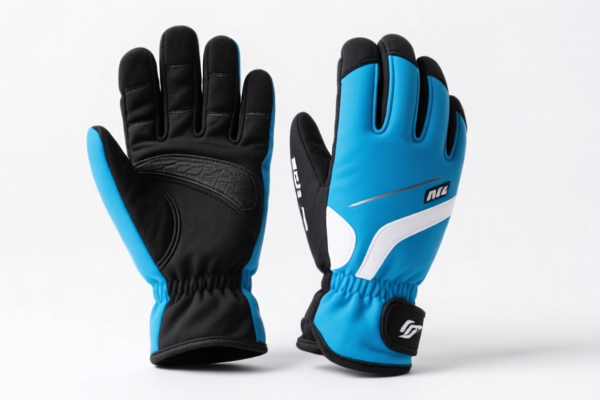
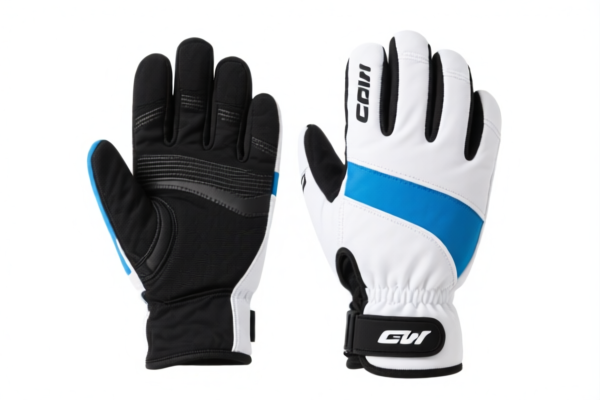
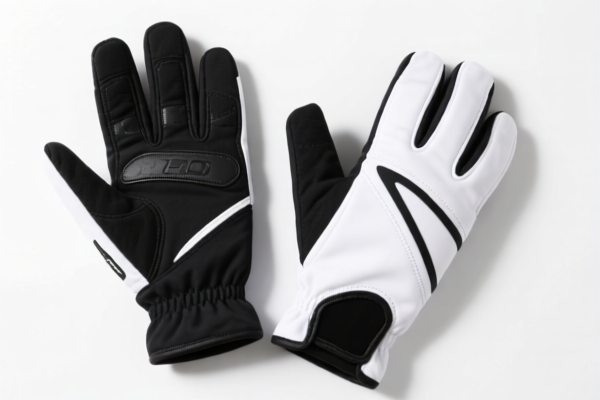
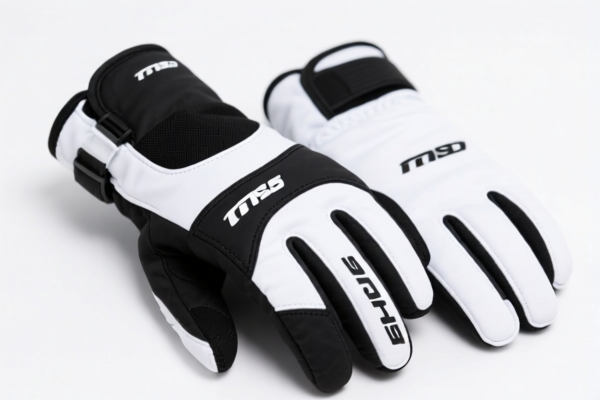
AI Analysis
🧤 Ski Training Gloves (Gloves for Skiing)
🌐 HS Code Reference & Customs Clearance Guide | 2024/2025 Latest Tariff Analysis | Professional-Level Entry Strategy
📌 I. Product Definition & Classification: What Exactly Are "Ski Gloves"?
Ski gloves are essential personal protective equipment (PPE) and accessories for winter sports. In international trade, they are primarily classified under Chapter 61 (Knitted or Cropped Articles) or Chapter 62 (Articles of Apparel, Not Knitted or Cropped), depending on their material and manufacturing process.
Key Distinction:
- Knitted Gloves (Ch 61): Usually made of wool, acrylic, or synthetic fibers, often with a lining.
- Non-Knitted/Guinea Gloves (Ch 62): Often made of woven fabrics, leather, or coated materials, frequently offering higher water resistance and durability.
⚠️ Critical Classification Point:
- If the gloves are knitted and coated with plastic/rubber → 6116.10.08.00
- If the gloves are knitted but made of other synthetic fibers (not coated) → 6116.93.08.00
- If the gloves are non-knitted and coated with plastic/rubber → 6216.00.08.00
- If the gloves are non-knitted, cotton-based, and not coated → 6216.00.35.00
- If classified as sports equipment accessories (less common for gloves, but possible) → 9506.19.80.80
📦 II. HS Code Classification Details (Latest Tariff Authority Comparison)
| HS Code | Product Description | Applicability | Material/Feature |
|---|---|---|---|
6116.10.08.00 |
Gloves, knitted or crocheted, impregnated, coated, covered with plastic or rubber | Skiing, industrial use | ✅ Coated/Plasticized ✅ Knitted |
6116.93.08.00 |
Other gloves, knitted or crocheted, of synthetic fibers | Skiing, general sports | ❌ Not Coated ✅ Synthetic Fibers |
6216.00.08.00 |
Gloves, not knitted or crocheted, impregnated, coated, covered with plastic or rubber | Skiing, general work | ✅ Coated/Plasticized ✅ Non-Knitted |
6216.00.35.00 |
Gloves, not knitted or crocheted, of cotton | Skiing, general use | ❌ Not Coated ✅ Cotton Content |
9506.19.80.80 |
Ski-skis; other ski equipment and parts thereof | Ski accessories | ✅ Accessory/Part ⚠️ Less Common for Gloves |
🔍 Key Reminder:
- Coated vs. Non-Coated: The presence of plastic/rubber coating significantly changes the chapter (61/62) and subheading. - Knitted vs. Non-Knitted: Determines Chapter 61 vs. Chapter 62. - Material: Cotton, synthetic fibers, or other materials affect the final subheading.
💰 III. 2024/2025 Latest Tariff Rate Breakdown (Including Surcharges & Policy Add-ons)
✅ Applicable Country: United States (US)
✅ Origin: China (CN)
✅ Effective Date: Current rates (subject to 301 Tariff Updates)
🎯 1. 6116.10.08.00 — Gloves, Knitted, Coated (Plastic/Rubber)
| Item | Detail |
|---|---|
| Base Tariff | 2.8% |
| Section 301 Surcharge | 7.5% |
| IEEPA 122 Clause Tariff | 10% |
| Total Tax Rate | 20.3% |
| Tax Calculation | CIF Value × 20.3% |
| De Minimis Exemption | ❌ Not Eligible (for Section 301/IEEPA goods) |
| Legal Basis | HTSUS 6116.10.08.00 + Section 301 + IEEPA Section 122 |
📌 Explanation:
- This is a high-demand ski glove classification due to its water-resistant/coated nature. - Total 20.3% is significant for low-value items, impacting margin.
🎯 2. 6116.93.08.00 — Gloves, Knitted, Synthetic Fibers (Not Coated)
| Item | Detail |
|---|---|
| Base Tariff | 2.8% |
| Section 301 Surcharge | 7.5% |
| IEEPA 122 Clause Tariff | 10% |
| Total Tax Rate | 20.3% |
| Tax Calculation | CIF Value × 20.3% |
| De Minimis Exemption | ❌ Not Eligible |
| Legal Basis | HTSUS 6116.93.08.00 + Section 301 + IEEPA Section 122 |
📌 Note:
- Same rate as coated knitted gloves. - Suitable for dry-skiing or indoor ski training gloves.
🎯 3. 6216.00.08.00 — Gloves, Non-Knitted, Coated (Plastic/Rubber)
| Item | Detail |
|---|---|
| Base Tariff | 0.8% |
| Section 301 Surcharge | 7.5% |
| IEEPA 122 Clause Tariff | 10% |
| Total Tax Rate | 18.3% |
| Tax Calculation | CIF Value × 18.3% |
| De Minimis Exemption | ❌ Not Eligible |
| Legal Basis | HTSUS 6216.00.08.00 + Section 301 + IEEPA Section 122 |
📌 Advantage:
- Lower base rate (0.8%) compared to Chapter 61. - Total rate is 2% lower than knitted coated gloves.
🎯 4. 6216.00.35.00 — Gloves, Non-Knitted, Cotton
| Item | Detail |
|---|---|
| Base Tariff | 2.8% |
| Section 301 Surcharge | 0.0% |
| IEEPA 122 Clause Tariff | 10% |
| Total Tax Rate | 12.8% |
| Tax Calculation | CIF Value × 12.8% |
| De Minimis Exemption | ❌ Not Eligible (IEEPA still applies) |
| Legal Basis | HTSUS 6216.00.35.00 + IEEPA Section 122 |
📌 Best Rate Option:
- Lowest total tax (12.8%) among all options. - No Section 301 surcharge (0%) because cotton gloves may be excluded or treated differently under specific 301 exclusions (verify current list). - Caution: Must be non-coated and cotton-based.
🎯 5. 9506.19.80.80 — Other Ski Equipment & Accessories
| Item | Detail |
|---|---|
| Base Tariff | 2.8% |
| Section 301 Surcharge | 7.5% |
| IEEPA 122 Clause Tariff | 10% |
| Total Tax Rate | 20.3% |
| Tax Calculation | CIF Value × 20.3% |
| De Minimis Exemption | ❌ Not Eligible |
| Legal Basis | HTSUS 9506.19.80.80 + Section 301 + IEEPA Section 122 |
📌 Note:
- Gloves are rarely classified here unless they are part of a kit or considered a part of ski equipment. - Same rate as coated knitted gloves.
🛠️ IV. Customs Clearance Practical Advice (Avoiding Pitfalls)
✅ 1. Required Documentation Checklist
| Document | Required | Description |
|---|---|---|
| ✅ Product Specification | ✔️ | Material composition (e.g., 100% Cotton, Synthetic Blend, Coating Type) |
| ✅ Product Photos | ✔️ | Clear images showing gloves, lining, coating, and any labels |
| ✅ Commercial Invoice | ✔️ | Clearly state "Ski Gloves" or "Training Gloves" |
| ✅ Packing List | ✔️ | Quantity per box, total weight |
| ✅ Certificate of Origin | ✔️ | If applicable for duty-free claims (non-China origin) |
| ✅ Test Reports | ✔️ | If claiming specific water resistance or safety standards |
✅ 2. Declaration Tips (Key Mantra)
🔥 "Material First, Coating Second, Name Specific, Tax Down!"
| Scenario | Correct Declaration | Incorrect Practice |
|---|---|---|
| Cotton Gloves, No Coating | 6216.00.35.00 |
Declare as "Ski Gloves" without material → 20.3% |
| Knitted Gloves, Plastic Coating | 6116.10.08.00 |
Declare as "Cotton Gloves" → Misclassification Penalty |
| Synthetic Knitted Gloves | 6116.93.08.00 |
Declare as "Leather Gloves" → Wrong Chapter |
| Gloves with Ski Branding | 9506.19.80.80 (Risky) |
May be rejected; gloves are apparel, not equipment parts |
✅ 3. Special Circumstances Handling
| Situation | Recommendation |
|---|---|
| OEM Custom Gloves | Provide design specs to confirm material/coating classification |
| Mixed Material Gloves | Declare main material; if coated, specify coating type |
| Sample Shipments | Still subject to tariffs; do not assume de minimis for China-origin goods |
| Seasonal Imports | Plan ahead; tariff policies can change; use Advance Rulings |
🌍 V. Global Market Comparison (2024/2025)
| Country/Region | Recommended HS Code | Tariff Rate | Certification | Notes |
|---|---|---|---|---|
| 🇺🇸 USA | 6216.00.35.00 |
12.8% | None | Best rate for cotton gloves |
| 🇺🇸 USA | 6116.10.08.00 |
20.3% | None | Common for coated ski gloves |
| 🇨🇳 China | 6216.00.35.00 |
0-5% | CCC (if applicable) | No 301/IEEPA surcharges |
| 🇪🇺 EU | 6216.00.08.00 |
2-4% | CE | No surcharges; lower base rates |
| 🇬🇧 UK | 6216.00.08.00 |
2-4% | UKCA | Post-Brexit alignment with EU |
📌 Conclusion:
- USA has the highest effective tariffs for China-origin gloves due to Section 301 + IEEPA. - Cotton, non-coated gloves (6216.00.35.00) offer the lowest US duty (12.8%). - Coated gloves (6116.10.08.00/6216.00.08.00) are more expensive (18.3%-20.3%).
📌 VI. Common Mistakes & Pitfalls (Lessons Learned)
❌ Mistake 1: Declaring "Ski Gloves" without specifying material/coating
👉 Result: Customs may assign highest default rate or request additional info → Delays & Penalties
❌ Mistake 2: Misclassifying coated gloves as "cotton gloves"
👉 Result: Tariff from 20.3% to 12.8% → Audit & Back Taxes
❌ Mistake 3: Ignoring IEEPA 122 Clause
👉 Result: Underpayment of 10% → Fines & Seizure
❌ Mistake 4: Using "Ski Accessories" for gloves
👉 Result: Incorrect classification → 20.3% instead of potential 12.8%
✅ Correct Practice:
"Gloves, Ski Training, Cotton, Non-Coated, Unlined, Model XYZ, Brand ABC"
🎯 VII. Conclusion: Precise Classification, Cost Savings, Smooth Clearance
🎯 Remember the Mantra:
🔹 "Cotton + No Coat = 12.8%"
🔹 "Coated = 18.3%-20.3%"
🔹 "Never Guess Material, Always Specify!"
📌 Pro Tip:
- If your gloves are not from China, you may avoid Section 301/IEEPA surcharges.
- Use Advance Rulings from CBP to confirm classification for large shipments.
- Consider supply chain diversification to mitigate tariff risks.
📣 Take Action Now:
📞 Consult a Licensed Customs Broker
📄 Prepare Detailed Product Specs
🚀 Achieve Smooth Clearance & Maximize Profit Margins!
✨ Professional Classification Starts Here!
💼 Every Percent Saved is Pure Profit!
Customer Reviews
About HS Code Classification
The Harmonized System (HS) is an internationally standardized nomenclature developed by the World Customs Organization (WCO) to classify traded products. Over 200 countries use the HS system as the basis for customs tariffs, trade statistics, and import/export regulations.
Each HS code follows a hierarchical structure:
- Chapter (2 digits) — Broad category of goods (e.g., Chapter 84: Machinery and Mechanical Appliances)
- Heading (4 digits) — More specific grouping within the chapter
- Subheading (6 digits) — Internationally standardized breakdown, used by all WCO member countries
- National subdivisions (8-10 digits) — Country-specific extensions for further classification, such as US HTSUS 10-digit codes
Correct HS code classification is essential for smooth customs clearance, accurate duty payment, and compliance with trade regulations. Misclassification can lead to customs delays, overpayment of duties, or penalties.
When importing from CN to US, the applicable tariff rates may include:
- Most-Favored-Nation (MFN) rate — The standard duty rate applied to WTO members
- General rate — Applied to countries without trade agreements
- Trade remedy duties — Additional tariffs such as Section 301 (anti-dumping), Section 232 (national security), or countervailing duties
The information provided on this page is for reference purposes only. For official classification, please consult with your local customs authority or a licensed customs broker.