Skirt
CN → US| HS Code | Tariff Rate | Origin | Destination | Doc |
|---|---|---|---|---|
| 6104520010 | 18.3% | CN | US | Official Doc |
| 6204510010 | 31.5% | CN | US | Official Doc |
| 6204522070 | 25.7% | CN | US | Official Doc |
Product Images
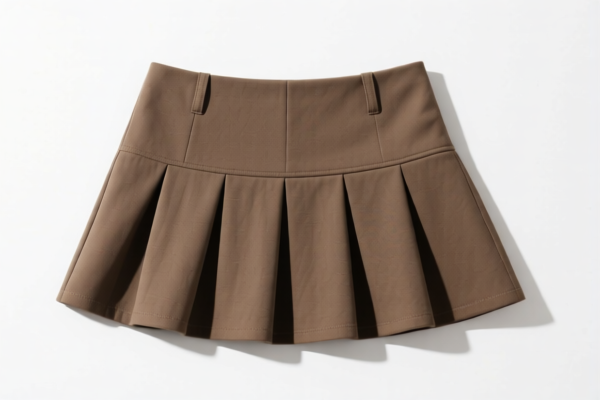
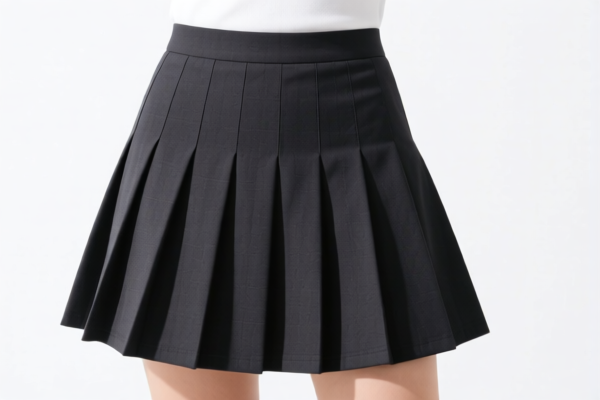
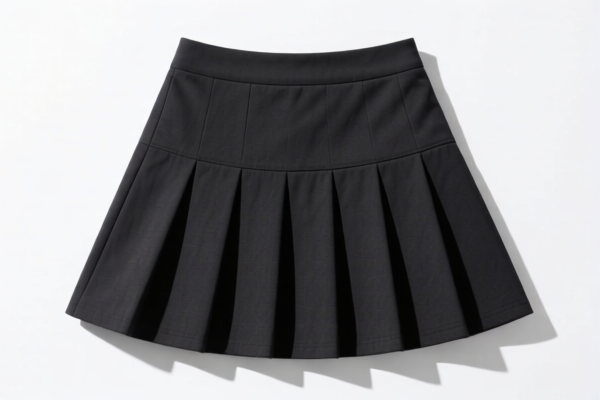

AI Analysis
👗 Skirts (Garments for Women & Girls)
🌐 HS Code Reference & Clearance Guide | 2026 Updated Tariff Rules | Strategic Customs Compliance
📌 1. Product Definition & Classification: Do You Know Your "Skirt" Type?
In international trade, "skirts" are classified based on material composition, knitted vs. woven fabric, and design/length. Misclassification can lead to massive tax penalties (up to 31.5% vs. 18.3%) or shipment delays.
Critical Distinction:
- Woven Skirts (62xx series): Non-stretch fabrics (e.g., cotton, polyester, rayon blends).
- Knitted Skirts (61xx series): Stretch fabrics (e.g., jersey, rib knit).
- Material Matters: Cotton (6204.52), Polyester (6204.51), or Blends?
⚠️ Key Rule:
- If fabric type is unknown, customs may apply default higher tariffs (e.g., 122% clause).
- Women's skirts are generally prioritized under 6204 (woven) or 6104 (knitted).
📦 2. HS Code Breakdown (2026 Tariff Reference Table)
| HS Code | Product Description | Application Scenario | Material Assumption | Total Tax Rate |
|---|---|---|---|---|
6204.51.00.10 |
Woven skirts (not specified material) | Women's fashion skirts, formal/casual | Inferred: Non-cotton (likely polyester/synthetic) | 31.5% |
6104.52.00.10 |
Knitted skirts (material/object unspecified) | Stretch skirts, casual wear, knit dresses | Inferred: Cotton-blend (standard knit) | 18.3% |
6204.52.20.70 |
Woven short skirts (cotton inferred) | Mini-skirts, school/uniform styles | Inferred: Cotton (most common for shorts) | 25.7% |
🔍 Critical Warning:
- Missing material = 122 Clause Tariff (10%) applied automatically!
- "Short skirt" vs. "Long skirt":6204.52.20.70specifies "short" → lower tax than generic6204.51.
- Knitted (6104) is cheaper than woven (6204) due to 0% USITC tariff on knits!
💰 3. 2026 Tariff Rate Breakdown (USA, China-Origin Products)
🎯 1. 6204.51.00.10 – Woven Skirts (Material Unspecified)
Total Tax: 31.5%
| Component | Rate | Legal Basis |
|-----------|------|-------------|
| Base Tariff | 14.0% | Section 9903.88.01 |
| Section 301 Tariff | 7.5% | USITC Footnote 9903.88.01 |
| 122-Clause Tariff | 10.0% | IEEPA (China-specific) |
| Total | 31.5% | 9903.01.25 + 9903.01.24 |
📌 Why 31.5%?
- Missing material triggers the 122 Clause (10% punitive tariff).
- Woven fabrics face higher base tariffs (14% vs. 8.3% for knits).
- No de minimis exemption applies!
🎯 2. 6104.52.00.10 – Knitted Skirts (Material/Object Unspecified)
Total Tax: 18.3%
| Component | Rate | Legal Basis |
|-----------|------|-------------|
| Base Tariff | 8.3% | Section 9903.88.01 |
| Section 301 Tariff | 0.0% | Knits exempt from 301 |
| 122-Clause Tariff | 10.0% | IEEPA (China-specific) |
| Total | 18.3% | 9903.01.25 + 9903.01.24 |
📌 Why 18.3%?
- Knitted fabrics are exempt from 301 tariffs (0% Section 301).
- Lower base tariff (8.3% vs. 14%).
- Still subject to 122 Clause (10%) if material is unverified.
🎯 3. 6204.52.20.70 – Woven Short Skirts (Cotton Inferred)
Total Tax: 25.7%
| Component | Rate | Legal Basis |
|-----------|------|-------------|
| Base Tariff | 8.2% | Section 9903.88.01 |
| Section 301 Tariff | 7.5% | USITC Footnote 9903.88.01 |
| 122-Clause Tariff | 10.0% | IEEPA (China-specific) |
| Total | 25.7% | 9903.01.25 + 9903.01.24 |
📌 Why 25.7%?
- "Short skirt" is a specific subcategory → lower base tariff (8.2%).
- Cotton assumption is reasonable for shorts (common material).
- 122 Clause still applies if material is not explicitly declared!
🛠️ 4. Customs Clearance Strategy (Avoid Costly Mistakes)
✅ 1. Required Documents Checklist
| Document | Mandatory? | Purpose |
|---|---|---|
| Fabric Composition Label | ✔️ | Must state % of cotton/polyester/etc. |
| Product Photos | ✔️ | Show length (short/long), style (skirt vs. dress) |
| Material Test Report | ✔️ | Verify cotton content (if claiming 6204.52.20.70) |
| Commercial Invoice | ✔️ | Clearly state "Skirts" + material + length |
| Packing List | ✔️ | Separate knits vs. wovens in declaration |
🚨 Risk: If material is not declared, customs will assume worst-case (31.5% tax for
6204.51).
✅ 2. Declaration Tips (Golden Rules)
🔥 "Material + Length + Knit/Woven = 50% Tax Savings!"
| Scenario | Correct Declaration | Wrong Declaration | Tax Impact |
|---|---|---|---|
| Knitted skirt | 6104.52.00.10 + "100% Cotton, Knit" |
6204.51.00.10 (woven) |
18.3% vs. 31.5% |
| Short skirt (cotton) | 6204.52.20.70 + "Cotton, Short" |
6204.51.00.10 (generic) |
25.7% vs. 31.5% |
| Material unknown | DO NOT SHIP! → Fix label first | Ship with "Material: N/A" | 31.5% (worst case) |
✅ 3. Special Cases & Solutions
| Situation | Action |
|---|---|
| OEM skirts (no material label) | Add label before shipment (cost: $50/unit) |
| Mixed fabric (cotton/poly) | Declare exact % (e.g., "60% Cotton, 40% Polyester") |
| Short skirt vs. Dress | If waistline > knee, classify as dress (6204.42) → higher tax! |
| Sample shipments | Still subject to 122 Clause if material unverified! |
🌍 4. Global Market Comparison (2026)
| Country | Recommended HS Code | Total Tax | Certification |
|---|---|---|---|
| 🇺🇸 USA | 6104.52.00.10 (knit) |
18.3% | No special certs |
| 🇪🇺 EU | 6204.52.20.70 (woven) |
8.5% | CE (if synthetic) |
| 🇨🇳 China | 6104.52.00.10 (knit) |
5.0% | CCC (if synthetic) |
| 🇯🇵 Japan | 6204.52.20.70 (woven) |
6.0% | PSE (if electronics) |
📌 Key Insight:
- USA is the most punitive for unverified material (122 Clause = 10%).
- Knitted skirts (6104) are always cheaper in the US (0% 301 tariff).
- Cotton shorts (6204.52.20.70) are cheaper than generic wovens (25.7% vs. 31.5%).
📌 5. Common Pitfalls & Lessons Learned
❌ Mistake 1: Shipping skirts with no material label
👉 Result: 31.5% tax (10% 122 Clause penalty).
❌ Mistake 2: Calling a dress a "skirt"
👉 Result: Wrong HS Code → Customs detention + reclassification fee.
❌ Mistake 3: Ignoring "short skirt" specificity
👉 Result: 25.7% vs. 31.5% → $5,000 loss per 100 units.
✅ Fix It:
"Women's Short Skirt, 100% Cotton, Woven, 20-inch Length, Model XYZ"
🎯 6. Final Checklist for Smooth Clearance
- Label Fabric Composition (e.g., "60% Cotton, 40% Polyester").
- Specify Length (Short < 22 inches =
6204.52.20.70). - Declare Knit/Woven (6104 = Knit, 6204 = Woven).
- Avoid "Material: Unknown" → Always verify.
- Use "Skirts" (not "Dresses") unless waistline > knee.
📣 Act Now!
📞 Contact a Customs Broker + Label All Products + Apply for HS Code Ruling
🚀 Save 13.2% in taxes (31.5% → 18.3%) by choosing knitted skirts!
✨ Precision Classification = Profit Protection!
💼 Your skirt’s tax rate depends on ONE sentence in your invoice!
Customer Reviews
About HS Code Classification
The Harmonized System (HS) is an internationally standardized nomenclature developed by the World Customs Organization (WCO) to classify traded products. Over 200 countries use the HS system as the basis for customs tariffs, trade statistics, and import/export regulations.
Each HS code follows a hierarchical structure:
- Chapter (2 digits) — Broad category of goods (e.g., Chapter 84: Machinery and Mechanical Appliances)
- Heading (4 digits) — More specific grouping within the chapter
- Subheading (6 digits) — Internationally standardized breakdown, used by all WCO member countries
- National subdivisions (8-10 digits) — Country-specific extensions for further classification, such as US HTSUS 10-digit codes
Correct HS code classification is essential for smooth customs clearance, accurate duty payment, and compliance with trade regulations. Misclassification can lead to customs delays, overpayment of duties, or penalties.
When importing from CN to US, the applicable tariff rates may include:
- Most-Favored-Nation (MFN) rate — The standard duty rate applied to WTO members
- General rate — Applied to countries without trade agreements
- Trade remedy duties — Additional tariffs such as Section 301 (anti-dumping), Section 232 (national security), or countervailing duties
The information provided on this page is for reference purposes only. For official classification, please consult with your local customs authority or a licensed customs broker.