Slag Wool Sound Absorbing Ceiling
CN → US| HS Code | Tariff Rate | Origin | Destination | Doc |
|---|---|---|---|---|
| 6806100010 | 38.9% | CN | US | Official Doc |
| 6806900010 | 35.0% | CN | US | Official Doc |
| 9403708015 | 35.0% | CN | US | Official Doc |
| 9403896020 | 35.0% | CN | US | Official Doc |
Product Images
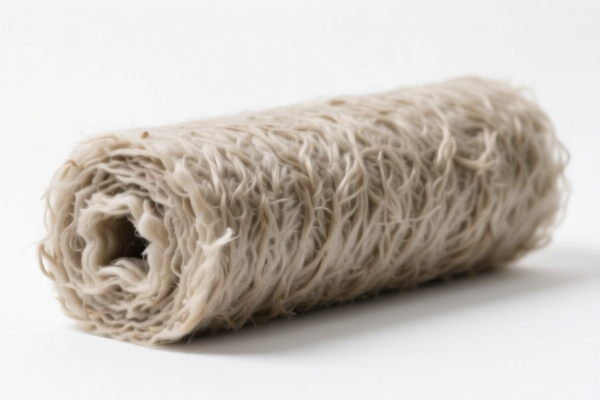
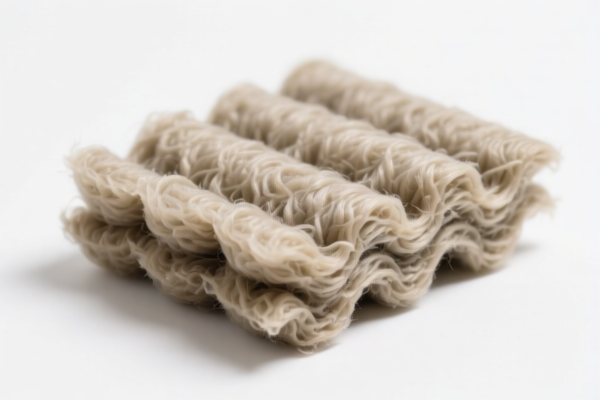
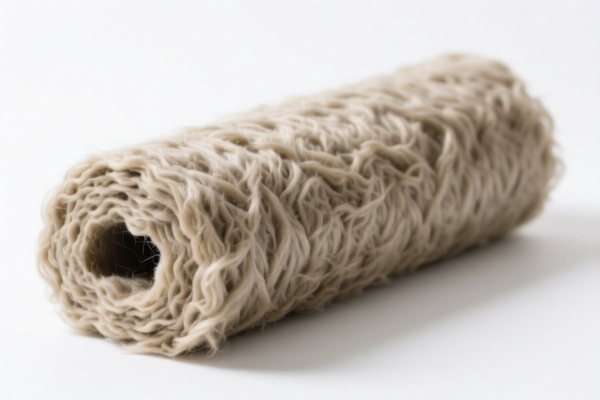
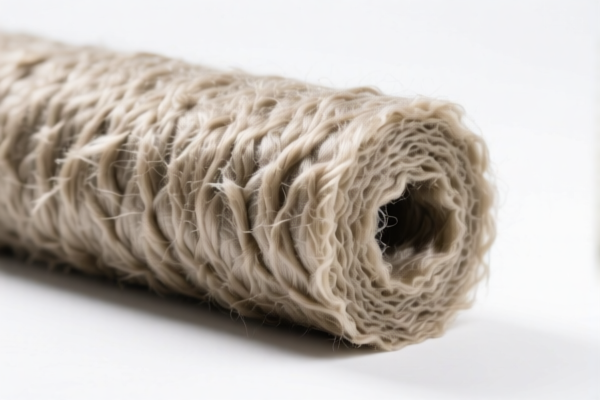
AI Analysis
🏗️ Slag Wool Sound Absorbing Ceiling (Acoustic Panels)
🌐 HS Code Reference & Customs Clearance Guide | 2026 Latest Tariff Analysis | Strategic Entry for Mineral Fiber Ceilings
📌 I. Product Definition & Classification: Is It a "Mineral" or a "Furniture"?
Slag Wool Sound Absorbing Ceiling is a construction material primarily composed of mineral fibers (slag wool) designed for acoustic treatment and thermal insulation in commercial and residential interiors. In international trade, its classification is controversial because it sits at the intersection of building materials and interior furnishings.
The Core Dilemma: 1. Mineral Wool Category (Chapter 68): If viewed strictly as a raw or semi-finished mineral material, it falls under mineral wools. 2. Furniture/Building Component Category (Chapter 94): If viewed as a finished assembly or decorative element, it may be classified as furniture or building parts.
⚠️ Critical Distinction:
- If the product is a loose slab or panel made primarily of mineral wool for acoustic purposes → Likely Chapter 68.
- If the product is a finished ceiling tile with a decorative face, grid integration, or sold as a "building component" for decoration → Likely Chapter 94.
- Misclassification Risk: Choosing the wrong HS Code can lead to unexpected tariff hikes (e.g., from 0% base to 3.9% base, though both have high surcharges).
📦 II. HS Code Classification Details (2026 Latest Tariff Authority Cross-Reference)
Based on the provided data, there are four potential HS Codes for "Slag Wool Sound Absorbing Ceiling." Each reflects a different customs interpretation of the product's nature.
| HS Code | Product Description (Interpretation) | Application Scenario | Basis for Classification |
|---|---|---|---|
6806.10.00.10 |
Slag Wool (Mineral Wool) | Insulation panels, raw acoustic slabs | Material-based: Classified as "Mineral Wool" under Chapter 68 (Other mineral products). |
6806.90.00.10 |
Other Mineral Materials | Non-specific mineral acoustic boards | Material-based: Classified as "Other mineral products" when not specifically slag wool. |
9403.70.80.15 |
Wooden Furniture / Building Decor | Finished ceiling tiles, decorative acoustic panels | End-Use based: Classified as "Furniture of other materials" or building decoration. |
9403.89.60.20 |
Other Furniture Components | Ceiling tiles as part of a furniture/building system | End-Use based: Classified as "Other furniture" made of non-metallic fibers. |
🔍 Key Insight:
- Chapter 68 Codes (6806...) focus on the material composition (Slag/Mineral).
- Chapter 94 Codes (9403...) focus on the function and form (Ceiling decoration/Furniture).
- Warning: While Chapter 68 has a higher base tariff (3.9%), all four options carry significant Additional Tariffs, making the total cost very similar. However, compliance risk varies.
💰 III. 2026 Latest Tariff Rate Breakdown (Including Surcharges & Policy Add-ons)
✅ Applicable Country: United States (US)
✅ Origin: China (CN)
✅ Effective Date: Post-November 2025 (Current Trade Environment)
🎯 1. 6806.10.00.10 – Slag Wool (Mineral Wool)
| Item | Content |
|---|---|
| Base Tariff | 3.9% (Ad Valorem) |
| Section 301 Tariff | +25.0% (USITC Footnote) |
| Section 122 Tariff | +10.0% (Specific Chinese Import Regulation) |
| Total Tariff | 38.9% |
| Tax Calculation | CIF Value × 38.9% |
| De Minimis Exemption | ❌ Not Eligible (Deny de minimis) |
| Legal Basis Path | USITC:6806.10.00.10 → Section 301: 25% → Section 122: 10% |
📌 Explanation:
- This code treats the product as a raw mineral material.
- Base 3.9% is the highest among the options, but the surcharges are identical to others.
- Risk: Customs may demand proof that it is "slag wool" and not a composite board.
🎯 2. 6806.90.00.10 – Other Mineral Materials
| Item | Content |
|---|---|
| Base Tariff | 0.0% (Ad Valorem) |
| Section 301 Tariff | +25.0% |
| Section 122 Tariff | +10.0% |
| Total Tariff | 35.0% |
| Tax Calculation | CIF Value × 35.0% |
| De Minimis Exemption | ❌ Not Eligible |
| Legal Basis Path | USITC:6806.90.00.10 → Section 301: 25% → Section 122: 10% |
📌 Explanation:
- Lower base tariff (0%) makes this slightly cheaper than6806.10.
- Suitable if the product is not strictly defined as "slag wool" but other mineral fibers.
🎯 3. 9403.70.80.15 – Wooden Furniture / Building Decor (Other Materials)
| Item | Content |
|---|---|
| Base Tariff | 0.0% (Ad Valorem) |
| Section 301 Tariff | +25.0% |
| Section 122 Tariff | +10.0% |
| Total Tariff | 35.0% |
| Tax Calculation | CIF Value × 35.0% |
| De Minimis Exemption | ❌ Not Eligible |
| Legal Basis Path | USITC:9403.70.80.15 → Section 301: 25% → Section 122: 10% |
📌 Explanation:
- Classifies the ceiling as a "home decoration" or "building component."
- Risk: High risk of reclassification by CBP if the product is deemed primarily "mineral insulation" rather than "furniture/decor."
🎯 4. 9403.89.60.20 – Other Furniture Components
| Item | Content |
|---|---|
| Base Tariff | 0.0% (Ad Valorem) |
| Section 301 Tariff | +25.0% |
| > Section 122 Tariff | +10.0% |
| Total Tariff | 35.0% |
| Tax Calculation | CIF Value × 35.0% |
| De Minimis Exemption | ❌ Not Eligible |
| Legal Basis Path | USITC:9403.89.60.20 → Section 301: 25% → Section 122: 10% |
📌 Explanation:
- Used as a fallback category for "non-metallic fiber" ceiling components.
- Similar legal and tariff risk to9403.70.
🛠️ IV. Customs Clearance Practical Advice (Pitfall Avoidance Guide)
✅ 1. Documentation Checklist (Non-Negotiable)
| Document | Required? | Purpose |
|---|---|---|
| ✅ Product Specification Sheet | ✔️ | Must detail material composition (e.g., "80% Slag Wool, 20% Binder"). |
| ✅ Material Safety Data Sheet (MSDS) | ✔️ | To prove it is mineral-based and not hazardous. |
| ✅ Product Photos (Front/Side/Edge) | ✔️ | To show if it is a "slab" (Chapter 68) or a "finished tile" (Chapter 94). |
| ✅ Commercial Invoice | ✔️ | Clearly state: "Slag Wool Acoustic Ceiling Panels, HS 6806.10.00.10". |
| ✅ Certificate of Origin | ✔️ | To determine eligibility for any potential exemptions (none currently for CN). |
| ✅ Structure Diagram | ✔️ | If using Chapter 94, show how it integrates into a ceiling system. |
✅ 2. Declaration Strategy (Key Mantras)
🔥 “Material First, If Uncertain, Then Use”
| Scenario | Correct Declaration | Wrong Practice |
|---|---|---|
| Raw Mineral Wool Slabs | 6806.10.00.10 (Mineral Wool) |
Declare as "Ceiling Tile" → Risk of Re-classification to 9403. |
| Finished Decorative Tile | 9403.70.80.15 or 9403.89.60.20 |
Declare as "Raw Wool" → Risk of "Finished Good" penalty. |
| Mixed Bundle (Wool + Grid) | Split Declaration or Primary Purpose | Bundle as one item → Complex valuation. |
| "Acoustic Panel" (Vague Name) | Specific Name + HS Code | Use generic "Building Material" → Delay in Customs. |
✅ 3. Special Considerations
| Situation | Handling Advice |
|---|---|
| OEM Custom Sizes | Provide cut lists and dimensions. If non-standard, it’s more likely "Custom Furniture" (Ch 94). |
| With Facers/Foils | If faced with fiberglass or foam, it may still be Ch 68 if the core is mineral wool. Provide cross-section photos. |
| Import Volume | For large volumes, Apply for Advance Ruling from CBP to fix the HS Code before shipment. |
| Section 232/301/122 | All codes above face 35-39% total tariffs. No duty-free pathway for China-origin slag wool ceilings currently. |
🌍 V. Global Market Comparison (2026 Latest)
| Country/Region | Recommended HS Code | Total Tariff (Approx.) | Notes |
|---|---|---|---|
| 🇺🇸 USA | 6806.10.00.10 or 9403.xx.xx |
35.0% - 38.9% | Heavy surcharges (301 + 122). De Minimis not applicable. |
| 🇨🇳 China | 6806.10.00.10 |
~6-10% | Lower tariffs, no 301/122. Standard import duty. |
| 🇪🇺 EU | 6806.10.00 |
~5-7% | No equivalent to US Section 301. CE marking required for fire safety. |
| 🇬🇧 UK | 6806.10.00 |
~5% | Post-Brexit, standard MFN rates apply. |
| 🇦🇺 Australia | 6806.10.00 |
~5% | No major surcharges. |
📌 Conclusion:
- The US market is significantly more expensive for Chinese-origin slag wool ceilings due to political tariffs.
- All 4 HS Codes in the provided data result in 35-39% total duty.
- Recommendation: If possible, source from non-US-tariffed countries (e.g., Vietnam, Mexico, Thailand) to avoid the 25%+10% surcharges.
📌 VI. Common Errors & Pitfalls (Lessons Learned)
❌ Error 1: Declaring "Slag Wool Ceiling" as "Building Materials" with a generic HS Code
👉 Consequence: Customs holds shipment for re-classification. Potential penalties.
❌ Error 2: Using 9403 codes for raw mineral wool slabs
👉 Consequence: CBP may reject the "Furniture" classification and re-assign to 6806, but with delays.
❌ Error 3: Ignoring Section 122 and 301 Tariffs
👉 Consequence: Budgeting only 3-5% tariff. Actual cost 35%+. Profit margin wiped out!
❌ Error 4: Claiming De Minimis (Section 321) for <800 USD shipments
👉 Consequence: Denied. Mineral wool and certain construction materials are excluded from de minimis under current trade policies for China.
✅ Correct Approach:
“Slag Wool Acoustic Ceiling Panels, Mineral Fiber Core, Decorative Facing, Model XYZ, HS 6806.10.00.10, Origin China.”
🎯 VII. Conclusion: Professional Clearance, Cost Control, Efficiency!
🎯 Remember the Mantra:
🔹 “Mineral Wool = Ch 68, Furniture = Ch 94, Both = High Tariff!”
🔹 “Base Rate Matters Less, Surcharges Kill the Margin!”
🔹 “Pre-Arrangement is Key to Avoiding CBP Holds!”
📌 Pro Tip:
If your supplier can ship from a third country (e.g., Vietnam) with sufficient transformation, you may qualify for preferential tariffs.
For direct China shipments, calculate the 35-39% total cost into your FOB price.
📣 Immediate Action:
📞 Contact your Customs Broker + Provide Cross-Section Photos + Apply for Advance Ruling
🚀 Ensure your Slag Wool Ceilings clear US Customs smoothly, without surprise duties!
✨ Professional clearance starts with accurate classification!
💼 Every percentage point of duty counts!
Customer Reviews
About HS Code Classification
The Harmonized System (HS) is an internationally standardized nomenclature developed by the World Customs Organization (WCO) to classify traded products. Over 200 countries use the HS system as the basis for customs tariffs, trade statistics, and import/export regulations.
Each HS code follows a hierarchical structure:
- Chapter (2 digits) — Broad category of goods (e.g., Chapter 84: Machinery and Mechanical Appliances)
- Heading (4 digits) — More specific grouping within the chapter
- Subheading (6 digits) — Internationally standardized breakdown, used by all WCO member countries
- National subdivisions (8-10 digits) — Country-specific extensions for further classification, such as US HTSUS 10-digit codes
Correct HS code classification is essential for smooth customs clearance, accurate duty payment, and compliance with trade regulations. Misclassification can lead to customs delays, overpayment of duties, or penalties.
When importing from CN to US, the applicable tariff rates may include:
- Most-Favored-Nation (MFN) rate — The standard duty rate applied to WTO members
- General rate — Applied to countries without trade agreements
- Trade remedy duties — Additional tariffs such as Section 301 (anti-dumping), Section 232 (national security), or countervailing duties
The information provided on this page is for reference purposes only. For official classification, please consult with your local customs authority or a licensed customs broker.