Sleep Therapy Device
CN → US| HS Code | Tariff Rate | Origin | Destination | Doc |
|---|---|---|---|---|
| 9019106000 | 10.0% | CN | US | Official Doc |
| 9018907560 | 35.0% | CN | US | Official Doc |
| 9018908000 | 10.0% | CN | US | Official Doc |
| 8543709860 | 37.6% | CN | US | Official Doc |
| 9019102050 | 10.0% | CN | US | Official Doc |
Product Images
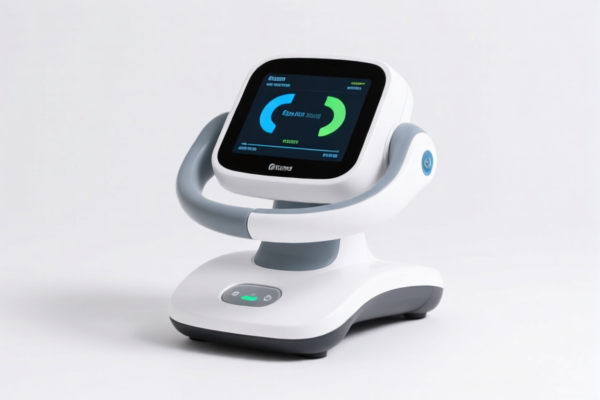
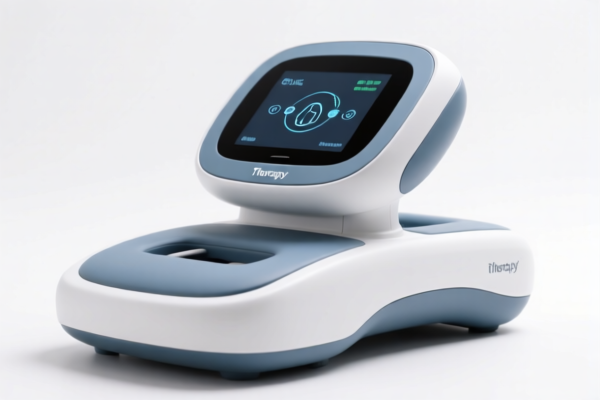
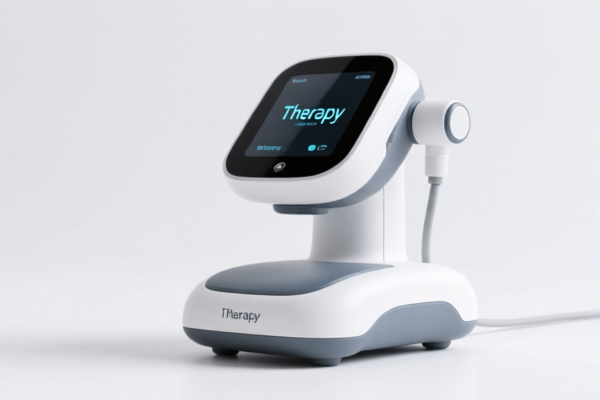
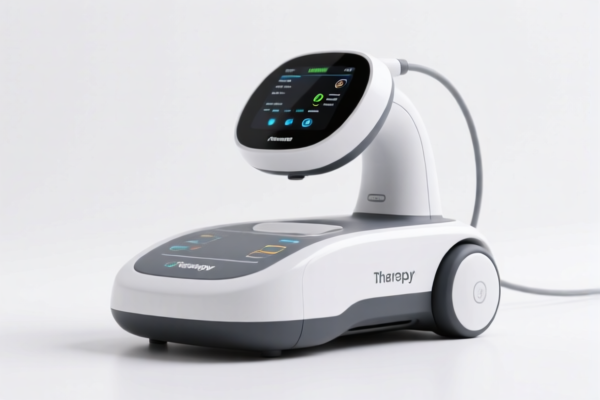
AI Analysis
🧠 Sleep Therapy Device (助眠仪)
🌐 HS Code Reference & Customs Clearance Guide | 2026 Latest Tariff Analysis | Professional Clearance Strategy
📌 Part 1: Product Definition & Classification: Do You Really Understand "Sleep Therapy Devices"?
Sleep therapy devices are electronic or mechanical apparatuses designed to aid sleep through physical, electrical, or acoustic stimulation. In international trade, classification depends entirely on the mechanism of action and functional intent. These devices generally fall into two main categories:
- General Electronic Devices: Devices that do not claim medical therapeutic effects but use general stimulation (vibration, light, sound) for relaxation.
- Medical/Therapeutic Devices: Devices explicitly designed to treat sleep disorders, regulate physiological states via mechanical massage, or deliver electrical nerve stimulation for therapeutic purposes.
⚠️ Key Distinction Point:
- If the device is a general consumer electronics item without specific medical claims → Likely classified under 8543 (Other Electrical Apparatus).
- If the device uses mechanical massage, physical manipulation, or specific electrical nerve stimulation for treatment → Likely classified under 9019 (Mechano-Therapy / Massage Appliances) or 9018 (Medical Instruments).
📦 Part 2: HS Code Classification Details (2026 Latest Tariff Authority Comparison)
| HS Code | Product Description | Applicable Scenario | Tax Rate (CN Origin → US) |
|---|---|---|---|
8543.70.98.60 |
Electrical apparatus with individual functions, not specified elsewhere | General electronic sleep aids, non-medical sleep trackers, simple vibration devices | 37.6% |
9019.10.20.50 |
Mechano-therapy appliances; massage appliances; psychological contrast apparatus | Mechanical sleep aids, vibrating mats, physical regulation devices without medical claims | 10.0% |
8543.70.85.00 |
Other electrical machines and apparatus | Electronic devices using electrical signals/acoustic stimulation for non-medical sleep aid | 35.0% |
9019.10.60.00 |
Other mechano-therapy appliances; psychological contrast apparatus | Mechanical massage sleep devices, physical stimulation for relaxation | 10.0% |
9018.90.75.60 |
Instruments and appliances used in medical, surgical, dental or veterinary sciences | Medical-grade sleep therapy devices, neurological stimulation for sleep disorders | 35.0% |
🔍 Critical Reminder:
- Devices claiming medical therapeutic effects (e.g., treating insomnia as a disorder) are more likely to fall under 9018 or 9019, which may have lower base tariffs but require stricter regulatory compliance (FDA/CE). - Devices marketed as general wellness/consumer electronics often fall under 8543, which may have higher tariffs due to "Section 301" and "IEEPA" surcharges depending on the specific subheading. - Do not misclassify a mechanical massage device as a general electronic device to avoid customs penalties, as the functional description must match the HS code.
💰 Part 3: 2026 Latest Tariff Rate Breakdown (Including Surcharges & Policy Add-ons)
✅ Applicable Country: United States (US)
✅ Origin: China (CN)
✅ Effective Date: 2025 November 10 onwards (including subsequent imports)
🎯 1. 8543.70.98.60 —— Electrical Apparatus (General)
| Item | Details |
|---|---|
| Base Duty Rate | 2.6% (ad valorem) |
| USITC Surcharge (Section 301) | +25% |
| IEEPA Surcharge | +10% |
| Total Duty Rate | 37.6% |
| Calculation Method | CIF Value × 37.6% |
| De Minimis Exemption? | ❌ No (deny_de_minimis) |
| Legal Basis Path | IEEPA:9903.01.25 → IEEPA:9903.01.24 → USITC:8543.70.98.60 → FOOTNOTE:9903.88.01 |
📌 Explanation:
- The 25% surcharge is imposed under US Trade Act Section 301. - The 10% surcharge is imposed under the International Emergency Economic Powers Act (IEEPA) targeting Chinese goods. - Total 37.6%: This is a high tariff category. Proper documentation proving it is not a "medical device" is crucial to avoid further penalties.
🎯 2. 9019.10.20.50 —— Mechano-Therapy/Massage Appliances (Non-Medical Claim)
| Item | Details |
|---|---|
| Base Duty Rate | 0.0% |
| USITC Surcharge (Section 301) | 0.0% (Exempt/Not Applicable for this specific subcode in some contexts, or lower impact) |
| IEEPA Surcharge | +10% |
| Total Duty Rate | 10.0% |
| Calculation Method | CIF Value × 10.0% |
| De Minimis Exemption? | ❌ No (deny_de_minimis) |
| Legal Basis Path | IEEPA:9901.25 → USITC:9019.10.20.50 → FOOTNOTE:9903.01.24 |
📌 Note:
- This code offers the lowest tax burden (10%). - It applies to devices that use mechanical or physical methods to regulate body state (e.g., vibration, pressure) for relaxation, without claiming to cure diseases. - Risk: If Customs determines the device has a therapeutic medical purpose, they may reclassify it to 9018 or 8543, leading to retroactive taxes and fines.
🎯 3. 8543.70.85.00 —— Other Electrical Machines (Electronic Stimulation)
| Item | Details |
|---|---|
| Base Duty Rate | 0.0% |
| USITC Surcharge (Section 301) | +25% |
| IEEPA Surcharge | +10% |
| Total Duty Rate | 35.0% |
| Calculation Method | CIF Value × 35.0% |
| De Minimis Exemption? | ❌ No (deny_de_minimis) |
| Legal Basis Path | IEEPA:9903.01.25 → IEEPA:9903.01.24 → USITC:8543.70.85.00 → FOOTNOTE:9903.88.01 |
📌 Explanation:
- Applies to devices using electrical signals or acoustic stimulation that do not fit the "medical instrument" definition. - Common for TENS-like sleep aids marketed for "relaxation" rather than "treatment." - Total 35%: Significantly higher than mechanical devices. Justification must be strong that it is not a medical device.
🎯 4. 9019.10.60.00 —— Other Mechano-Therapy Appliances
| Item | Details |
|---|---|
| Base Duty Rate | 0.0% |
| USITC Surcharge (Section 301) | 0.0% |
| IEEPA Surcharge | +10% |
| Total Duty Rate | 10.0% |
| Calculation Method | CIF Value × 10.0% |
| De Minimis Exemption? | ❌ No (deny_de_minimis) |
| Legal Basis Path | IEEPA:9901.25 → USITC:9019.10.60.00 → FOOTNOTE:9903.01.24 |
📌 Note:
- Similar to9019.10.20.50, this code benefits from 0% base and 0% Section 301 surcharges, only incurring the 10% IEEPA tariff. - Ideal for mechanical sleep aids (e.g., weighted blankets with vibration, mechanical massage pillows) that avoid electrical nerve stimulation claims.
🎯 5. 9018.90.75.60 —— Medical Instruments
| Item | Details |
|---|---|
| Base Duty Rate | 0.0% |
| USITC Surcharge (Section 301) | +25% |
| IEEPA Surcharge | +10% |
| Total Duty Rate | 35.0% |
| Calculation Method | CIF Value × 35.0% |
| De Minimis Exemption? | ❌ No (deny_de_minimis) |
| Legal Basis Path | IEEPA:9903.01.25 → IEEPA:9903.01.24 → USITC:9018.90.75.60 → FOOTNOTE:9903.88.01 |
📌 Warning:
- This is for medical-grade devices. - Despite a 0% base rate, the 25% Section 301 and 10% IEEPA surcharges bring the total to 35%. - Crucial: Requires FDA clearance (510(k) or De Novo). Misdeclaring a medical device as a consumer good can result in severe penalties, seizure, or ban.
🛠️ Part 4: Customs Clearance Practical Advice (Pitfall Avoidance Guide)
✅ 1. Document Checklist (Mandatory)
| Document | Required | Description |
|---|---|---|
| ✅ Product Specification Sheet | ✔️ | Must detail mechanism (electrical vs. mechanical), power supply, and absence of medical claims if using 8543/9019 non-medical codes. |
| ✅ Circuit/Structure Diagram | ✔️ | Proves whether the device contains medical-grade nerve stimulation components. |
| ✅ Product Photos (Labeled) | ✔️ | Clear view of model, brand, input/output parameters, and any warning labels. |
| ✅ Third-Party Test Report | ✔️ | FCC (for electronic), CE/RoHS. If medical, FDA 510(k) clearance certificate is mandatory. |
| ✅ Commercial Invoice | ✔️ | Must explicitly state: "Sleep Aid Device for Relaxation, Not for Medical Treatment" (if claiming non-medical). |
| ✅ Certificate of Origin (CO) | ✔️ | Needed for any potential preferential treatments (though limited for CN origin in this category). |
| ✅ Packing List | ✔️ | Details whole unit vs. accessories. Do not split a complete device into parts to evade tariff. |
✅ 2. Declaration Strategy (Key Mnemonics)
🔥 “Mechanical is Cheaper, Electronic is Riskier, Medical Needs Proof!”
| Scenario | Correct Declaration | Wrong Practice |
|---|---|---|
| Vibration/Massage Pillow | 9019.10.20.50 or 9019.10.60.00 |
Misdeclare as electronic → 35-37.6% |
| Electrical Nerve Stimulator (Consumer) | 8543.70.85.00 |
Claim medical without FDA docs → Seizure |
| General Sleep Tracker/Wearable | 8543.70.98.60 |
Misdeclare as medical → High duty + Legal risk |
| FDA-Cleared Insomnia Treatment Device | 9018.90.75.60 |
Hide medical purpose → Fraud |
| Device + Accessories | Declare as Whole | Split申报 → Each part taxed separately, potentially higher |
✅ 3. Special Case Handling
| Scenario | Handling Advice |
|---|---|
| OEM Custom Sleep Aid | Provide client order + design drawings. Prove no medical claims if using lower tariff codes. |
| TENS Unit for Sleep | If marketed for "pain relief" or "nerve stimulation," it may be classified as medical (9018) or electrical apparatus (8543). Ensure consistent marketing. |
| Sound/White Noise Machine | Likely 8543.70.98.60. Simple audio playback, no biological stimulation. |
| Medical Device for Sleep Apnea | Must be declared as medical (9018 or 9019 medical subheadings). Requires FDA pre-market approval. |
🌍 Part 5: Global Market Clearance Comparison (2026 Latest)
| Country/Region | Recommended HS Code | Duty Rate | Certification | Notes |
|---|---|---|---|---|
| 🇺🇸 USA | 9019.10.20.50 (Mechanical) |
10% | FCC + RoHS | Best for non-medical mechanical aids |
| 🇺🇸 USA | 8543.70.98.60 (Electronic) |
37.6% | FCC + RoHS | High tariff for electronic sleep aids |
| 🇨🇳 China | 9019.10.20.50 |
0-5% | CCC | Low domestic/import tax |
| 🇪🇺 EU | 9019.10.20.50 |
0% (if compliant) | CE + RoHS | Low duty if non-medical |
| 🇦🇺 Australia | 9019.10.20.50 |
5% | RCM | Low duty |
| 🇯🇵 Japan | 9019.10.20.50 |
0-5% | PSE/MHLW | Check medical device classification |
📌 Conclusion:
- USA has the highest variance: Mechanical/non-medical (9019) is significantly cheaper (10%) than electronic/medical (8543/9018) (35-37.6%). - Strategic Tip: If your device is purely mechanical (vibration, massage), aim for 9019. If it uses electronics, prepare for 35%+ duties unless you can prove specific exemptions.
📌 Part 6: Common Errors & Pitfalls (Lessons Learned)
❌ Error 1: Calling a "Medical Sleep Device" a "Sleep Aid Gadget" to avoid FDA.
👉 Consequence: Customs seizure, FDA warning letters, and potential criminal charges.
❌ Error 2: Splitting a "Vibrating Mattress" into "Mattress" + "Controller" to lower duty.
👉 Consequence: Customs will combine them. Each part might be taxed separately, leading to higher total duty and delays.
❌ Error 3: Using 8543 for a device that clearly performs mechanical massage.
👉 Consequence: Re-classification to 9019 by customs. If deemed "misdeclaration," penalties apply.
❌ Error 4: Ignoring IEEPA 10% surcharge in cost calculation.
👉 Consequence: Profit margin erosion. Always include 10% IEEPA + 25% Section 301 (if applicable) in Landed Cost models.
✅ Correct Practice:
"Sleep Relaxation Device, Vibrating, Non-Medical, Model XYZ, FCC Certified, For Consumer Wellness Use Only"
🎯 Part 7: Conclusion: Precise Classification for Cost Efficiency!
🎯 Remember the Mnemonics:
🔹 "Mechanical 10%, Electronic 35%, Medical 35% + FDA!"
🔹 "HS Code dictates tax, Declaration must match Function, Marketing must match Label!"
📌 Pro Tip:
If your device is originally from Vietnam, Mexico, or Thailand, you may qualify for IEEPA Exemptions, reducing duties to 0-5%.
Recommendation: Apply for a Binding Tariff Ruling (BTR) before shipment to ensure correct HS Code classification and avoid customs audits.
📣 Immediate Action:
📞 Contact a licensed customs broker + Provide Product Images + Apply for HS Code Pre-Ruling
🚀 Ensure smooth clearance, maximize profit, and stay compliant!
✨ Professional Clearance Starts with Accurate Classification!
💼 Every cent of duty cost is calculated precisely!
Customer Reviews
About HS Code Classification
The Harmonized System (HS) is an internationally standardized nomenclature developed by the World Customs Organization (WCO) to classify traded products. Over 200 countries use the HS system as the basis for customs tariffs, trade statistics, and import/export regulations.
Each HS code follows a hierarchical structure:
- Chapter (2 digits) — Broad category of goods (e.g., Chapter 84: Machinery and Mechanical Appliances)
- Heading (4 digits) — More specific grouping within the chapter
- Subheading (6 digits) — Internationally standardized breakdown, used by all WCO member countries
- National subdivisions (8-10 digits) — Country-specific extensions for further classification, such as US HTSUS 10-digit codes
Correct HS code classification is essential for smooth customs clearance, accurate duty payment, and compliance with trade regulations. Misclassification can lead to customs delays, overpayment of duties, or penalties.
When importing from CN to US, the applicable tariff rates may include:
- Most-Favored-Nation (MFN) rate — The standard duty rate applied to WTO members
- General rate — Applied to countries without trade agreements
- Trade remedy duties — Additional tariffs such as Section 301 (anti-dumping), Section 232 (national security), or countervailing duties
The information provided on this page is for reference purposes only. For official classification, please consult with your local customs authority or a licensed customs broker.