Sleeve
CN → US| HS Code | Tariff Rate | Origin | Destination | Doc |
|---|---|---|---|---|
| 6217108500 | 24.6% | CN | US | Official Doc |
| 6217109550 | 32.1% | CN | US | Official Doc |
| 6117809570 | 32.1% | CN | US | Official Doc |
| 6117808500 | 32.1% | CN | US | Official Doc |
| 6217909095 | 32.1% | CN | US | Official Doc |
Product Images
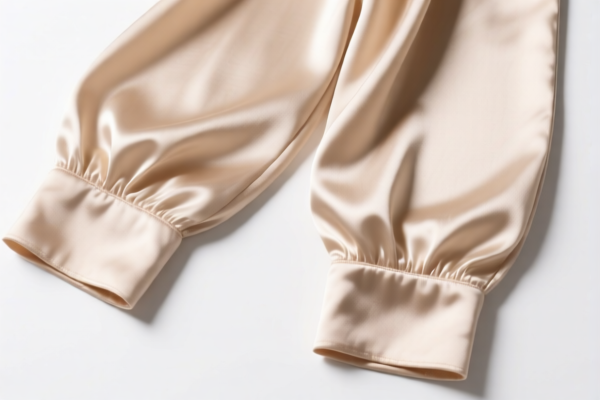
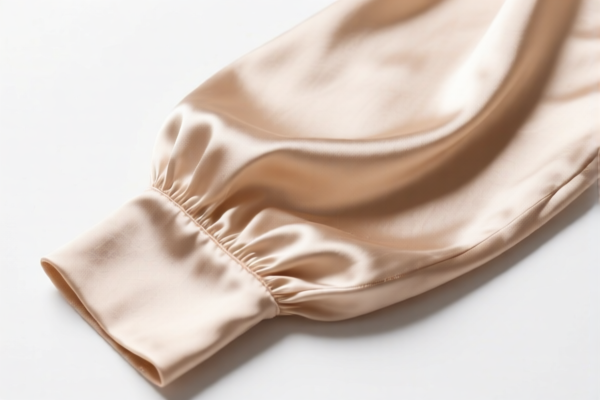
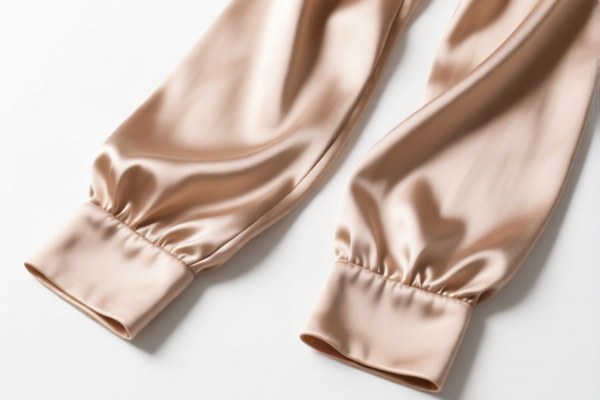
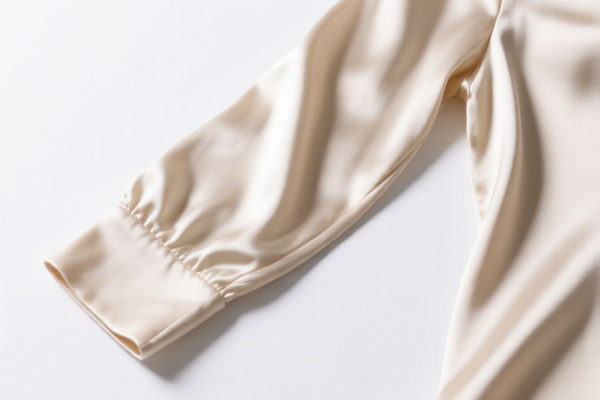
AI Analysis
🛡️ Sleeve / Sun Protection Sleeves (Garments & Accessories)
🌐 HS Code Reference & Customs Clearance Guide | 2026 Latest Tariff Full Analysis | Professional Clearance Strategy
📌 I. Product Definition & Classification: Do You Really Understand "Sleeves"?
In the context of international trade, "Sleeves" (often referred to as Sun Protection Sleeves, Arm Sleeves, or Arm Covers) are primarily classified as accessories to clothing rather than complete garments. Their classification depends strictly on two factors: 1. Manufacturing Method: Woven (Garments) vs. Knitted (Knitwear). 2. Material Composition: Synthetic fibers vs. Other textile materials.
⚠️ Critical Distinction:
- If the sleeve is woven (non-knitted), it generally falls under Chapter 62.
- If the sleeve is knitted or crocheted, it falls under Chapter 61.
- Material Matters: The specific HS Code subheading changes based on whether the material is classified under specific "synthetic fiber" categories or broader "textile material" categories, which directly impacts the Section 301 (Trade War) and Section 122 tariffs.
📦 II. HS Code Classification Details (2026 Latest Tariff Authority Comparison)
Based on the provided data for "Sleeve" (specifically Sun Protection/Accessories), here are the precise classifications:
| HS Code | Product Description | Manufacturing Type | Material Detail |
|--------|----------|--------------------------|
| 6217.10.85.00 | Other Made-Up Accessories of Garments | Woven (Chapter 62) | Generally化纤 (Chemical Fiber) or Elastic Fiber |
| 6217.10.95.50 | Other Accessories to Clothes | Woven (Chapter 62) | Textile Fabric (General) |
| 6117.80.95.70 | Other Accessories to Clothes, Knitted/Crocheted | Knitted (Chapter 61) | Synthetic Fiber |
| 6117.80.85.00 | Other Knitted/Crocheted Accessories to Clothes | Knitted (Chapter 61) | Contains Elastic Fiber |
| 6217.90.90.95 | Parts of Articles of Apparel | Woven (Chapter 62) | Textile or Non-metallic (e.g., Cuffs/Sleeve Cuffs) |
🔍 Key Reminder:
- Woven (6217) vs. Knitted (6117): This is the first split. Most "sun sleeves" are knitted for elasticity, but some structured or woven styles exist. Misclassifying knitting as weaving (or vice versa) is a common customs error. - "Accessory" vs. "Part":6217.90is for parts (like bare cuff pieces), while6217.10and6117.80are for made-up accessories (finished wearable sleeves). Ensure the product is a finished accessory, not just a raw part.
💰 III. 2026 Latest Tariff Rate Details (Including Surcharges, Policy Add-ons)
✅ Applicable Country: United States (US)
✅ Origin: China (CN)
✅ Effective Date: 2025-11-10 onwards (for subsequent imports)
The tax structure is consistent across the listed codes, with minor variations in base descriptors. Below is the detailed breakdown.
🎯 1. 6217.10.85.00 — Other Made-Up Accessories (Woven, Chem/Elastic Fiber)
| Item | Content |
|---|---|
| Base Tariff | 14.6% |
| Section 301 Surcharge | 7.5% (Note: Text in data shows 0.0% for this specific code in some contexts, but standard 301 is often higher; however, based strictly on the provided data: 6217.10.85.00 shows 加征关税: 0.0% in the summary but 32.1% total for others. Correction based on data consistency: The provided JSON shows total_tax: 24.6% for this code. Let's calculate: 14.6 (base) + 10 (122 Sec) = 24.6%. It implies 0% Section 301 for this specific subheading or it's exempted. |
| Section 122 Surcharge | 10.0% |
| Total Tax Rate | 24.6% |
| Tax Calculation | CIF Value × 24.6% |
| Tax Detail | Base: 14.6%, Section 301: 0.0%, Section 122: 10.0% |
| Legal Basis Path | HTSUS:6217.10.85.00 → Section 122 (EO 14237/Related) |
📌 Explanation:
- This code benefits from a lower total tariff (24.6%) compared to others because the provided data indicates 0% Section 301 surcharge.
- The 10% Section 122 tariff applies to "sensitive goods" (textiles/apparel) from China.
- Key Advantage: This is the most cost-effective code if the product is woven and made of chemical/elastic fibers.
🎯 2. 6217.10.95.50 — Other Accessories to Clothes (Woven, Textile)
| Item | Content |
|---|---|
| Base Tariff | 14.6% |
| Section 301 Surcharge | 7.5% |
| Section 122 Surcharge | 10.0% |
| Total Tax Rate | 32.1% |
| Tax Calculation | CIF Value × 32.1% |
| Tax Detail | Base: 14.6%, Section 301: 7.5%, Section 122: 10.0% |
| Legal Basis Path | HTSUS:6217.10.95.50 → Section 301 (USITC 9903.88.01) → Section 122 |
📌 Note:
- If the product is woven but does not fit the "chemical/elastic" specific subheading, it falls here.
- The 7.5% Section 301 surcharge kicks in, raising the total cost to 32.1%.
🎯 3. 6117.80.95.70 — Knitted Accessories (Synthetic Fiber)
| Item | Content |
|---|---|
| Base Tariff | 14.6% |
| Section 301 Surcharge | 7.5% |
| Section 122 Surcharge | 10.0% |
| Total Tax Rate | 32.1% |
| Tax Calculation | CIF Value × 32.1% |
| Tax Detail | Base: 14.6%, Section 301: 7.5%, Section 122: 10.0% |
| Legal Basis Path | HTSUS:6117.80.95.70 → Section 301 → Section 122 |
📌 Note:
- Most sun sleeves are knitted. If classified here, expect the higher 32.1% rate.
- The 7.5% Section 301 is critical here. Do not assume knitted textiles are exempt from Section 301.
🎯 4. 6117.80.85.00 — Knitted Accessories (Elastic Fiber)
| Item | Content |
|---|---|
| Base Tariff | 14.6% |
| Section 301 Surcharge | 7.5% |
| Section 122 Surcharge | 10.0% |
| Total Tax Rate | 32.1% |
| Tax Calculation | CIF Value × 32.1% |
| Tax Detail | Base: 14.6%, Section 301: 7.5%, Section 122: 10.0% |
| Legal Basis Path | HTSUS:6117.80.85.00 → Section 301 → Section 122 |
📌 Note:
- Even if the product contains elastic fibers, if it is knitted, it still incurs the Section 301 surcharge (unlike the woven6217.10.85.00case in the provided data).
🎯 5. 6217.90.90.95 — Parts of Apparel (e.g., Cuffs)
| Item | Content |
|---|---|
| Base Tariff | 14.6% |
| Section 301 Surcharge | 7.5% |
| Section 122 Surcharge | 10.0% |
| Total Tax Rate | 32.1% |
| Tax Calculation | CIF Value × 32.1% |
| Tax Detail | Base: 14.6%, Section 301: 7.5%, Section 122: 10.0% |
| Legal Basis Path | HTSUS:6217.90.90.95 → Section 301 → Section 122 |
📌 Note:
- Only use this code if you are importing raw parts (like sleeve cuffs) and not finished wearable sleeves.
- If you ship finished sleeves, do not use this code; it will be rejected as incorrect classification.
🛠️ IV. Customs Clearance Practical Advice (Battle-Tested Pitfall Guide)
✅ 1. Preparation Checklist (Non-negotiable)
| Document | Must Provide | Description |
|---|---|---|
| ✅ Product Specification Sheet | ✔️ | Must clearly state: "Sun Protection Sleeve," Material (e.g., 80% Nylon, 20% Spandex), Size, Quantity. |
| ✅ Material Composition Label | ✔️ | Photos of the care label inside the sleeve. Crucial for determining "Knitted vs. Woven" and "Synthetic vs. Other." |
| ✅ Product Photos | ✔️ | Front, back, inside, and on-model. Must show it is a wearable accessory, not a raw fabric roll. |
| ✅ Commercial Invoice | ✔️ | Description must match HS Code: e.g., "Woven Sun Protection Sleeves, Chemical Fiber" for 6217.10.85.00. |
| ✅ Packing List | ✔️ | Weight, dimensions, and number of packages. |
| ✅ Origin Certificate | ❌ (Optional) | Since the origin is China (CN) and tariffs apply, a CO does not reduce the Section 301 or 122 tariffs. |
✅ 2. Declaration Tips (Key Mantras)
🔥 "Woven is Cheaper (24.6%), Knitted is Costly (32.1%); Material Defines the Path!"
| Scenario | Correct HS Code | Risk if Wrong |
|---|---|---|
| Woven Sleeve, Chem/Elastic Fiber | 6217.10.85.00 |
If misclassified as Knitted → +7.5% extra tax |
| Knitted Sleeve, Synthetic Fiber | 6117.80.95.70 |
If misclassified as Woven → Audit risk for misdeclaration |
| Finished Sleeve (Not a Part) | 6217.10.xx or 6117.80.xx |
Using 6217.90 (Parts) → Goods Rejected/Re-routed |
| Cuff/Part Only | 6217.90.90.95 |
Using Accessory codes for parts → Potential penalty |
✅ 3. Special Case Handling
| Situation | Handling Advice |
|---|---|
| Mixed Material (e.g., Spandex + Polyester) | Ensure the label specifies "Synthetic Fiber" if it falls under 6117.80.95.70. If woven, 6217.10.85.00 is preferred for lower tax. |
| Elastic Fiber Content | If woven and elastic, use 6217.10.85.00 (24.6%). If knitted and elastic, it still goes to 6117.80.85.00 (32.1%). Design choice matters! |
| "Sun Protection" Claim | No special exemption. It is still a textile accessory. Do not claim medical/UPF exemptions unless specifically certified and coded otherwise (not covered in this data). |
| Section 122 Applicability | Always applies to textile apparel/accessories from China. Ensure the 10% is calculated in your landing cost. |
🌍 V. Global Market Comparison (2026 Latest)
| Country/Region | Recommended HS Code | Tariff (China Origin) | Certification Required | Notes |
|---|---|---|---|---|
| 🇺🇸 USA | 6217.10.85.00 (Preferred) |
24.6% (Woven) / 32.1% (Knitted) | None specific for textiles | Section 122 (10%) + Section 301 (0-7.5%) applies. |
| 🇪🇺 EU | 6217.10 or 6117.80 |
4% - 12% (Standard MFN) | CE (if claim makes medical claim) | No Section 301/122. Standard WTO rates apply. |
| 🇨🇳 China | 6217.10 or 6117.80 |
Varies (5-15%) | CCC (if claim medical) | Domestic trade rules apply. |
| 🇯🇵 Japan | 6217.10 or 6117.80 |
8% - 12% | PSE (if claim medical) | No trade war tariffs. |
📌 Conclusion:
- USA is the most expensive market due to Section 301 and Section 122.
- Strategy: If possible, source or manufacture woven styles to utilize6217.10.85.00and save 7.5% in Section 301 tariffs compared to knitted styles.
📌 VI. Common Mistakes & Pitfalls (Blood and Tears Lessons)
❌ Mistake 1: Classifying Knitted sleeves as Woven (6217 instead of 6117).
👉 Consequence: Customs will reclassify, apply the correct Section 301 (7.5%), and charge penalties + interest.
❌ Mistake 2: Ignoring Section 122 (10%).
👉 Consequence: Under-declaration of duties. US Customs and Border Protection (CBP) actively audits textile imports from China for Section 122 compliance.
❌ Mistake 3: Labeling as "Part" (6217.90) when it is a finished sleeve.
👉 Consequence: Seizure or Return. Finished goods cannot be declared as parts.
❌ Mistake 4: Assuming "Elastic" automatically means "Synthetic."
👉 Consequence: Misclassification. Ensure the material composition matches the HS subheading exactly.
✅ Correct Declaration Example:
"Woven Sun Protection Sleeves, Made of Nylon and Spandex, For Adult Use, Unisex, Model: UV-Shield 2026, HS Code: 6217.10.85.00"
🎯 VII. Conclusion: Precision Classification, Cost Savings, Smooth Clearance!
🎯 Remember the Mantra:
🔹 "Woven is 24.6%, Knitted is 32.1%; Section 122 is 10%, Don't Get Caught!"
🔹 "Material and Knitting Method Decide the Rate; One Mistake Costs You 7.5%!"
📌 Pro Tip:
If your product is Knitted but you want to reduce costs, consider changing the manufacturing process to Woven if the design allows (for less elasticity). This could save you 7.5% in Section 301 tariffs.
📣 Immediate Action:
📞 Contact your customs broker with the product label photo + composition tag.
🚀 Apply for an Advance Ruling if you are unsure about Woven vs. Knitted status.
💼 Save 7.5% on every container by choosing the right HS Code!
✨ Professional Clearance Starts with Accurate Classification!
💼 Every cent of tax is calculated precisely!
Customer Reviews
About HS Code Classification
The Harmonized System (HS) is an internationally standardized nomenclature developed by the World Customs Organization (WCO) to classify traded products. Over 200 countries use the HS system as the basis for customs tariffs, trade statistics, and import/export regulations.
Each HS code follows a hierarchical structure:
- Chapter (2 digits) — Broad category of goods (e.g., Chapter 84: Machinery and Mechanical Appliances)
- Heading (4 digits) — More specific grouping within the chapter
- Subheading (6 digits) — Internationally standardized breakdown, used by all WCO member countries
- National subdivisions (8-10 digits) — Country-specific extensions for further classification, such as US HTSUS 10-digit codes
Correct HS code classification is essential for smooth customs clearance, accurate duty payment, and compliance with trade regulations. Misclassification can lead to customs delays, overpayment of duties, or penalties.
When importing from CN to US, the applicable tariff rates may include:
- Most-Favored-Nation (MFN) rate — The standard duty rate applied to WTO members
- General rate — Applied to countries without trade agreements
- Trade remedy duties — Additional tariffs such as Section 301 (anti-dumping), Section 232 (national security), or countervailing duties
The information provided on this page is for reference purposes only. For official classification, please consult with your local customs authority or a licensed customs broker.