Sleeves
CN → US| HS Code | Tariff Rate | Origin | Destination | Doc |
|---|---|---|---|---|
| 6217909095 | 32.1% | CN | US | Official Doc |
| 6117909020 | 32.1% | CN | US | Official Doc |
| 6117909035 | 32.1% | CN | US | Official Doc |
| 6217909075 | 24.6% | CN | US | Official Doc |
| 6117909020 | 32.1% | CN | US | Official Doc |
Product Images
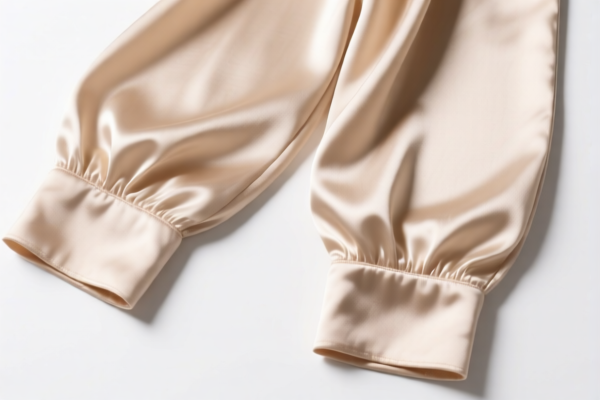
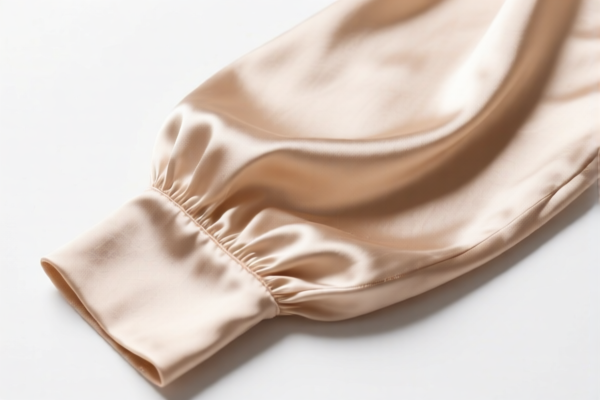
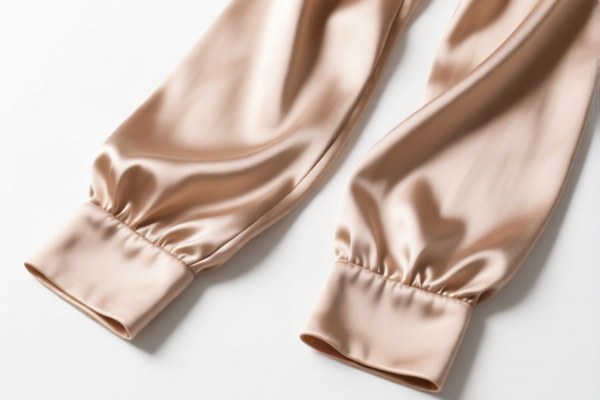
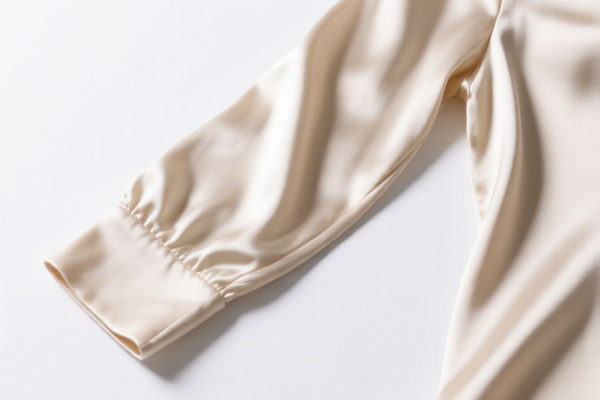
AI Analysis
🧵 Cuffs (Garment Accessories) – The Unsung Heroes of Apparel Supply Chains
🌐 HS Code Reference & Customs Clearance Guide | 2026 Latest Tariff Analysis | Professional Clearance Strategy for "Cuffs/Sleeves"
📌 Part 1: Product Definition & Classification – Do You Really Understand "Cuffs"?
In the apparel industry, "Cuffs" (or cuffs of sleeves) are critical components of garments. They are not standalone clothing items but rather accessories or parts of garments. Their classification depends heavily on: 1. Material: Knitted vs. Woven. 2. Usage: Whether they are specifically identified as garment parts.
⚠️ Key Distinction:
- If the cuffs are knitted or crocheted (e.g., ribbed knit cuffs on sweaters or t-shirts), they fall under Chapter 61.
- If the cuffs are woven or made of other textiles (e.g., formal shirt cuffs), they fall under Chapter 62.
- Note: The provided data suggests a high probability of cotton or common textile materials, which heavily influences the final HS Code selection.
📦 Part 2: HS Code Classification Details (Based on Provided Data)
The following HS Codes are derived from the specific summary data provided for "Cuffs" (袖口). These codes reflect different interpretations of material (knitted vs. woven) and specific sub-category definitions.
| HS Code | Product Description & Logic | Applicable Scenario | Tax Rate Profile |
|---|---|---|---|
6117.90.90.20 |
Knitted/Crocheted Garment Accessory: Cuffs inferred as cotton-based knitted parts. | Knitted sweaters, t-shirts, athletic wear cuffs. | 32.1% (High) |
6117.90.90.35 |
Other Knitted/Crocheted Parts: Cuffs defined as parts with other uses, knitted/crocheted material. | Generic knitted cuffs, non-cotton knitted blends. | 32.1% (High) |
6217.90.90.95 |
Other Made-Up Clothing Accessories: Non-knitted/woven parts, inferred as textile/non-metallic. | Woven shirts, formal wear cuffs, non-knit accessories. | 32.1% (High) |
6217.90.90.75 |
Woven Garment Parts/Accessories: Cuffs inferred as cotton or common woven textiles. | Formal shirt cuffs, woven garment trims. | 24.6% (Medium) |
🔍 Critical Note:
- The main difference between Chapter 61 and Chapter 62 is Knitting vs. Weaving.
- Chapter 61 (6117.90) applies to knitted/crocheted items.
- Chapter 62 (6217.90) applies to non-knitted (woven or made-up) items.
- The variation in the last 4 digits (e.g.,.20,.35,.75,.95) reflects specific national sub-classifications (often US HTSUS or similar) based on exact material composition (e.g., cotton vs. synthetic) and specific use.
💰 Part 3: 2026 Latest Tariff Rate Breakdown (Including Surcharges & Policy Add-ons)
✅ Applicable Country: USA (US)
✅ Country of Origin: China (CN)
✅ Effective Date: 2025/2026 (Based on current trade policies)
🎯 1. High Tariff Scenarios: HS Codes 6117.90.90.20, 6117.90.90.35, 6217.90.90.95
Total Tax Rate: 32.1%
| Component | Rate | Source/Explanation |
|---|---|---|
| Base Duty | 14.6% | Standard Most Favored Nation (MFN) duty for garment accessories. |
| Section 301 Surcharge | 7.5% | Additional tariff under Section 301 (Trade War) for specific textile categories. |
| Section 122 Tariff | 10.0% | Specific additional tariff (often related to specific trade remedy or policy actions). |
| Total | 32.1% | Sum of 14.6% + 7.5% + 10% |
📌 Explanation:
- This is the standard high-rate category for most cotton and blended textile accessories from China.
- The Section 122 and Section 301 surcharges are mandatory and cannot be avoided unless the product qualifies for an exemption (which is rare for standard apparel accessories).
🎯 2. Medium Tariff Scenario: HS Code 6217.90.90.75
Total Tax Rate: 24.6%
| Component | Rate | Source/Explanation |
|---|---|---|
| Base Duty | 14.6% | Standard MFN duty. |
| Section 301 Surcharge | 0.0% | Exempt or Not Applied in this specific sub-category. |
| Section 122 Tariff | 10.0% | Specific additional tariff still applies. |
| Total | 24.6% | Sum of 14.6% + 0% + 10% |
📌 Explanation:
- This code offers a 7.5% savings compared to the other codes.
- This typically applies to specific woven accessories that are exempted from Section 301 or classified differently under national sub-headings.
- Verification Required: You must confirm if your specific woven cuff qualifies for this exemption.
🛠️ Part 4: Customs Clearance Practical Advice (Pitfall Avoidance Guide)
✅ 1. Required Documentation Checklist
| Document | Mandatory? | Purpose |
|---|---|---|
| Product Specification Sheet | ✅ Yes | Must specify Material (Cotton/Polyester/etc.) and Structure (Knitted/Woven). |
| Photos of Cuffs | ✅ Yes | Show close-ups of the fabric texture (knit vs. weave) and any labels. |
| Commercial Invoice | ✅ Yes | Clearly state "Garment Cuffs" or "Sleeve Cuffs" and declare HTS Code accurately. |
| Packing List | ✅ Yes | Ensure cuffs are not declared as separate "garments" to avoid misclassification. |
| Origin Certificate | ❌ Optional | If claiming preferential treatment under any FTAs (unlikely for China-US currently). |
✅ 2. Declaration Tips (Key Mantra)
🔥 “Material Defines Chapter, Usage Defines Code, Don’t Split the Shipment!”
| Scenario | Correct Declaration | Risk of Error |
|---|---|---|
| Knitted Cuffs (Ribbed, stretchy) | 6117.90.90.20 or 6117.90.90.35 |
Misclassifying as woven → 32.1% vs 24.6% (potential duty difference). |
| Woven Cuffs (Stiff, formal) | 6217.90.90.75 or 6217.90.90.95 |
Misclassifying as knitted → Overpayment or underpayment penalties. |
| Mixed Shipment | Declare each type separately | Mixed HS codes in one line item → Customs hold/audit risk. |
✅ 3. Special Considerations
| Situation | Advice |
|---|---|
| Material Ambiguity | If you are unsure if it’s knitted or woven, provide fabric swatches to your customs broker. This is the #1 cause of misclassification. |
| Section 301 Exemption | Check if your specific product code is on the Section 301 Exclusion List. If not, you will pay the 7.5% surcharge. |
| Section 122 Tariff | This 10% tariff is often non-negotiable for most Chinese textile accessories. Plan for it in your cost structure. |
🌍 Part 5: Global Market Comparison (2026)
| Market | Likely HS Code (Similar) | Est. Duty Rate (China) | Notes |
|---|---|---|---|
| 🇺🇸 USA | 6117.90.90 / 6217.90.90 |
24.6% – 32.1% | High due to Section 301 & 122. |
| 🇨🇳 China (Export) | Varies | 0-10% | Export duties vary by material. |
| 🇪🇺 EU | 6117.90 / 6217.90 |
~3.7% | Standard EU duty, no Section 301/122. |
| 🇬🇧 UK | 6117.90 / 6217.90 |
~3.7% | Post-Brexit standard duty. |
| 🇨🇦 Canada | 6117.90 / 6217.90 |
~5-12% | No Section 301, but standard duties apply. |
📌 Conclusion:
- USA is the most expensive market for cuffs due to trade war surcharges.
- EU and UK are more cost-effective, but still require accurate material declaration.
- Always calculate landed cost including all surcharges before pricing.
📌 Part 6: Common Errors & Pitfalls (Lessons Learned)
❌ Error 1: Declaring "Cuffs" as "Sweaters" or "Shirts"
👉 Consequence: Misclassification → 32.1% or higher, plus potential fines for false declaration.
❌ Error 2: Ignoring the Knitted vs. Woven distinction
👉 Consequence: Customs may reject the declaration, leading to delays, storage fees, and re-classification penalties.
❌ Error 3: Assuming all Chapter 61/62 codes have the same tax rate
👉 Consequence: Missing out on the 24.6% rate by not verifying eligibility for 6217.90.90.75.
❌ Error 4: Not accounting for Section 122 (10%) in cost estimates
👉 Consequence: Unexpected cost increase → Reduced profit margin.
✅ Correct Practice:
“100% Cotton Knitted Cuffs, Ribbed, for T-Shirts” →
6117.90.90.20
“Woven Cotton Cuffs, Non-Stretch, for Dress Shirts” →6217.90.90.75
🎯 Part 7: Conclusion – Precision in Classification Saves Money
🎯 Remember the Mantra:
🔹 “Knit is 61, Weave is 62. Section 301 adds 7.5, Section 122 adds 10. Verify your material, avoid the 32.1% trap!”
🔹 “HS Code is destiny. A 7.5% difference can make or break your profit margin.”
📌 Pro Tip:
If your cuffs are made from specific exempt materials or if you have a Section 301 Exclusion, apply for it before shipment. Even a small exemption can save hundreds of dollars per container.
📣 Immediate Action:
📞 Consult your customs broker with fabric swatches.
📄 Verify the exact HS Code for your specific material blend.
🚀 Clear customs smoothly, protect your margin, and scale your apparel business!
✨ Professional clearance starts with precise classification!
💼 Every dollar saved on duty is a dollar earned in profit!
Customer Reviews
About HS Code Classification
The Harmonized System (HS) is an internationally standardized nomenclature developed by the World Customs Organization (WCO) to classify traded products. Over 200 countries use the HS system as the basis for customs tariffs, trade statistics, and import/export regulations.
Each HS code follows a hierarchical structure:
- Chapter (2 digits) — Broad category of goods (e.g., Chapter 84: Machinery and Mechanical Appliances)
- Heading (4 digits) — More specific grouping within the chapter
- Subheading (6 digits) — Internationally standardized breakdown, used by all WCO member countries
- National subdivisions (8-10 digits) — Country-specific extensions for further classification, such as US HTSUS 10-digit codes
Correct HS code classification is essential for smooth customs clearance, accurate duty payment, and compliance with trade regulations. Misclassification can lead to customs delays, overpayment of duties, or penalties.
When importing from CN to US, the applicable tariff rates may include:
- Most-Favored-Nation (MFN) rate — The standard duty rate applied to WTO members
- General rate — Applied to countries without trade agreements
- Trade remedy duties — Additional tariffs such as Section 301 (anti-dumping), Section 232 (national security), or countervailing duties
The information provided on this page is for reference purposes only. For official classification, please consult with your local customs authority or a licensed customs broker.