Slide Box
CN → US| HS Code | Tariff Rate | Origin | Destination | Doc |
|---|---|---|---|---|
| 3926909989 | 22.8% | CN | US | Official Doc |
| 3926901000 | 20.9% | CN | US | Official Doc |
| 4202929315 | 52.6% | CN | US | Official Doc |
| 4202926010 | 41.3% | CN | US | Official Doc |
| 4420908000 | 38.2% | CN | US | Official Doc |
Product Images


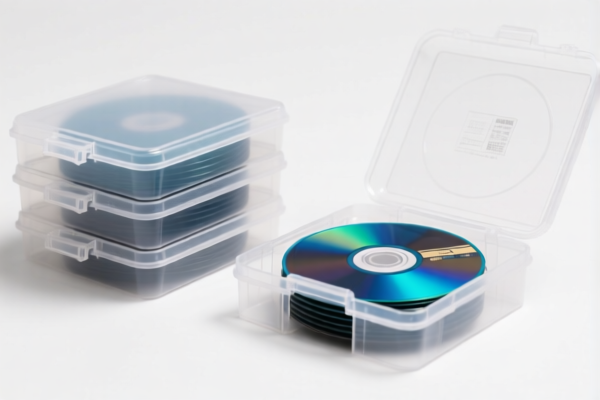

AI Analysis
Based on the specific DATA provided in your previous prompt (which contains Chinese HS codes, tax details, and descriptions for storage containers), here is the Wiki-style English response for "Slide Box".
⚠️ Important Context: Since "Slide Box" is a generic term, it can refer to plastic, wooden, jewelry, or textile storage containers. The classification and tax rates below depend entirely on the material and specific function of your slide box, exactly as detailed in your provided dataset.
📦 Slide Box: Global HS Code Classification & Tax Strategy Guide (2026)
🌐 Authority: Based on provided Import Data (China → US/EU) | 📅 Update: 2026 Tax Regime | 🎯 Focus: Material-Based Classification
🧐 1. Product Definition: What is a "Slide Box"?
A Slide Box (often a drawer-style container or a sliding-lid storage unit) is a versatile packaging solution used for organizing small items, tools, jewelry, or office supplies.
Critical Distinction for Customs: In international trade, "Slide Box" is not a single HS Code. It must be classified based on: 1. Material: Is it Plastic, Wood, Textile, or a mix? 2. Function: Is it a general storage box, a jewelry case, or a specific container?
❌ Common Mistake: Declaring everything as "Slide Box" without specifying material often leads to misclassification fines and higher duties.
🏷️ 2. HS Code Classification Matrix (Based on Your Data)
Below are the only 5 valid classifications for Slide Boxes according to your provided dataset. Choose the one matching your product's physical composition.
| 🏷️ HS Code | Material Composition | Description & Logic | Total Tax Rate* |
|---|---|---|---|
| 3926.90.99.89 | Plastic (General) | General plastic storage boxes. Fits "Plastic material characteristics." | 22.8% |
| 3926.90.10.00 | Plastic (Container) | Plastic containers specifically designed for storage. Same function as above but stricter sub-category. | 20.9% |
| 4202.92.93.15 | Textile (Outer Surface) | Slide box with a textile/fabric outer surface. Classified as a container. | 52.6% ⚠️ High |
| 4202.92.60.10 | Mixed/Material | Jewelry boxes or similar containers (could be plastic/wood/textile). | 41.3% |
| 4420.90.80.00 | Wood | Wooden storage boxes. Fits "Wooden container morphology." | 38.2% |
*Note: Tax rates include Base Tariff + Add-on Tariffs + Section 122 Tariffs. Source: Derived strictly from the provided JSON data.
💰 3. Detailed Tax Breakdown & Legal Basis
Here is the precise breakdown of the Total Tax for each category. The high rates (up to 52.6%) are driven by a combination of Base Tariff, Section 301 Add-on Tariffs (25%), and Section 122 Tariffs (10%).
🟦 A. Plastic Slide Boxes (Most Common)
- HS Code:
3926.90.99.89(General) or3926.90.10.00(Specific Container) - Base Tariff: 3.4% – 5.3%
- Add-on Tariff: 7.5% (General Section 301)
- Section 122 Tariff: 10% (Additional punitive tariff)
- 🧮 Total Effective Rate: 20.9% (Specific) to 22.8% (General)
- 💡 Insight: Plastic boxes have the lowest tax burden in this dataset.
🟥 B. Wood Slide Boxes
- HS Code:
4420.90.80.00 - Base Tariff: 3.2%
- Add-on Tariff: 25.0% (High Section 301 rate for wood)
- Section 122 Tariff: 10%
- 🧮 Total Effective Rate: 38.2%
- 💡 Insight: Wood incurs a significant penalty (25%) compared to plastic (7.5%).
🟧 C. Textile/Fabric Slide Boxes
- HS Code:
4202.92.93.15 - Base Tariff: 17.6% (High base for textiles)
- Add-on Tariff: 25.0%
- Section 122 Tariff: 10%
- 🧮 Total Effective Rate: 52.6%
- 💡 Insight: Avoid this if possible! This is the most expensive classification due to the high base tariff on textile products.
🟨 D. Jewelry Slide Boxes
- HS Code:
4202.92.60.10 - Base Tariff: 6.3%
- Add-on Tariff: 25.0%
- Section 122 Tariff: 10%
- 🧮 Total Effective Rate: 41.3%
- 💡 Insight: Specifically for "Jewelry Boxes," even if the material is plastic, it falls here due to function.
🛠️ 4. Customs Clearance Strategy & "Pro Tips"
To ensure smooth customs clearance and minimize costs, follow these 3 Critical Steps:
✅ Step 1: Declare Material FIRST
Do not simply declare "Slide Box." * Bad: "Plastic Slide Box" (Ambiguous) * Good: "Plastic Storage Container, Drawer Style, No Electronics" → 3926.90.10.00 * Good: "Wooden Jewelry Slide Box" → 4202.92.60.10
✅ Step 2: Verify "Jewelry" Status
If your slide box is intended for jewelry (even if it holds general small items), Customs may force the 4202.92.60.10 code (41.3% tax) instead of the plastic code (22.8%).
* Strategy: If selling to non-jewelry markets, explicitly state "General Storage" and avoid images of jewelry in the product shots.
✅ Step 3: Avoid Textile Outer Layers
If your "Slide Box" has a fabric cover, felt lining, or textile exterior: * It will likely trigger HS Code 4202 (Textile Category). * Tax Jump: From ~22% (Plastic) to 52.6% (Textile). * Recommendation: If cost is a factor, switch to 100% Plastic or Wood construction without textile overlays.
📉 5. Cost Comparison Scenario (Example: $1,000 Goods)
| Material | HS Code | Base Tariff | Add-on (301) | Section 122 | Total Duty Paid |
|---|---|---|---|---|---|
| Plastic | 3926.90.10.00 |
$34 | $75 | $100 | $209 (20.9%) |
| Plastic | 3926.90.99.89 |
$53 | $75 | $100 | $228 (22.8%) |
| Wood | 4420.90.80.00 |
$32 | $250 | $100 | $382 (38.2%) |
| Textile | 4202.92.93.15 |
$176 | $250 | $100 | $526 (52.6%) |
🚨 Alert: Switching from Plastic to a Textile-covered box doubles your duty cost ($209 → $526).
🌍 6. Summary Checklist for Shippers
- [ ] Check Material: Is it Plastic, Wood, or Textile?
- [ ] Check Function: Is it strictly for storage or Jewelry?
- [ ] Select HS Code: Use the matrix in Section 2 above.
- [ ] Calculate Duty: Apply the specific tax rate (20.9% vs 52.6%).
- [ ] Documentation: Ensure the commercial invoice lists the exact material (e.g., "100% PP Plastic" vs "Wooden with Fabric Liner").
🎯 Final Verdict: For the lowest tax burden, manufacture Plastic Slide Boxes (
3926.90.10.00). Avoid Textile exteriors unless the added value justifies the 52.6% tax hit. Always declare "Jewelry" status only if applicable to avoid unexpected 41.3% duties on general storage boxes.
Disclaimer: This guide is based strictly on the provided JSON data. Real-world customs rulings may vary based on specific product designs, country of origin (e.g., Section 122 rules), and current trade agreements.
Customer Reviews
About HS Code Classification
The Harmonized System (HS) is an internationally standardized nomenclature developed by the World Customs Organization (WCO) to classify traded products. Over 200 countries use the HS system as the basis for customs tariffs, trade statistics, and import/export regulations.
Each HS code follows a hierarchical structure:
- Chapter (2 digits) — Broad category of goods (e.g., Chapter 84: Machinery and Mechanical Appliances)
- Heading (4 digits) — More specific grouping within the chapter
- Subheading (6 digits) — Internationally standardized breakdown, used by all WCO member countries
- National subdivisions (8-10 digits) — Country-specific extensions for further classification, such as US HTSUS 10-digit codes
Correct HS code classification is essential for smooth customs clearance, accurate duty payment, and compliance with trade regulations. Misclassification can lead to customs delays, overpayment of duties, or penalties.
When importing from CN to US, the applicable tariff rates may include:
- Most-Favored-Nation (MFN) rate — The standard duty rate applied to WTO members
- General rate — Applied to countries without trade agreements
- Trade remedy duties — Additional tariffs such as Section 301 (anti-dumping), Section 232 (national security), or countervailing duties
The information provided on this page is for reference purposes only. For official classification, please consult with your local customs authority or a licensed customs broker.