Slide Organizer Box Multi Compartment
CN → US| HS Code | Tariff Rate | Origin | Destination | Doc |
|---|---|---|---|---|
| 4421999880 | 38.3% | CN | US | Official Doc |
| 7326903500 | 92.8% | CN | US | Official Doc |
| 7326908688 | 87.9% | CN | US | Official Doc |
| 4421919880 | 38.3% | CN | US | Official Doc |
| 3926305000 | 22.8% | CN | US | Official Doc |
Product Images
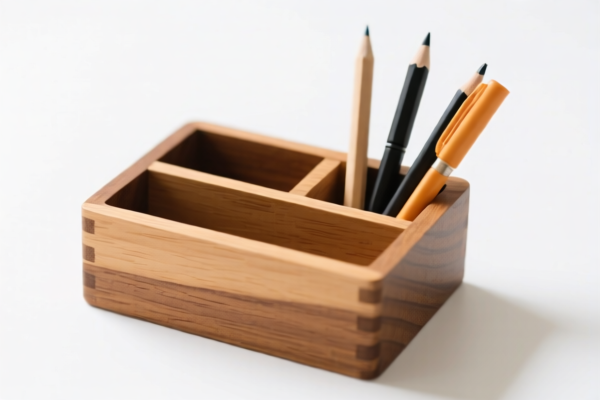
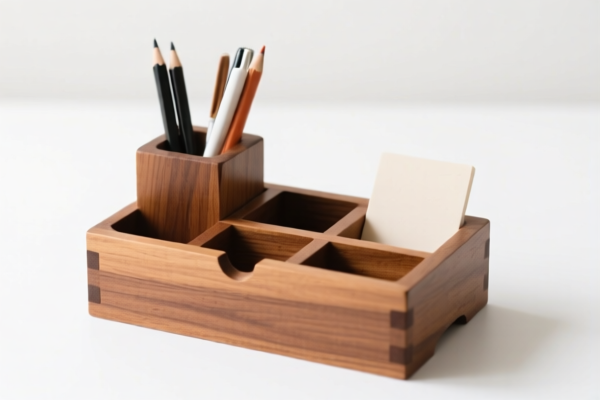
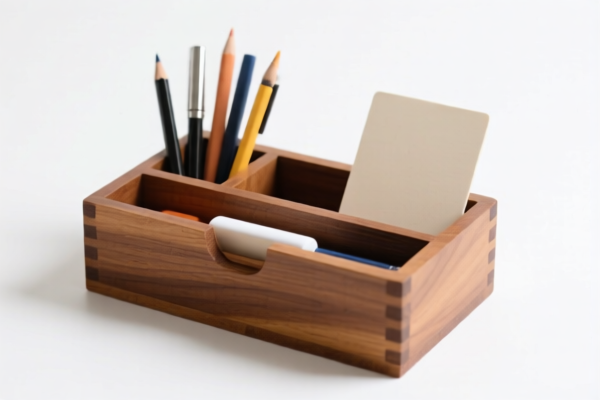
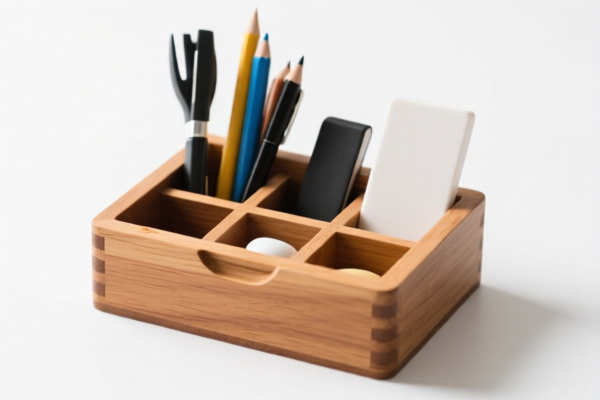
AI Analysis
📦 Slide Organizer Box (Multi-Compartment)
🌐 HS Code Reference & Customs Clearance Guide | 2026 Latest Tariff Analysis | Professional-Level Strategy
📌 I. Product Definition & Classification: Do You Really Understand "Storage Containers"?
A Slide Organizer Box (Multi-Compartment) is a versatile storage solution used for organizing stationery, cosmetics, jewelry, tools, or craft supplies. In international trade, its classification depends heavily on Material and Intended Use.
It is generally categorized into two main groups:
Wooden/Bamboo Products (Chapter 44): Made primarily of wood, bamboo, or other vegetable materials.
Plastic or Metal Products (Chapters 39 & 73): Made from polymers (plastic) or ferrous/non-ferrous metals (steel, iron).
⚠️ Key Distinction Point:
- If made of Wood/Bamboo → Look at Chapter 44 (e.g., 4421.99.98.80)
- If made of Plastic → Look at Chapter 39 (e.g., 3926.30.50.00)
- If made of Steel/Iron → Look at Chapter 73 (e.g., 7326.90.35.00 or 7326.90.86.88)
📊 II. HS Code Classification Details (2026 Latest Tariff Authority Comparison)
| HS Code | Product Description | Material | Total Tax Rate | Key Tax Components |
|---|---|---|---|---|
4421.99.98.80 |
Other wooden articles (Storage/Sliding box) | Wood/Wood-based | 38.3% | Base: 3.3%, Sec 301: 25%, Section 122: 10% |
7326.90.35.00 |
Other articles of iron/steel (Bag/Case containers) | Steel/Iron | 92.8% | Base: 7.8%, Sec 301: 25%, Sec 122: 10%, Steel/Al/Cu: 50% |
7326.90.86.88 |
Other articles of iron/steel (Not elsewhere specified) | Steel/Iron | 87.9% | Base: 2.9%, Sec 301: 25%, Sec 122: 10%, Steel/Al/Cu: 50% |
4421.91.98.80 |
Other wooden articles / Bamboo products (Storage) | Wood/Bamboo | 38.3% | Base: 3.3%, Sec 301: 25%, Section 122: 10% |
3926.30.50.00 |
Other articles of plastics (Furniture/Home use) | Plastic | 22.8% | Base: 5.3%, Sec 301: 7.5%, Section 122: 10% |
🔍 Critical Reminder:
- Plastic is the most cost-effective option regarding tariff burden (22.8% total).
- Steel/Iron items face extremely high tariffs (up to 92.8%) due to additional duties on steel, aluminum, and copper products.
- Wood/Bamboo items have a moderate-high burden (38.3%), primarily due to Section 301 and Section 122 duties.
💰 III. 2026 Latest Tariff Rate Breakdown (Including Additional Taxes & Policy Surcharges)
✅ Applicable Country: United States (US)
✅ Country of Origin: China (CN)
✅ Effective Date: 2025-11-10 onwards (including subsequent imports)
🎯 1. 3926.30.50.00 —— Plastic Storage Boxes (Lowest Tax Burden)
| Item | Content |
|---|---|
| Base Duty Rate | 5.3% |
| USITC Additional Duty (Section 301) | +7.5% |
| Section 122 Duty | +10% |
| Total Tax Rate | 22.8% |
| Tax Calculation | CIF Value × 22.8% |
| De Minimis Exemption Eligible? | ❌ No (denied_de_minimis) |
| Legal Authority Path | USITC:3926.30.50.00 → USITC:Footnote:15 → IEEPA:9903.01.24 → Section 122:9903.02.25 |
📌 Explanation:
- This is the most favorable HS code among the options provided for storage organizers.
- Plastic products are subject to a lower Section 301 rate (7.5%) compared to steel (50%) or wood (25%).
- Section 122 (10%) applies broadly to many consumer goods from China.
🎯 2. 4421.99.98.80 & 4421.91.98.80 —— Wooden/Bamboo Storage Boxes
| Item | Content |
|---|---|
| Base Duty Rate | 3.3% |
| USITC Additional Duty (Section 301) | +25.0% |
| Section 122 Duty | +10% |
| Total Tax Rate | 38.3% |
| Tax Calculation | CIF Value × 38.3% |
| De Minimis Exemption Eligible? | ❌ No (denied_de_minimis) |
| Legal Authority Path | USITC:4421.99.98.80 → USITC:Footnote:15 → IEEPA:9903.01.24 → Section 122:9903.02.25 |
📌 Explanation:
- Wooden/Bamboo products fall under Chapter 44.
- The Section 301 duty is 25%, which is significantly higher than the plastic counterpart.
- Despite a lower base rate (3.3%), the total tax (38.3%) is much higher than plastic (22.8%).
🎯 3. 7326.90.35.00 & 7326.90.86.88 —— Steel/Iron Storage Boxes (Highest Tax Burden)
| Item | Content |
|---|---|
| Base Duty Rate | 7.8% (for .35) / 2.9% (for .86) |
| USITC Additional Duty (Section 301) | +25.0% |
| Section 122 Duty | +10% |
| Steel/Aluminum/Copper Additional Duty | +50% |
| Total Tax Rate | 92.8% (.35) / 87.9% (.86) |
| Tax Calculation | CIF Value × 92.8% or 87.9% |
| De Minimis Exemption Eligible? | ❌ No (denied_de_minimis) |
| Legal Authority Path | USITC:7326.90.35.00 → USITC:Footnote:15 → IEEPA:9903.01.24 → Section 122:9903.02.25 → IEEPA:9901.25 (Steel) |
📌 Critical Warning:
- Steel products are subject to an additional 50% tariff under specific trade provisions.
- This results in a prohibitive tax rate (87.9% - 92.8%), making steel storage boxes economically unviable for US import from China unless priced very high or exempted.
🛠️ IV. Customs Clearance Practical Advice (Battle-Tested Pitfall Avoidance Guide)
✅ 1. Required Documentation Checklist (None Missing)
| Document | Mandatory | Description |
|---|---|---|
| ✅ Product Specification Sheet | ✔️ | Must clearly state Material (Wood, Plastic, or Steel), Dimensions, Compartment Count. |
| ✅ Product Photos | ✔️ | Clear images showing sliding mechanism, compartments, and overall structure. |
| ✅ Commercial Invoice | ✔️ | Must specify "Plastic/Wood/Metal Storage Organizer" and correct HS Code. |
| ✅ Packing List | ✔️ | Detail contents per box to avoid "unidentified goods" flags. |
| ✅ Origin Certificate (CO) | ✔️ | Essential for verifying CN origin and applying/additional tariffs correctly. |
✅ 2. Declaration Strategy (Key Mantra)
🔥 "Material is King, HS Code Determines Fate, Avoid Steel, Choose Plastic!"
| Scenario | Correct Declaration | Wrong Approach | Consequence |
|---|---|---|---|
| Plastic Organizer | 3926.30.50.00 |
Misclassified as Wood (4421) |
Risk of higher tax (38.3% vs 22.8%) + Audit |
| Wooden Organizer | 4421.99.98.80 |
Misclassified as Plastic (3926) |
Risk of penalty + Back taxes |
| Steel Organizer | 7326.90.86.88 |
Attempting to hide material | 92.8% Tax! Avoid if possible. |
| Mixed Material Box | Declare based on Principal Material | Split declaration | Complex Customs Review, Delay |
✅ 3. Special Handling Tips
| Situation | Handling Advice |
|---|---|
| Mixed Material Boxes (e.g., Plastic with Wooden Lid) | Declare as the material that gives the product its essential character. Usually, if the box body is plastic, classify under 3926. |
| OEM Custom Boxes | Provide design drawings to prove material composition. Customs may request a material breakdown. |
| Sample Shipments | Even samples are subject to tariffs. Do not use "Gift" or "Sample" to evade the 22.8%-92.8% taxes. The de minimis exemption ($800) does not apply to these HS codes due to Section 301/122 restrictions. |
| Steel Products | Strong Recommendation: Avoid importing steel storage organizers from China to the US. The tariff makes it non-competitive. Consider sourcing from Vietnam or Mexico if steel is mandatory. |
🌍 V. Global Market Customs Comparison (2026 Latest)
| Country/Region | Recommended HS Code | Est. Tariff | Certification Required | Notes |
|---|---|---|---|---|
| 🇺🇸 USA | 3926.30.50.00 (Plastic) |
22.8% | No special cert | Steel: 92.8%, Wood: 38.3% |
| 🇪🇺 EU | 3926.90.97 |
~6.5% | CE (if electrical) | No Section 301/122 |
| 🇨🇳 China | 3926.90.90 |
~5-10% | CCC (if applicable) | Low tariff, domestic consumption |
| 🇬🇧 UK | 3926.90.90 |
~5-8% | UKCA | Post-Brexit standards apply |
📌 Conclusion:
- The US market is the most expensive for Chinese-manufactured storage organizers due to aggressive tariff structures.
- Plastic (3926.30.50.00) is the only viable option for cost-effective import to the US among the choices.
- Steel is prohibited by economics (92.8% tax).
- Wood is a middle-ground option (38.3%) but still significantly more expensive than plastic.
📌 VI. Common Errors & Pitfall Guide (Blood Lessons)
❌ Error 1: Classifying Plastic boxes as Wood (4421)
👉 Consequence: Higher Tax (38.3% vs 22.8%). Waste of margin.
❌ Error 2: Classifying Steel boxes as Plastic (3926)
👉 Consequence: Customs Audit, Fine, and Retroactive Tax (92.8% - 22.8% = 70% penalty risk).
❌ Error 3: Assuming De Minimis ($800) exemption applies
👉 Consequence: Shipment Held. These HS codes are explicitly excluded from de minimis relief under Section 301 and Section 122. Taxes apply from the first dollar.
❌ Error 4: Vague Description "Storage Box"
👉 Consequence: Customs may assign a default high tariff code or request extensive clarification, causing delay.
✅ Correct Practice:
"Plastic Multi-Compartment Sliding Drawer Organizer for Stationery/Cosmetics, Model XYZ, 100% PP Material, Made in China"
🎯 VII. Conclusion: Professional Declaration, Time-Saving, Cost-Reducing!
🎯 Remember the Mantra:
🔹 "Plastic Wins, Steel Loses, Wood is Middle."
🔹 "3926 saves you 15-70% tax compared to other materials."
🔹 "No De Minimis for these codes – Plan Your Logistics!"
📌 Pro Tip:
If your supplier offers Wooden or Steel alternatives, switch to Plastic for US imports to maximize profit.
For Plastic goods, ensure the invoice clearly states "Polypropylene (PP)" or "ABS Plastic" to support the 3926 classification.
📣 Immediate Action:
📞 Contact your Freight Forwarder: Confirm HS Code
3926.30.50.00for plastic organizers.
📝 Update Product Descriptions: Explicitly state Material Composition on all commercial invoices.
🚀 Optimize Supply Chain: If you must use Steel, consider Third-Country Transshipment (e.g., Vietnam) with proper transformation rules, but beware of anti-circumvention laws.
✨ Professional Customs Clearance Starts with Accurate Classification!
💼 Every Dollar of Tax Saved is Pure Profit!
Customer Reviews
About HS Code Classification
The Harmonized System (HS) is an internationally standardized nomenclature developed by the World Customs Organization (WCO) to classify traded products. Over 200 countries use the HS system as the basis for customs tariffs, trade statistics, and import/export regulations.
Each HS code follows a hierarchical structure:
- Chapter (2 digits) — Broad category of goods (e.g., Chapter 84: Machinery and Mechanical Appliances)
- Heading (4 digits) — More specific grouping within the chapter
- Subheading (6 digits) — Internationally standardized breakdown, used by all WCO member countries
- National subdivisions (8-10 digits) — Country-specific extensions for further classification, such as US HTSUS 10-digit codes
Correct HS code classification is essential for smooth customs clearance, accurate duty payment, and compliance with trade regulations. Misclassification can lead to customs delays, overpayment of duties, or penalties.
When importing from CN to US, the applicable tariff rates may include:
- Most-Favored-Nation (MFN) rate — The standard duty rate applied to WTO members
- General rate — Applied to countries without trade agreements
- Trade remedy duties — Additional tariffs such as Section 301 (anti-dumping), Section 232 (national security), or countervailing duties
The information provided on this page is for reference purposes only. For official classification, please consult with your local customs authority or a licensed customs broker.