Sliding Door Roller
CN → US| HS Code | Tariff Rate | Origin | Destination | Doc |
|---|---|---|---|---|
| 7326200090 | 88.9% | CN | US | Official Doc |
| 8302419050 | 38.5% | CN | US | Official Doc |
| 7326908688 | 87.9% | CN | US | Official Doc |
| 8302416050 | 88.9% | CN | US | Official Doc |
| 3926908500 | 24.0% | CN | US | Official Doc |
Product Images
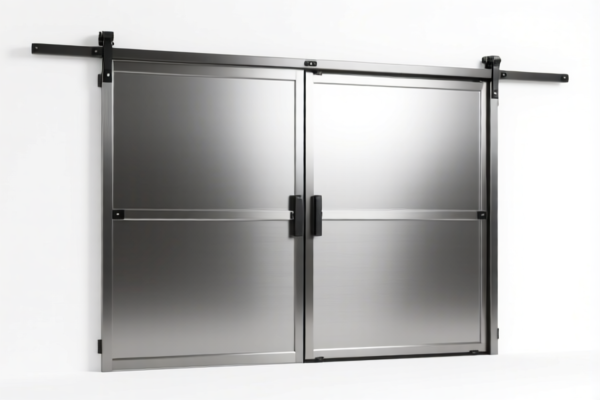
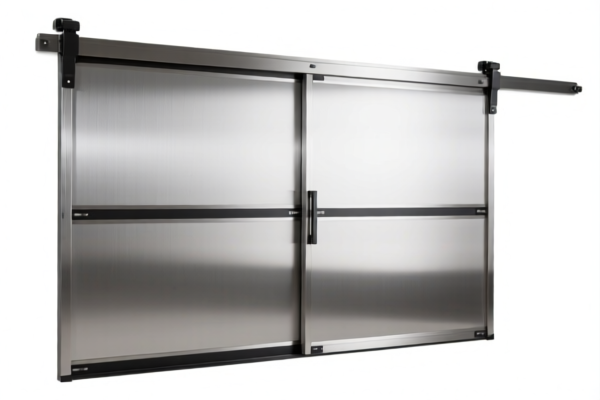
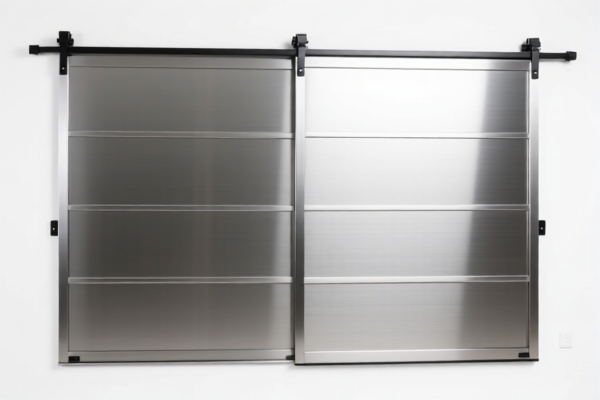
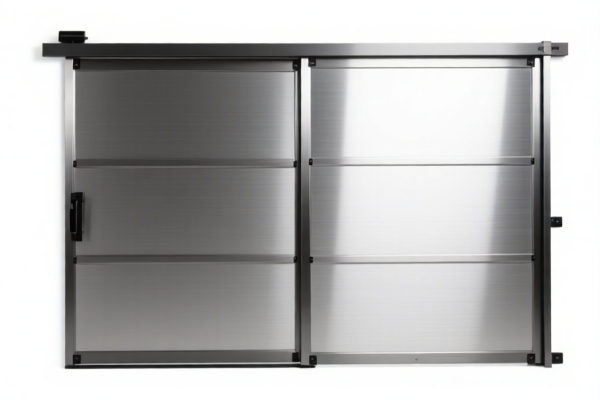
AI Analysis
🚪 Sliding Door Roller (Window/Curtain Wheels) – HS Code Classification & US Customs Clearance Guide
🌐 HS Code Reference & Customs Clearance Guide | 2026 Latest Tariff Analysis | Strategic通关 Strategies
📌 I. Product Definition: What Exactly is a "Sliding Door Roller"?
In international trade, "Sliding Door Rollers" (also referred to as window wheels, curtain pulleys, or sliding track rollers) are critical hardware components used in residential, commercial, and industrial sliding systems. They are not standalone machines but parts/accessories designed to facilitate smooth movement along tracks.
Key Characteristics: 1. Function: Reduce friction, support weight, and guide doors/windows. 2. Material: Typically made of Base Metals (Iron, Steel, Aluminum) or Plastics (Nylon, POM, PVC), often combined (e.g., metal axle with plastic wheel). 3. Form Factor: Small wheels, pulleys, or rollers, sometimes with brackets or mounting hardware.
⚠️ Critical Classification Challenge:
The HS Code depends heavily on the material composition and specific use case (Curtains vs. Glass Doors vs. General Hardware). Misclassification can lead to massive tariff differences (e.g., 24% vs. 89%).
📦 II. HS Code Classification Matrix (2026 Latest Tariff对照)
Based on the provided data, here are the 5 possible HS Codes for Sliding Door Rollers, categorized by material and logical grouping.
| HS Code | Description & Logic | Material Assumption | Total Tax Rate (US) |
|---|---|---|---|
7326.20.00.90 |
Other articles of iron or steel. Logic: Classified as "other articles" of steel/iron. Matches the "bottom-up" logic for steel parts not explicitly excluded. |
Steel/Iron | 88.9% |
8302.41.90.50 |
Base metal mountings, fittings & similar articles. Logic: Specifically for mountings/attachments for furniture, doors, windows, etc. Role matches "curtain hardware." |
Base Metal (General) |
38.5% |
7326.90.86.88 |
Other articles of iron or steel. Logic: Similar to 7326.20 but under the "other" subheading. Fits "rollers" as steel制品. |
Steel/Iron | 87.9% |
8302.41.60.50 |
Base metal mountings/fittings for doors, windows, etc. Logic: Explicitly covers "mountings/fittings" for doors/windows. Matches "curtain accessory" role. |
Base Metal (General) |
88.9% |
3926.90.85.00 |
Other articles of plastics. Logic: If the roller is primarily plastic (e.g., nylon wheel) and no specific metal restriction applies. "Other" category allows this. |
Plastic | 24.0% |
🔍 Key Distinction:
- Plastic Rollers →3926.90.85.00(Lowest Tax: 24%)
- Metal Rollers (Specific Fittings) →8302.41.90.50(Medium Tax: 38.5%)
- Metal Rollers (General Articles) →7326...or8302.41.60.50(High Tax: 87.9% - 88.9%)
💰 III. 2026 Tariff Breakdown (Detailed Tax Analysis)
✅ Applicable Country: United States (US)
✅ Origin: China (CN)
✅ Effective Date: Nov 10, 2025 onwards (including subsequent imports)
🎯 1. 3926.90.85.00 — Best Case Scenario: Plastic Rollers
| Item | Content |
|---|---|
| Base Duty | 6.5% (ad valorem) |
| USITC Additional Duty | +7.5% (Section 301/Trade Act) |
| IEEPA Additional Duty | +10% (China-specific, Section 122/IEEPA) |
| Total Tax Rate | 24.0% |
| De Minimis Exemption | ❌ Not Eligible (deny_de_minimis) |
| Legal Path | IEEPA:9903.01.24 → USITC:3926.90.85.00 |
📌 Explanation:
- This is the most cost-effective classification if the roller is predominantly plastic. - Crucial Note: If the roller has a metal axle or bracket, customs may reclassify it as metal, jumping to 38.5%+ or 88.9%. You must prove the essential character is plastic.
🎯 2. 8302.41.90.50 — Best Metal Case: Curtain/Door Fittings
| Item | Content |
|---|---|
| Base Duty | 3.5% (ad valorem) |
| USITC Additional Duty | +25% (Section 301) |
| IEEPA Additional Duty | +10% (China-specific, Section 122/IEEPA) |
| Total Tax Rate | 38.5% |
| De Minimis Exemption | ❌ Not Eligible |
| Legal Path | IEEPA:9903.01.24 → USITC:8302.41.90.50 |
📌 Explanation:
- HS Code8302.41explicitly covers "mountings, fittings and similar articles" for doors, windows, stairs, etc. - If your roller is a complete unit (bracket + wheel) used for curtains or sliding doors, this is the most favorable metal classification. - Savings vs. General Metal: 38.5% vs. 88.9% = Massive 50.4% difference!
🎯 3. 7326.20.00.90 & 8302.41.60.50 — High Tax: General Steel/Steel Articles
| Item | Content |
|---|---|
| Base Duty | 3.9% (for 7326) / 3.9% (for 8302.41.60) |
| USITC Additional Duty | +25% (Section 301) |
| Steel/Aluminum/Copper Surtax | +50% (Section 232/IEEPA Steel & Aluminum Tariff) |
| IEEPA Additional Duty | +10% (China-specific) |
| Total Tax Rate | 88.9% (for 7326) / 88.9% (for 8302.41.60) |
| De Minimis Exemption | ❌ Not Eligible |
⚠️ Critical Warning:
- The +50% Steel/Aluminum Surtax is the main driver here. - If the roller is classified as a "steel article" (not a fitting) under Chapter 73, or if the specific subheading8302.41.60.50triggers the steel surtax, you pay ~89%. - Why does8302.41.90.50not have the 50% surtax? Because it is classified under "Base Metal Mountings" rather than "Iron/Steel Articles" under the specific steel tariff lines. Proper subheading selection is vital.
🎯 4. 7326.90.86.88 — High Tax: Other Steel Articles
| Item | Content |
|---|---|
| Base Duty | 2.9% |
| USITC Additional Duty | +25% |
| Steel/Aluminum/Copper Surtax | +50% |
| IEEPA Additional Duty | +10% |
| Total Tax Rate | 87.9% |
| De Minimis Exemption | ❌ Not Eligible |
🛠️ IV. Customs Clearance Practical Advice (Avoid Pitfalls)
✅ 1. Documentation Checklist (Non-Negotiable)
| Document | Required? | Purpose |
|---|---|---|
| Product Specification Sheet | ✔️ | Must detail material composition (e.g., "Wheel: Nylon, Axle: Steel") |
| Material Breakdown | ✔️ | Proof that plastic is the "essential character" for 3926 classification |
| Usage Declaration | ✔️ | Explicitly state: "Used for sliding door/curtain track systems" to support 8302 |
| Photos (Clear) | ✔️ | Show the entire unit, including brackets, not just the wheel |
| Commercial Invoice | ✔️ | Must describe item as "Sliding Door Roller, Plastic/Metal, For Hardware" |
| Packing List | ✔️ | Ensure no mixed commodities that trigger complex valuation |
✅ 2. Classification Strategy: How to Lower Taxes?
| Scenario | Recommended HS Code | Strategy |
|---|---|---|
| Pure Plastic Rollers | 3926.90.85.00 |
Best Option. Ensure no metal parts weigh >50% or provide function. |
| Metal Rollers for Doors/Curtains | 8302.41.90.50 |
Strong Option. Emphasize "Mounting/Fitting" function. Avoid "General Steel Article" language. |
| Steel Rollers (Generic) | 7326.90.86.88 |
Last Resort. High tax. Try to reclassify as 8302 if possible. |
🔥 Pro Tip:
"Fit for Purpose" Documentation:
- Include a Certificate of Use stating: "These rollers are specifically designed and sold as replacement parts for sliding door/curtain tracks." - This supports the8302.41classification (Fittings) rather than7326(General Articles).
✅ 3. Common Errors & Consequences
| Error | Consequence |
|---|---|
| Listing as "Plastic" when it has metal brackets | Customs reclassifies to 7326 or 8302 → Tax jumps from 24% to 38.5% or 88.9% |
| Listing as "Steel Part" instead of "Fitting" | Triggers +50% Steel Surtax → Tax jumps from 38.5% to 88.9% |
| Using "Wheel" without specifying use | Ambiguity → Customs may choose highest duty category → Audit Risk |
| Splitting shipment to avoid De Minimis | Irrelevant for China-origin goods (No De Minimis for Section 301/IEEPA) → Penalties |
🌍 V. Global Market Comparison (2026)
| Country | Recommended HS Code | Est. Tax Rate | Notes |
|---|---|---|---|
| 🇺🇸 USA | 8302.41.90.50 (Metal) |
38.5% | Best metal case. Avoid 7326 (88.9%). |
| 🇨🇳 China | 7326.90.90.00 |
~5-6% | No Section 301/IEEPA surcharges. |
| 🇪🇺 EU | 8302.41.90 |
0-2% | Low duty. No US-style surtaxes. |
| 🇬🇧 UK | 8302.41.90 |
0% | Post-Brexit, favorable for fittings. |
📌 Conclusion:
- USA is the most challenging market due to layered tariffs (Section 301 + IEEPA + Steel Surtax). - Strategy: Aim for3926(Plastic) or8302.41.90.50(Metal Fittings). Avoid7326at all costs.
📌 VI. Final Recommendations for Importers
-
Material Verification:
If the roller is >50% metal by weight or function, do not claim3926. Use8302.41.90.50. -
Labeling:
Label products as "Sliding Door/Curtain Roller Fitting" not just "Steel Wheel." -
Advance Ruling:
Consider filing an US CBP Advance Ruling for8302.41.90.50to lock in the 38.5% rate and avoid audits. -
Supply Chain Diversification:
If volumes are high, consider sourcing from Vietnam/Mexico to potentially avoid IEEPA/Section 301 tariffs (though Steel Surtax may still apply if raw materials are Chinese).
🎯 Remember:
🔹 "Plastic = 24%, Metal Fitting = 38.5%, Steel Article = 88.9%"
🔹 "One wrong digit = $50,000 extra tax per container!"
🔹 "Document the 'Fitting' use, not just the 'Wheel' form."
📣 Take Action Now:
📞 Consult a licensed customs broker.
📄 Prepare material composition reports.
🚀 Optimize your HS Code to save up to 50% in duties.
✨ Professional Clearance Starts with Precise Classification!
💼 Your Bottom Line Depends on This Decision!
Customer Reviews
About HS Code Classification
The Harmonized System (HS) is an internationally standardized nomenclature developed by the World Customs Organization (WCO) to classify traded products. Over 200 countries use the HS system as the basis for customs tariffs, trade statistics, and import/export regulations.
Each HS code follows a hierarchical structure:
- Chapter (2 digits) — Broad category of goods (e.g., Chapter 84: Machinery and Mechanical Appliances)
- Heading (4 digits) — More specific grouping within the chapter
- Subheading (6 digits) — Internationally standardized breakdown, used by all WCO member countries
- National subdivisions (8-10 digits) — Country-specific extensions for further classification, such as US HTSUS 10-digit codes
Correct HS code classification is essential for smooth customs clearance, accurate duty payment, and compliance with trade regulations. Misclassification can lead to customs delays, overpayment of duties, or penalties.
When importing from CN to US, the applicable tariff rates may include:
- Most-Favored-Nation (MFN) rate — The standard duty rate applied to WTO members
- General rate — Applied to countries without trade agreements
- Trade remedy duties — Additional tariffs such as Section 301 (anti-dumping), Section 232 (national security), or countervailing duties
The information provided on this page is for reference purposes only. For official classification, please consult with your local customs authority or a licensed customs broker.