Slope Distance Measuring Instrument
CN → US| HS Code | Tariff Rate | Origin | Destination | Doc |
|---|---|---|---|---|
| 9015104000 | 35.0% | CN | US | Official Doc |
| 9015108000 | 35.0% | CN | US | Official Doc |
Product Images
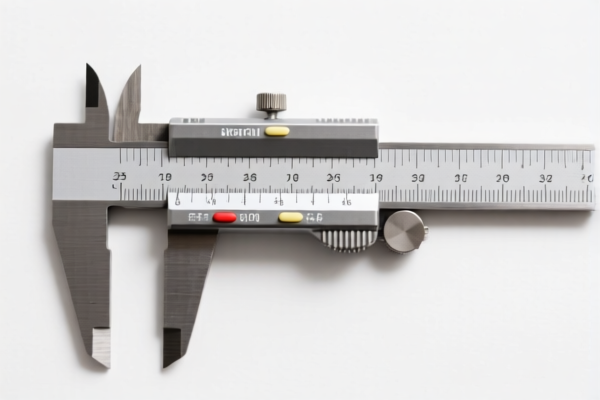
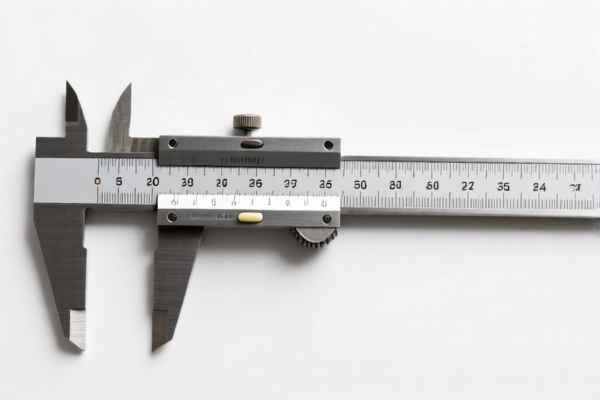
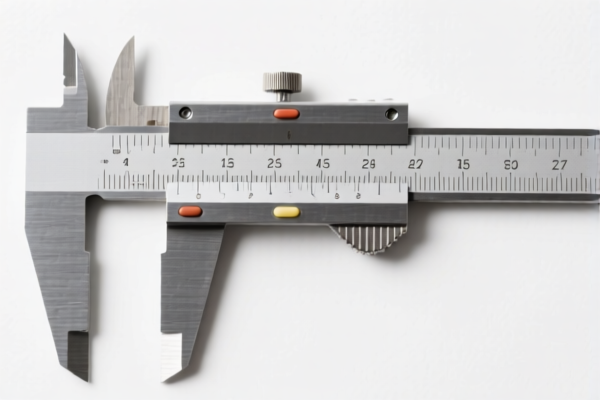
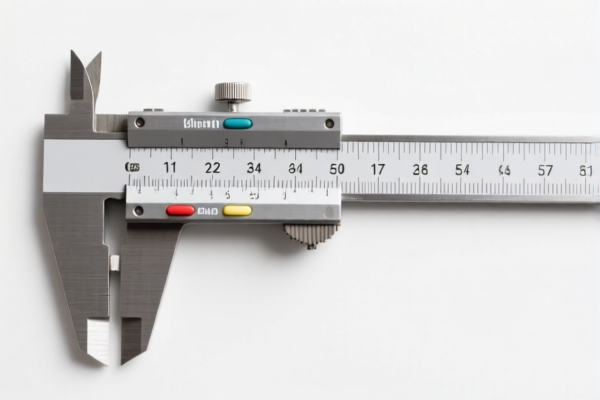
AI Analysis
📏 Slope Distance Measuring Instrument (Electronic Distance Meters)
🌐 HS Code Reference & Customs Clearance Guide | 2026 Latest Tariff Analysis | Professional-Level Customs Strategy
📌 I. Product Definition & Classification: Do You Really Understand "Slope Distance Measuring Instruments"?
Slope Distance Measuring Instruments, commonly known in the surveying industry as Electronic Distance Meters (EDMs) or Tacheometers, are precision optical and electronic instruments used to measure the distance between two points with high accuracy. They are essential components of modern topographic surveying, construction layout, and geophysical exploration.
In international trade, these instruments are primarily classified under Chapter 90 (Optical, Photographic, Cinematographic, Measuring, Checking, Precision, Medical or Surgical Instruments). Specifically, they fall under the category of surveying instruments.
⚠️ Key Distinction:
- If the device is a standalone rangefinder (even if electronic) used for surveying, it falls under 9015.10.
- If it is a complex system including angular measurement (Total Station), parts may still be classified under 9015, but full units are distinct.
- Crucial Note: The provided data specifically addresses Rangefinders under surveying instruments.
📦 II. HS Code Classification Details (2026 Latest Tariff Authority Comparison)
Based on the provided data, the classification depends on whether the rangefinder is electrical or other.
| HS Code | Product Description | Applicable Scenario | Key Characteristics |
|---|---|---|---|
9015.10.40.00 |
Rangefinders: Electrical | Laser Distance Meters, EDMs (Electronic Distance Meters) | Uses light/laser waves; electronic circuitry for processing; no batteries? (Note: "Electrical" here refers to the operating principle, not just power source). |
9015.10.80.00 |
Rangefinders: Other | Mechanical rangefinders, older optical models, non-electronic surveying distance tools | Does not meet the definition of "electrical" under subheading 9015.10.40. |
🔍 Key Insight:
- Most modern Laser Distance Meters and EDMs used in construction and surveying are classified under9015.10.40.00because they operate on electronic/electrical principles (emitting and receiving light signals).
- If the device is purely mechanical (e.g., a stadia tacheometer without electronic processing), it may fall under9015.10.80.00.
- Compasses are explicitly excluded from this heading.
💰 III. 2026 Latest Tariff Rate Details (Including Additional Taxes & Policy Add-ons)
✅ Applicable Country: United States (US)
✅ Country of Origin: China (CN)
✅ Effective Date: November 10, 2025 (and subsequent imports)
🎯 1. 9015.10.40.00 —— Rangefinders: Electrical (Laser/EDM)
| Item | Content |
|---|---|
| Base Tariff Rate | 0% (ad valorem) |
| USITC Additional Tariff | +25% (Under USITC Footnote 9903.88.01 / Section 301) |
| Total Tariff Rate | 25.0% |
| Tax Calculation | CIF Value × 25% |
| De Minimis Exemption Eligibility | ❌ Not Applicable (Deny de minimis for Section 301 goods) |
| Legal Basis Path | USITC:9015.10.40.00 → FOOTNOTE:9903.88.01 |
📌 Explanation:
- The 25% tariff is a result of the Section 301 Trade Action by the U.S. Trade Representative (USTR) against Chinese imports.
- Although the base MFN (Most Favored Nation) tariff for surveying instruments is 0%, the additional 25% duty applies due to the product's origin (China).
- Total Cost Impact: Importers must budget for a 25% tax on the CIF value.
🎯 2. 9015.10.80.00 —— Rangefinders: Other (Non-Electrical)
| Item | Content |
|---|---|
| Base Tariff Rate | 0% (ad valorem) |
| USITC Additional Tariff | +25% (Under USITC Footnote 9903.88.01 / Section 301) |
| Total Tariff Rate | 25.0% |
| Tax Calculation | CIF Value × 25% |
| De Minimis Exemption Eligibility | ❌ Not Applicable (Deny de minimis for Section 301 goods) |
| Legal Basis Path | USITC:9015.10.80.00 → FOOTNOTE:9903.88.01 |
📌 Note:
- Same tariff treatment as electrical rangefinders.
- Even if the technology is "older" or "mechanical," the 25% additional duty still applies if the country of origin is China.
🛠️ IV. Customs Clearance Practical Advice (Real-World Pitfall Avoidance Guide)
✅ 1. Documentation Checklist (Must-Haves)
| Document | Required? | Description |
|---|---|---|
| ✅ Product Specification Sheet | ✔️ | Must detail measurement range, accuracy, operating principle (laser/electronic), and power supply. |
| ✅ Technical Drawing/Photo | ✔️ | Clear images showing the device, display screen, buttons, and any brand/model labels. |
| ✅ Commercial Invoice | ✔️ | Must clearly state: "Surveying Instrument, Electronic Distance Meter (Laser Rangefinder)". Avoid vague terms like "Tool" or "Gadget." |
| ✅ Packing List | ✔️ | Include batteries, case, charger, and any accessories. |
| ✅ Country of Origin Certificate | ✔️ | To prove origin (China) and apply correct Section 301 tariffs. |
| ✅ FCC Certification | ✔️ | Since these are electronic devices emitting RF energy, FCC ID is mandatory for US import. |
✅ 2. Declaration Tips (Key Mnemonic)
🔥 "Be Precise: 'Electrical' vs. 'Other' Matters Less Than 'Origin'!"
| Situation | Correct Declaration | Incorrect Practice |
|---|---|---|
| Modern Laser Distance Meter | 9015.10.40.00 |
Declaring as "General Instrument" → Potential misclassification penalty |
| Old Mechanical Rangefinder | 9015.10.80.00 |
Declaring as "Electrical" → Incorrect technical description |
| Full Total Station (with angle measurement) | 9015.20 (Not in provided data) |
Declaring as "Rangefinder" only → If it measures angles too, it may be a different subheading |
| Origin: China | Apply 25% Additional Duty | Ignoring Section 301 → Seizure or Heavy Back-Tax + Penalties |
✅ 3. Special Cases & Handling
| Situation | Handling Advice |
|---|---|
| Laser Safety Class | Ensure the device meets Class 1 or Class 2 laser safety standards. Provide laser class documentation. |
| Batteries Included | If lithium batteries are inside, ensure they meet UN 38.3 and IATA packing regulations. |
| Accessories | Cases, straps, and lenses are usually bundled. Declare them as part of the main instrument unless shipped separately. |
| Pre-Clearance Ruling | For high-volume imports, consider applying for an Advance Ruling from U.S. Customs and Border Protection (CBP) to confirm HS Code. |
🌍 V. Global Customs Comparison (2026 Latest)
| Country/Region | Recommended HS Code | Tariff Rate (China Origin) | Certification Required | Remarks |
|---|---|---|---|---|
| 🇺🇸 USA | 9015.10.40.00 / 9015.10.80.00 |
25% (Additional) | FCC + CE | High duty due to Section 301 |
| 🇨🇳 China | 9015.10.40.00 / 9015.10.80.00 |
0% - 5% (Import Duty) | CCC (if applicable) | Lower barrier for domestic sales |
| 🇪🇺 EU | 9015.10 |
0% - 4.5% | CE + RoHS + Laser Safety | No additional punitive tariffs |
| 🇬🇧 UK | 9015.10 |
0% - 4.5% | UKCA + RoHS | Post-Brexit rules apply |
| 🇦🇺 Australia | 9015.10 |
5% | RCMA + ACMA | Standard import duty |
📌 Conclusion:
- USA is the most expensive market for Chinese-made slope distance measuring instruments due to the 25% Section 301 tariff.
- EU/UK/Australia offer more favorable tariff conditions, but strict laser safety and EMC (Electromagnetic Compatibility) certifications are required.
📌 VI. Common Mistakes & Pitfall Guide (Blood-and-Tears Lessons)
❌ Mistake 1: Declaring "Laser Pointer" instead of "Surveying Instrument"
👉 Consequence: Misclassification → Higher Duties + FDA/FTC Violations (Lasers for medical/industrial use have different rules).
❌ Mistake 2: Ignoring the "Electrical" vs. "Other" distinction
👉 Consequence: While both have 25% in this data, misdeclaring can lead to CBP audits and delays if technical details are questioned.
❌ Mistake 3: Failing to declare Section 301 applicability
👉 Consequence: Seizure of goods at US border. The 25% duty is mandatory for Chinese-origin goods in this category.
❌ Mistake 4: Omitting FCC ID on packaging
👉 Consequence: Refusal of entry by US Customs. FCC certification is non-negotiable for electronic devices.
✅ Correct Approach:
"Electronic Distance Meter (EDM), Laser Rangefinder, Model XYZ, Range: 0-500m, Accuracy: ±2mm, FCC ID: XXXXX, Origin: China"
🎯 VII. Conclusion: Professional Declaration, Cost Control, Risk Mitigation
🎯 Remember the Mantra:
🔹 "Surveying Instrument, Electrical, Chinese Origin → 25% Duty!"
🔹 "HS Code 9015.10.40.00 is your best friend for Laser EDMs."
🔹 "No FCC = No Entry in the USA."
📌 Pro Tip:
- If your product is not for commercial surveying (e.g., consumer-level laser measure for home use), it might fall under different headings (e.g., 9031.80 for measuring instruments), but industrial/surveying EDMs remain firmly in 9015.10.
- Always verify with a licensed customs broker before shipment, especially for high-value equipment.
📣 Immediate Action:
📞 Contact a Certified Customs Broker
📄 Prepare FCC Certificates & Technical Specs
🚀 Ensure Accurate HS Code: 9015.10.40.00
💼 Budget for 25% Additional Duty on CIF Value
✨ Professional Clearance Starts with Accurate Classification!
💼 Every Penny Saved is a Penny Earned in the Global Supply Chain!
Customer Reviews
About HS Code Classification
The Harmonized System (HS) is an internationally standardized nomenclature developed by the World Customs Organization (WCO) to classify traded products. Over 200 countries use the HS system as the basis for customs tariffs, trade statistics, and import/export regulations.
Each HS code follows a hierarchical structure:
- Chapter (2 digits) — Broad category of goods (e.g., Chapter 84: Machinery and Mechanical Appliances)
- Heading (4 digits) — More specific grouping within the chapter
- Subheading (6 digits) — Internationally standardized breakdown, used by all WCO member countries
- National subdivisions (8-10 digits) — Country-specific extensions for further classification, such as US HTSUS 10-digit codes
Correct HS code classification is essential for smooth customs clearance, accurate duty payment, and compliance with trade regulations. Misclassification can lead to customs delays, overpayment of duties, or penalties.
When importing from CN to US, the applicable tariff rates may include:
- Most-Favored-Nation (MFN) rate — The standard duty rate applied to WTO members
- General rate — Applied to countries without trade agreements
- Trade remedy duties — Additional tariffs such as Section 301 (anti-dumping), Section 232 (national security), or countervailing duties
The information provided on this page is for reference purposes only. For official classification, please consult with your local customs authority or a licensed customs broker.