Small Bowl
CN → US| HS Code | Tariff Rate | Origin | Destination | Doc |
|---|---|---|---|---|
| 3924102000 | 24.0% | CN | US | Official Doc |
| 3924104000 | 13.4% | CN | US | Official Doc |
| 6912004810 | 19.8% | CN | US | Official Doc |
| 6912004890 | 19.8% | CN | US | Official Doc |
| 6911108010 | 38.3% | CN | US | Official Doc |
| 6911103510 | 43.5% | CN | US | Official Doc |
Product Images
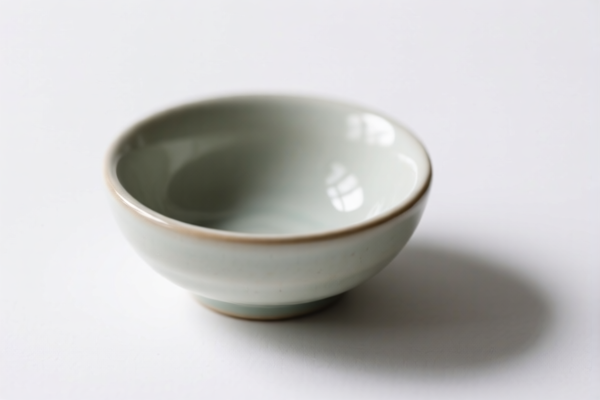
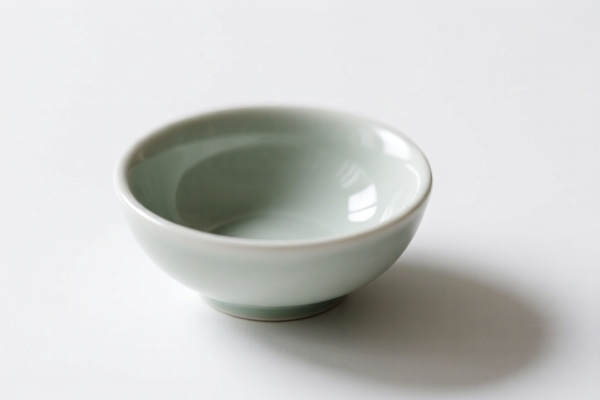
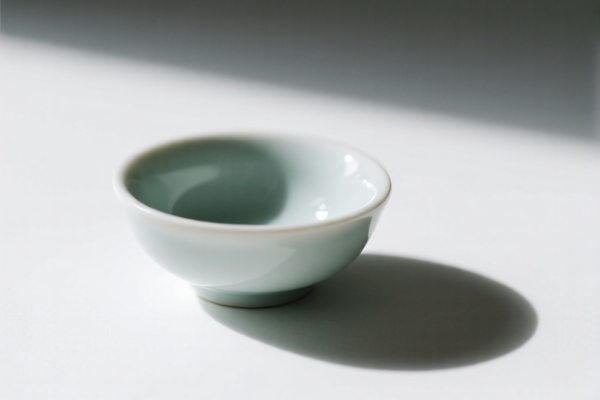
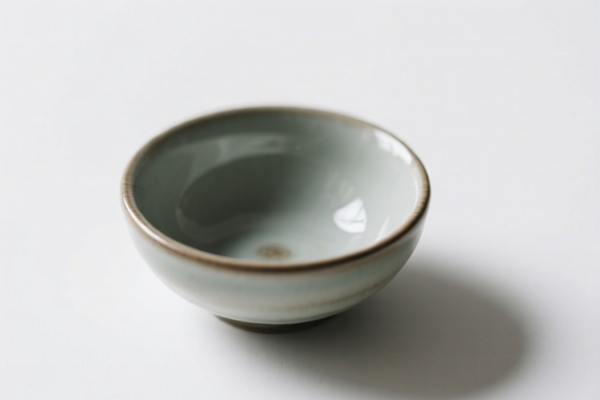
AI Analysis
🥣 Small Bowls (Ceramic, Porcelain & Plastic Tableware)
🌐 HS Code Reference & Customs Clearance Guide | 2026 Latest Tariff Analysis | Professional Entry Strategy
📌 1. Product Definition & Classification: What is a "Small Bowl"?
In international trade, the term "Small Bowl" is ambiguous and dangerous if not specified by material and usage. Customs authorities classify tableware strictly based on material composition and intended use.
A "Small Bowl" generally falls into three major categories: * Porcelain/China Bowls: High-fired, white, translucent, often used for fine dining or rice/tea. * Other Ceramic Bowls: Stoneware, earthenware, or colored ceramics (not technically "china"). * Plastic Bowls: Polypropylene (PP), melamine, or other polymers.
⚠️ Critical Distinction Point:
- If it is white, hard, and translucent → Porcelain/China (HS 6911)
- If it is colored, opaque, or stoneware → Other Ceramics (HS 6912)
- If it is flexible or lightweight plastic → Plastics (HS 3924)
- Food Contact: All items must be suitable for food/drink contact to qualify for tableware HS codes. Non-food-grade items may fall under general household goods with different (often higher) tariffs.
📦 2. HS Code Classification Details (2026 Latest Tariff Authority Reference)
Based on the provided data, here is the precise mapping for "Small Bowls":
| HS Code | Product Description | Material | Key Features | Typical Use Case |
|---|---|---|---|---|
6911.10.80.10 |
Tableware, kitchenware... of porcelain or china | Porcelain/China | Suitable for food/drink contact; Not in specified sets; Not over specific dimensions for low-tax sets. | Standard white dinner bowls, rice bowls, tea bowls. |
6911.10.35.10 |
Tableware, kitchenware... of porcelain or china | Porcelain/China | Available in specified sets; Aggregate value of listed articles (plates, cups, mugs, etc.) ≤ $56. Includes plates ≤27.9cm, cups ≤22.9cm. | Dinner Sets sold as a complete package (e.g., 12-piece set). Note: If sold individually, this code may NOT apply. |
6912.00.48.10 |
Ceramic tableware... other than of porcelain or china | Other Ceramic (Stoneware/Earthenware) | Suitable for food/drink contact. | Colored bowls, stoneware mugs/bowls, rustic ceramic ware. |
6912.00.48.90 |
Ceramic tableware... other than of porcelain or china | Other Ceramic (Stoneware/Earthenware) | Other (Not specifically for food contact or general category). | Decorative ceramic bowls, non-food-grade items. |
3924.10.20.00 |
Tableware... of plastics | Plastic | Plates, cups, saucers, soup bowls, cereal bowls, etc. | Disposable plastic bowls, children's plastic bowls, melamine dinnerware. |
3924.10.40.00 |
Tableware... of plastics | Plastic | Other (Not plates/cups/bowls specified above). | Plastic kitchen utensils, storage containers classified as tableware accessories. |
🔍 Key Reminder:
- Set vs. Individual:6911.10.35.10has a lower total tax (33.5%) than individual porcelain bowls (6911.10.80.10at 28.3%)? Wait! Check the tax section below. Actually,6911.10.80.10(28.3%) is LOWER than6911.10.35.10(33.5%).
- Correction: For individual porcelain bowls,6911.10.80.10is the correct and cheaper code (28.3%). The set code6911.10.35.10is only for sets meeting specific value/dimension criteria, but it carries a higher tariff. Do not use set codes for single items. - Material Matters: Porcelain (6911) is taxed higher than Plastic (3924) or Other Ceramic (6912) in most cases.
💰 3. 2026 Latest Tariff Rate Details (Including Surtax & Policy Surcharges)
✅ Applicable Country: United States (US)
✅ Country of Origin: China (CN)
✅ Effective Date: Current tariffs as per data (includes 301 Section Surtax where applicable)
🎯 1. 6911.10.80.10 – Porcelain/China Tableware (Individual Items)
| Item | Details |
|---|---|
| Base Tariff | 20.8% |
| Additional Tariff (Section 301) | +7.5% |
| Total Tariff Rate | 28.3% |
| Calculation | CIF Value × 28.3% |
| De Minimis Exemption | ❌ Not Applicable for Section 301 goods (Value > $800 may be subject to stricter scrutiny, but Section 301 taxes apply regardless of de minimis for most commercial shipments). Note: Section 301 taxes typically cannot be avoided via de minimis for Chinese goods. |
| Legal Basis | HTSUS 6911.10.80.10 + USITC Footnote for China Surtax |
📌 Explanation:
- Porcelain is considered a "consumer good" and is subject to the 7.5% Section 301 surtax on top of the base 20.8%.
- Total Cost Impact: High. Ensure your FOB price includes this buffer.
🎯 2. 6911.10.35.10 – Porcelain/China Tableware (In Specified Sets)
| Item | Details |
|---|---|
| Base Tariff | 26.0% |
| Additional Tariff (Section 301) | +7.5% |
| Total Tariff Rate | 33.5% |
| Calculation | CIF Value × 33.5% |
| De Minimis Exemption | ❌ Not Applicable |
| Legal Basis | HTSUS 6911.10.35.10 + USITC Footnote for China Surtax |
📌 Warning:
- Even if sold as a "set," the tariff is higher (33.5%) than individual items.
- Only use this if the set qualifies under U.S. Additional U.S. Note 6(b) (value ≤ $56, specific dimensions).
- Strategy: If possible, ship individual items under6911.10.80.10to save 5.2% in tariff.
🎯 3. 6912.00.48.10 – Other Ceramic Tableware (Food Contact)
| Item | Details |
|---|---|
| Base Tariff | 9.8% |
| Additional Tariff (Section 301) | 0.0% |
| Total Tariff Rate | 9.8% |
| Calculation | CIF Value × 9.8% |
| De Minimis Exemption | ⚠️ Potentially Applicable if under $800 and not explicitly listed in 301 exclusions. Note: Ceramic tariffs for China are often exempt from 301 surtax, but verify current list. |
| Legal Basis | HTSUS 6912.00.48.10 |
📌 Opportunity:
- Lowest Tariff for Ceramics!
- If your "porcelain" can be classified as "stoneware" or "earthenware" (e.g., it is not white/translucent), use this code.
- Tax Savings: ~18.5% lower than porcelain!
🎯 4. 6912.00.48.90 – Other Ceramic Tableware (General/Non-Food)
| Item | Details |
|---|---|
| Base Tariff | 9.8% |
| Additional Tariff (Section 301) | 0.0% |
| Total Tariff Rate | 9.8% |
| Calculation | CIF Value × 9.8% |
| Legal Basis | HTSUS 6912.00.48.90 |
📌 Note: Use only if the item is not primarily for food/drink contact (e.g., decorative vases, plant pots). Misclassification can lead to penalties.
🎯 5. 3924.10.20.00 – Plastic Tableware (Plates, Cups, Bowls)
| Item | Details |
|---|---|
| Base Tariff | 6.5% |
| Additional Tariff (Section 301) | +7.5% |
| Total Tariff Rate | 14.0% |
| Calculation | CIF Value × 14.0% |
| Legal Basis | HTSUS 3924.10.20.00 + USITC Footnote for China Surtax |
📌 Advantage:
- Plastic bowls are cheaper to import than porcelain!
- Suitable for disposable, children’s, or outdoor plastic bowls.
🎯 6. 3924.10.40.00 – Other Plastic Tableware
| Item | Details |
|---|---|
| Base Tariff | 3.4% |
| Additional Tariff (Section 301) | 0.0% |
| Total Tariff Rate | 3.4% |
| Calculation | CIF Value × 3.4% |
| Legal Basis | HTSUS 3924.10.40.00 |
📌 Lowest Cost Option:
- For non-standard plastic tableware accessories or items not explicitly listed as plates/cups/bowls.
- Caution: Must ensure the product does not fit the definition of3924.10.20.00. If it is a bowl, it likely belongs in 20.00.
🛠️ 4. Customs Clearance Practical Advice (Battle-Tested Pitfall Guide)
✅ 1. Documentation Checklist (Non-Negotiable)
| Document | Required | Notes |
|---|---|---|
| ✅ Product Specification Sheet | ✔️ | Must clearly state Material (Porcelain, Stoneware, Plastic), Dimensions, and Food Contact Status. |
| ✅ High-Resolution Photos | ✔️ | Show the item from multiple angles. Porcelain should appear white/translucent; Ceramic should show color/glaze; Plastic should show flexibility/mold marks. |
| ✅ Commercial Invoice | ✔️ | Describe as "Porcelain Bowl" or "Stoneware Bowl." Do NOT use generic "Kitchenware." |
| ✅ Certificate of Composition | ✔️ | For plastics: Confirm food-grade status. For ceramics: Confirm lead/cadmium levels if required by FDA. |
| ✅ Packing List | ✔️ | List items individually if not shipping in sets. Avoid implying a "set" unless it qualifies. |
✅ 2. Declaration Tips (Key Mnemonics)
🔥 "Material Defines Code, Set Defines Tax, Food Safety is Key!"
| Scenario | Correct Code | Wrong Code | Consequence |
|---|---|---|---|
| Individual White Bowl | 6911.10.80.10 (28.3%) |
6911.10.35.10 (33.5%) |
Overpay 5.2% tariff. |
| White Bowl in a Dinner Set | 6911.10.35.10 (33.5%) |
6911.10.80.10 (28.3%) |
Underpay if declared individually; but if it's a set, you must use the set code. However, since 33.5% > 28.3%, check if you can ship assembled sets or disassembled? Disassembled may qualify for lower rate. |
| Colored/Stoneware Bowl | 6912.00.48.10 (9.8%) |
6911.10.80.10 (28.3%) |
Save 18.5% tariff! |
| Plastic Bowl | 3924.10.20.00 (14.0%) |
3924.10.40.00 (3.4%) |
Overpay 10.6% if it’s a standard bowl. |
| Decorative Ceramic Bowl (Non-Food) | 6912.00.48.90 (9.8%) |
6912.00.48.10 (9.8%) |
Same rate, but correct description avoids FDA questions. |
✅ 3. Special Case Handling
| Situation | Recommendation |
|---|---|
| "Porcelain" vs. "Ceramic" | If your product is not white/translucent (e.g., stoneware, earthenware), classify as 6912 to save 18.5%. Provide material test reports. |
| Shipping in Sets | If shipping a 12-piece set, ensure the aggregate value of the listed articles (plates, cups, mugs) is ≤ $56. If it exceeds $56, it may lose the set classification and be taxed as individual items (potentially lower or higher depending on mix). |
| Plastic vs. Melamine | Melamine is a plastic. If it’s a hard, heat-resistant melamine bowl, it still falls under 3924.10.20.00. |
| Food Contact Safety | All ceramic/plastic items entering the US must comply with FDA Food Contact Substance regulations. Provide compliance statements. |
🌍 5. Global Market Comparison (2026 Latest)
| Country/Region | Recommended HS Code | Tariff Rate (China Origin) | Certification | Notes |
|---|---|---|---|---|
| 🇺🇸 USA | 6911.10.80.10 (Porcelain) |
28.3% | FDA Compliance | High tariff due to Section 301. |
| 🇺🇸 USA | 6912.00.48.10 (Ceramic) |
9.8% | FDA Compliance | Best for non-porcelain ceramics. |
| 🇺🇸 USA | 3924.10.20.00 (Plastic) |
14.0% | FDA Compliance | Low tariff, high volume. |
| 🇪🇺 EU | 6911/6912/3924 | 0% – 6.5% | CE + LFGB | No Section 301 surtax. |
| 🇨🇳 China | 6911/6912/3924 | 8% – 14% | CCC (if applicable) | Import tax applies. |
📌 Conclusion:
- USA tariffs are punitive for porcelain (28.3%).
- Strategy: If possible, shift product design to stoneware/ceramic (6912) to reduce tax to 9.8%.
- Plastic (3924) is also cost-effective (14.0%) but faces competition and safety scrutiny.
📌 6. Common Errors & Pitfall Guide (Lessons Learned)
❌ Error 1: Classifying Stoneware as Porcelain
👉 Consequence: Pay 28.3% instead of 9.8%.
👉 Fix: Prove material is not "china" (e.g., thicker, opaque, colored).
❌ Error 2: Declaring Individual Items as a "Set"
👉 Consequence: If the set value > $56, customs will reject the set code and apply individual rates. If it’s a set, ensure all items are declared together.
❌ Error 3: Ignoring Food Contact Status
👉 Consequence: If not declared as food-safe, may be classified as "Household Articles" (9013/9014) or face FDA detention.
❌ Error 4: Using Generic Names like "Bowl"
👉 Consequence: Customs officer guesses the HS Code, often choosing the highest tax bracket.
👉 Fix: Always specify "Porcelain Rice Bowl" or "Stoneware Serving Bowl."
✅ Correct Approach:
"Stoneware Soup Bowl, 10oz, Food-Grade, Color: Blue, Model: SW-101"
🎯 7. Conclusion: Professional Declaration, Save Costs, Ensure Compliance!
🎯 Remember the Mnemonics:
🔹 "Porcelain 28%, Ceramic 10%, Plastic 14%. Don't Guess, Just Stress!"
🔹 "Set Value ≤ $56, Else Pay More. Material Test is the Key!"
🔹 "HS Code Saves Money, Wrong Code Costs Double!"
📌 Pro Tip:
If your product is not strictly "porcelain" (i.e., it’s stoneware, earthenware, or colored ceramic), strongly consider classifying under 6912.00.48.10. You can save 18.5% in tariffs.
📞 Action Item:
- Provide material test reports to your customs broker.
- Apply for an Advance Ruling if unsure about "Porcelain" vs. "Ceramic" classification.
🚀 Let your bowls cross borders smoothly, profitably, and safely!
✨ Professional Customs Clearance Starts with Precise Classification!
💼 Every Percent of Tariff Saved is Pure Profit!
Customer Reviews
About HS Code Classification
The Harmonized System (HS) is an internationally standardized nomenclature developed by the World Customs Organization (WCO) to classify traded products. Over 200 countries use the HS system as the basis for customs tariffs, trade statistics, and import/export regulations.
Each HS code follows a hierarchical structure:
- Chapter (2 digits) — Broad category of goods (e.g., Chapter 84: Machinery and Mechanical Appliances)
- Heading (4 digits) — More specific grouping within the chapter
- Subheading (6 digits) — Internationally standardized breakdown, used by all WCO member countries
- National subdivisions (8-10 digits) — Country-specific extensions for further classification, such as US HTSUS 10-digit codes
Correct HS code classification is essential for smooth customs clearance, accurate duty payment, and compliance with trade regulations. Misclassification can lead to customs delays, overpayment of duties, or penalties.
When importing from CN to US, the applicable tariff rates may include:
- Most-Favored-Nation (MFN) rate — The standard duty rate applied to WTO members
- General rate — Applied to countries without trade agreements
- Trade remedy duties — Additional tariffs such as Section 301 (anti-dumping), Section 232 (national security), or countervailing duties
The information provided on this page is for reference purposes only. For official classification, please consult with your local customs authority or a licensed customs broker.