Small Iron Cap
CN → US| HS Code | Tariff Rate | Origin | Destination | Doc |
|---|---|---|---|---|
| 8309100000 | 35.0% | CN | US | Official Doc |
| 7326908688 | 87.9% | CN | US | Official Doc |
| 7318290000 | 87.8% | CN | US | Official Doc |
| 7326190080 | 87.9% | CN | US | Official Doc |
| 8309900080 | 37.6% | CN | US | Official Doc |
Product Images
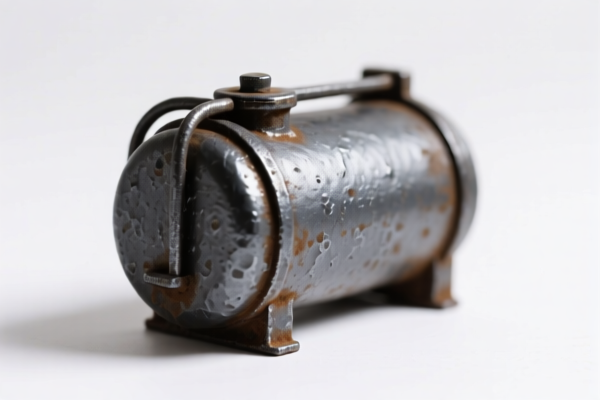
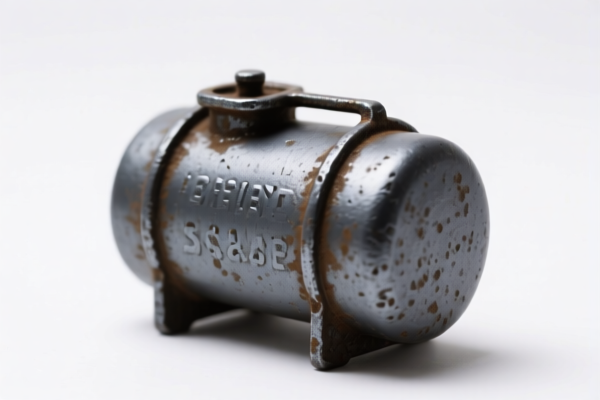
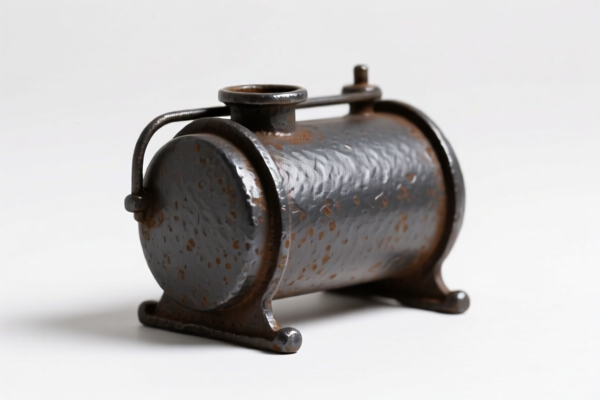
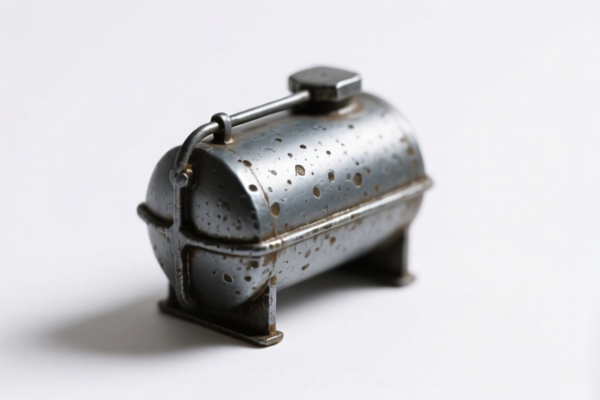
AI Analysis
🎩 Small Iron Cap (Metal Closure Caps)
🌐 HS Code Reference & Customs Clearance Guide | 2026 Latest Tariff Analysis | Strategic Clearance Strategies
📌 I. Product Definition & Classification: Do You Really Know "Small Iron Caps"?
"Small Iron Cap" is a generic commercial term often referring to metal closures, crown corks, or protective caps made primarily of steel or other base metals. In international trade, these products are classified based on their specific function, material composition, and structural design. They are generally divided into three main categories:
- Bottle/Canning Closures (Crown Corks): Specifically designed for sealing glass bottles (beverages, pharmaceuticals).
- Fasteners & Mechanical Parts: Nuts, washers, or threaded caps used in machinery construction.
- Other Metal Containers/Accessories: General-purpose caps, plugs, or lids for industrial containers.
⚠️ Critical Distinction Point:
- If the item is a crown cork for bottles → Typically falls under Chapter 83 (Miscellaneous Manufactured Articles of Base Metal) or Chapter 73 (Articles of Iron or Steel) depending on specific design and binding.
- If the item is a nut/fastener → Falls under Chapter 73 (Iron/Steel Fasteners).
- If the item is a general metal cap/lid not elsewhere specified → Falls under Chapter 83 or Chapter 73.
📦 II. HS Code Classification Details (2026 Latest Tariff Authority Cross-Reference)
Based on the provided data, here are the specific HS Codes applicable to "Small Iron Caps" and the reasons for their classification:
| HS Code | Product Description | Reason for Classification | Tax Rate Details |
|---|---|---|---|
| 8309.10.00.00 | Small Iron Cap, Iron Top Cover/Cap | Classified as "Metal Closures/Caps" under Chapter 83 (Miscellaneous Articles). This code specifically covers crowncorks, stoppers, caps, and other article closures of base metal. | Total Tax: 35.0% - Base: 0.0% - Section 301: 25.0% - Section 122: 10% |
| 7326.90.86.88 | Small Iron Cap, Other Iron/Steel Products | Classified as "Other Articles of Iron or Steel" under Chapter 73. Used if the cap is a general metal part not specifically designed as a bottle closure or fastener. Note: Steel/Aluminum/Copper products face an additional 50% surcharge. | Total Tax: 87.9% - Base: 2.9% - Section 301: 25.0% - Section 122: 10% - Steel/Al/Cu Surcharge: 50% |
| 7318.29.00.00 | Small Iron Cap, Iron Fasteners | Classified as "Other Nuts and Washers" under Chapter 73. If the "cap" functions as a nut or threaded fastener (e.g., a cap nut, hex cap nut), it falls here. Note: Steel/Aluminum/Copper products face an additional 50% surcharge. | Total Tax: 87.8% - Base: 2.8% - Section 301: 25.0% - Section 122: 10% - Steel/Al/Cu Surcharge: 50% |
| 7326.19.00.80 | Small Iron Cap, Other Steel Products | Classified as "Other Articles of Iron/Steel" under Chapter 73. Similar to 7326.90.86.88, this is for general steel components. Note: Steel/Aluminum/Copper products face an additional 50% surcharge. | Total Tax: 87.9% - Base: 2.9% - Section 301: 25.0% - Section 122: 10% - Steel/Al/Cu Surcharge: 50% |
| 8309.90.00.80 | Small Iron Cap, Other Base Metal Closures/Caps | Classified as "Other Metal Closures/Caps" under Chapter 83. For caps made of other base metals (not iron/steel) or designs not covered by 8309.10. | Total Tax: 37.6% - Base: 2.6% - Section 301: 25.0% - Section 122: 10% |
🔍 Key Reminder:
- The 8309 series (35%-37.6%) is significantly lower tax than the 73 series (87.8%-87.9%).
- The 73 series incurs an additional 50% tariff on Steel, Aluminum, and Copper products, pushing the total tax to nearly 90%.
- Misclassification is costly: Classifying a simple bottle cap (8309) as a general steel part (7326) can double your duty burden!
💰 III. 2026 Latest Tariff Rate Breakdown (Including Surcharges & Policy Add-ons)
✅ Applicable Country: United States (US)
✅ Origin: China (CN)
✅ Effective Date: Current rates applicable as of 2026 tariff schedules.
🎯 1. 8309.10.00.00 & 8309.90.00.80 – Metal Closures/Caps (Chapter 83)
| Item | Content |
|---|---|
| Base Tariff | 0.0% - 2.6% (ad valorem) |
| Section 301 Surcharge | +25.0% (US Trade Law Section 301) |
| Section 122 Surcharge | +10.0% (Specific Chinese goods surcharge) |
| Total Effective Rate | 35.0% – 37.6% |
| Tax Calculation | CIF Value × (35.0% to 37.6%) |
| De Minimis Exemption | ❌ Not Applicable (De minimis does not apply to Section 301/122 tariffs) |
| Legal Basis | HTSUS:8309.10.00.00 / 8309.90.00.80 → Section 301 → Section 122 |
📌 Explanation:
- These codes benefit from lower base tariffs because they are classified as "Miscellaneous Articles" rather than heavy industrial steel products.
- However, Section 301 (25%) and Section 122 (10%) still apply, resulting in a total tax of ~35-38%.
- This is the optimal classification for bottle caps, crowncorks, and general metal lids.
🎯 2. 7318.29.00.00, 7326.19.00.80, 7326.90.86.88 – Steel/Aluminum/Copper Articles (Chapter 73)
| Item | Content |
|---|---|
| Base Tariff | 2.8% - 2.9% (ad valorem) |
| Section 301 Surcharge | +25.0% (US Trade Law Section 301) |
| Section 122 Surcharge | +10.0% (Specific Chinese goods surcharge) |
| Steel/Al/Cu Surcharge | +50.0% (Critical Additional Tariff) |
| Total Effective Rate | 87.8% – 87.9% |
| Tax Calculation | CIF Value × 87.9% |
| De Minimis Exemption | ❌ Not Applicable |
| Legal Basis | HTSUS:7318.29.00.00 / 7326... → Section 301 → Section 122 → Steel/Al/Cu 50% Surcharge |
📌 Warning:
- The 50% additional tariff on Steel, Aluminum, and Copper products is the primary driver of the high tax rate.
- If your "Small Iron Cap" is made of steel, and it is classified under Chapter 73 (e.g., as a general steel article or fastener), you will pay ~88% tax.
- This is nearly double the cost compared to Chapter 83 classification.
🛠️ IV. Customs Clearance Practical Advice (Avoid Pitfalls Guide)
✅ 1. Prepare Documentation Checklist (Must-Haves)
| Document | Required | Notes |
|---|---|---|
| ✅ Product Specifications | ✔️ | Clearly state material (Iron/Steel/Aluminum), dimensions, and intended use (e.g., "Bottle Cap," "Nut," "General Cap"). |
| ✅ Product Photos | ✔️ | Show the item from multiple angles, including threading, sealing mechanism, and any markings. |
| ✅ Commercial Invoice | ✔️ | Use precise HS Code description. Avoid vague terms like "Iron Part." Use "Metal Bottle Cap" or "Steel Fastener." |
| ✅ Bill of Lading | ✔️ | Ensure weight and quantity match invoice. |
| ✅ Certificate of Origin | ✔️ | If applicable for preferential treatment (though rare for China-origin goods under current tariffs). |
✅ 2. Classification Strategy (Key Mantra)
🔥 "Function Dictates Code! Bottle Cap = 8309; Nut = 7318; General Part = 7326 (High Tax)!"
| Scenario | Correct Classification | Incorrect Classification | Tax Impact |
|---|---|---|---|
| Bottle Cap / Crown Cork | 8309.10.00.00 |
7326.90.86.88 |
Save ~53% (35% vs 88%) |
| Cap Nut / Hex Cap Nut | 7318.29.00.00 |
8309.90.00.80 |
Pay ~50% more (88% vs 38%) |
| General Steel Plug/Cap | 7326.90.86.88 |
8309.10.00.00 |
Pay ~53% more (88% vs 35%) |
| Aluminum Cap | 7326.90.86.88 or 8309.90.00.80 |
N/A | Check material; if Al, may fall under 8309 or 7326 with 50% surcharge. |
📌 Critical Advice:
- If the cap is for sealing bottles, jars, or cans, argue for Chapter 83 (8309). This is the most tax-efficient route for "caps."
- If the cap is a fastener (nut), it must be Chapter 73 (7318). No alternative.
- If the cap is a general industrial part (not a bottle cap, not a fastener), it falls under Chapter 73 (7326). This is the most expensive category due to the 50% steel/aluminum surcharge.
- Do not misclassify a fastener as a closure to save tax. Customs can penalize for fraud. Ensure the product's primary function matches the HS Code description.
✅ 3. Special Cases & Mitigation
| Situation | Recommendation |
|---|---|
| Mixed Materials | If the cap is steel with a rubber/plastic lining, the base metal (steel) determines the chapter (73 or 83). |
| OEM Custom Caps | Provide design drawings. If it’s a unique non-standard cap, try to argue for 8309.90.00.80 (Other Closures) rather than 7326 (Other Articles). |
| Aluminum Caps | Aluminum caps also face the 50% surcharge if classified under Chapter 73. Check if they can be classified under 8309 (if they are closures) to avoid the surcharge. |
| High-Value Items | For high-value shipments, consider Advance Ruling (Pre-Ruling) from U.S. Customs to confirm the HS Code and avoid unexpected 88% duties. |
🌍 V. Global Market Comparison (2026 Overview)
| Country/Region | Recommended HS Code | Estimated Duty (China Origin) | Notes |
|---|---|---|---|
| 🇺🇸 USA | 8309.10.00.00 |
35.0% | Avoid 7326 (87.9%) unless it's a fastener. |
| 🇺🇸 USA | 7318.29.00.00 |
87.8% | Only for fasteners/nuts. |
| 🇨🇳 China | 8309.10.00.00 |
~5-10% | Lower import duties in China. |
| 🇪🇺 EU | 8309.10.00.00 |
~0-2% | No Section 301/122 equivalents. |
| 🇬🇧 UK | 8309.10.00.00 |
~0-2% | Post-Brexit tariffs favorable for closures. |
📌 Conclusion:
- The USA is the most challenging market for "Small Iron Caps" due to Section 301, Section 122, and the 50% Steel/Al surcharge.
- Strategic Classification: Aim for 8309 (Closures) to keep tax at ~35%. Avoid 7326 (General Steel Parts) which hits ~88%.
📌 VI. Common Errors & Pitfalls (Lessons Learned)
❌ Error 1: Classifying a bottle cap as a general steel part (7326)
👉 Result: Tax jumps from 35% to 88% → Cost increase of 53%!
❌ Error 2: Classifying a fastener (nut) as a closure (8309)
👉 Result: Customs rejection, penalty, and potential fraud charges. Function must match HS Code.
❌ Error 3: Ignoring the 50% Steel/Aluminum Surcharge
👉 Result: Underestimating landed cost by ~50% if classified under Chapter 73.
❌ Error 4: Vague Descriptions like "Iron Cap"
👉 Result: Customs may reclassify to the highest applicable rate. Always specify: "Steel Bottle Cap" or "Hex Cap Nut."
✅ Correct Practice:
"Steel Crown Cork for Beverage Bottles, Diameter 26mm, HS 8309.10.00.00"
🎯 VII. Conclusion: Precision Classification Saves Money!
🎯 Remember the Mantra:
🔹 "Bottle Cap = 8309 (35%)! Fastener = 7318 (88%)! General Steel = 7326 (88%)!"
🔹 "Avoid Chapter 73 unless it's a Fastener! It costs double!"
📌 Pro Tip:
If your product is a cap/nut combination or has a complex structure, consult a customs broker for a Pre-Ruling. A small investment in classification advice can save thousands of dollars in duties.
📣 Immediate Action:
📞 Contact a licensed customs broker
📄 Provide detailed product photos and function description
🚀 Optimize your HS Code to 8309.10.00.00 (if applicable) and reduce your tax burden by over 50%!
✨ Professional Customs Clearance Starts with Accurate Classification!
💼 Every Percent of Duty Saved is Pure Profit!
Customer Reviews
About HS Code Classification
The Harmonized System (HS) is an internationally standardized nomenclature developed by the World Customs Organization (WCO) to classify traded products. Over 200 countries use the HS system as the basis for customs tariffs, trade statistics, and import/export regulations.
Each HS code follows a hierarchical structure:
- Chapter (2 digits) — Broad category of goods (e.g., Chapter 84: Machinery and Mechanical Appliances)
- Heading (4 digits) — More specific grouping within the chapter
- Subheading (6 digits) — Internationally standardized breakdown, used by all WCO member countries
- National subdivisions (8-10 digits) — Country-specific extensions for further classification, such as US HTSUS 10-digit codes
Correct HS code classification is essential for smooth customs clearance, accurate duty payment, and compliance with trade regulations. Misclassification can lead to customs delays, overpayment of duties, or penalties.
When importing from CN to US, the applicable tariff rates may include:
- Most-Favored-Nation (MFN) rate — The standard duty rate applied to WTO members
- General rate — Applied to countries without trade agreements
- Trade remedy duties — Additional tariffs such as Section 301 (anti-dumping), Section 232 (national security), or countervailing duties
The information provided on this page is for reference purposes only. For official classification, please consult with your local customs authority or a licensed customs broker.