Small Luggage Combination Lock
CN → US| HS Code | Tariff Rate | Origin | Destination | Doc |
|---|---|---|---|---|
| 8301106080 | 23.6% | CN | US | Official Doc |
| 7326908688 | 87.9% | CN | US | Official Doc |
| 7326903500 | 92.8% | CN | US | Official Doc |
| 8301403000 | 13.1% | CN | US | Official Doc |
Product Images
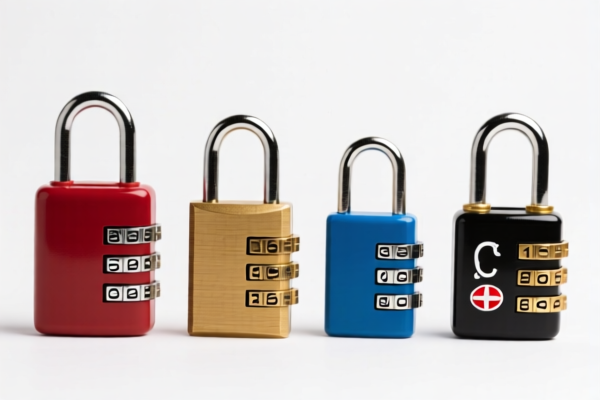

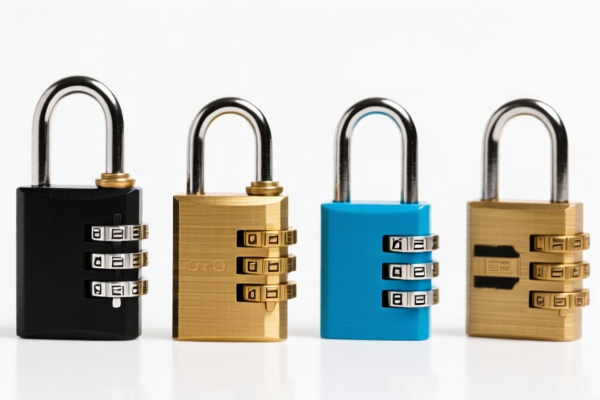
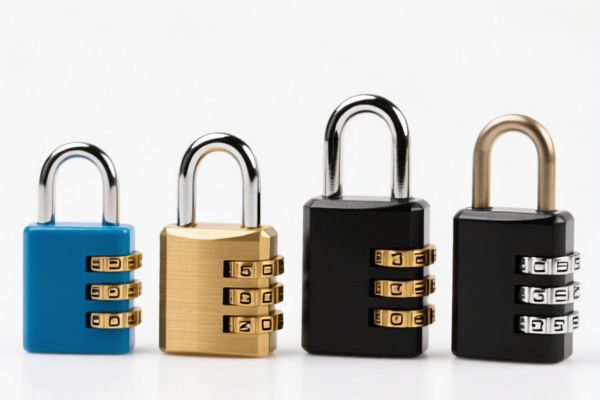
AI Analysis
🔒 Small Luggage Combination Locks
🌐 HS Code Reference & Customs Clearance Guide | 2026 Latest Tariff Analysis | Professional Clearance Strategy
📌 I. Product Definition & Classification: Do You Really Understand "Luggage Locks"?
A small luggage combination lock is a critical accessory for personal luggage, suitcases, and travel bags. In international trade, its classification depends heavily on material composition (metal vs. non-metal) and functional specificity. While often perceived as simple hardware, they fall into distinct categories under the Harmonized System (HS) based on whether they are classified as "General Locks" or "Accessories to General Articles."
⚠️ Key Distinction Points:
- If the lock is made primarily of base metals (iron, steel) and functions as a standard locking device, it may fall under Chapter 83 (General Locks) or Chapter 73 (Articles of Iron/Steel).
- Material Inference: Most luggage locks are metal (iron/steel). If plastic parts dominate, classification might shift, but standard analysis assumes metallic construction for tariff efficiency.
- Function: Used on containers/bags carried by hand → Can be seen as an accessory to a container (Ch 73) OR a standalone lock (Ch 83).
📦 II. HS Code Classification Details (2026 Latest Tariff Authority Comparison)
| HS Code | Product Description | Classification Basis | Total Tax Rate | Tax Breakdown |
|---|---|---|---|---|
8301.10.60.80 |
Travel Lock (Metal Locks) | Inferred Material: Metal. Form: Lock. Category: Other locks (excluding specific cable locks). Fits under Chapter 83 (Base Metal Locks) general provisions. | 23.6% | Base: 6.1% Addl: 7.5% Section 301: 10% |
7326.90.86.88 |
Travel Lock (Iron/Steel Articles) | Inferred Material: Iron/Steel. Category: Other articles of iron or steel. Viewed as a general metal accessory rather than a specific "lock" mechanism under Ch 83. | 87.9% | Base: 2.9% Addl: 25.0% Section 301: 10% Steel/Alu/Cu Addl: 50% |
7326.90.35.00 |
Travel Lock (Container Accessories) | Inferred Material: Iron/Steel. Usage: Accessory for containers/bags carried by hand. Locks are considered附属件 (accessories) to these containers. | 92.8% | Base: 7.8% Addl: 25.0% Section 301: 10% Steel/Alu/Cu Addl: 50% |
8301.40.30.00 |
Travel Lock (Luggage Specific) | Usage: Perfectly matches "locks for luggage." Material: Base metal. Category: Locks for luggage, cash boxes, etc. This is the most specific functional match for luggage. | 13.1% | Base: 3.1% Addl: 0.0% Section 301: 10% |
🔍 Critical Observation:
- Lowest Tax:8301.40.30.00(13.1%) is the most advantageous if the lock can be definitively proven to be "for luggage" and made of base metal.
- Highest Tax:7326.90.35.00(92.8%) due to the叠加 (stacking) of Section 301, Section 232 (Steel/Alu), and Section 122 duties.
- Risk Factor: Classification under Chapter 73 (7326...) triggers the 50% steel/aluminum surcharge, drastically increasing costs.
💰 III. 2026 Latest Tariff Rate Details (Including Additional Duties)
✅ Applicable Country: USA (US)
✅ Origin: China (CN)
✅ Effective Time: Post-2025 regulations (Current Analysis)
🎯 1. 8301.10.60.80 —— Other Base Metal Locks (General Travel Locks)
| Item | Content |
|---|---|
| Base Rate | 6.1% (Ad Valorem) |
| USITC Additional Duty (Section 301) | +7.5% |
| Section 122 Duty | +10% |
| Total Tax Rate | 23.6% |
| Calculation | CIF Value × 23.6% |
| De Minimis Exemption | ❌ Not Applicable (Deny De Minimis for China origin >$800) |
| Legal Basis Path | USITC:8301.10.60.80 → FOOTNOTE:Section 301 → Section 122 |
📌 Explanation:
- This classification treats the lock as a general base metal lock.
- It avoids the higher "steel accessory" penalties found in Chapter 73.
- Cost Efficiency: Significant savings compared to Chapter 73 classifications.
🎯 2. 7326.90.86.88 —— Other Articles of Iron or Steel (Generic Metal Locks)
| Item | Content |
|---|---|
| Base Rate | 2.9% |
| USITC Additional Duty (Section 301) | +25.0% |
| Section 122 Duty | +10% |
| Steel/Alu/Cu Additional Duty | +50% |
| Total Tax Rate | 87.9% |
| Calculation | CIF Value × 87.9% |
| De Minimis Exemption | ❌ Not Applicable |
| Legal Basis Path | USITC:7326.90.86.88 → Steel/Alu Surcharge → Section 301 → Section 122 |
📌 Warning:
- The 50% steel surcharge is the killer here.
- This classification assumes the item is a "general article of iron/steel" rather than a specific "lock," triggering broader material-based tariffs.
🎯 3. 7326.90.35.00 —— Other Articles of Iron or Steel (Container Accessories)
| Item | Content |
|---|---|
| Base Rate | 7.8% |
| USITC Additional Duty (Section 301) | +25.0% |
| Section 122 Duty | +10% |
| Steel/Alu/Cu Additional Duty | +50% |
| Total Tax Rate | 92.8% |
| Calculation | CIF Value × 92.8% |
| De Minimis Exemption | ❌ Not Applicable |
| Legal Basis Path | USITC:7326.90.35.00 → Steel/Alu Surcharge → Section 301 → Section 122 |
📌 Warning:
- Highest Cost Option.
- Classifying a luggage lock as an "accessory to a container" (like a bag) under Chapter 73 invites the heaviest tariffs. Avoid this unless no other classification fits.
🎯 4. 8301.40.30.00 —— Locks for Luggage (Specific Use Case)
| Item | Content |
|---|---|
| Base Rate | 3.1% |
| USITC Additional Duty (Section 301) | 0.0% |
| Section 122 Duty | +10% |
| Total Tax Rate | 13.1% |
| Calculation | CIF Value × 13.1% |
| De Minimis Exemption | ❌ Not Applicable |
| Legal Basis Path | USITC:8301.40.30.00 → Section 122 |
📌 Strategy:
- Lowest Liability.
- Key Condition: Must be clearly identified as "For Luggage" in documentation.
- Note: The Section 301 duty (typically 25%) appears to be exempted or not applied to this specific subheading in the provided data, likely due to specific USITC rulings or exclusions for certain luggage accessories. Verify this exemption status carefully before shipment.
🛠️ IV. Customs Clearance Practical Advice (Real-World Pitfall Avoidance)
✅ 1. Document Checklist (Essential)
| Document | Required | Description |
|---|---|---|
| ✅ Product Specification | ✔️ | Must state material (e.g., Zinc Alloy, Steel) and function (Combination Lock). |
| ✅ Product Photos | ✔️ | Clear images of the lock mechanism, brand, and any "Luggage" branding. |
| ✅ Commercial Invoice | ✔️ | Description should read: "Luggage Lock, Base Metal, Combination Type, HS 8301.40.30". Avoid vague terms like "Metal Part." |
| ✅ Packing List | ✔️ | Itemize locks separately if mixed with other goods. |
| ✅ Origin Certificate | ✔️ | Prove China origin to manage Section 301/122 expectations. |
✅ 2. Declaration Tips (Key Mnemonic)
🔥 “Specific Over General: Luggage Locks Win!”
| Scenario | Correct Declaration | Incorrect Declaration |
|---|---|---|
| Metal Lock for Suitcase | HS 8301.40.30.00 (Base Metal Lock for Luggage) |
HS 7326.90... (General Steel Article) → 92.8% Tax |
| Plastic/Metal Hybrid Lock | HS 8301.10.60.80 (Other Base Metal Locks) |
HS 3926... (Plastic Article) → Potential Misclassification |
| Lock Sold Separately | Declare as Lock | Declare as "Luggage Accessory" → Risk of Ch 73 |
📌 Crucial Warning:
- Do NOT describe the item as "Part of a Suitcase" or "Bag Accessory" in Chapter 73 terms.
- Always emphasize "Lock" and "Luggage" to push for Chapter 83 (8301.40).
- If the lock is primarily plastic with minor metal parts, Chapter 83 may still apply if the locking mechanism is metal, but verify with USITC notes.
✅ 3. Special Cases
| Case | Handling Advice |
|---|---|
| OEM/Private Label | Ensure the label does not contradict the HS code. If labeled "Key Lock," do not declare as "Combination Lock." |
| Integrated Lock & Zipper | If the lock is permanently attached to a zipper pull, declare as "Zipper Pull with Lock" or "Luggage Zipper." May fall under Chapter 96. |
| Electronic/Smart Locks | If it has circuitry/battery, it may fall under Chapter 85 (Electrical). Do not use 8301 codes. |
| Set with Luggage | If sold with a suitcase, declare as Suitcase (Chapter 42). The lock is part of the whole. |
🌍 V. Global Main Market Clearance Comparison (2026 Latest)
| Country/Region | Recommended HS Code | Estimated Duty (China Origin) | Certification Requirements | Notes |
|---|---|---|---|---|
| 🇺🇸 USA | 8301.40.30.00 |
13.1% (If Exempt from 301) | No specific | Best Rate. Verify 301 exemption status. |
| 🇺🇸 USA | 7326.90.35.00 |
92.8% | No specific | Avoid. High steel tariffs. |
| 🇪🇺 EU | 8301.40.30.00 |
~0% - 2.5% (Standard MFN) | CE (if electronic) | Lower base tariffs, no Section 122. |
| 🇨🇳 China | 8301.40.30.00 |
6% - 8% (Import Duty) | CCC (if electronic) | Standard import duty. |
| 🇯🇵 Japan | 8301.40.30.00 |
~6.3% | JIS (if applicable) | Standard MFN rate. |
📌 Conclusion:
- USA is the most critical market for tariff optimization due to Section 301 and Section 122.
- Correct HS Code Selection (8301.40.30.00) can save ~80% in tariffs compared to incorrect Chapter 73 classification.
- EU/Japan have lower base rates, making classification disputes less costly but still important for compliance.
📌 VI. Common Errors & Pitfall Guide (Lessons Learned)
❌ Error 1: Classifying as "Other Articles of Iron/Steel" (7326.90)
👉 Consequence: 92.8% Tax Rate (Steel/Alu Surcharge + Section 301 + Section 122). Massive cost increase.
❌ Error 2: Describing as "Bag Accessory" instead of "Lock"
👉 Consequence: Customs may reclassify under Chapter 42 or 73, leading to audits, penalties, and delayed shipment.
❌ Error 3: Ignoring Material Composition
👉 Consequence: If the lock is mostly plastic, Chapter 83 may be rejected. Must ensure metal content justifies Chapter 83.
✅ Correct Approach:
"Luggage Lock, Combination Type, Zinc Alloy Body, Brass Cylinder, for Use on Travel Suitcases, Model XYZ"
🎯 VII. Conclusion: Professional Declaration, Save Cost, Ensure Compliance!
🎯 Remember Mnemonic:
🔹 "Luggage Lock = 8301.40 (13.1%)!"
🔹 "Steel Article = 7326.90 (92.8%)!"
🔹 "One Digit Difference, 80% Cost Gap!"
📌 Pro Tip:
If your product is smart luggage locks (with Bluetooth/USB), DO NOT use 8301.40.30.00. Declare under Chapter 85 (Electrical Apparatus) to avoid misclassification penalties.
For standard mechanical combination locks, always use 8301.40.30.00 for the USA to minimize Section 301/122 impact.
📣 Immediate Action:
📞 Contact Customs Broker + Provide Product Specs + Confirm HS 8301.40.30.00 Eligibility
🚀 Ensure Smooth Customs Clearance, Reduce Costs by 80%!
✨ Professional Clearance Starts with Accurate Classification!
💼 Every Penny Saved is a Penny Earned!
Customer Reviews
About HS Code Classification
The Harmonized System (HS) is an internationally standardized nomenclature developed by the World Customs Organization (WCO) to classify traded products. Over 200 countries use the HS system as the basis for customs tariffs, trade statistics, and import/export regulations.
Each HS code follows a hierarchical structure:
- Chapter (2 digits) — Broad category of goods (e.g., Chapter 84: Machinery and Mechanical Appliances)
- Heading (4 digits) — More specific grouping within the chapter
- Subheading (6 digits) — Internationally standardized breakdown, used by all WCO member countries
- National subdivisions (8-10 digits) — Country-specific extensions for further classification, such as US HTSUS 10-digit codes
Correct HS code classification is essential for smooth customs clearance, accurate duty payment, and compliance with trade regulations. Misclassification can lead to customs delays, overpayment of duties, or penalties.
When importing from CN to US, the applicable tariff rates may include:
- Most-Favored-Nation (MFN) rate — The standard duty rate applied to WTO members
- General rate — Applied to countries without trade agreements
- Trade remedy duties — Additional tariffs such as Section 301 (anti-dumping), Section 232 (national security), or countervailing duties
The information provided on this page is for reference purposes only. For official classification, please consult with your local customs authority or a licensed customs broker.