Small Ornament
CN → US| HS Code | Tariff Rate | Origin | Destination | Doc |
|---|---|---|---|---|
| 6913105000 | 17.5% | CN | US | Official Doc |
| 6913905000 | 23.5% | CN | US | Official Doc |
| 4420908000 | 38.2% | CN | US | Official Doc |
| 4420190000 | 13.2% | CN | US | Official Doc |
| 7018905000 | 41.6% | CN | US | Official Doc |
Product Images
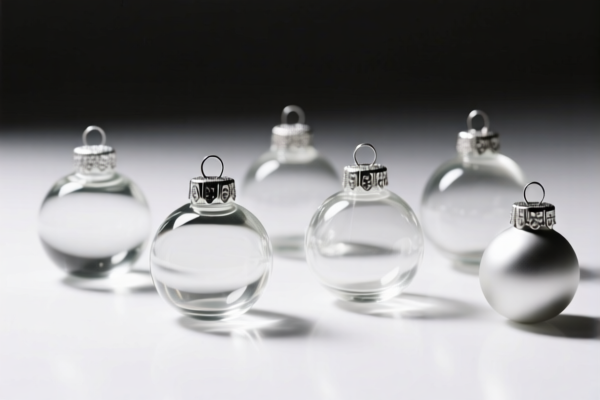
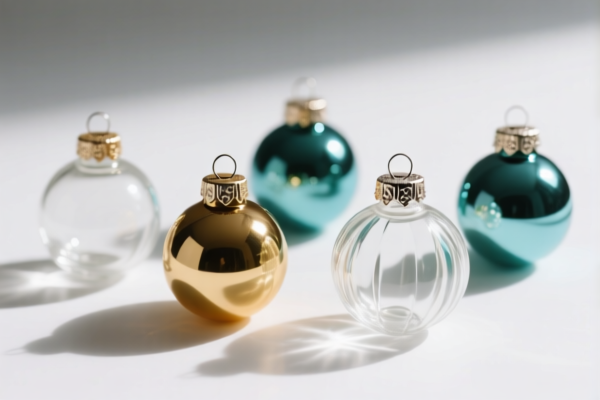
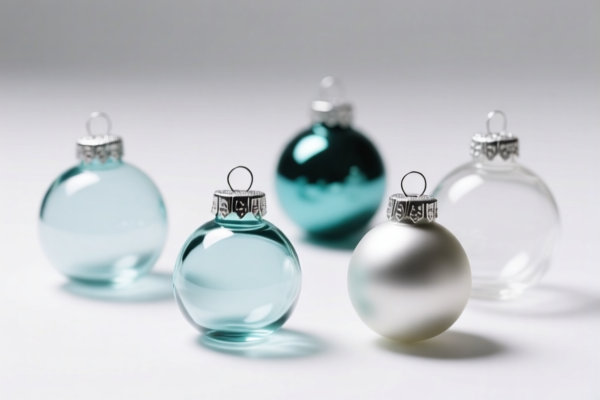
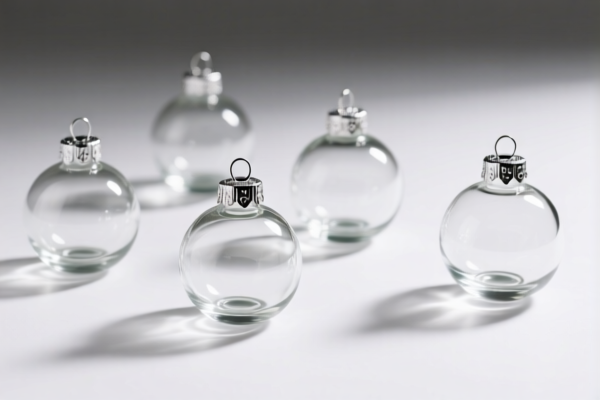
AI Analysis
🎨 Small Ornament (Decorative摆件/Decorations)
🌐 HS Code Reference & Clearance Guide | 2026 Latest Tariff Analysis | Professional Clearance Strategy
📌 I. Product Definition & Classification: Do You Really Understand "Small Ornament"?
In international trade, the term "Small Ornament" (or decorative摆件) is a generic descriptor that lacks specific material or functional definition. This ambiguity makes HS Code classification highly dependent on the material composition and specific usage. Customs authorities require precise material declaration to assign the correct tariff heading.
Common Material Inferences: - Ceramic/Porcelain: Statuettes, vases, ceramic figurines. - Wood: Carved figures, wooden home decor. - Glass: Blown glass decorations, stained glass items.
⚠️ Critical Distinction Point:
- If made of Ceramic → Generally falls under Chapter 69.
- If made of Wood → Generally falls under Chapter 44.
- If made of Glass → Generally falls under Chapter 70.
- Misclassification Risk: Declaring a ceramic ornament as "wood" to lower taxes (if applicable) will lead to severe penalties, back taxes, and potential shipment rejection.
📦 II. HS Code Classification Details (2026 Latest Tariff Authority Comparison)
Based on the provided data, here are the four most likely HS Codes for "Small Ornament" based on material inference:
| HS Code | Product Description | Material Basis | Application Scenario |
|---|---|---|---|
6913.10.50.00 |
Ceramic statues and other ornamental articles | Ceramic | Common decorative figurines, ceramic home decor |
6913.90.50.00 |
Other ceramic statues and other ornamental articles | Ceramic | Other types of ceramic decorations not specified in 6913.10 |
4420.90.80.00 |
Other articles of wood | Wood | Wooden carved ornaments, wooden home decor |
4420.19.00.00 |
Other wood carvings and other articles of wood | Wood | Detailed wood carvings or other wooden decorative items |
7018.90.50.00 |
Other articles of glass | Glass | Glass figurines, blown glass decorations |
🔍 Key Reminder:
- The term "Small Ornament" itself is not a valid HS Code description. You must specify the material (e.g., "Ceramic Decorative Ornament"). - If the material is unknown, customs may reject the declaration or assign the highest possible duty rate based on their own inspection. - Do not assume the HS Code based on price or appearance alone; material is the primary determinant.
💰 III. 2026 Latest Tariff Rate Breakdown (Including Surcharges & Policy Add-ons)
✅ Applicable Country: United States (US)
✅ Origin: China (CN)
✅ Effective Date: From November 10, 2025 (including subsequent imports)
🎯 1. 6913.10.50.00 – Ceramic Statues & Ornamental Articles
| Item | Content |
|---|---|
| Base Tariff | 0.0% (ad valorem) |
| Section 301 Surcharge | +7.5% |
| Section 122 Tariff | +10.0% |
| Total Tariff | 17.5% |
| Tax Calculation | CIF Value × 17.5% |
| De Minimis Exemption | ❌ Not Eligible (High-risk item for de minimis) |
| Legal Basis Path | USITC:6913.10.50.00 → FOOTNOTE:301_Sec7.5 → FOOTNOTE:122_Sec10 |
📌 Explanation:
- Ceramic ornaments generally have a low base tariff but are subject to Section 122 tariffs (often related to trade remedy measures). - Total 17.5% is relatively moderate compared to wood/glass alternatives in this dataset.
🎯 2. 6913.90.50.00 – Other Ceramic Statues & Ornamental Articles
| Item | Content |
|---|---|
| Base Tariff | 6.0% |
| Section 301 Surcharge | +7.5% |
| Section 122 Tariff | +10.0% |
| Total Tariff | 23.5% |
| Tax Calculation | CIF Value × 23.5% |
| De Minimis Exemption | ❌ Not Eligible |
| Legal Basis Path | USITC:6913.90.50.00 → FOOTNOTE:301_Sec7.5 → FOOTNOTE:122_Sec10 |
📌 Explanation:
- This code applies to ceramic items not classified under 6913.10. It has a higher base tariff (6%) than 6913.10, leading to a higher total duty. - Ensure the product fits the specific description of 6913.10 to avoid this higher rate.
🎯 3. 4420.90.80.00 – Other Articles of Wood
| Item | Content |
|---|---|
| Base Tariff | 3.2% |
| Section 301 Surcharge | +25.0% |
| Section 122 Tariff | +10.0% |
| Total Tariff | 38.2% |
| Tax Calculation | CIF Value × 38.2% |
| De Minimis Exemption | ❌ Not Eligible |
| Legal Basis Path | USITC:4420.90.80.00 → FOOTNOTE:301_Sec25 → FOOTNOTE:122_Sec10 |
📌 Explanation:
- Wooden ornaments face a high Section 301 surcharge (25%). - Total 38.2% is significantly higher than ceramic options. This makes wooden decorations expensive to import to the US from China.
🎯 4. 4420.19.00.00 – Other Wood Carvings & Articles
| Item | Content |
|---|---|
| Base Tariff | 3.2% |
| Section 301 Surcharge | 0.0% |
| Section 122 Tariff | +10.0% |
| Total Tariff | 13.2% |
| Tax Calculation | CIF Value × 13.2% |
| De Minimis Exemption | ❌ Not Eligible |
| Legal Basis Path | USITC:4420.19.00.00 → FOOTNOTE:122_Sec10 |
📌 Explanation:
- This is the lowest total tariff (13.2%) among all options. - However, it does not benefit from Section 301 surcharge relief. This may be due to specific exemption lists or product characteristics. - Caution: Verify if your wooden ornament truly qualifies for this code. Misclassification can lead to audits.
🎯 5. 7018.90.50.00 – Other Articles of Glass
| Item | Content |
|---|---|
| Base Tariff | 6.6% |
| Section 301 Surcharge | +25.0% |
| Section 122 Tariff | +10.0% |
| Total Tariff | 41.6% |
| Tax Calculation | CIF Value × 41.6% |
| De Minimis Exemption | ❌ Not Eligible |
| Legal Basis Path | USITC:7018.90.50.00 → FOOTNOTE:301_Sec25 → FOOTNOTE:122_Sec10 |
📌 Explanation:
- Glass ornaments incur the highest total tariff (41.6%) due to the high base rate and Section 301 surcharge. - Avoid this category if cost is a major concern, unless the product is uniquely glass-based and cannot be reclassified.
🛠️ IV. Clearance Practical Advice (Battle-Tested Pitfall Avoidance Guide)
✅ 1. Required Documentation List (None Can Be Omitted)
| Document | Must Provide | Description |
|---|---|---|
| ✅ Product Specification Sheet | ✔️ | Must clearly state material (e.g., "Stoneware," "Pine Wood," "Crystal Glass"), dimensions, and weight. |
| ✅ Product Photos (Clear) | ✔️ | Show the entire item, close-ups of texture/material, and any labels/packaging. |
| ✅ Material Declaration Letter | ✔️ | A signed letter from the manufacturer confirming the primary material. |
| ✅ Commercial Invoice | ✔️ | Must use precise HS Code descriptions, not just "Small Ornament." |
| ✅ Packing List | ✔️ | Detail each item's material and quantity. |
| ✅ Origin Certificate (CO) | ✔️ | If claiming any preferential rates (though unlikely for China-US in this context). |
✅ 2. Declaration Tips (Key Mantras)
🔥 "Material First, Code Second, Name Precise, Tax Clear!"
| Scenario | Correct Declaration | Wrong Practice |
|---|---|---|
| Ceramic Figurine | "Ceramic Decorative Ornament, HS 6913.10.50.00" | "Small Gift" → High audit risk |
| Wooden Statue | "Wooden Decorative Ornament, HS 4420.19.00.00" | "Plastic Ornament" → Fraud/Rejection |
| Glass Decoration | "Glass Blown Ornament, HS 7018.90.50.00" | "Home Decor" → Vague, leads to 41.6% |
| Mixed Materials | Declare principal material | "Mixed Material Ornament" → Customs decides, often highest rate |
✅ 3. Special Case Handling
| Case | Handling Advice |
|---|---|
| Plated Metal Ornament | If >50% metal by value, may fall under Chapter 83. Not in this dataset, but check if applicable. |
| LED Lighted Ornament | If it has electronic components, it may fall under Chapter 85. Avoid Class 69/44/70. |
| Gift Sets (Ornament + Box) | Declare the ornament as the primary item. The box is an accessory. Do not split unless necessary. |
| Custom/Artisanal | Provide portfolio or design sheets to prove unique artistic nature, which might affect classification. |
🌍 V. Global Market Comparison (2026 Latest)
| Country/Region | Recommended HS Code | Tariff (China Origin) | Certification | Notes |
|---|---|---|---|---|
| 🇺🇸 USA | 6913.10.50.00 (Ceramic) |
17.5% | No specific | High Section 122/301 impact |
| 🇨🇳 China | 6913.10.50.00 (Ceramic) |
8% | No | No Section 301/122 |
| 🇪🇺 EU | 6913.90.00 (Ceramic) |
6% | CE (if applicable) | No Section 301/122 |
| 🇬🇧 UK | 6913.90.00 (Ceramic) |
6% | UKCA | No Section 301/122 |
| 🇨🇦 Canada | 6913.90.00 (Ceramic) |
5-6% | No | Generally lower duties |
📌 Conclusion:
- USA is the most expensive market for ornamental imports from China due to Section 301 and Section 122 tariffs. - Ceramic (6913) is often more cost-effective than Wood (4420) or Glass (7018) in the US due to lower base rates and surcharges. - Consider supply chain diversification (e.g., Vietnam, Mexico) if targeting the US market to avoid these surcharges.
📌 VI. Common Errors & Pitfall Guide (Lessons Learned)
❌ Error 1: Using generic terms like "Gift," "Decoration," or "Souvenir" as HS Code description.
👉 Consequence: Customs flags for manual review, delays, and potential penalty.
❌ Error 2: Declaring wooden items as ceramic to avoid 25% Section 301 surcharge.
👉 Consequence: Audit, seizure, fines up to 3x the duty difference, and blacklisting.
❌ Error 3: Ignoring Section 122 Tariff (10%) in total cost calculation.
👉 Consequence: Profit margin erosion. Many importers only account for Section 301.
❌ Error 4: Not specifying material in the invoice.
👉 Consequence: Customs assigns a default higher rate or demands additional documentation, causing delays.
✅ Correct Practice:
"Ceramic Decorative Ornament, Hand-painted, Model XYZ, HS Code: 6913.10.50.00, Origin: China"
🎯 VII. Conclusion: Precise Classification Saves Money!
🎯 Remember the Mantra:
🔹 "Material Dictates Code, Code Dictates Tax."
🔹 Ceramic: 17.5% | Wood (Low): 13.2% | Wood (High): 38.2% | Glass: 41.6%
🔹 "Declare truthfully, calculate accurately, avoid surprises."
📌 Pro Tip:
If your small ornaments are not made of wood, ceramic, or glass (e.g., plastic, metal, resin), they may fall under different chapters (e.g., 3926 for plastic, 8306 for base metal). The provided data is limited to the above five HS Codes. Always verify the correct chapter for your specific material.
📣 Immediate Action:
📞 Contact a professional customs broker + Provide material test reports + Apply for Advance Ruling if importing large volumes.
🚀 Ensure your ornaments pass customs smoothly, efficiently, and profitably!
✨ Professional clearance starts with accurate classification!
💼 Every cent of duty is worth calculating precisely!
Customer Reviews
About HS Code Classification
The Harmonized System (HS) is an internationally standardized nomenclature developed by the World Customs Organization (WCO) to classify traded products. Over 200 countries use the HS system as the basis for customs tariffs, trade statistics, and import/export regulations.
Each HS code follows a hierarchical structure:
- Chapter (2 digits) — Broad category of goods (e.g., Chapter 84: Machinery and Mechanical Appliances)
- Heading (4 digits) — More specific grouping within the chapter
- Subheading (6 digits) — Internationally standardized breakdown, used by all WCO member countries
- National subdivisions (8-10 digits) — Country-specific extensions for further classification, such as US HTSUS 10-digit codes
Correct HS code classification is essential for smooth customs clearance, accurate duty payment, and compliance with trade regulations. Misclassification can lead to customs delays, overpayment of duties, or penalties.
When importing from CN to US, the applicable tariff rates may include:
- Most-Favored-Nation (MFN) rate — The standard duty rate applied to WTO members
- General rate — Applied to countries without trade agreements
- Trade remedy duties — Additional tariffs such as Section 301 (anti-dumping), Section 232 (national security), or countervailing duties
The information provided on this page is for reference purposes only. For official classification, please consult with your local customs authority or a licensed customs broker.