Small Plastic Enclosure Host Unit
CN → US| HS Code | Tariff Rate | Origin | Destination | Doc |
|---|---|---|---|---|
| 8538100000 | 85.0% | CN | US | Official Doc |
| 3926305000 | 22.8% | CN | US | Official Doc |
| 3926909989 | 22.8% | CN | US | Official Doc |
| 8473309100 | 35.0% | CN | US | Official Doc |
| 8473509000 | 35.0% | CN | US | Official Doc |
Product Images
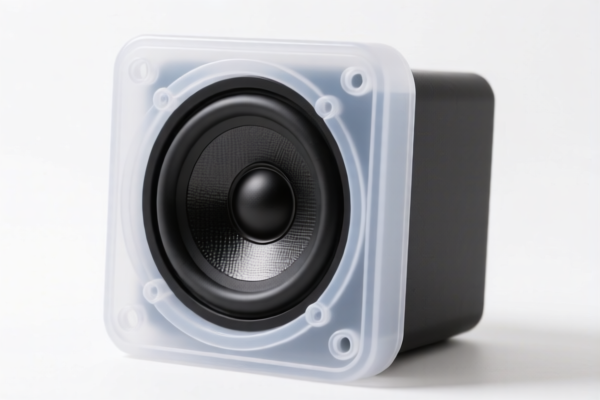
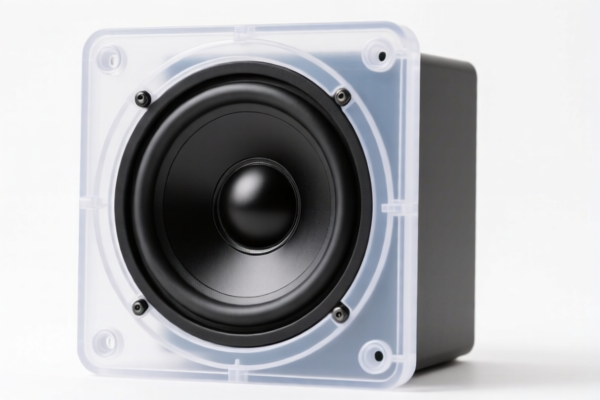
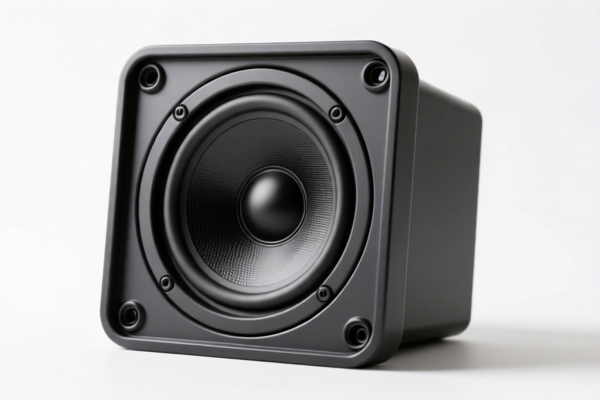
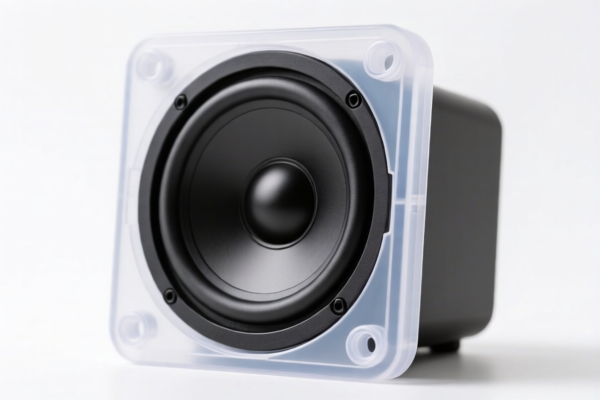
AI Analysis
📦 Small Plastic Enclosure for Host Unit
🌐 HS Code Reference & Customs Clearance Guide | 2026 Latest Tariff Analysis | Professional Clearance Strategy
📌 I. Product Definition & Classification: Do You Really Understand the "Plastic Enclosure"?
The "Small Plastic Enclosure for Host Unit" is a critical component in the assembly of electronic hardware, such as servers, network switches, or industrial control computers. In international trade, its classification depends heavily on its specific design features, compatibility with the host device, and whether it is considered a general plastic part or a dedicated part of a machine.
⚠️ Key Distinction Point:
- If the shell has specific mounting bases, structural features unique to the host, and is dedicated to a specific machine → It is classified as a part/accessory of the machine (Chapter 84/85).
- If the shell is a general-purpose plastic container, generic connector, or non-specific plastic component → It is classified as a plastic article (Chapter 39).
📦 II. HS Code Classification Details (2026 Latest Tariff Authority Comparison)
| HS Code | Product Description | Applicable Scenario | Tax Rate (Total) |
|---|---|---|---|
8538.10.00.00 |
Small Plastic Enclosure for Host Unit (Dedicated Part) | Matches specific equipment; has base features; dedicated parts | 85.0% |
3926.30.50.00 |
Plastic Enclosure (Other Plastic Articles & Connectors) | General plastic housing, not specific to one machine | 22.8% |
3926.90.99.89 |
Plastic Shell/Component (Other Plastic Articles) | Generic plastic parts under "Other Articles" | 22.8% |
8473.30.91.00 |
Plastic Shell for Host (Parts/Accessories Class) | Parts/accessories category, other sub-headings | 35.0% |
8473.50.90.00 |
Plastic Enclosure Component (Machine Parts Other) | Logic fits "other machine parts" category | 35.0% |
🔍 Key Reminder:
- Dedicated vs. General: The biggest risk is misclassifying a dedicated machine part (8538or8473) as a general plastic good (3926) to save tax. If the shell has specific bases or is custom-made for the host, it must be classified under Chapter 84/85.
- Tax Impact: The difference between 22.8% and 85.0% is massive. However, incorrect classification leads to severe penalties, delays, and retroactive tax assessments.
💰 III. 2026 Latest Tariff Rate Details (Including Surcharges & Policy Add-ons)
✅ Applicable Country: United States (US)
✅ Origin: China (CN)
✅ Effective Time: Current tariff regime (Section 301, Section 122, IEEPA)
🎯 1. 8538.10.00.00 —— Small Plastic Enclosure (Dedicated Part, Base Features)
| Item | Content |
|---|---|
| Basic Tariff | 0.0% (Ad Valorem) |
| Section 301 Surcharge | +25.0% |
| Section 122 Tariff | +10.0% (Specific to certain electronics/parts) |
| Section 232 (Steel/Aluminum/Copper) | +50.0% (If applicable to metallic components within the assembly, or if the tariff structure includes steel/aluminum surcharges for related parts) |
| Total Tariff | 85.0% |
| Tax Calculation | CIF Value × 85.0% |
| De Minimis Exemption | ❌ Not Eligible (Deny De Minimis) |
| Legal Basis Path | Section 301: 8538.10.00.00 → Section 122 → Section 232 |
📌 Explanation:
- "Section 301 25%": Standard Section 301 tariff on Chinese-origin parts.
- "Section 122 10%": Additional tariff on certain electronic components/parts.
- "Section 232 50%": If the product involves steel/aluminum/copper content or is linked to national security concerns, this high surcharge may apply.
- Total 85%: This is an extremely high tariff. It is crucial to verify if the product truly falls under this code or if a lower-duty alternative exists.
🎯 2. 3926.30.50.00 & 3926.90.99.89 —— General Plastic Enclosures/Components
| Item | Content |
|---|---|
| Basic Tariff | 5.3% |
| Section 301 Surcharge | +7.5% |
| Section 122 Tariff | +10.0% |
| Total Tariff | 22.8% |
| Tax Calculation | CIF Value × 22.8% |
| De Minimis Exemption | ❌ Not Eligible (Usually denied for Section 301 goods) |
| Legal Basis Path | Section 301: 3926.xxxx → Section 122 |
📌 Explanation:
- "Basic 5.3%": Standard MFN tariff for plastic articles.
- "Section 301 7.5%": Lower rate for certain plastic goods under Section 301.
- "Section 122 10%": Additional tariff.
- Total 22.8%: Significantly lower than the 85% for dedicated parts. However, this classification is only valid if the enclosure is not dedicated to a specific machine (e.g., generic boxes, general-purpose plastic connectors). If it has specific bases or host-specific shapes, this classification is incorrect.
🎯 3. 8473.30.91.00 & 8473.50.90.00 —— Plastic Shells as Machine Parts
| Item | Content |
|---|---|
| Basic Tariff | 0.0% |
| Section 301 Surcharge | +25.0% |
| Section 122 Tariff | +10.0% |
| Total Tariff | 35.0% |
| Tax Calculation | CIF Value × 35.0% |
| De Minimis Exemption | ❌ Not Eligible |
| Legal Basis Path | Section 301: 8473.xxxx → Section 122 |
📌 Explanation:
- "Basic 0.0%": Many machine parts have 0% basic tariff.
- "Section 301 25%": Standard Section 301 surcharge.
- "Section 122 10%": Additional tariff.
- Total 35.0%: A middle-ground option. This applies if the plastic shell is considered a part of the machine but not specifically covered under8538(which is for parts of goods of heading 85.37).
🛠️ IV. Customs Clearance Practical Advice (Real-World Pitfall Avoidance Guide)
✅ 1. Preparation Checklist (Missing Items Cannot Be Cleared)
| Document | Mandatory | Description |
|---|---|---|
| ✅ Product Specifications | ✔️ | Dimensions, material (ABS, PC, etc.), weight, color. |
| ✅ Design Drawings/CAD Files | ✔️ | Crucial! Proves if the shell has specific bases or host-specific features. |
| ✅ Product Photos (With Label) | ✔️ | Clear images showing any mounting points, brackets, or specific shapes. |
| ✅ Commercial Invoice | ✔️ | Must clearly state: "Plastic Enclosure for [Specific Machine Model]" or "Generic Plastic Shell". |
| ✅ Packing List | ✔️ | List all components. If sold as a set, declare together. |
| ✅ Third-Party Test Report | ✔️ | If applicable (e.g., RoHS, REACH). |
| ✅ Origin Certificate | ✔️ | If not Chinese origin, to claim exemptions. |
✅ 2. Declaration Tips (Key Mnemonics)
🔥 "Dedicated Parts? Check the Base! Generic Boxes? Keep it Simple!"
| Scenario | Correct Declaration | Incorrect Practice |
|---|---|---|
| Shell with specific bases/brackets for Host Unit | 8538.10.00.00 (85%) or 8473.30.91.00 (35%) |
Misclassifying as 3926 (22.8%) → Audit Risk! |
| Generic Plastic Box/Container | 3926.30.50.00 or 3926.90.99.89 (22.8%) |
Misclassifying as machine part → Unnecessary High Tax |
| Shell sold with Host Unit | Declare as Accessory or Part of the main machine | Separate declaration if not logically linked → Complexity |
| Shell without any specific features | 3926.xxxx (22.8%) |
Over-complicating with machine part codes |
✅ 3. Special Case Handling
| Scenario | Handling Advice |
|---|---|
| OEM Custom Enclosure | Provide Customer Order + Design Drawings. Prove it is dedicated to avoid "Generic" classification errors, but be aware of the 85% tax if it falls under 8538. |
| Modular Plastic Connectors | If it’s a connector (not a housing), it might fall under 3926.30.50.00 (22.8%). Ensure it’s not a housing. |
| Combined Plastic/Metal Part | If the shell has metal bases or steel screws, the Section 232 (50%) surcharge for steel/aluminum may apply, pushing the total to 85%. |
| Pre-Cutting/Empty Shell | Ensure it’s not a semi-finished product that could be classified under raw material codes. |
🌍 V. Global Market Clearance Comparison (2026 Latest)
| Country/Region | Recommended HS Code | Tariff | Certification | Note |
|---|---|---|---|---|
| 🇺🇸 USA | 8538.10.00.00 or 3926.30.50.00 |
22.8% ~ 85.0% | None Specific | Section 301 + 122 + 232 apply. High risk. |
| 🇨🇳 China | 3926.90.99.89 |
5% | RoHS | Lower tax, no Section 301. |
| 🇪🇺 EU | 3926.90.99.90 |
0% ~ 3% | CE + RoHS | No Section 301. Favorable for plastic goods. |
| 🇬🇧 UK | 3926.90.90.90 |
0% ~ 4% | UKCA | Post-Brexit rules apply. |
| 🇯🇵 Japan | 3926.90.99.90 |
0% ~ 5% | PSE | No Section 301. |
📌 Conclusion:
- The US is the most expensive market due to Section 301, 122, and 232 tariffs.
- Plastic enclosures are high-risk items because of the dedicated vs. generic classification debate.
- China/EU/Japan offer much lower tariff burdens for similar goods.
📌 VI. Common Mistakes & Pitfall Guide (Lessons Learned the Hard Way)
❌ Mistake 1: Classifying a dedicated host shell as a generic plastic box (3926)
👉 Consequence: Customs audit → Back taxes + Penalties → Seizure of Goods.
👉 Why: The shell has specific bases that only fit the host unit. It is a part, not a general good.
❌ Mistake 2: Ignoring Section 232 (Steel/Aluminum/Copper) surcharges
👉 Consequence: If the shell has metal mounting brackets or steel screws, the 50% surcharge may apply, making the total 85%.
👉 Why: Many "plastic" enclosures have metal hardware that triggers Section 232.
❌ Mistake 3: Misdeclaring the product name
👉 Consequence: If you declare it as "Plastic Box" but it’s actually a "Host Unit Enclosure", customs may reclassify it.
👉 Why: The name must reflect the actual function and dedication.
❌ Mistake 4: Assuming De Minimis applies
👉 Consequence: Small shipments are not exempt from Section 301/122/232 tariffs.
👉 Why: US law explicitly denies de minimis for these goods from China.
✅ Correct Approach:
"Plastic Enclosure for [Host Model], with Specific Mounting Bases, Model XYZ, Made in China"
🎯 VII. Conclusion: Precise Classification Saves Money!
🎯 Remember the Mnemonic:
🔹 "Dedicated Shell? High Tax! Generic Box? Low Tax! Check the Base First!"
🔹 "HS Code Determines Fate, Tax Difference is Huge, Wrong Declaration Costs Thousands!"
📌 Pro Tip:
- If your enclosure is truly generic, ensure it has no host-specific features (no specific bases, no unique locking mechanisms).
- If it is dedicated, consider tariff engineering: Can it be modified to be less specific? (Consult a customs broker).
- Apply for an Advance Ruling from US Customs (CBP) to get a binding classification decision. This is crucial for high-value shipments.
📣 Immediate Action:
📞 Contact a Professional Customs Broker + Provide Design Drawings + Apply for Pre-Ruling
🚀 Ensure your Plastic Enclosures clear customs smoothly, avoiding 85% Tax Traps!
✨ Professional Clearance Starts with Accurate Classification!
💼 Every Dollar Saved is Profit Earned!
Customer Reviews
About HS Code Classification
The Harmonized System (HS) is an internationally standardized nomenclature developed by the World Customs Organization (WCO) to classify traded products. Over 200 countries use the HS system as the basis for customs tariffs, trade statistics, and import/export regulations.
Each HS code follows a hierarchical structure:
- Chapter (2 digits) — Broad category of goods (e.g., Chapter 84: Machinery and Mechanical Appliances)
- Heading (4 digits) — More specific grouping within the chapter
- Subheading (6 digits) — Internationally standardized breakdown, used by all WCO member countries
- National subdivisions (8-10 digits) — Country-specific extensions for further classification, such as US HTSUS 10-digit codes
Correct HS code classification is essential for smooth customs clearance, accurate duty payment, and compliance with trade regulations. Misclassification can lead to customs delays, overpayment of duties, or penalties.
When importing from CN to US, the applicable tariff rates may include:
- Most-Favored-Nation (MFN) rate — The standard duty rate applied to WTO members
- General rate — Applied to countries without trade agreements
- Trade remedy duties — Additional tariffs such as Section 301 (anti-dumping), Section 232 (national security), or countervailing duties
The information provided on this page is for reference purposes only. For official classification, please consult with your local customs authority or a licensed customs broker.