Small Storage Bag
CN → US| HS Code | Tariff Rate | Origin | Destination | Doc |
|---|---|---|---|---|
| 3923900080 | 38.0% | CN | US | Official Doc |
| 4202923120 | 52.6% | CN | US | Official Doc |
| 6307909891 | 24.5% | CN | US | Official Doc |
| 4202923131 | 52.6% | CN | US | Official Doc |
| 6307909875 | 24.5% | CN | US | Official Doc |
Product Images
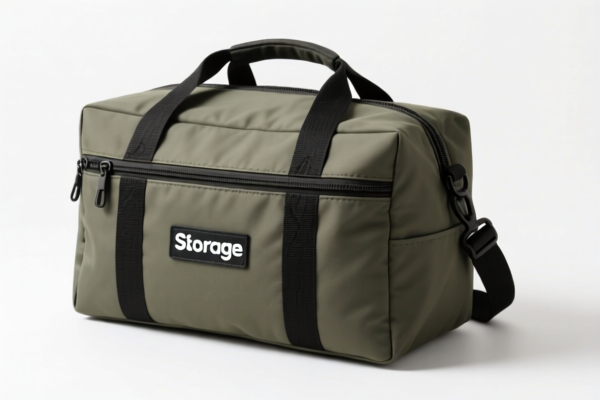
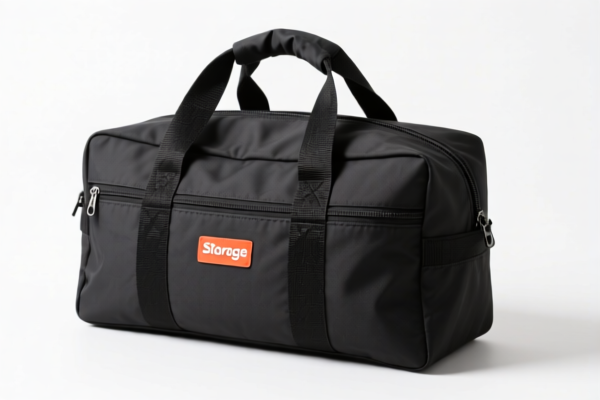
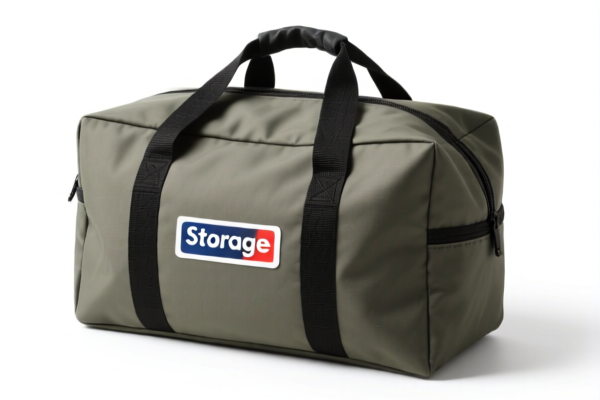
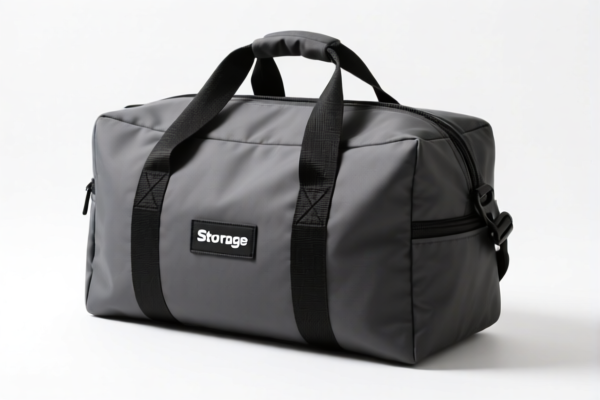
AI Analysis
👜 Travel & Storage Bags: HS Code Classification & Duty Breakdown (2026)
🌐 HS Code Reference & Customs Clearance Guide | 2026 Latest Tariff Analysis | Professional Clearance Strategy
📌 Part 1: Product Definition & Classification: Do You Really Know "Small Storage Bags"?
"Small Storage Bags" (often referred to as Travel Organizers or Packing Cubes) are versatile goods used for organizing luggage, toiletries, or daily items. In international trade, their classification depends heavily on material composition and intended use. They generally fall into three main categories:
Plastic/Synthetic Packaging (Ch 39): Bags made primarily of plastic films or sheets, treated as packaging containers. Textile/Luggage Goods (Ch 42): Bags made of textile materials, specifically designed for travel or personal carry-on use. Other Made-up Textile Articles (Ch 63): General textile articles that don't fit specific luggage definitions, often used for general storage.
⚠️ Key Distinction Points:
- If the bag is primarily plastic/polymer and used for packaging/storage →归入 3923.90.00.80
- If the bag is made of textiles and designed for travel/luggage organization →归入 4202.92.31.20 / 4202.92.31.31
- If the bag is a general textile item without specific travel features →归入 6307.90.98.91 / 6307.90.98.75
📦 Part 2: HS Code Classification Details (2026 Latest Tariff Authority Comparison)
| HS Code | Product Description | Application Scenario | Primary Material |
|---|---|---|---|
3923.90.00.80 |
Other articles for the conveyance or packaging of goods | Plastic storage bags, vacuum seal bags, general packaging | ✅ Plastic / Synthetic |
4202.92.31.20 |
Trunks, suitcases, vanity cases, etc., with outer surface of textile materials | Travel organizers, packing cubes, toiletry kits | ✅ Textile Materials |
4202.92.31.31 |
Other articles of traveling, sports, or similar bags, with outer surface of textile materials | Niche travel accessories, specific textile pouches | ✅ Textile Materials |
6307.90.98.91 |
Other made up articles of textiles, not elsewhere specified | General textile storage bags, non-travel specific organizers | ✅ Textile Materials |
6307.90.98.75 |
Other made up articles of textiles, for general use | Generic textile storage solutions, soft containers | ✅ Textile Materials |
🔍 Important Reminder:
- Material is Key: Customs will inspect the outer surface material. A plastic-coated textile bag might still be classified under Ch 42 if it retains the structure of a textile article, but pure plastic films go to Ch 39. - Function Matters: If it is clearly a "travel accessory" (like packing cubes), Ch 42 is often preferred over Ch 63 to avoid "other articles" dumping grounds, though Ch 63 offers lower taxes (see below).
💰 Part 3: 2026 Latest Tariff Rate Details (Including Surtaxes & Policy Add-ons)
✅ Applicable Country: United States (US)
✅ Origin: China (CN)
✅ Effective Time: Post-2025 policies (including subsequent imports)
🎯 1. 3923.90.00.80 —— Plastic Packaging/Storage Bags
| Item | Content |
|---|---|
| Basic Tariff | 3.0% (ad valorem) |
| Section 301 Surtax | +25.0% (Added Duty) |
| IEEPA Surcharge (Section 122) | +10.0% (Targeting Chinese Products) |
| Total Tariff Rate | 38.0% |
| Tax Calculation | CIF Value × 38.0% |
| De Minimis Eligibility | ❌ Not Eligible (High tariff rates typically exclude small parcel benefits) |
| Legal Basis Path | USITC:3923.90.00.80 → FOOTNOTE:301 → IEEPA:122 |
📌 Explanation:
- "Basic Tariff 3.0%" is the standard Most Favored Nation (MFN) rate for plastic articles. - "Section 301 Surtax 25%" is the well-known Trump/Biden era tariff on Chinese goods. - "Section 122 Tariff 10%" is an additional surcharge under the International Emergency Economic Powers Act (IEEPA) targeting specific categories. - Total 38%, which is moderate but significant for low-margin plastic goods.
🎯 2. 4202.92.31.20 & 4202.92.31.31 —— Travel & Textile Bags
| Item | Content |
|---|---|
| Basic Tariff | 17.6% (ad valorem) |
| Section 301 Surtax | +25.0% (Added Duty) |
| IEEPA Surcharge (Section 122) | +10.0% (Targeting Chinese Products) |
| Total Tariff Rate | 52.6% |
| Tax Calculation | CIF Value × 52.6% |
| De Minimis Eligibility | ❌ Not Eligible |
| Legal Basis Path | USITC:4202.92.31 → FOOTNOTE:301 → IEEPA:122 |
📌 Note:
- These codes cover travel-specific textile bags (packing cubes, toiletry bags). - The high basic tariff (17.6%) combined with 35% in surcharges makes this the most expensive category (52.6%). - Even though it's "textile," the "travel" function pushes it into a higher-duty bracket.
🎯 3. 6307.90.98.91 & 6307.90.98.75 —— General Textile Storage Articles
| Item | Content |
|---|---|
| Basic Tariff | 7.0% (ad valorem) |
| Section 301 Surtax | +7.5% (Added Duty) |
| IEEPA Surcharge (Section 122) | +10.0% (Targeting Chinese Products) |
| Total Tariff Rate | 24.5% |
| Tax Calculation | CIF Value × 24.5% |
| De Minimis Eligibility | ❌ Not Eligible (Due to high effective rate) |
| Legal Basis Path | USITC:6307.90.98 → FOOTNOTE:301 → IEEPA:122 |
📌 Crucial Insight:
- This is the LOWEST TARIFF OPTION (24.5%) for textile storage bags. - Strategy: If the bag is not strictly designed for travel (no specific "travel" branding, generic use), classify as "Other Made-up Textile Articles" (Ch 63) rather than "Travel Articles" (Ch 42) to save ~28% in duties. - Risk: Customs may challenge this if the product is clearly marketed as "Travel Packing Cubes." Proof of general use may be required.
🛠️ Part 4: Customs Clearance Practical Advice (Real-World Pitfall Guide)
✅ 1. Preparation Checklist (Missing items will cause delays)
| Document | Required | Description |
|---|---|---|
| ✅ Product Specification Sheet | ✔️ | Must detail material (e.g., "100% Polyester," "PVC Plastic"), dimensions, and weight. |
| ✅ Material Composition Report | ✔️ | Third-party lab test confirming % of textile vs. plastic vs. metal (zippers). |
| ✅ Product Photos (Labeled) | ✔️ | Clear images showing the bag's structure, labels, and intended use. |
| ✅ Commercial Invoice | ✔️ | Must accurately describe the goods. Avoid vague terms like "Bag." Use "Travel Packing Cube" or "Plastic Storage Sack." |
| ✅ Packing List | ✔️ | Details contents to prevent customs from suspecting hidden items. |
✅ 2. Declaration Strategy (Key Mantras)
🔥 "Material Determines Chapter, Use Determines Heading!"
| Scenario | Correct HS Code | Wrong Approach | Consequence |
|---|---|---|---|
| Pure Plastic Storage Bag | 3923.90.00.80 |
Declare as Textile → Misclassification Penalty | 38% Duty |
| Travel Packing Cube (Textile) | 4202.92.31.20 |
Declare as General Textile → Risk of Audit | 52.6% Duty |
| Generic Cloth Storage Bin | 6307.90.98.91 |
Declare as Travel Bag → Higher Tax | 24.5% Duty (Savings!) |
| Mixed Material Bag | Check Outer Surface | Guessing Material → Classification Error | Delay + 52.6% or Higher |
✅ 3. Special Case Handling
| Situation | Recommendation |
|---|---|
| OEM/White Label | Provide design specs to prove generic use if aiming for Ch 63 (24.5%). |
| "Travel" Branding | If the bag is branded "Travel Organizer," Customs will likely push to Ch 42 (52.6%). Consider neutral packaging. |
| Hybrid Materials | If the outer surface is textile but contains >50% plastic coating, Ch 39 might apply, but Ch 42 is more common for structured bags. Consult a broker. |
| De Minimis Loophole? | ⚠️ Warning: With rates of 24.5% to 52.6%, these goods do not qualify for Section 321 (De Minimis) benefits in most high-value shipments. Plan for formal entry. |
🌍 Part 5: Global Market Comparison (2026)
| Country/Region | Recommended HS Code | Tariff (China Origin) | Certification | Notes |
|---|---|---|---|---|
| 🇺🇸 USA | 6307.90.98.91* |
24.5% | None specific | *Lowest tax for textile. Ch 42 is 52.6%. |
| 🇨🇳 China | 6307.90.98.91 |
7.0% | N/A | No surtaxes. |
| 🇪🇺 EU | 6307.90.98 |
~4-5% | CE (if applicable) | Generally low tariffs for textiles. |
| 🇬🇧 UK | 6307.90.98 |
~4-5% | UKCA | Post-Brexit alignment with EU. |
📌 Conclusion:
- The USA imposes the highest barrier due to Section 301 and IEEPA tariffs. - Cost Optimization Strategy: For the US market, try to classify generic storage bags under 6307 (24.5%) instead of 4202 (52.6%) by avoiding "travel-specific" marketing claims if legally permissible.
📌 Part 6: Common Mistakes & Pitfalls (Lessons Learned)
❌ Mistake 1: Calling "Travel Packing Cubes" just "Storage Bags" to get a lower rate, but they are clearly marketed for travel.
👉 Consequence: Customs may reclassify to 4202 (52.6%) and charge back duties + penalties.
❌ Mistake 2: Ignoring the "Section 122" 10% surcharge.
👉 Consequence: Under-declaring duties by 10% on high-volume shipments leads to massive back-taxes.
❌ Mistake 3: Assuming all plastic bags go to 3923.
👉 Consequence: If the bag has a textile lining or is structured like a purse, it might be 4202.
✅ Correct Approach:
"Polyester Travel Packing Cube, Model XYZ, 100% Textile Outer, No Hard Shell. General Use Storage."
(Note: Even with this description, be prepared for Customs to argue for Ch 42 if the shape is distinctly for travel.)
🎯 Part 7: Conclusion: Smart Classification, Smarter Profits
🎯 Remember the Mantra:
🔹 "Travel Tax is High (52.6%), General Textile is Low (24.5%), Plastic is Middle (38.0%)."
🔹 "Define Material First, Then Define Use. Don't let 'Travel' label inflate your costs!"
📌 Pro Tip:
- If you are exporting to the USA, consider supply chain diversification (Vietnam, India, Bangladesh) for textile bags to avoid China-specific surcharges.
- Always request an Advance Ruling from US Customs and Border Protection (CBP) if your shipment volume is high, to lock in the HS Code and duty rate.
📣 Take Action Now:
📞 Engage a licensed customs broker
📝 Verify material composition certificates
🚀 Optimize your HS Code strategy to maximize profit margins!
✨ Professional Clearance Starts with Precise Classification!
💼 Every percentage point of duty counts!
Customer Reviews
About HS Code Classification
The Harmonized System (HS) is an internationally standardized nomenclature developed by the World Customs Organization (WCO) to classify traded products. Over 200 countries use the HS system as the basis for customs tariffs, trade statistics, and import/export regulations.
Each HS code follows a hierarchical structure:
- Chapter (2 digits) — Broad category of goods (e.g., Chapter 84: Machinery and Mechanical Appliances)
- Heading (4 digits) — More specific grouping within the chapter
- Subheading (6 digits) — Internationally standardized breakdown, used by all WCO member countries
- National subdivisions (8-10 digits) — Country-specific extensions for further classification, such as US HTSUS 10-digit codes
Correct HS code classification is essential for smooth customs clearance, accurate duty payment, and compliance with trade regulations. Misclassification can lead to customs delays, overpayment of duties, or penalties.
When importing from CN to US, the applicable tariff rates may include:
- Most-Favored-Nation (MFN) rate — The standard duty rate applied to WTO members
- General rate — Applied to countries without trade agreements
- Trade remedy duties — Additional tariffs such as Section 301 (anti-dumping), Section 232 (national security), or countervailing duties
The information provided on this page is for reference purposes only. For official classification, please consult with your local customs authority or a licensed customs broker.