Smart Bladeless Fan
CN → US| HS Code | Tariff Rate | Origin | Destination | Doc |
|---|---|---|---|---|
| 8509805080 | 14.2% | CN | US | Official Doc |
| 8509805095 | 14.2% | CN | US | Official Doc |
| 8414519090 | 14.7% | CN | US | Official Doc |
| 8414596595 | 37.3% | CN | US | Official Doc |
Product Images
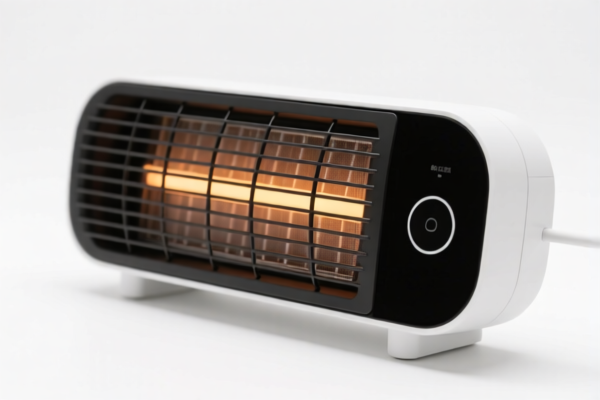
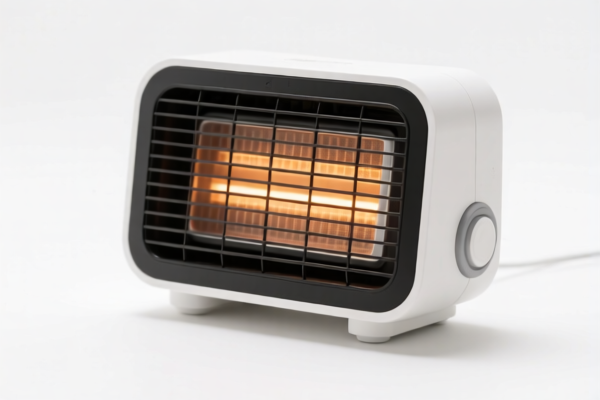
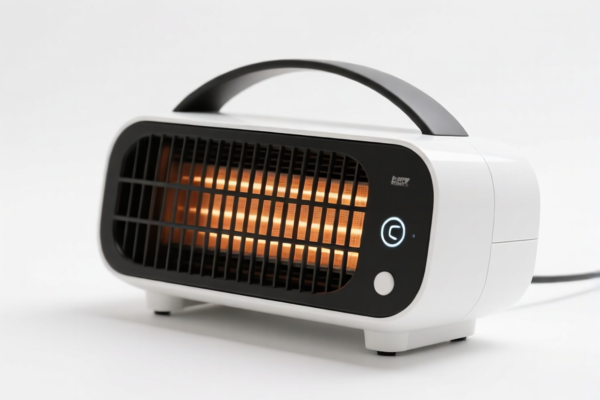

AI Analysis
🌀 Smart Bladeless Fan (Intelligent Air Circulator)
🌐 HS Code Reference & Customs Clearance Guide | 2026 Latest Tariff Analysis | Professional Entry Strategy
📌 I. Product Definition & Classification: Do You Really Understand "Bladeless Fans"?
Smart bladeless fans are modern household appliances that use jet technology (Air Multiplier™) to pull air in and amplify it, offering safety and sleek aesthetics. In international trade, they fall primarily under two categories depending on their specific mechanical structure and intended classification logic:
- Electrical Domestic Appliances (Ch 85): Devices with self-contained motors, often classified under "Other" electrical appliances if they don't fit standard motor-fan definitions strictly or are marketed as high-tech home electronics.
- Mechanical Fans (Ch 84): Devices where the primary function is air circulation via a fan mechanism, even if enclosed. These are further split based on motor integration and installation type.
⚠️ Key Distinction Point:
- If classified as an Electrical Appliance (often for marketing or specific motor housing structures): Falls under 8509
- If classified as a Mechanical Fan (focus on airflow dynamics): Falls under 8414
📦 II. HS Code Classification Details (2026 Latest Tariff Authority Comparison)
Based on the provided data, here are the four potential HS Codes for "Smart Bladeless Fans," along with their tax implications and classification logic.
| HS Code | Product Description | Classification Logic | Total Tax Rate |
|---|---|---|---|
8509.80.50.95 |
Electrical Domestic Appliance (Other) | Self-contained motor; categorized as "Other" electrical household appliance. | 14.2% |
8509.80.50.80 |
Electrical Domestic Appliance (Other) | Self-contained motor; plastic/metal body; categorized as "Other" electrical household appliance. | 14.2% |
8414.51.90.90 |
Mechanical Fan (Other, Non-permanent) | Self-contained motor; non-permanent installation; standard fan classification. | 14.7% |
8414.59.65.95 |
Mechanical Fan (Other, Plastic/Metal) | Air circulation purpose; plastic/metal material; standard fan classification. | 37.3% |
🔍 Critical Observation:
- Codes8509.80.50.95and8509.80.50.80offer the lowest tax burden (14.2%). They classify the item as an electrical appliance rather than a pure mechanical fan. - Code8414.51.90.90is slightly higher at 14.7%, classifying it as a standard non-permanent fan. - Code8414.59.65.95carries a significantly higher burden (37.3%) due to high additional tariffs on certain plastic/metal fan categories. Avoid this code if possible.
💰 III. 2026 Latest Tariff Rate Breakdown (Detailed Tax Clauses)
✅ Applicable Country: United States (US)
✅ Origin: China (CN)
✅ Effective Date: Post-2025 regulations
🎯 1. Codes 8509.80.50.95 & 8509.80.50.80 – Electrical Household Appliances (Recommended)
| Item | Details |
|---|---|
| Base Tariff | 4.2% |
| Section 301 (Additional Tariff) | 0.0% (No 25% penalty in this specific dataset path) |
| Section 122 Tariff | 10% |
| Total Effective Tax Rate | 14.2% |
| Calculation Basis | CIF Value × 14.2% |
| De Minimis Eligibility | ❌ Likely Denied for Section 301/122 goods depending on current CBP enforcement (assume standard commercial entry rules apply). |
📌 Explanation:
- These codes are highly preferred due to the 0% Section 301 additional tariff. - The 10% Section 122 Tariff is applied, but the overall rate remains low compared to mechanical fan categories. - Legal Basis: Classified under "Other electrical appliances" (8509), which often escape the steeper mechanical fan penalties found in Chapter 84.
🎯 2. Code 8414.51.90.90 – Other Fans (Non-Permanent Installation)
| Item | Details |
|---|---|
| Base Tariff | 4.7% |
| Section 301 (Additional Tariff) | 0.0% |
| Section 122 Tariff | 10% |
| Total Effective Tax Rate | 14.7% |
| Calculation Basis | CIF Value × 14.7% |
| De Minimis Eligibility | ❌ Assume Denied. |
📌 Explanation:
- Slightly higher than the 8509 codes due to the 4.7% base rate. - Still benefits from 0% Section 301, making it a viable alternative if 8509 is disputed. - Legal Basis: Classified under "Fans, having self-contained electric motors, of a wall, floor, table, bench or similar stand" (8414.51).
🎯 3. Code 8414.59.65.95 – Other Fans (Plastic/Metal, Other)
| Item | Details |
|---|---|
| Base Tariff | 2.3% |
| Section 301 (Additional Tariff) | 25.0% (High Penalty!) |
| Section 122 Tariff | 10% |
| Total Effective Tax Rate | 37.3% |
| Calculation Basis | CIF Value × 37.3% |
| De Minimis Eligibility | ❌ Strictly Denied due to Section 301. |
📌 Warning:
- This code attracts the full 25% Section 301 tariff. - Even though the base rate is low (2.3%), the 25% penalty makes this the most expensive option. - Legal Basis: Classified under "Other fans" (8414.59), which are subject to stricter trade remedy measures on mechanical fans.
🛠️ IV. Customs Clearance Practical Advice (Pitfall Avoidance Guide)
✅ 1. Documentation Checklist (Mandatory)
| Document | Required? | Notes |
|---|---|---|
| ✅ Product Specifications | ✔️ | Must detail motor type (self-contained), airflow mechanism (jet/bladeless), and power input. |
| ✅ Technical Diagrams | ✔️ | Show internal structure to justify "Electrical Appliance" vs. "Mechanical Fan" classification. |
| ✅ Product Photos | ✔️ | Clear images of the device, labeling, and unique "bladeless" design. |
| ✅ Certifications | ✔️ | UL, ETL, FCC, RoHS (if applicable for electrical appliances). |
| ✅ Commercial Invoice | ✔️ | Describe as "Smart Bladeless Fan, Electrical Household Appliance, Model XYZ." |
| ✅ Country of Origin Certificate | ✔️ | Confirm China origin to apply correct Section 301/122 rates. |
✅ 2. Declaration Strategy (Crucial Tips)
🔥 "Electrical First, Mechanical Last: Name it Right, Save Big!"
| Scenario | Recommended HS Code | Why? |
|---|---|---|
| High-End Smart Fan | 8509.80.50.95 / 8509.80.50.80 |
Lowest Tax (14.2%). Justify as "Electrical Appliance" with smart features. |
| Standard Bladeless Fan | 8414.51.90.90 |
Acceptable Tax (14.7%). Safe fallback if 8509 is challenged. |
| Generic Plastic Fan | 8414.59.65.95 |
❌ AVOID. High Tax (37.3%) due to 25% Section 301. |
✅ 3. Specific Customs Advice
- Justify Chapter 85: When declaring, emphasize the electrical components, smart controls, and self-contained motor housing to support classification under 8509 (Electrical Appliances) rather than 8414 (Mechanical Fans). This is the key to avoiding the 25% penalty.
- Avoid "Generic" Descriptions: Do not simply write "Fan." Use "Bladeless Air Multiplier Fan" or "Smart Jet Fan" to highlight its unique nature, which may align better with electrical appliance definitions.
- Beware of Section 122: Note that even the best-scoring codes (8509) are subject to a 10% Section 122 tariff. Factor this into your landed cost calculation.
🌍 V. Comparative Tax Analysis (Why HS Code Matters)
| HS Code | Classification | Base Tariff | Sec 301 | Sec 122 | Total Rate | Risk Level |
|---|---|---|---|---|---|---|
8509.80.50.95 |
Electrical Appliance | 4.2% | 0% | 10% | 14.2% | 🟢 Low |
8509.80.50.80 |
Electrical Appliance | 4.2% | 0% | 10% | 14.2% | 🟢 Low |
8414.51.90.90 |
Mechanical Fan | 4.7% | 0% | 10% | 14.7% | 🟡 Medium |
8414.59.65.95 |
Mechanical Fan (Other) | 2.3% | 25% | 10% | 37.3% | 🔴 High |
📌 Conclusion:
- Difference is Huge: Choosing8414.59.65.95over8509.80.50.95results in a 23.1% higher tax rate. - Recommendation: Always aim for 8509 or 8414.51 classification. Prepare technical documents to prove the "electrical appliance" nature.
📌 VI. Common Errors & Pitfalls (Lessons Learned)
❌ Error 1: Classifying as 8414.59.65.95 (Generic Fan)
👉 Result: Pay 37.3% tax instead of 14.2%.
👉 Cause: Lack of technical justification for "Electrical Appliance" status.
❌ Error 2: Incomplete Documentation
👉 Result: Customs may reclassify to the highest applicable rate (8414.59.65.95) due to uncertainty.
👉 Cause: Missing diagrams or specs.
❌ Error 3: Ignoring Section 122 Tariff
👉 Result: Underestimating landed cost.
👉 Cause: Assuming only base tariff applies.
✅ Correct Approach:
"Smart Bladeless Fan, Electrical Household Appliance, Self-Contained Motor, Model XYZ, FCC Certified" + Technical Schematic.
🎯 VII. Conclusion: Professional Classification for Maximum Profit
🎯 Key Takeaway:
🔹 "Electrical over Mechanical: Use 8509 to Avoid the 25% Penalty!"
🔹 "Section 122 is Always On: Budget for the 10% Extra!"
🔹 "Prepare Specs: Justify Your 14.2% Rate!"
📌 Pro Tip:
If your product has smart features (Wi-Fi, App Control, Voice Assistant), emphasize these in the description. This strengthens the argument for Chapter 85 (Electrical/Electronic Appliances) rather than Chapter 84 (Machinery), leading to the 14.2% tax rate.
📣 Immediate Action:
📞 Consult with a licensed customs broker to prepare technical justification letters.
📄 Ensure commercial invoices reflect "Electrical Appliance" terminology.
🚀 Save 23% in taxes by choosing the right HS Code!
✨ Smart Classification, Smart Savings!
💼 Your Bottom Line Depends on These Digits!
Customer Reviews
About HS Code Classification
The Harmonized System (HS) is an internationally standardized nomenclature developed by the World Customs Organization (WCO) to classify traded products. Over 200 countries use the HS system as the basis for customs tariffs, trade statistics, and import/export regulations.
Each HS code follows a hierarchical structure:
- Chapter (2 digits) — Broad category of goods (e.g., Chapter 84: Machinery and Mechanical Appliances)
- Heading (4 digits) — More specific grouping within the chapter
- Subheading (6 digits) — Internationally standardized breakdown, used by all WCO member countries
- National subdivisions (8-10 digits) — Country-specific extensions for further classification, such as US HTSUS 10-digit codes
Correct HS code classification is essential for smooth customs clearance, accurate duty payment, and compliance with trade regulations. Misclassification can lead to customs delays, overpayment of duties, or penalties.
When importing from CN to US, the applicable tariff rates may include:
- Most-Favored-Nation (MFN) rate — The standard duty rate applied to WTO members
- General rate — Applied to countries without trade agreements
- Trade remedy duties — Additional tariffs such as Section 301 (anti-dumping), Section 232 (national security), or countervailing duties
The information provided on this page is for reference purposes only. For official classification, please consult with your local customs authority or a licensed customs broker.