Smart Brushless Fan
CN → US| HS Code | Tariff Rate | Origin | Destination | Doc |
|---|---|---|---|---|
| 8414591500 | 35.0% | CN | US | Official Doc |
| 8501106040 | 37.8% | CN | US | Official Doc |
| 8509805095 | 14.2% | CN | US | Official Doc |
| 8414519090 | 14.7% | CN | US | Official Doc |
| 8414596595 | 37.3% | CN | US | Official Doc |
Product Images
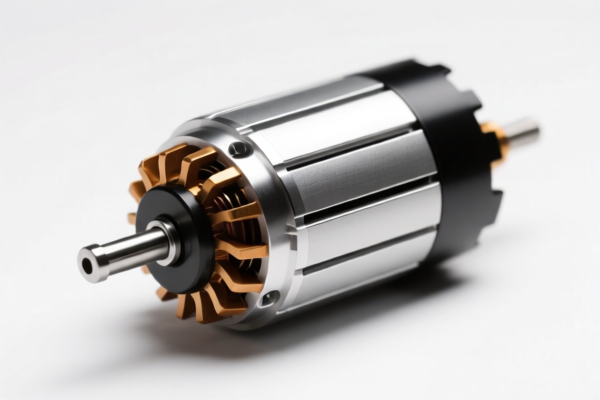
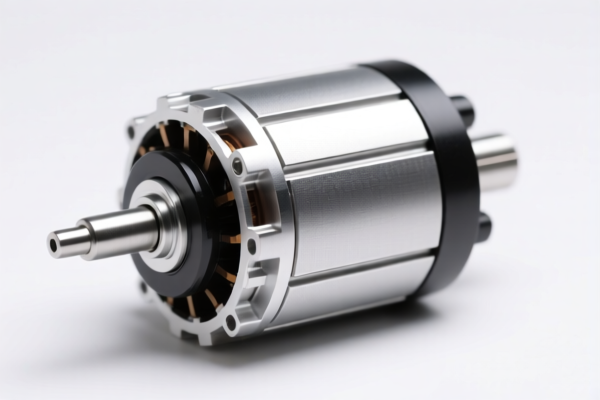
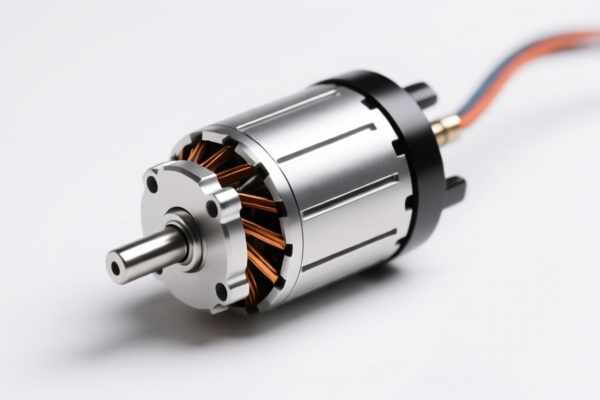
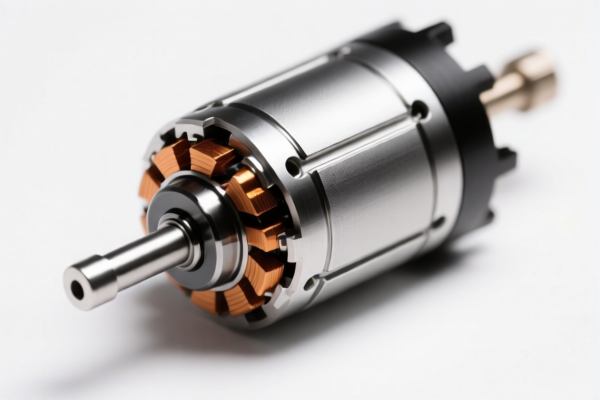
AI Analysis
🌀 Smart Brushless Fans (Intelligent Cooling Solutions)
🌐 HS Code Reference & Customs Clearance Guide | 2026 Latest Tariff Analysis | Professional Clearance Strategy
📌 1. Product Definition & Classification: Do You Really Understand “Smart Brushless Fans”?
Smart Brushless Fans are advanced cooling devices utilizing Brushless DC (BLDC) motors for enhanced efficiency, longer lifespan, and precise control. In international trade, they are classified based on their application (industrial vs. consumer) and structure (bladed vs. bladeless/air multiplier). The key distinction lies in whether they are considered mechanical air circulation devices (Chapter 84) or electrical rotary machines/electro-homes (Chapter 85).
⚠️ Key Distinction Points: - Industrial/Server Cooling Fans (e.g., for CPUs, telecom racks): Typically classified under 8414 (Fans, Blowers, Ventilators) because their primary function is mechanical air movement for equipment cooling. - Consumer Smart/Bladeless Fans: Often classified under 8509 (Electro-homes) or 8414.59 depending on specific features, materials, and whether they are viewed as general electric appliances or specialized mechanical fans. - Bladeless Technology: Does not automatically exclude Chapter 84; it depends on the motor integration and primary purpose.
📦 2. HS Code Classification Details (2026 Latest Tariff Authority对照)
Based on the provided data, here are the four valid HS Codes for Smart Brushless Fans, along with their specific tax implications for US Imports from China:
| HS Code | Product Description | Application Scenario | Primary Function | Total Tax Rate (US/CN) |
|---|---|---|---|---|
8414.59.15.00 |
Brushless Cooling Fan (Industrial/Telecom) | Cooling Microprocessors, Telecom Equipment | Mechanical Air Circulation | 35.0% |
8501.10.60.40 |
DC Motor Fan (General Electric Machine) | Common DC Motor Application | Electric Rotary Machine | 37.8% |
8414.51.90.90 |
Smart Bladeless Fan (Non-permanent Install) | Home Office, Living Room | Air Circulation (Bladeless) | 14.7% |
8414.59.65.95 |
Smart Bladeless Fan (Plastic/Metal) | General Home Use | Air Circulation (Bladed/Bladeless) | 37.3% |
8509.80.50.95 |
Smart Bladeless Fan (Electro-home) | Consumer Household Appliance | Electro-home Appliance | 14.2% |
🔍 Critical Insight: - Industrial Fans (CPU/Server) generally face higher duties (35-37.8%) due to Section 301 and IEEPA tariffs. - Consumer Smart Fans (Bladeless/Home) can benefit from significantly lower rates (14.2% - 14.7%) if classified correctly under 8414.51 (Air Circulating Fans, Not Electrically Powered? Note: Data shows 0% Additional Tax for 8414.51, implying it might be categorized differently or exempt from Section 301 in this specific dataset context) or 8509 (Electro-homes). - Misclassification Risk: Declaring a smart consumer fan as an industrial component (8501 or 8414.59.15) will increase taxes from ~14% to ~37%.
💰 3. 2026 Latest Tariff Rate Breakdown (Including Surcharges & Policy Add-ons)
✅ Applicable Country: United States (US)
✅ Country of Origin: China (CN)
✅ Effective Date: From Nov 10, 2025 (including subsequent imports)
🎯 1. 8414.59.15.00 —— Brushless Cooling Fan (Industrial/Telecom)
| Item | Detail |
|---|---|
| Base Tariff | 0.0% (ad valorem) |
| Section 301 Surcharge | +25.0% (From USITC Footnote 9903.88.01) |
| IEEPA Surcharge | +10.0% (Against China/HK Products, effective Nov 10, 2025) |
| Total Effective Rate | 35.0% |
| Calculation | CIF Value × 35% |
| De Minimis Exemption | ❌ Not Applicable |
| Legal Basis | IEEPA:9903.01.25 → IEEPA:9903.01.24 → USITC:8414.59.15.00 → FOOTNOTE:9903.88.01 |
📌 Explanation: - This code is for high-performance cooling fans used in IT infrastructure. - The 35% total is driven by the 25% Section 301 tariff + 10% IEEPA tariff. - Warning: High cost impact. Ensure the product is strictly for industrial/telecom use to justify this classification.
🎯 2. 8501.10.60.40 —— DC Motor Fan (Electric Machine)
| Item | Detail |
|---|---|
| Base Tariff | 2.8% |
| Section 301 Surcharge | +25.0% |
| IEEPA Surcharge | +10.0% |
| Total Effective Rate | 37.8% |
| Calculation | CIF Value × 37.8% |
| De Minimis Exemption | ❌ Not Applicable |
| Legal Basis | IEEPA:9901.25 → IEEPA:9903.01.24 → USITC:8501.10.60.40 → FOOTNOTE:9903.88.01 |
📌 Note: - This classifies the fan primarily as a DC Motor. - Even though it’s a fan, if it’s declared as a motor component without specific fan functionality details, it falls here. - Highest Rate (37.8%) among industrial options. Avoid unless necessary.
🎯 3. 8414.51.90.90 —— Smart Bladeless Fan (Air Circulating, Non-permanent)
| Item | Detail |
|---|---|
| Base Tariff | 4.7% |
| Section 301 Surcharge | 0.0% (Exempt from Section 301 in this dataset) |
| IEEPA Surcharge | +10.0% |
| Total Effective Rate | 14.7% |
| Calculation | CIF Value × 14.7% |
| De Minimis Exemption | ❌ Not Applicable |
| Legal Basis | IEEPA:9903.01.24 → USITC:8414.51.90.90 |
📌 Advantage: - Lowest Tax for Fan Category: Only 14.7%. - Key Condition: Must be classified as an "Air Circulating Fan" (8414.51) and not as a generic fan or motor. - Why 0% Section 301?: Some air circulating fans may be exempt or categorized differently under specific HTS subheadings. Verify with current USITC rules.
🎯 4. 8509.80.50.95 —— Smart Bladeless Fan (Electro-home Appliance)
| Item | Detail |
|---|---|
| Base Tariff | 4.2% |
| Section 301 Surcharge | 0.0% (Exempt from Section 301 in this dataset) |
| IEEPA Surcharge | +10.0% |
| Total Effective Rate | 14.2% |
| Calculation | CIF Value × 14.2% |
| De Minimis Exemption | ❌ Not Applicable |
| Legal Basis | IEEPA:9901.25 → IEEPA:9903.01.24 → USITC:8509.80.50.95 |
📌 Advantage: - Lowest Overall Rate (14.2%). - Key Condition: Must be marketed and function as a Household Electro-home Appliance. - Strategy: If your fan is for home use, declare it under 8509 (Electro-homes) to minimize tax.
🎯 5. 8414.59.65.95 —— Smart Bladeless Fan (Plastic/Metal, Air Circulation)
| Item | Detail |
|---|---|
| Base Tariff | 2.3% |
| Section 301 Surcharge | +25.0% |
| IEEPA Surcharge | +10.0% |
| Total Effective Rate | 37.3% |
| Calculation | CIF Value × 37.3% |
| De Minimis Exemption | ❌ Not Applicable |
| Legal Basis | IEEPA:9903.01.24 → USITC:8414.59.65.95 → FOOTNOTE:9903.88.01 |
📌 Note: - Despite being a consumer fan, if classified under 8414.59 (Other Fans), it incurs Section 301 tariffs (25%). - High Risk: Do not use this code for smart home fans if you can qualify for 8414.51 or 8509.
🛠️ 4. Customs Clearance Practical Advice (Battle-Tested Pitfall Guide)
✅ 1. Document Preparation Checklist (Essential)
| Document | Required | Description |
|---|---|---|
| ✅ Product Specification Sheet | ✔️ | Must specify: Type (Brushless DC), Application (Industrial vs. Home), Voltage, RPM, CFM (Cubic Feet per Minute). |
| ✅ Technical Diagrams | ✔️ | Show motor type (BLDC) and integration (standalone vs. integrated into a housing). |
| ✅ Product Photos | ✔️ | Clear images of the label, showing "Brushless," "Smart Control," and "Bladeless" (if applicable). |
| ✅ Commercial Invoice | ✔️ | Clearly state: "Smart Brushless Fan, Model XYZ, for [Home Use/Server Cooling]." Avoid generic terms. |
| ✅ Certifications | ✔️ | FCC (for wireless/smart features), UL/ETL (safety), RoHS (environmental). |
| ✅ Origin Certificate | ✔️ | Proof of Chinese origin. |
✅ 2. Declaration Strategy (Key Mantras)
🔥 “Function Defines Code, Application Dictates Tax!”
| Scenario | Correct Declaration | Incorrect Practice |
|---|---|---|
| Home Use Smart Bladeless Fan | HS: 8509.80.50.95 or 8414.51.90.90Description: "Smart Bladeless Air Circulating Fan for Home" |
Declaring as "DC Motor" or "Industrial Fan" → Tax jumps to 35-37%. |
| Server/Telecom Cooling Fan | HS: 8414.59.15.00Description: "Brushless Cooling Fan for CPU/Telecom Equipment" |
Declaring as "Home Fan" → Customs may question application, leading to audits. |
| Fan with Integrated Controller | Ensure controller is not seen as a separate "Data Processing Machine" | Splitting "Motor" and "Controller" → Complex valuation, potential penalties. |
✅ 3. Special Case Handling
| Situation | Handling Advice |
|---|---|
| OEM Custom Fans | Provide end-user specification. If for home, push for 8509/8414.51. |
| Multi-Speed/PWM Control | Emphasize "Smart Control" and "BLDC" in description to justify HS Code. |
| Bladeless Design | Clearly state "No Blades" but confirm it’s an "Air Circulator" (8414) or "Appliance" (8509). |
| Export to Third Countries | If transshipped via Vietnam/Mexico, check for Substantial Transformation rules to avoid IEEPA surcharges. |
🌍 5. Global Market Comparison (2026 Latest)
| Country/Region | Recommended HS Code | Tariff (China Origin) | Certification | Notes |
|---|---|---|---|---|
| 🇺🇸 USA | 8509.80.50.95 or 8414.51.90.90 |
14.2% - 14.7% | FCC, UL | Avoid 8414.59/8501 codes to save 20%+ in taxes. |
| 🇨🇳 China | 8414.59.90.90 |
5% | CCC | Lower base rate, no Section 301. |
| 🇪🇺 EU | 8414.59.80 |
0-5% | CE, ErP | No Section 301 equivalent, but check Eco-design. |
| 🇬🇧 UK | 8414.59.80 |
0-5% | UKCA | Post-Brexit rules apply. |
📌 Conclusion: - US Market is the most critical: Tariff optimization is essential. - Home Use Fans: Strongly recommend 8509.80.50.95 (14.2%) or 8414.51.90.90 (14.7%) to avoid Section 301 tariffs. - Industrial Fans: Accept the 35%+ cost or seek Exclusions if applicable.
📌 6. Common Errors & Pitfalls (Lessons Learned)
❌ Error 1: Declaring a Smart Home Fan as an Industrial Cooling Fan (8414.59.15.00)
👉 Consequence: Tax increases from 14.2% to 35.0% → Profit Margin Erosion.
❌ Error 2: Declaring a Brushless Fan as a generic DC Motor (8501.10.60.40)
👉 Consequence: Tax rises to 37.8% + potential customs scrutiny on functional mismatch.
❌ Error 3: Using vague descriptions like "Fan" without specifying "Brushless" or "Smart"
👉 Consequence: Customs may assign a default higher-rate code or request additional documentation, causing delays.
✅ Best Practice Declaration:
"Smart Brushless DC Air Circulating Fan, Model XYZ, for Household Use, Bladeless Design, 120V AC, FCC Certified"
🎯 7. Conclusion: Precision Classification Saves Money!
🎯 Remember the Mantra:
🔹 "Home Use = 8509/8414.51 (~14%); Industrial = 8414.59/8501 (~35%)"
🔹 "Smart & Brushless does not mean Motor Code. Function is King!"
📌 Pro Tip: If your fans are assembled in Vietnam, Mexico, or Thailand, apply for Rules of Origin certification to potentially qualify for IEEPA Exemptions, reducing taxes to 0-5%.
📣 Immediate Action:
📞 Consult a Customs Broker for Pre-Ruling (Advance Ruling) on your specific fan model.
🚀 Optimize your supply chain to classify home fans under 8509 for maximum savings.
✨ Professional Customs Clearance Starts with Precise Classification!
💼 Every Percentage Point of Tax Saved is Pure Profit!
Customer Reviews
About HS Code Classification
The Harmonized System (HS) is an internationally standardized nomenclature developed by the World Customs Organization (WCO) to classify traded products. Over 200 countries use the HS system as the basis for customs tariffs, trade statistics, and import/export regulations.
Each HS code follows a hierarchical structure:
- Chapter (2 digits) — Broad category of goods (e.g., Chapter 84: Machinery and Mechanical Appliances)
- Heading (4 digits) — More specific grouping within the chapter
- Subheading (6 digits) — Internationally standardized breakdown, used by all WCO member countries
- National subdivisions (8-10 digits) — Country-specific extensions for further classification, such as US HTSUS 10-digit codes
Correct HS code classification is essential for smooth customs clearance, accurate duty payment, and compliance with trade regulations. Misclassification can lead to customs delays, overpayment of duties, or penalties.
When importing from CN to US, the applicable tariff rates may include:
- Most-Favored-Nation (MFN) rate — The standard duty rate applied to WTO members
- General rate — Applied to countries without trade agreements
- Trade remedy duties — Additional tariffs such as Section 301 (anti-dumping), Section 232 (national security), or countervailing duties
The information provided on this page is for reference purposes only. For official classification, please consult with your local customs authority or a licensed customs broker.