Smart Ring
CN → US| HS Code | Tariff Rate | Origin | Destination | Doc |
|---|---|---|---|---|
| 9102128000 | 17.5% | CN | US | Official Doc |
| 8543908885 | 85.0% | CN | US | Official Doc |
| 7117909000 | 28.5% | CN | US | Official Doc |
| 9601908000 | 21.2% | CN | US | Official Doc |
| 7113195091 | 23.0% | CN | US | Official Doc |
Product Images
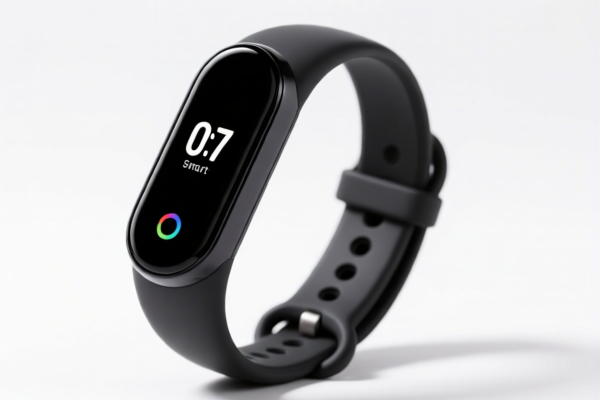
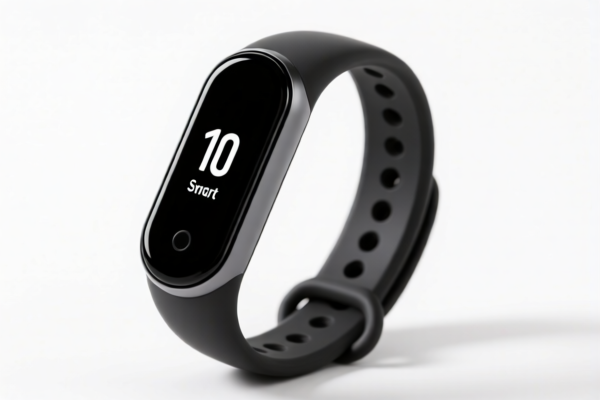
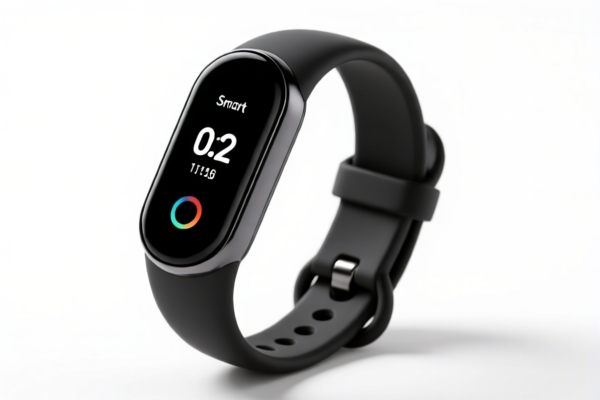
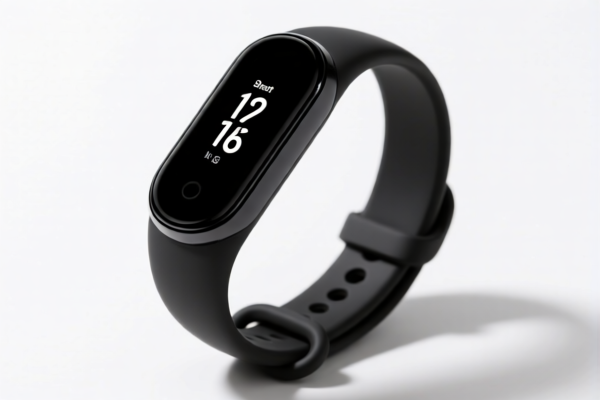
AI Analysis
💍 Smart Ring (Smart Wearables & Jewelry)
🌐 HS Code Reference & Customs Clearance Guide | 2026 Latest Tariff Analysis | Professional Strategy
📌 I. Product Definition & Classification: Do You Really Understand "Smart Rings"?
A Smart Ring is a versatile wearable device that sits at the intersection of electronic technology and personal adornment. In international trade, its classification depends heavily on its primary function and material composition. It can be categorized in three distinct ways:
- As an Electronic Device: If the core function is data processing, health monitoring, or communication, it falls under electronic equipment.
- As Jewelry: If the core function is aesthetic or symbolic, and any electronic component is secondary or negligible, it falls under jewelry.
- As an Accessory/Art: If it is made of specific artistic materials (like carved bone) or is a non-precious imitation, it has specific niche classifications.
⚠️ Key Distinction Point:
- If the ring primarily acts as a wearable computer/sensor (like Oura Ring, Samsung Galaxy Ring) → HS Code 9102 / 8543
- If the ring is primarily jewelry with minimal tech → HS Code 7117
- If the ring is precious metal jewelry → HS Code 7113
- If the ring is an artistic carving → HS Code 9601
📦 II. HS Code Classification Details (2026 Latest Tariff Authority Comparison)
| HS Code | Product Description | Applicable Scenario | Core Function |
|---|---|---|---|
9102.12.80.00 |
Wrist-watches, electrically operated, with optical display | Smart bands/rings with screen/display elements | ⚙️ Electronic Timepiece/Tech |
8543.90.88.85 |
Electrical apparatus with individual functions, n.e.c. | Smart rings as electronic components/gadgets | 📡 Electronic Consumer Good |
7117.90.90.00 |
Imitation jewelry, of other materials, n.e.c. | Fashion rings, non-precious, with/without minor tech | 💎 Fashion Jewelry |
9601.90.80.00 |
Worked animal material and articles thereof (other) | Rings made of carved bone, shell, wood, etc. | 🎨 Artistic/Craft Material |
7113.19.50.91 |
Jewelry articles of precious metal, gold, n.e.c. | High-end gold/silver smart rings or traditional gold rings | 👑 Precious Metal Jewelry |
🔍 Key Reminder:
- Electronic vs. Jewelry: If the device has a battery, processor, or sensor, customs may classify it as electronic (9102or8543) regardless of its ring shape.
- Material Matters: A gold ring with a tiny LED is still Jewelry (7113) if the gold value dominates. A plastic ring with a sensor is Electronics (8543).
- No "Smart Ring" HS Code Exists: You must choose the most appropriate category based on function and material.
💰 III. 2026 Latest Tariff Rate Breakdown (Including Surtaxes, Policy Surcharges)
✅ Applicable Country: United States (US)
✅ Origin: China (CN)
✅ Effective Date: From November 10, 2025 (including subsequent imports)
🎯 1. 9102.12.80.00 —— Electric Wrist-Watches (with Optical Display)
| Item | Content |
|---|---|
| Base Tariff | 0.0% (ad valorem) |
| Surtax (Section 301) | +7.5% |
| 122 Clause Tariff | +10% |
| Total Tariff Rate | 17.5% |
| Tax Calculation | CIF Value × 17.5% |
| De Minimis Eligibility | ❌ No (Section 321 de minimis exemption generally does not apply to Section 301 goods above threshold) |
| Legal Path | USITC:9102.12.80.00 → Section 301 → 122 Clause |
📌 Explanation:
- This classification applies if the smart ring has an optical display (e.g., a small screen).
- Total Tax: 17.5%. This is relatively moderate compared to other tech categories.
- "122 Clause" refers to specific US trade actions that add an additional 10% on certain Chinese goods.
🎯 2. 8543.90.88.85 —— Electrical Apparatus (Other)
| Item | Content |
|---|---|
| Base Tariff | 0.0% |
| Surtax (Section 301) | +25.0% |
| 122 Clause Tariff | +10% |
| Steel/Aluminum/Copper Surcharge | +50% (If applicable components) |
| Total Tariff Rate | 85.0% |
| Tax Calculation | CIF Value × 85.0% |
| De Minimis Eligibility | ❌ No |
| Legal Path | IEEPA:9903.01.25 → USITC:8543.90.88.85 → Section 301 |
📌 Warning:
- This is the worst-case scenario. If customs classifies your smart ring as a generic electronic gadget ("other electrical apparatus"), the tariff skyrockets to 85%.
- This often happens if the product is seen as a component or non-standard electronic device rather than a defined wearable tech item.
- High Risk: Avoid this classification if possible by proving it is a "watch" or "jewelry."
🎯 3. 7117.90.90.00 —— Imitation Jewelry
| Item | Content |
|---|---|
| Base Tariff | 11.0% |
| Surtax (Section 301) | +7.5% |
| 122 Clause Tariff | +10% |
| Total Tariff Rate | 28.5% |
| Tax Calculation | CIF Value × 28.5% |
| De Minimis Eligibility | ❌ No |
| Legal Path | USITC:7117.90.90.00 → Section 301 → 122 Clause |
📌 Context:
- Applies to non-precious metal rings (e.g., plastic, silicone, alloy) sold as fashion accessories.
- If the electronic function is minimal or marketed primarily as fashion, this may apply.
- Total Tax: 28.5%. Much lower than the 85% electronics rate.
🎯 4. 9601.90.80.00 —— Worked Animal Material (Artistic)
| Item | Content |
|---|---|
| Base Tariff | 3.7% |
| Surtax (Section 301) | +7.5% |
| 122 Clause Tariff | +10% |
| Total Tariff Rate | 21.2% |
| Tax Calculation | CIF Value × 21.2% |
| De Minimis Eligibility | ❌ No |
| Legal Path | USITC:9601.90.80.00 → Section 301 → 122 Clause |
📌 Context:
- Specific to rings made from carved bone, shell, ivory (legal substitutes), or horn.
- Not applicable to standard polymer/metal smart rings.
- Total Tax: 21.2%. Low rate, but very narrow application.
🎯 5. 7113.19.50.91 —— Gold Jewelry (Precious Metal)
| Item | Content |
|---|---|
| Base Tariff | 5.5% |
| Surtax (Section 301) | +7.5% |
| 122 Clause Tariff | +10% |
| Total Tariff Rate | 23.0% |
| Tax Calculation | CIF Value × 23.0% |
| De Minimis Eligibility | ❌ No |
| Legal Path | USITC:7113.19.50.91 → Section 301 → 122 Clause |
📌 Context:
- Applies to gold rings. Even if it has a tiny sensor, if it is primarily a gold jewelry item, this may apply.
- Total Tax: 23.0%. Competitive rate for luxury goods.
🛠️ IV. Customs Clearance Practical Advice (Battle-Tested Pitfall Avoidance)
✅ 1. Preparation Checklist (No Exceptions)
| Document | Required? | Notes |
|---|---|---|
| ✅ Product Specification Sheet | ✔️ | Must detail: Function (Health/Communication/Jewelry), Material (Gold/Plastic/Steel), Display (Yes/No) |
| ✅ Marketing Brochure/Website Screenshot | ✔️ | Proves primary purpose (e.g., "Fashion Accessory" vs. "Medical Device") |
| ✅ Composition Certificate | ✔️ | For precious metals (Gold/Karat) or animal materials |
| ✅ Commercial Invoice | ✔️ | Describe as "Smart Jewelry Ring" or "Electronic Health Tracker Ring" |
| ✅ Packing List | ✔️ | Include chargers, bands, and manuals |
| ✅ Third-Party Test Reports | ✔️ | FCC (for electronic parts), RoHS, CE |
✅ 2. Declaration Strategy (Key Mantras)
🔥 "Function Defines HS, Material Defines Duty!"
| Scenario | Recommended HS Code | Reasoning |
|---|---|---|
| Smart Ring with Screen (e.g., Oura Gen 3 with display prototype) | 9102.12.80.00 |
Has optical display, acts like a watch. Tax: 17.5% |
| Standard Smart Ring (No screen, sensor-only) | 8543.90.88.85 (Risky) |
Generic electronic device. Tax: 85.0% Alternative: Try 7117.90.90.00 if marketed as fashion. |
| Fashion Ring with Minimal Tech | 7117.90.90.00 |
Primary purpose is adornment. Tax: 28.5% |
| Gold Smart Ring | 7113.19.50.91 |
Precious metal dominates value/appearance. Tax: 23.0% |
| Carved Bone/Shell Ring | 9601.90.80.00 |
Material is the key feature. Tax: 21.2% |
✅ 3. Special Handling Tips
| Situation | Recommendation |
|---|---|
| High-Value Smart Rings | If the gold value > 50%, declare as Jewelry (7113) to avoid 85% tech tariff. Provide assay certificate. |
| Low-Value Fashion Rings | If the tech is negligible, declare as Imitation Jewelry (7117). Emphasize "Fashion Accessory" in description. |
| Screen-Enabled Rings | Must declare as Watch (9102). Do not try to hide the screen. Tax is 17.5%, which is manageable. |
| Avoid "Electronics" Trap | Never describe the product as "Electronic Device" or "Gadget" in the invoice. Use "Wearable Health Monitor Ring" or "Smart Jewelry." |
🌍 V. Global Market Comparison (2026 Latest)
| Country/Region | Recommended HS Code | Tariff (China Origin) | Certification | Notes |
|---|---|---|---|---|
| 🇺🇸 USA | 9102.12.80.00 (if display) |
17.5% | FCC + RoHS | Avoid 8543 (85% tax). |
| 🇺🇸 USA | 8543.90.88.85 (no display) |
85.0% | FCC + RoHS | High Risk! Try to reclassify. |
| 🇪🇺 EU | 9102.12.80.00 |
0% (Free) | CE + WEEE | No Section 301 surtaxes. |
| 🇨🇳 China | 9102.12.80.00 |
5% - 10% | CCC | Lower taxes, strict certification. |
| 🇯🇵 Japan | 9102.12.80.00 |
8% | PSE | Moderate tax. |
📌 Conclusion:
- USA is the most complex market due to Section 301 and 122 Clause surtaxes.
- Classification is critical: Choosing8543can destroy your profit margin (85% tax). Choosing9102or7113preserves it (17.5% - 28.5%).
- EU and other markets are more favorable, but still require accurate HS codes.
📌 VI. Common Mistakes & Pitfalls (Lessons Learned)
❌ Mistake 1: Classifying a smart ring with a screen as "Jewelry"
👉 Result: Customs rejects it, demands reclassification, adds penalties.
✅ Fix: If it has a screen, it’s likely a Watch (9102).
❌ Mistake 2: Classifying all smart rings as "Electronics (8543)"
👉 Result: 85% Tariff. Profit margin evaporates.
✅ Fix: If it’s fashion-focused or low-tech, argue for Jewelry (7117) or Watch (9102).
❌ Mistake 3: Ignoring the "122 Clause"
👉 Result: Unexpected 10% tax at customs.
✅ Fix: Always include 122 Clause (+10%) in your cost calculation.
❌ Mistake 4: Using vague descriptions like "Ring" or "Gadget"
👉 Result: Customs assigns default high tariffs or holds shipment.
✅ Fix: Be specific: "Stainless Steel Smart Health Monitoring Ring with Optical Sensor."
🎯 VII. Conclusion: Smart Classification for Smart Business
🎯 Remember the Mantra:
🔹 "Screen? Go to 9102. No Screen? Try 7117. Gold? Go to 7113. Avoid 8543 at all costs!"
🔹 "HS Code is King. Tax rate is Queen. Classify wisely, save thousands."
📌 Pro Tip:
If your smart ring is made of precious metal, lean heavily on Jewelry classifications (7113) to avoid the 85% electronics tariff. Provide gold assay certificates to prove metal content.
If your smart ring is fashion-forward with minimal tech, market it as Imitation Jewelry (7117) and highlight the aesthetic design in documentation.
📣 Immediate Action:
📞 Consult a Customs Broker: Get a Pre-Ruling if the product is new or high-value.
📝 Refine Descriptions: Use "Wearable Jewelry" or "Electronic Watch" strategically.
🚀 Optimize for 17.5% (Watch) or 28.5% (Jewelry), NOT 85% (Electronics).
✨ Professional Clearance Starts with Precise Classification!
💼 Every Percent of Tax Saved is Pure Profit!
Customer Reviews
About HS Code Classification
The Harmonized System (HS) is an internationally standardized nomenclature developed by the World Customs Organization (WCO) to classify traded products. Over 200 countries use the HS system as the basis for customs tariffs, trade statistics, and import/export regulations.
Each HS code follows a hierarchical structure:
- Chapter (2 digits) — Broad category of goods (e.g., Chapter 84: Machinery and Mechanical Appliances)
- Heading (4 digits) — More specific grouping within the chapter
- Subheading (6 digits) — Internationally standardized breakdown, used by all WCO member countries
- National subdivisions (8-10 digits) — Country-specific extensions for further classification, such as US HTSUS 10-digit codes
Correct HS code classification is essential for smooth customs clearance, accurate duty payment, and compliance with trade regulations. Misclassification can lead to customs delays, overpayment of duties, or penalties.
When importing from CN to US, the applicable tariff rates may include:
- Most-Favored-Nation (MFN) rate — The standard duty rate applied to WTO members
- General rate — Applied to countries without trade agreements
- Trade remedy duties — Additional tariffs such as Section 301 (anti-dumping), Section 232 (national security), or countervailing duties
The information provided on this page is for reference purposes only. For official classification, please consult with your local customs authority or a licensed customs broker.