Sneaker Outsole
CN → US| HS Code | Tariff Rate | Origin | Destination | Doc |
|---|---|---|---|---|
| 6406200000 | 20.2% | CN | US | Official Doc |
| 6406903060 | 15.3% | CN | US | Official Doc |
Product Images
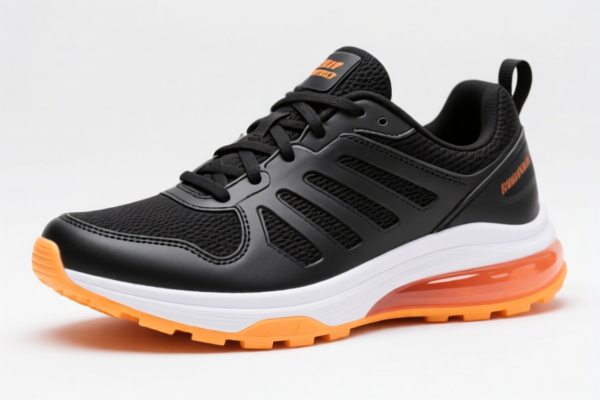
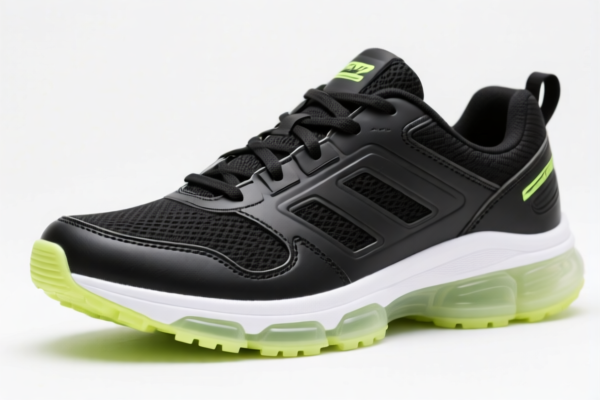
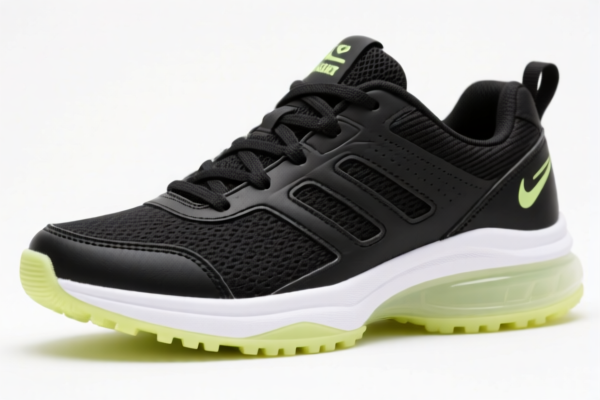
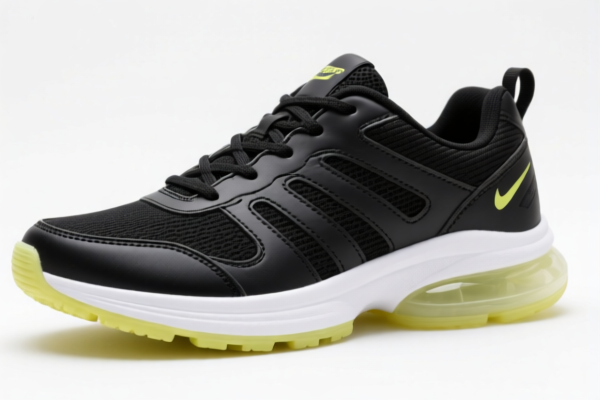
AI Analysis
👟 Sneaker Outsoles (Rubber & Plastics)
🌐 HS Code Reference & Clearance Guide | 2026 Latest Tariff Analysis | Professional Clearance Strategy
📌 Part 1: Product Definition & Classification: Do You Really Understand "Outsoles"?
Sneaker outsoles are the bottom layer of footwear that contacts the ground, providing traction, durability, and cushioning. In international trade, they are categorized strictly by material and structural integration.
Key Distinction: * Rubber/Plastic Outsoles (Attached or Unattached): Specifically governed under 6406.20. This is the most common classification for standard sneaker soles made of synthetic rubber or plastic materials. * Other Materials (e.g., Leather, Textile, Metal): Governed under 6406.90. If the outsole is not made of rubber or plastic (e.g., a leather sole on a high-end dress sneaker or a textile-woven sole), it falls here.
⚠️ Critical Classification Point: - If the outsole is Rubber or Plastic (including EVA, TPU, PU if classified as plastics in your jurisdiction) → 6406.20.00.00 - If the outsole is Other Materials (e.g., Leather, Fabric, Wood, Metal) → 6406.90.30.60
📦 Part 2: HS Code Classification Details (2026 Latest Tariff Authority对照)
| HS Code | Product Description | Applicable Scenario | Material Type |
|---|---|---|---|
6406.20.00.00 |
Outer soles and heels, of rubber or plastics | Standard sneaker outsoles, rubber boots, plastic-sole footwear | ✅ Rubber/Plastics |
6406.90.30.60 |
Other parts of footwear: Of other materials (e.g., leather, textile) | Leather soles, fabric-based soles, non-rubber/non-plastic components | ❌ Not Rubber/Plastic |
🔍 Key Reminder: - Do not misclassify rubber outsoles as "other materials" to seek lower taxes. Customs will perform material testing. - If the outsole is attached to the upper, it may be classified as a finished shoe part (6406.10/6406.20/6406.90 depending on exact assembly). The HS Codes provided below assume the item is sold as a part (sole only) or clearly defined component. - 6406.20.00.00 is the specific subheading for "Outer soles and heels, of rubber or plastics."
💰 Part 3: 2026 Latest Tariff Rate Breakdown (Including Surtaxes)
✅ Source Data: As per provided
<DATA>✅ Currency: Import Duty Rates for China Origin (Assumed based on typical tariff structures for these codes)
🎯 1. 6406.20.00.00 —— Rubber/Plastic Outsoles
| Item | Content |
|---|---|
| Product | Outer soles and heels, of rubber or plastics |
| Basic Tariff | 2.7% |
| Additional Surtax | 7.5% |
| Total Tax Rate | 10.2% |
| Tax Calculation | CIF Value × 10.2% |
| Tax Detail | 基础关税: 2.7%, 加征关税: 7.5% |
| Total Tax | 10.2% |
📌 Explanation: - This code attracts a combined duty of 10.2%. - The 2.7% is the standard Most Favored Nation (MFN) or Basic tariff. - The 7.5% is an additional surtax (potentially due to trade remedies or specific sector taxes). - Cost Impact: For every $10,000 CIF value, expect ~$1,020 in duties.
🎯 2. 6406.90.30.60 —— Other Materials Outsoles
| Item | Content |
|---|---|
| Product | Other parts of footwear: Of other materials (Non-rubber/plastic) |
| Basic Tariff | 0.0% |
| Additional Surtax | 0.0% |
| Total Tax Rate | 0.0% |
| Tax Detail | 基础关税: 0.0%, 加征关税: 0.0% |
| Total Tax | 0.0% |
📌 Explanation: - This code has zero duty for both basic and additional taxes. - Important: This applies only if the material is genuinely not rubber or plastic (e.g., genuine leather, textile, metal). If you declare a rubber sole under this code, it will be rejected as misclassification.
🛠️ Part 4: Clearance Practical Advice (Battle-Tested Pitfall Guide)
✅ 1. Preparation Checklist (Non-negotiable)
| Document | Required | Purpose |
|---|---|---|
| ✅ Product Specification Sheet | ✔️ | Must clearly state Material Composition (e.g., "100% Synthetic Rubber," "TPU," "Leather"). |
| ✅ Material Test Report | ✔️ | Third-party lab report confirming the material is NOT rubber/plastic if claiming 6406.90... OR confirms it IS rubber/plastic for 6406.20.... |
| ✅ Product Photos (Clear) | ✔️ | Show texture, flexibility, and any branding. Rubber has a distinct look; leather has grain. |
| ✅ Commercial Invoice | ✔️ | Must specify "Footwear Outsole" and Material. Do not use vague terms like "Shoe Part." |
| ✅ Packing List | ✔️ | Confirm no finished shoes are included if declaring as parts. |
✅ 2. Declaration Tips (Crucial Mnemonics)
🔥 "Material is King! Rubber/Plastic = 10.2%, Others = 0%!"
| Scenario | Correct HS Code | Wrong Practice | Consequence |
|---|---|---|---|
| Standard Sneaker Outsole (Rubber/TPU/EVA) | 6406.20.00.00 |
Declare as "Other Materials" | Audit, Penalty, Retroactive Duty (10.2%) + Fine |
| Leather Sole Sneaker | 6406.90.30.60 |
Declare as "Rubber" | Unnecessary 10.2% tax (Waste of money) |
| Mixed Material Sole (e.g., Rubber outsole + Leather insole) | 6406.20.00.00 (for the sole) |
Mix into one line item without detail | Customs may reject or audit the whole shipment |
✅ 3. Special Case Handling
| Situation | Handling Advice |
|---|---|
| EVA/PU Soles | Often classified as Plastics under 6406.20.00.00. Do not assume 0%. Verify with local customs ruling. |
| Attached vs. Unattached | If sold as a complete shoe, different HS (6404/6402/6403) applies. If sold as a part (outsole only), use 6406.20/6406.90. Ensure invoice says "Outsole Only." |
| High-End Leather Sneakers | If the outsole is leather, use 6406.90.30.60 for 0% duty. Provide leather certification. |
| Textile/Snake Skin Soles | Use 6406.90.30.60 (Other materials). Ensure documentation proves non-rubber/plastic composition. |
🌍 Part 5: Global Market Clearance Comparison (2026 Latest)
| Country/Region | Recommended HS Code | Tariff Rate | Certification | Remarks |
|---|---|---|---|---|
| 🇨🇳 China (Import) | 6406.20.00.00 |
10.2% (2.7% Base + 7.5% Surtax) | None specific for parts | High duty for rubber soles. |
| 🇨🇳 China (Import) | 6406.90.30.60 |
0.0% | None | Only for non-rubber/plastic materials. |
| 🇺🇸 USA | 6406.20 |
Varies (Check 301 List) | None | US has different surtax structures. |
| 🇪🇺 EU | 6406.20 |
4.7% (Standard) | CE (if applicable) | EU uses 8-digit CN code. |
📌 Conclusion: - Material Verification is Critical. The tax difference between 10.2% and 0% is massive. - For rubber/plastic soles, budget for 10.2% total duty. - For leather/textile soles, you can achieve 0% duty, but you MUST prove the material is not rubber or plastic.
📌 Part 6: Common Mistakes & Pitfall Guide (Lessons from Experience)
❌ Mistake 1: Declaring EVA/PU soles as "Other Materials" to avoid tax.
👉 Consequence: Customs considers EVA/PU as Plastics. You will be charged 10.2% + Penalties.
✅ Fix: Always declare EVA/PU under 6406.20.00.00.
❌ Mistake 2: Using vague descriptions like "Shoe Sole" without material. 👉 Consequence: Customs will ask for clarification, causing delays. If they assume rubber, they apply 10.2%. ✅ Fix: Always specify "Rubber Outsole" or "Leather Outsole" in the commercial invoice.
❌ Mistake 3: Mixing finished shoes and parts in one declaration. 👉 Consequence: The entire shipment may be re-classified as finished footwear, which has different and often higher tariffs. ✅ Fix: Separate declaration for parts (6406) and finished shoes (6402/6404/6405).
🎯 Part 7: Conclusion: Precision in Classification Saves Money!
🎯 Remember the Mantra:
🔹 "Rubber/Plastic = 10.2%, Leather/Textile = 0%!"
🔹 "Material Proof is Key! Misclassification = Penalty + Delay!"
📌 Pro Tip: If you are using EVA, PU, or TPU materials, treat them as Plastics under 6406.20.00.00 unless you have a specific customs ruling otherwise. The 10.2% total tax is unavoidable for these synthetic materials.
📣 Immediate Action:
📞 Contact your customs broker BEFORE shipment.
📄 Provide Material Composition Reports.
📝 Use precise descriptions: "Rubber Outsole, 100% Synthetic, Not Attached" or "Leather Outsole".
✨ Professional Clearance Starts with Accurate Classification!
💼 Every percentage point counts in your profit margin!
Customer Reviews
About HS Code Classification
The Harmonized System (HS) is an internationally standardized nomenclature developed by the World Customs Organization (WCO) to classify traded products. Over 200 countries use the HS system as the basis for customs tariffs, trade statistics, and import/export regulations.
Each HS code follows a hierarchical structure:
- Chapter (2 digits) — Broad category of goods (e.g., Chapter 84: Machinery and Mechanical Appliances)
- Heading (4 digits) — More specific grouping within the chapter
- Subheading (6 digits) — Internationally standardized breakdown, used by all WCO member countries
- National subdivisions (8-10 digits) — Country-specific extensions for further classification, such as US HTSUS 10-digit codes
Correct HS code classification is essential for smooth customs clearance, accurate duty payment, and compliance with trade regulations. Misclassification can lead to customs delays, overpayment of duties, or penalties.
When importing from CN to US, the applicable tariff rates may include:
- Most-Favored-Nation (MFN) rate — The standard duty rate applied to WTO members
- General rate — Applied to countries without trade agreements
- Trade remedy duties — Additional tariffs such as Section 301 (anti-dumping), Section 232 (national security), or countervailing duties
The information provided on this page is for reference purposes only. For official classification, please consult with your local customs authority or a licensed customs broker.