Snow Remover
CN → US| HS Code | Tariff Rate | Origin | Destination | Doc |
|---|---|---|---|---|
| 7326908688 | 87.9% | CN | US | Official Doc |
| 8201100000 | 35.0% | CN | US | Official Doc |
| 7326908676 | 87.9% | CN | US | Official Doc |
| 8201300080 | 35.0% | CN | US | Official Doc |
Product Images

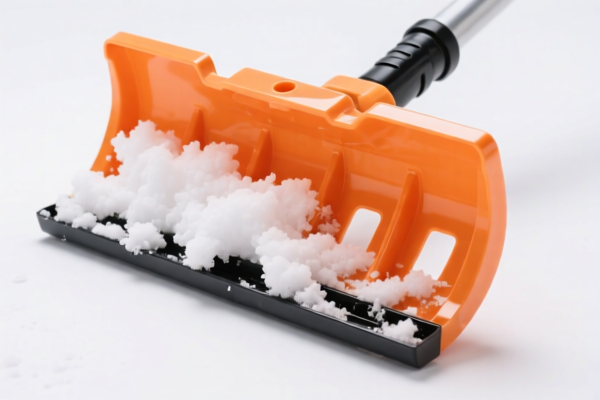
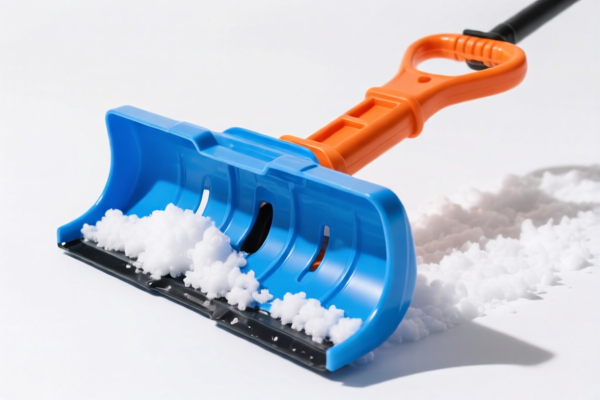
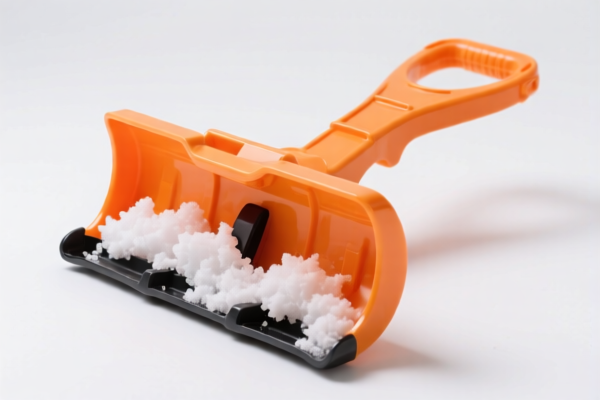
AI Analysis
🧊 Snow Removers (Snow Shovels / Ice Scrapers)
🌐 HS Code Reference & Customs Clearance Guide | 2026 Latest Tariff Analysis | Professional Clearance Strategy
📌 1. Product Definition & Classification: What Exactly is a "Snow Remover"?
A "Snow Remover" is a broad commercial term that typically encompasses two distinct types of products in international trade:
- Metal Shovels/Spades: Heavy-duty tools with long handles (wood, steel, or fiberglass) and wide blades made of iron or steel, used for moving large volumes of snow.
- Ice Scrapers/Small Shovels: Smaller, often handheld tools with metal or plastic heads, used for clearing ice from car windshields or small driveways.
⚠️ Key Classification Distinction:
- If the product is primarily defined by its function as a hand-held tool (like a spade or shovel) regardless of material, it may fall under Chapter 82 (Tools).
- If the product is primarily defined by its material composition (iron/steel) and does not fit specific tool headings, it falls under Chapter 73 (Articles of Iron or Steel).
📦 2. HS Code Classification Details (2026 Latest Tariff Authority Reference)
Based on the provided data, here are the valid HS Codes and their rationales:
| HS Code | Product Description & Rationale | Key Characteristic |
|---|---|---|
| 8201.10.00.00 | Hand Tools: Shovels & Spades "Snow removers are classified as shovels in terms of use. Their form matches the definition of a shovel, consistent with the use and morphological characteristics of shovels and spades." |
Functional Classification: Classified as a "Shovel" (Hand Tool). |
| 8201.30.00.80 | Hand Tools: Other Shovels & Spades "Inferred material is metal or composite. Use is in agriculture/gardening/forestry related shovels. Fits the 'Other' category." |
Functional + Material: Metal/Composite shovel for general/agricultural use. |
| 7326.90.86.88 | Articles of Iron or Steel: Other "Snow removers usually consist of iron or steel metal components. Belong to the 'Other' category of articles of iron or steel." |
Material Classification: Classified by Iron/Steel material, not specific tool head. |
| 7326.90.86.76 | Articles of Iron or Steel: Other "Snow removers are mostly metal (iron or steel). As shovel tools, they belong to the metal tool/article category, falling under 'Other'." |
Material Classification: Similar to above, emphasizes metal construction. |
🔍 Critical Note:
- The classification hinges on whether the customs authority views the item as a specific hand tool (Ch. 82) or a general metal article (Ch. 73).
- 8201 codes generally have 0% Base Tariff, while 7326 codes have a 2.9% Base Tariff. This difference significantly impacts the total tax burden when combined with surcharges.
💰 3. 2026 Latest Tariff Rate Breakdown (Including Surcharges & Policy Add-ons)
✅ Applicable Country: United States (US)
✅ Origin: China (CN)
✅ Effective Date: Current rates apply based on Section 301 and other trade remedies.
🎯 1. 8201.10.00.00 & 8201.30.00.80 — Hand Tools (Shovels)
| Item | Content |
|---|---|
| Base Tariff | 0.0% (Ad valorem) Note: Chapter 82 hand tools often enjoy 0% MFN base rates. |
| Section 301 Surcharge (25%) | +25% Added under US Trade Law Section 301 for Chinese goods. |
| Section 122 Surcharge (10%) | +10% Specific surcharge applied to certain Chinese imports. |
| Total Tariff Rate | 35.0% |
| Tax Calculation | CIF Value × 35% |
| De Minimis Exemption | ❌ Not Eligible (High tariff rates usually block de minimis). |
📌 Explanation:
- The 0% base rate is advantageous compared to metal articles.
- However, the 25% Section 301 and 10% Section 122 surcharges stack up, resulting in a 35% total effective tariff.
- Legal Path:USITC:8201→Section 301: 25%→Section 122: 10%.
🎯 2. 7326.90.86.88 & 7326.90.86.76 — Articles of Iron/Steel
| Item | Content |
|---|---|
| Base Tariff | 2.9% (Ad valorem) |
| Section 301 Surcharge (25%) | +25% |
| Section 122 Surcharge (10%) | +10% |
| Steel/Aluminum/Copper Surcharge | +50% Specific additional tariff for steel/aluminum/copper articles under specific trade provisions. |
| Total Tariff Rate | 87.9% |
| Tax Calculation | CIF Value × 87.9% |
| De Minimis Exemption | ❌ Not Eligible |
📌 Explanation:
- This is a high-risk classification. The 50% additional surcharge for steel/aluminum products drastically increases costs.
- Even with a slightly higher base rate (2.9%), the total burden is more than double that of the hand tool classification.
- Legal Path:USITC:7326→Section 301: 25%→Section 122: 10%→Steel/Cu/Al Surcharge: 50%.
🛠️ 4. Customs Clearance Practical Advice (Pitfall Avoidance Guide)
✅ 1. Documentation Checklist (Non-negotiable)
| Document | Required? | Description |
|---|---|---|
| ✅ Product Specification Sheet | ✔️ | Must clearly state: Material (e.g., "Carbon Steel Blade"), Handle Material, Dimensions, Weight. |
| ✅ Photos (Clear) | ✔️ | Show the entire product, focusing on the blade/head shape to prove it is a "shovel/spade" type tool. |
| ✅ Commercial Invoice | ✔️ | Description should use precise terms like "Iron Shovel for Snow Removal" or "Steel Ice Scraper." Avoid vague terms like "Snow Tool." |
| ✅ Origin Certificate | ✔️ | To determine eligibility for any potential exemptions or to verify Chinese origin for surcharges. |
| ✅ Packaging List | ✔️ | Detail contents to avoid misclassification of parts. |
✅ 2. Classification Strategy (Key Tip)
🔥 "Define by Function, Not Just Material!"
| Scenario | Recommended HS Code | Reason |
|---|---|---|
| Standard Snow Shovel (Long handle, wide metal blade) | 8201.10.00.00 | It is explicitly a "Shovel." Functional classification (Ch. 82) is preferred over generic metal articles (Ch. 73). |
| Heavy-Duty Steel Shovel | 8201.10.00.00 | Even if heavy, if it fits the "hand-held tool" definition, Ch. 82 is safer. |
| Miscellaneous Metal Scrapers (Non-standard shape) | 7326.90.86.88 | If it doesn't fit "shovel/spade" definition, it falls back to "Other articles of iron/steel." |
⚠️ Warning:
- Avoid7326if possible. The 87.9% total tariff is prohibitive for most commercial imports.
- Argue for8201. Provide evidence that the product is designed primarily for manual excavation/moving of snow (function of a shovel), not just as a generic metal object.
✅ 3. Special Circumstances
| Situation | Advice |
|---|---|
| Plastic Blades with Metal Handles | May still be classified under 8201 if the functional part is the shovel shape. Check if the metal handle defines the product as "hand tool." |
| Electric Snow Throwers | NOT COVERED IN THIS DATA. Electric snow removers (snow blowers) are machines and fall under different HS codes (e.g., 8433/8479). This guide is for manual tools. |
| Set Kits (Shovel + Brush) | If sold as a set, the essential character (shovel) usually determines the classification. |
🌍 5. Global Market Comparison (2026 Latest)
| Country/Region | Recommended HS Code | Est. Total Tax | Notes |
|---|---|---|---|
| 🇺🇸 USA | 8201.10.00.00 |
35.0% | Best option. Avoid 7326 (87.9%). |
| 🇪🇺 EU | 8201.10.00.00 |
~6.5% | No Section 301/122 surcharges. Standard EU duty. |
| 🇨🇳 China | 8201.10.00.00 |
~20% | Import duties vary; check latest MAFC announcements. |
| 🇨🇦 Canada | 8201.10.00.00 |
0-5% | FTA benefits may apply if manufactured in eligible countries. |
📌 Conclusion:
- The US market is the most challenging due to the 35-88% tariff range.
- Classification as8201is critical to save 52.9% in potential taxes compared to7326.
📌 6. Common Mistakes & Pitfalls (Lessons Learned)
❌ Mistake 1: Classifying all metal snow tools under 7326.
👉 Consequence: 87.9% tax instead of 35%. Financial Loss!
❌ Mistake 2: Vague Invoice Description ("Snow Cleaner").
👉 Consequence: Customs may apply the highest duty rate or hold shipment for verification.
❌ Mistake 3: Ignoring Material Composition.
👉 Consequence: If the tool is 100% plastic (except handle), it might fall under Chapter 39 or 85, potentially changing the tax structure. However, most snow shovels are metal-bladed.
✅ Best Practice:
"Clearly state: 'Iron Shovel for Snow Removal, Manual Hand Tool.' Provide photos showing the shovel shape. Advocate for HS Code 8201.10.00.00 to minimize Section 301 impact."
🎯 7. Conclusion: Smart Classification Saves Money!
🎯 Remember the Rule:
🔹 "Function First: Shovels go to 8201 (35%). Metals go to 7326 (88%). Choose wisely!"
🔹 "Documentation is Key: Prove it's a tool, not just a piece of steel."
📌 Tips:
- If you are importing large volumes, consider negotiating Exclusions from Section 301 tariffs if your product is not produced in sufficient quantities domestically.
- For small shipments, ensure your broker files correctly under 8201 to avoid automatic 87.9% duties.
📣 Immediate Action:
📞 Contact your customs broker before shipping.
📤 Provide product photos and specifications.
🚀 Secure the 35% rate, not the 87.9% rate!
✨ Professional Clearance Starts with Precise Classification!
💼 Every percent of tax saved is pure profit!
Customer Reviews
About HS Code Classification
The Harmonized System (HS) is an internationally standardized nomenclature developed by the World Customs Organization (WCO) to classify traded products. Over 200 countries use the HS system as the basis for customs tariffs, trade statistics, and import/export regulations.
Each HS code follows a hierarchical structure:
- Chapter (2 digits) — Broad category of goods (e.g., Chapter 84: Machinery and Mechanical Appliances)
- Heading (4 digits) — More specific grouping within the chapter
- Subheading (6 digits) — Internationally standardized breakdown, used by all WCO member countries
- National subdivisions (8-10 digits) — Country-specific extensions for further classification, such as US HTSUS 10-digit codes
Correct HS code classification is essential for smooth customs clearance, accurate duty payment, and compliance with trade regulations. Misclassification can lead to customs delays, overpayment of duties, or penalties.
When importing from CN to US, the applicable tariff rates may include:
- Most-Favored-Nation (MFN) rate — The standard duty rate applied to WTO members
- General rate — Applied to countries without trade agreements
- Trade remedy duties — Additional tariffs such as Section 301 (anti-dumping), Section 232 (national security), or countervailing duties
The information provided on this page is for reference purposes only. For official classification, please consult with your local customs authority or a licensed customs broker.