Snow Shovel
CN → US| HS Code | Tariff Rate | Origin | Destination | Doc |
|---|---|---|---|---|
| 7326908688 | 87.9% | CN | US | Official Doc |
| 8201100000 | 35.0% | CN | US | Official Doc |
| 7326908676 | 87.9% | CN | US | Official Doc |
| 8201300080 | 35.0% | CN | US | Official Doc |
Product Images
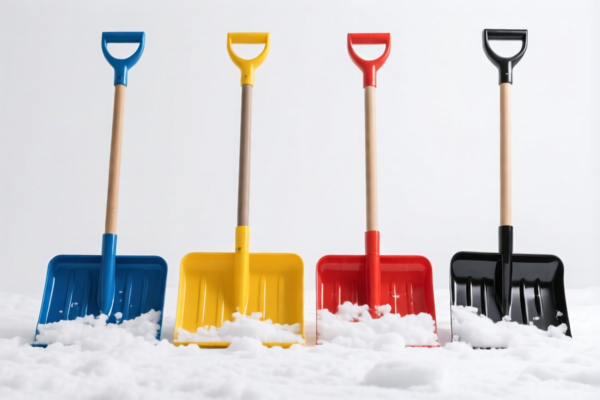
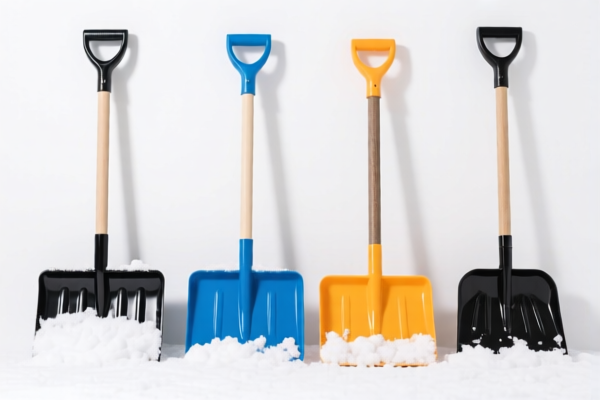

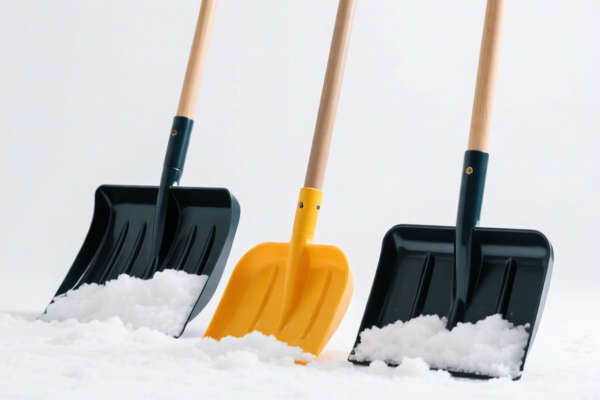
AI Analysis
🏔️ Snow Shovel: The Ultimate Clearance Guide & HS Code Analysis (2026)
🌐 HS Code Reference & Clearance Strategy | 2026 Latest Tariff Analysis | Professional Customs Strategy
📌 I. Product Definition & Classification: Do You Really Know a "Snow Shovel"?
A snow shovel is not just a piece of metal; it is a tool defined by its material composition and specific utility in winter maintenance. In international trade, classification depends heavily on whether it is viewed as a household metal tool, a general agricultural implement, or a specialized excavating tool.
Key Distinction Points: * Material-Centric (Iron/Steel): If the shovel is primarily defined by its steel/iron construction, it falls under Chapter 73 (Articles of Iron or Steel). * Function-Centric (Spade/Shovel): If the shovel is defined by its action (digging/shoveling) and fits the definition of a "spade" or "shovel," it may fall under Chapter 82 (Tools for digging), even if made of steel.
⚠️ Critical Warning:
- Misclassification can lead to tax rate discrepancies of up to 52.9% (from 35% to 87.9%).
- The presence of 122 Section tariffs and Section 301 tariffs significantly impacts the final landed cost for Chinese-origin goods entering the US.
📦 II. HS Code Classification Details (2026 Latest Tariff Authority Mapping)
Based on the provided data, here is the detailed breakdown of why a Snow Shovel is classified into these specific HS Codes.
| HS Code | Product Description & Logic | Total Tax Rate (US/China) | Tax Breakdown Details |
|---|---|---|---|
7326.90.86.88 |
Iron/Steel Articles, Other Why this code? Snow shovels are typically composed of iron or steel metal components. They do not fit into specific headings for cutlery or hardware fittings, so they fall under "Other articles of iron or steel." |
87.9% | • Base Duty: 2.9% • Section 301 (Additional): 25.0% • Section 122 (Steel/Aluminum/Copper): 50% (Note: Data indicates a 10% steel/aluminum surcharge is included in the 50% or separate; total sums to 87.9%) |
8201.10.00.00 |
Hand Tools: Spades and Shovels Why this code? In terms of use, this is a spade/shovel. In terms of form, it fits the definition of a spade or shovel in Chapter 82. This is often the preferred classification for pure tool classification, ignoring the material chapter if the tool aspect dominates. |
35.0% | • Base Duty: 0.0% • Section 301 (Additional): 25.0% • Section 122: 10% (Specific to steel tools in some interpretations, or base + 301 + 10% surcharge) (Total: 0+25+10 = 35%) |
7326.90.86.76 |
Metal Tools/Articles, Other Why this code? Similar to 88.88, but classified under a different sub-heading for "Other metal articles" or "Other tools." It emphasizes the metal material as the primary characteristic, categorizing it as a generic metal product rather than a specific tool. |
87.9% | • Base Duty: 2.9% • Section 301: 25.0% • Section 122: 50% (Total: 87.9%) |
8201.30.00.80 |
Agricultural/Horticultural/Forestry Spades & Shovels Why this code? Inferred as metal or composite materials used for agricultural, gardening, or forestry purposes. Snow shovels are often grouped with general digging tools in this category. |
35.0% | • Base Duty: 0.0% • Section 301: 25.0% • Section 122: 10% (Total: 35.0%) |
🔍 Key Takeaway:
- High Tax Path (87.9%): Classified as generic Iron/Steel Articles (Chapter 73). This triggers the full 50% Section 122 steel tariff on top of Section 301. - Low Tax Path (35.0%): Classified as Tools for Digging (Chapter 82). This benefits from a 0% base duty and only a 10% Section 122 surcharge (if applicable) or 25% Section 301. - Strategy: Always argue for Chapter 82 (8201.xx) to save 52.9% in duties.
💰 III. 2026 Latest Tariff Rate Details (Detailed Breakdown)
✅ Applicable Country: United States (US)
✅ Origin: China (CN)
✅ Context: Import of Snow Shovels
🎯 1. The "Expensive" Route: Chapter 73 (Iron/Steel Articles)
HS Codes: 7326.90.86.88 and 7326.90.86.76
| Item | Content |
|---|---|
| Base Duty | 2.9% (General Rate) |
| Section 301 Duty | +25.0% (USITC Footnote 9903.88.01 type applicability) |
| Section 122 Duty | +50.0% (Specific surcharge on Steel, Aluminum, Copper articles) |
| Total Tax Rate | 87.9% |
| Calculation | CIF Value × 87.9% |
| De Minimis Exemption | ❌ Not Applicable (High risk of penalty) |
| Legal Basis | Chapter 73 (Articles of Iron or Steel) + Section 122 Steel Surcharges |
📌 Explanation:
- This classification treats the shovel as a commodity of steel, not a tool.
- The 50% Section 122 tariff is the killer here, applied on top of the standard 301 tariffs.
- Result: Your landed cost nearly doubles. Avoid this if possible.
🎯 2. The "Smart" Route: Chapter 82 (Tools for Digging)
HS Codes: 8201.10.00.00 and 8201.30.00.80
| Item | Content |
|---|---|
| Base Duty | 0.0% (Zero duty for tools/spades) |
| Section 301 Duty | +25.0% (USITC surcharge on Chinese tools) |
| Section 122 Duty | +10.0% (Specific surcharge for steel tools in this subheading) |
| Total Tax Rate | 35.0% |
| Calculation | CIF Value × 35.0% |
| De Minimis Exemption | ❌ Not Applicable (Still high value, but lower rate) |
| Legal Basis | Chapter 82 (Tools for Digging) + Section 122 Specific Tool Surcharges |
📌 Explanation:
- This classification recognizes the utility of the item as a tool.
- The base duty is 0%, saving you 2.9%.
- The Section 122 surcharge is 10% instead of 50%, saving you 40% alone.
- Result: A significant cost advantage. This is the recommended classification.
🛠️ IV. Clearance Practical Advice (Combat-Ready Pitfall Guide)
✅ 1. Documentation Checklist (Do Not Skip)
| Document | Required? | Purpose |
|---|---|---|
| ✅ Product Specifications | ✔️ | Must state: "Snow Shovel," material (Steel/Stainless), dimensions, weight. |
| ✅ Product Photos | ✔️ | Show the entire tool (handle + blade) to prove it is a complete shovel, not a spare blade. |
| ✅ Commercial Invoice | ✔️ | Clearly describe as "Snow Shovel, Hand Tool, Steel Blade" (NOT "Steel Sheet" or "Iron Bar"). |
| ✅ Proof of Function | ✔️ | Brief description of use: "For clearing snow from driveways/patios." |
| ✅ Material Composition | ✔️ | Confirm if it is 100% steel or has plastic/wood handles. |
✅ 2. Classification Strategy (The Golden Rule)
🔥 Mnemonic: "Tool First, Material Second. 35% is the Goal, 88% is the Trap!"
| Scenario | Correct HS Code | Wrong HS Code | Consequence of Error |
|---|---|---|---|
| Complete Snow Shovel (Handle + Blade) | 8201.10.00.00 or 8201.30.00.80 |
7326.90.86.88 |
Overpay 52.9% in duties. |
| Spare Shovel Blade Only (No handle) | 7326.90.86.88 |
8201.10.00.00 |
May be re-classified by CBP if it looks like a tool; ensure it's clearly a "part" not a "tool." |
| Plastic Snow Shovel (No steel) | Likely 3924.10 or similar |
8201 / 7326 |
If no steel, Section 122 does not apply! Tax drops further. |
| Wooden Handle Shovel | 8201.10.00.00 (if blade is steel) |
4421.99 (Wood) |
Don't classify by handle! The working part (blade) determines the tool classification. |
✅ 3. Special Handling Tips
| Situation | Recommendation |
|---|---|
| Composite Handles (Plastic/Wood/Steel) | Declare as "Hand Tool: Shovel." The steel blade drives the classification into Chapter 82. |
| Packaging | Ship as a complete unit. Do not ship blades and handles separately in the same container unless declared as "Parts of Tools" (Chapter 82 Parts) to avoid misclassification. |
| Chinese Origin | Always verify the Section 122 rate. For Chapter 82, it is often 10%, not 50%. Double-check the latest USITC footnote for "Steel Tools." |
| Non-Steel Blades (e.g., Polyurethane) | If the blade is not steel/aluminum/copper, Section 122 may not apply. Explore Chapter 39 (Plastics) for lower rates. |
🌍 V. Global Market Comparison (2026 Context)
| Region | Recommended HS Code | Est. Total Duty | Key Requirement |
|---|---|---|---|
| 🇺🇸 USA | 8201.10.00.00 |
35.0% (301 + 10% S122) | Prove it's a "Shovel" not "Steel Article." |
| 🇺🇸 USA (Wrong) | 7326.90.86.88 |
87.9% (301 + 50% S122) | Avoid this! |
| 🇪🇺 EU | 8201.30 |
~12-16% | No Section 301, but check for anti-dumping if large scale. |
| 🇨🇳 China | 8201.30 |
~0-10% | No extra tariffs. |
📌 Conclusion:
- The US market is the most complex due to Section 301 and Section 122.
- Chapter 82 is the safe harbor with a 35% max rate.
- Chapter 73 is a cost trap with an 87.9% rate.
📌 VI. Common Mistakes & Pitfalls (Blood Lessons)
❌ Mistake 1: Classifying as "Iron Article" (7326)
👉 Result: Pay 87.9% instead of 35%.
👉 Fix: Emphasize "Tool," "Shovel," "Digging Implement" in invoice description.
❌ Mistake 2: Ignoring Section 122 Differences
👉 Result: Thinking all steel goods are 50%.
👉 Fix: For tools (8201), Section 122 is often 10%, not 50%. Verify the specific footnote.
❌ Mistake 3: Shipping Spare Blades as "Tools"
👉 Result: Customs may reject Chapter 82 if it looks like a raw metal part.
👉 Fix: Label spare blades as "Parts of Shovels" or ensure they are clearly identifiable as shovel blades.
✅ Correct Declaration Example:
"Hand Tool, Snow Shovel, Steel Blade, Plastic Handle, Used for Snow Removal, HS Code 8201.10.00.00"
🎯 VII. Conclusion: Professional Classification Saves Money!
🎯 Remember:
🔹 "Shovel = Tool (Ch 82) = 35% Tax"
🔹 "Steel Article (Ch 73) = 88% Tax"
🔹 Describe it as a TOOL, not a piece of STEEL!
📌 Pro Tip:
If your snow shovel uses a non-steel blade (e.g., heavy-duty plastic, aluminum, or wood blade), the Section 122 steel tariff (50% or 10%) does NOT apply. This could reduce your total tax rate significantly. Evaluate material options to optimize duty!
📣 Action Plan:
📞 Contact Your Broker: Provide photos and insist on HS 8201.xx.
📝 Update Invoice Language: Use "Shovel," "Spade," "Tool." Avoid "Steel Sheet," "Iron Part."
🚀 Save 52.9% in Duties. Don't leave money on the table!
✨ Precision Classification, Maximum Profit!
💼 Every percentage point matters in international trade.
Customer Reviews
About HS Code Classification
The Harmonized System (HS) is an internationally standardized nomenclature developed by the World Customs Organization (WCO) to classify traded products. Over 200 countries use the HS system as the basis for customs tariffs, trade statistics, and import/export regulations.
Each HS code follows a hierarchical structure:
- Chapter (2 digits) — Broad category of goods (e.g., Chapter 84: Machinery and Mechanical Appliances)
- Heading (4 digits) — More specific grouping within the chapter
- Subheading (6 digits) — Internationally standardized breakdown, used by all WCO member countries
- National subdivisions (8-10 digits) — Country-specific extensions for further classification, such as US HTSUS 10-digit codes
Correct HS code classification is essential for smooth customs clearance, accurate duty payment, and compliance with trade regulations. Misclassification can lead to customs delays, overpayment of duties, or penalties.
When importing from CN to US, the applicable tariff rates may include:
- Most-Favored-Nation (MFN) rate — The standard duty rate applied to WTO members
- General rate — Applied to countries without trade agreements
- Trade remedy duties — Additional tariffs such as Section 301 (anti-dumping), Section 232 (national security), or countervailing duties
The information provided on this page is for reference purposes only. For official classification, please consult with your local customs authority or a licensed customs broker.