Snow Sports Gloves
CN → US| HS Code | Tariff Rate | Origin | Destination | Doc |
|---|---|---|---|---|
| 9506198080 | 20.3% | CN | US | Official Doc |
| 6116930800 | 20.3% | CN | US | Official Doc |
| 6216000800 | 18.3% | CN | US | Official Doc |
| 6116100800 | 20.3% | CN | US | Official Doc |
| 6216003500 | 12.8% | CN | US | Official Doc |
Product Images
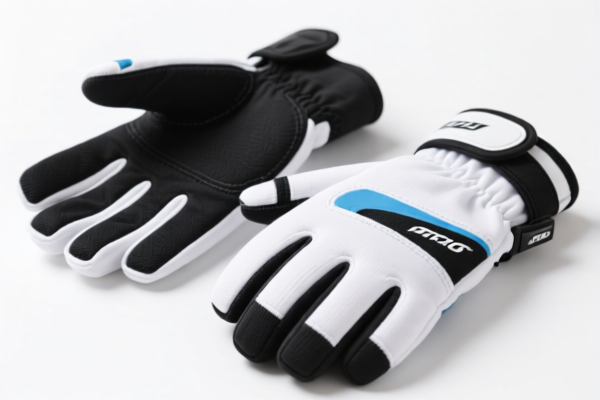
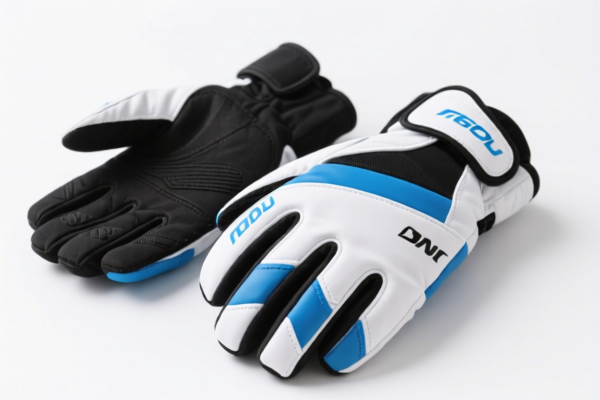
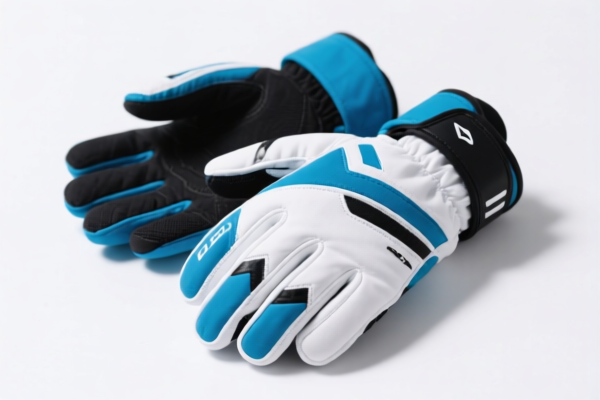
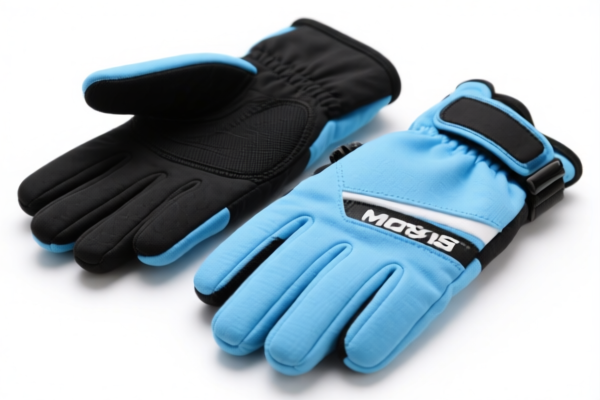
AI Analysis
🧤 Snow Sports Gloves: The Ultimate HS Code Classification & US Customs Clearance Guide (2026)
🌐 HS Code Reference & Customs Clearance Strategy | 2026 Latest Tariff Analysis | Professional Compliance Guide
📌 I. Product Definition: What Are "Snow Sports Gloves"?
Snow sports gloves are specialized personal protective equipment (PPE) and accessories designed for winter activities such as skiing and snowboarding. In international trade, their classification depends heavily on material composition, manufacturing method (knitted vs. woven), and specific protective features (e.g., plastic/rubber coatings).
Because these products often lack explicit material details in basic descriptions, they fall into a "gray zone" between headgear/accessories (Chapter 95) and general apparel (Chapter 61/62). This leads to significant tariff variations based on the chosen HS Code.
⚠️ Key Distinction:
- Chapter 95: Classified as "Parts and Accessories" for ski equipment.
- Chapter 61: Knitted or crocheted gloves (typically synthetic fibers or cotton).
- Chapter 62: Non-knitted (woven) gloves, often with plastic/rubber coatings for waterproofing.
📦 II. HS Code Classification Breakdown (2026 Latest Tariff Authority)
Below is the detailed analysis of the 5 possible HS Codes derived from the provided data, explaining why each code applies and the resulting tax implications.
| HS Code | Product Description & Classification Logic | Material/Feature Assumption | Total Tax Rate (US/CN) |
|---|---|---|---|
| 9506.19.80.80 | Parts & Accessories for Ski Equipment Categorized under "Other" ski equipment. Justified by the specific use case (skiing) rather than general apparel logic. |
General Ski Gear Accessory | 20.3% |
| 6116.93.08.00 | Knitted Gloves for Sports Classified as knitted/crocheted. Assumes synthetic fiber composition based on common sports gear standards. Fits the "other" category for specialized sports use. |
Synthetic Fibers (Knitted) | 20.3% |
| 6216.00.08.00 | Non-Knitted Gloves with Coating Classified as woven/non-knitted. Assumes the gloves are impregnated, coated, or covered with plastic/rubber for waterproofing/warmth. |
Woven + Plastic/Rubber Coating | 18.3% |
| 6116.10.08.00 | Knitted Gloves with Plastic/Rubber Coating Specifically for gloves covered in plastic/rubber, intended for sports. Matches the form (glove) and function (skiing) with assumed coating. |
Knitted + Plastic/Rubber Coating | 20.3% |
| 6216.00.35.00 | Cotton/Blend Non-Knitted Gloves Classified as woven/non-knitted. Based on common sense, assumes cotton or cotton-blend material without heavy synthetic coatings. |
Cotton or Cotton Blend | 12.8% |
🔍 Critical Insight:
- The biggest cost saver is 6216.00.35.00 (12.8%), but it requires the gloves to be Cotton-based and Non-Knitted.
- Most high-performance ski gloves are Synthetic or Coated, pushing the tax rate to 20.3% or 18.3%.
- Misclassification from a coated synthetic glove (20.3%) to a cotton one (12.8%) is a high-audit risk if material data doesn't match.
💰 III. 2026 Tariff Rate Breakdown (Detailed Tax Clause Analysis)
✅ Target Market: United States (US)
✅ Origin: China (CN)
✅ Effective Date: Current applicable rates including Section 301 and IEEPA surcharges.
🎯 1. High-Tariff Group: 20.3%
Applicable Codes:
- 9506.19.80.80 (Ski Equipment Accessory)
- 6116.93.08.00 (Synthetic Knitted Sports Gloves)
- 6116.10.08.00 (Coated Knitted Sports Gloves)
| Tax Component | Rate | Source/Legal Basis | Explanation |
|---|---|---|---|
| Base Duty | 2.8% | USITC Harmonized Tariff Schedule | Standard Most Favored Nation (MFN) rate for gloves/ski accessories. |
| Section 301 (Add-on) | 7.5% | USITC Footnote 9903.88.01 / IEEPA | Additional tariff on Chinese goods under Section 301. |
| Section 122 (IEEPA) | 10.0% | IEEPA 9903.01.25 | Emergency economic powers act surcharge on Chinese imports (effective Nov 10, 2025). |
| TOTAL TAX | 20.3% | Sum of all components. |
📌 Note:
- These three codes have identical tax structures.
- The 122-Clause (10%) is the latest addition, significantly impacting costs for Chinese-origin goods.
- No De Minimis Exemption: These goods are not eligible for the $800 de minimis rule due to the high tariff and specific category restrictions.
🎯 2. Medium-Tariff Group: 18.3%
Applicable Code:
- 6216.00.08.00 (Non-Knitted Coated Gloves)
| Tax Component | Rate | Source/Legal Basis | Explanation |
|---|---|---|---|
| Base Duty | 0.8% | USITC Harmonized Tariff Schedule | Lower base duty for non-knitted coated gloves compared to knitted or ski-specific categories. |
| Section 301 (Add-on) | 7.5% | USITC Footnote 9903.88.01 | Same Section 301 surcharge. |
| Section 122 (IEEPA) | 10.0% | IEEPA 9903.01.25 | Same IEEPA surcharge. |
| TOTAL TAX | 18.3% | Saves 2.0% compared to the high-tax group. |
📌 Note:
- This code requires the gloves to be Non-Knitted (Woven) AND Coated (Plastic/Rubber).
- If you are importing waterproof ski gloves made from woven fabric with PVC/PU coating, this is the optimal code if the material composition allows.
🎯 3. Low-Tariff Group: 12.8%
Applicable Code:
- 6216.00.35.00 (Cotton/Blend Non-Knitted Gloves)
| Tax Component | Rate | Source/Legal Basis | Explanation |
|---|---|---|---|
| Base Duty | 2.8% | USITC Harmonized Tariff Schedule | Standard base duty for cotton/non-knitted gloves. |
| Section 301 (Add-on) | 0.0% | Exempt | Critical Distinction: This specific subheading may be exempt from the 7.5% Section 301 surcharge (or has a different footnote application). |
| Section 122 (IEEPA) | 10.0% | IEEPA 9903.01.25 | The 10% IEEPA surcharge still applies. |
| TOTAL TAX | 12.8% | Biggest savings potential. |
📌 Warning:
- Strict Material Requirement: Must be Cotton or Cotton-heavy blend.
- No Heavy Coating: If the glove has a thick plastic/rubber coating for waterproofing, it may be reclassified to6216.00.08.00(18.3%) or higher.
- Audit Risk: High. Customs will check the "Fiber Content Label." If the label says "80% Polyester, 20% Cotton," this code is invalid.
🛠️ IV. Customs Clearance Practical Advice (Avoiding Pitfalls)
✅ 1. Documentation Checklist (Mandatory)
| Document | Required? | Purpose |
|---|---|---|
| Product Spec Sheet | ✅ Yes | Must detail: Material Composition (e.g., 100% Cotton, 100% Nylon), Construction (Knitted vs. Woven), and Features (Waterproof, Reinforced Palm). |
| Material Test Report | ✅ Yes | Third-party lab report confirming fiber content. Critical for justifying 6216.00.35.00. |
| Photos (Inside/Outside) | ✅ Yes | Show texture (knit vs. woven) and any coatings. |
| Commercial Invoice | ✅ Yes | Clearly state: "Snow Sports Gloves, Material: [Cotton/Nylon], Construction: [Woven/Knitted]." |
| Country of Origin | ✅ Yes | Must be China to apply these specific tariffs. |
✅ 2. Strategic Classification Tips
🔥 "Know Your Material, Save Your Dollars!"
| Scenario | Recommended HS Code | Tax Rate | Action |
|---|---|---|---|
| High-Performance Ski Gloves (Synthetic, Waterproof, Reinforced) |
9506.19.80.80 OR 6116.10.08.00 |
20.3% | Declare as "Ski Accessory" or "Coated Knitted Glove." Ensure marketing aligns with "Snow Sports." |
| Waterproof Snowboard Gloves (Woven Fabric, PVC/PU Coated) |
6216.00.08.00 |
18.3% | Highlight "Woven" and "Coated" in description. Avoid claiming "Knitted." |
| Casual Winter Gloves (Cotton Knit/Woven, No Heavy Coating) |
6216.00.35.00 |
12.8% | Only if cotton content is dominant and no heavy plastic/rubber coating exists. Ideal for non-pro skiing gloves. |
| Kids' Cotton Ski Gloves | 6216.00.35.00 |
12.8% | If made of cotton and not heavily coated, this is the best option. |
✅ 3. Common Mistakes & Penalties
❌ Mistake 1: Labeling synthetic gloves as "Cotton" to get 12.8%.
👉 Result: Seizure, fines, and back-taxes (difference of 7.5% + penalties). Customs easily detects fiber content via testing.
❌ Mistake 2: Using 9506.19.80.80 for general winter gloves.
👉 Result: May be accepted, but if customs determines they are primarily "apparel" rather than "ski equipment," they might reclassify to 6116 or 6216, potentially causing delays for review.
❌ Mistake 3: Ignoring the 122-Clause (10%).
👉 Result: Underpayment of duties. The 10% surcharge is mandatory for Chinese-origin goods under IEEPA as of late 2025.
🌍 V. Global Market Comparison (Quick Reference)
| Market | Recommended HS Code | Est. Tariff (China Origin) | Notes |
|---|---|---|---|
| 🇺🇸 USA | 6216.00.35.00 (Best Case) |
12.8% | If cotton; 20.3% if synthetic/coated. Strict IEEPA rules. |
| 🇪🇺 EU | 6116.93 or 6216.00 |
~4% - 12% | No Section 301/122 surcharges. CbAM does not apply to textiles. |
| 🇨🇳 China (Import) | 6116.10 or 6216.00 |
~10% - 15% | Standard MFN rates. No extra surcharges. |
| 🇯🇵 Japan | 6116.93 or 6216.00 |
~15% - 18% | Standard tariffs. |
📌 Conclusion:
The US market is the most complex due to Section 301 and the new 122-Clause.
Cost Optimization Strategy:
1. If product allows, switch to Cotton-based, Non-Knitted, Lightly Coated gloves to hit6216.00.35.00(12.8%).
2. If product is high-performance (Synthetic/Heavy Coated), prepare for 18.3% - 20.3% tax.
3. Never mislabel material. The risk of penalties far outweighs the savings.
📌 VI. Final Verdict & Action Plan
🎯 Top Recommendation:
For Maximum Savings: Develop a line of Cotton-based, Woven (Non-Knitted) gloves with minimal synthetic coating.
HS Code:6216.00.35.00
Tax: 12.8%For High-Performance/Ski Specific:
HS Code:9506.19.80.80or6116.10.08.00
Tax: 20.3%
Justification: Emphasize "Ski Equipment Accessory" in marketing and documentation.
🚀 Immediate Actions:
- Verify Material: Check the exact fiber content of your samples.
- Check Construction: Is it Knitted (loops) or Woven (threads crossed)?
- Check Coating: Is there a plastic/rubber layer? If yes,
6216.00.35.00is likely invalid. - Update Invoice: Ensure the commercial invoice explicitly states the HS Code and material composition to avoid customs queries.
✨ Professional Customs Clearance Starts with Accurate Classification!
💼 Don't Let Tax Complexity Cost You Profit. Optimize Your HS Code Today!
Customer Reviews
About HS Code Classification
The Harmonized System (HS) is an internationally standardized nomenclature developed by the World Customs Organization (WCO) to classify traded products. Over 200 countries use the HS system as the basis for customs tariffs, trade statistics, and import/export regulations.
Each HS code follows a hierarchical structure:
- Chapter (2 digits) — Broad category of goods (e.g., Chapter 84: Machinery and Mechanical Appliances)
- Heading (4 digits) — More specific grouping within the chapter
- Subheading (6 digits) — Internationally standardized breakdown, used by all WCO member countries
- National subdivisions (8-10 digits) — Country-specific extensions for further classification, such as US HTSUS 10-digit codes
Correct HS code classification is essential for smooth customs clearance, accurate duty payment, and compliance with trade regulations. Misclassification can lead to customs delays, overpayment of duties, or penalties.
When importing from CN to US, the applicable tariff rates may include:
- Most-Favored-Nation (MFN) rate — The standard duty rate applied to WTO members
- General rate — Applied to countries without trade agreements
- Trade remedy duties — Additional tariffs such as Section 301 (anti-dumping), Section 232 (national security), or countervailing duties
The information provided on this page is for reference purposes only. For official classification, please consult with your local customs authority or a licensed customs broker.