Snowflake Blocks
CN → US| HS Code | Tariff Rate | Origin | Destination | Doc |
|---|---|---|---|---|
| 9503000071 | 10.0% | CN | US | Official Doc |
| 3926100000 | 15.3% | CN | US | Official Doc |
| 9503000073 | 10.0% | CN | US | Official Doc |
| 3926909989 | 22.8% | CN | US | Official Doc |
Product Images
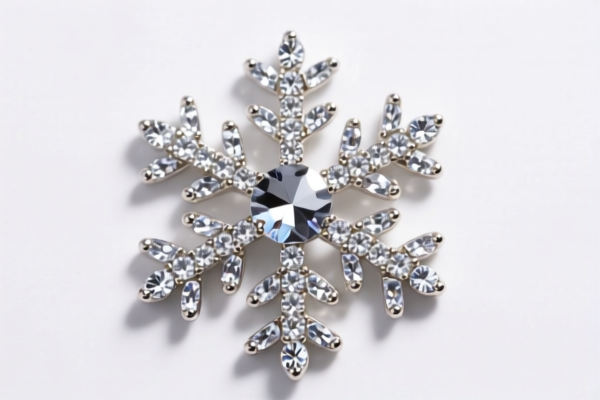
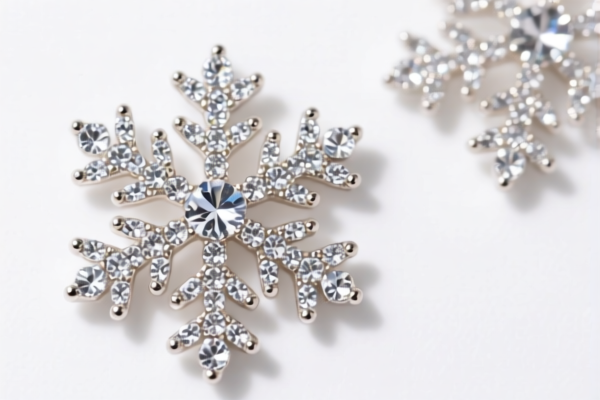
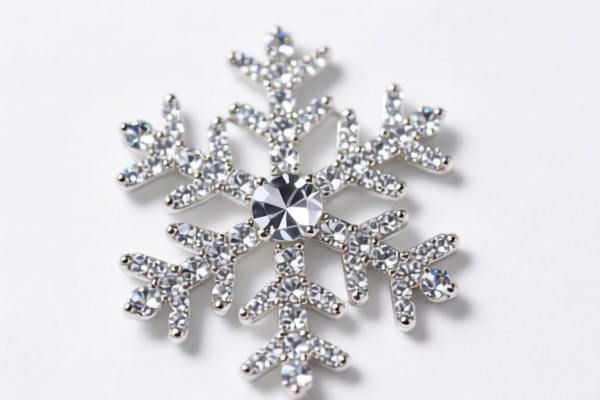
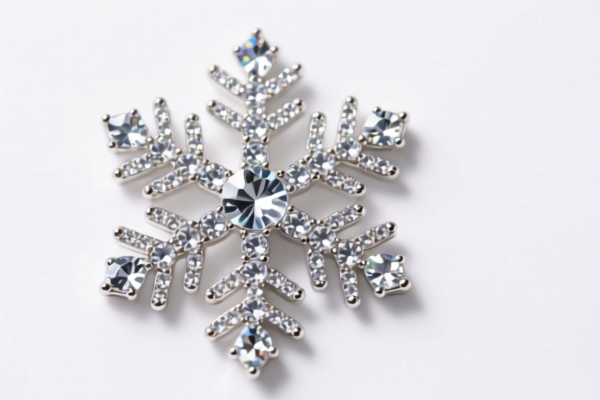
AI Analysis
🧱 Snowflake Blocks (Building Toy Bricks)
🌐 HS Code Reference & Customs Clearance Guide | 2026 Latest Tariff Analysis | Professional Strategy for LEGO-Compatible Toys
📌 I. Product Definition & Classification: What Exactly Are "Snowflake Blocks"?
"Snowflake Blocks" (often referred to as compatible building bricks or creative toy blocks) are modular construction toys. In international trade, they primarily fall under the category of Toys. However, depending on specific material composition, manufacturing processes, and functional definitions, they can be misclassified as generic plastic goods, leading to significant tariff differences.
The key distinction lies in whether the product is classified strictly as a Toy (Chapter 95) or a Plastic Article (Chapter 39).
⚠️ Critical Distinction Point:
- If the product is designed primarily for play, education, or entertainment (interlocking bricks, puzzles, models) → It belongs to Chapter 95 (Toys).
- If the product is deemed a generic plastic component without specific toy features or marketed as raw plastic material → It may fall under Chapter 39 (Plastics).
📦 II. HS Code Classification Details (2026 Latest Tariff Authority Mapping)
Based on the provided data for Snowflake Blocks, here are the four possible HS Codes and their corresponding tax implications. Note that classification depends on how Customs interprets the "Toy" vs. "Plastic Article" nature.
| HS Code | Product Description | Application Scenario | Tax Rate (China Origin to US) |
|---|---|---|---|
9503.00.00.71 |
Snowflake Blocks: Classified under Toys, fits definition of puzzles/toys. Material inferred as plastic. | Standard building blocks, creative play sets. | 10.0% |
3926.10.00.00 |
Plastic Toys: Based on plastic material, fits classification of other plastic articles, categorized as plastic toy items. | Generic plastic toys not meeting specific toy subheading criteria. | 15.3% |
9503.00.00.73 |
Building Blocks: Falls under Toys, fits definition of puzzles/entertainment models. Form matches toy characteristics. | Interlocking brick systems, model kits for play. | 10.0% |
3926.90.99.89 |
Other Plastic Articles: Plastic material, form is other plastic articles not specified elsewhere. | Non-toy plastic components, decorative plastic parts, or incorrectly declared goods. | 22.8% |
🔍 Key Reminder:
- Toys (9503) generally carry lower base tariffs (0%) but are subject to the 122 Clause (Section 301/IEEPA) surcharge.
- Plastic Articles (3926) carry higher base tariffs (5.3% - 7.5%) PLUS the 122 Clause surcharge.
- Do NOT misdeclare toys as generic plastic goods to "save" on base rates; the total tariff for3926.90.99.89is significantly higher (22.8%) than the toy classifications (10.0%).
💰 III. 2026 Latest Tariff Rate Detailed Analysis (Including Surcharges & Policy Additions)
✅ Applicable Country: United States (US)
✅ Origin: China (CN)
✅ Effective Time: Post-2025 (Includes Section 122/IEEPA clauses)
🎯 1. 9503.00.00.71 & 9503.00.00.73 — The Preferred "Toy" Classification
Both 9503.00.00.71 (Snowflake Blocks) and 9503.00.00.73 (Building Blocks) are classified under Toys.
| Item | Content |
|---|---|
| Base Tariff | 0.0% (ad valorem) |
| Add-on Tariff (Section 122/IEEPA) | +10% |
| Total Tariff Rate | 10.0% |
| Tax Calculation | CIF Value × 10% |
| De Minimis Exemption | ❌ Not Eligible (Denied) |
| Legal Basis Path | 9503 (Toys) → 122 Clause (Surcharge) |
📌 Explanation:
- The Base Rate is 0% because toys are generally duty-free from many countries under normal MFN rates.
- The 10% surcharge is applied under the 122 Clause (often associated with Section 301 or IEEPA enforcement on Chinese goods).
- Total Cost Impact: Only 10% of the CIF value. This is the most cost-effective classification for genuine toys.
🎯 2. 3926.10.00.00 — Plastic Toy Articles
| Item | Content |
|---|---|
| Base Tariff | 5.3% |
| Add-on Tariff (Section 122/IEEPA) | +10% |
| Total Tariff Rate | 15.3% |
| Tax Calculation | CIF Value × 15.3% |
| De Minimis Exemption | ❌ Not Eligible |
📌 Explanation:
- Higher base rate due to being classified under Chapter 39 (Plastics).
- Still subject to the 10% surcharge.
- Use Case: Only if the product lacks specific "toy" features but is still marketed as a toy.
🎯 3. 3926.90.99.89 — Other Plastic Articles (High Risk!)
| Item | Content |
|---|---|
| Base Tariff | 5.3% |
| Add-on Tariff (Section 301/Additional) | +7.5% |
| Add-on Tariff (Section 122/IEEPA) | +10% |
| Total Tariff Rate | 22.8% |
| Tax Calculation | CIF Value × 22.8% |
| De Minimis Exemption | ❌ Not Eligible |
📌 Warning:
- This is the highest tax bracket among the options.
- Includes additional 7.5% from Section 301 or similar trade measures, PLUS the 10% 122 clause.
- Misclassification Risk: Declaring toys as "other plastic articles" to avoid toy regulations can lead to penalties if customs determines they are functional toys.
🛠️ IV. Customs Clearance Practical Advice (Real-World Pitfall Avoidance)
✅ 1. Required Documentation Checklist
| Document | Mandatory | Notes |
|---|---|---|
| ✅ Product Specification Sheet | ✔️ | Must clearly state "Building Blocks," "Toys," "Interlocking Bricks." |
| ✅ Product Photos | ✔️ | Show the interlocking mechanism, packaging, and intended use (play). |
| ✅ Material Declaration | ✔️ | Confirm ABS/PLA Plastic. Do not say "Raw Plastic Granules." |
| ✅ Commercial Invoice | ✔️ | Use precise description: "Plastic Building Blocks for Children (HS 9503)". |
| ✅ CPSIA/ASTM F963 Test Report | ✔️ | Crucial for Toys. US Customs may request proof of safety compliance for toys. |
| ✅ Packing List | ✔️ | Detail quantity per box. |
✅ 2. Declaration Tips (Key Mantras)
🔥 "Declare as Toys, Not Plastic! Use HS 9503, Avoid 3926!"
| Scenario | Correct Declaration | Wrong Declaration | Result |
|---|---|---|---|
| Standard Building Blocks | 9503.00.00.71 or 9503.00.00.73 |
3926.90.99.89 |
Save 12.8% Tax! |
| Toy Bricks + Instruction Manual | Clearly state "Toy Set" | "Plastic Parts" | Risk of Audit & Penalty |
| Bulk Loose Bricks (No Packaging) | Still 9503.00.00.73 (if intended for play) |
3926.10.00.00 |
Unnecessary 5.3% Base Tax |
✅ 3. Special Situations
| Situation | Handling Advice |
|---|---|
| OEM/White Label Blocks | Provide design drawings showing interlocking mechanism. Emphasize "Play Value" over "Material Value." |
| Blocks for Adults (AFOL) | Still classified as Toys (9503) if marketed as recreational models, not industrial plastic parts. |
| Mixed Containers (Toys + Non-Toys) | Separate HS Codes! Do not mix 9503 and 3926. Mixing leads to audit of the entire container. |
| De Minimis (Section 321) | ❌ Not Applicable. Toys from China are explicitly excluded from $800 de minimis exemption. |
🌍 V. Global Market Comparison (2026 Latest)
| Country/Region | Recommended HS Code | Total Tariff (CN Origin) | Certification Requirements | Notes |
|---|---|---|---|---|
| 🇺🇸 USA | 9503.00.00.71 / .73 |
10.0% | CPSIA, ASTM F963 | Base 0% + 10% Surcharge |
| 🇨🇳 China | 9503.00.00.71 / .73 |
0% (Import Duty) | CCC (if applicable) | Domestic trade favorable |
| 🇪🇺 EU | 9503.00.00 |
0% | CE, EN71 | No Section 301-style tariffs |
| 🇬🇧 UK | 9503.00.00 |
0% | UKCA, EN71 | Post-Brexit standards apply |
| 🇦🇺 Australia | 9503.00.00 |
5% | ACCC Safety Standards | Low tariff, high safety scrutiny |
📌 Conclusion:
- USA is the most complex market due to the 10% surcharge on toys.
- EU/UK/AU are more favorable, with 0%~5% total tariffs and no additional trade war penalties.
- Avoid US Classification3926unless the product is definitively NOT a toy, as the 22.8% rate is punitive.
📌 VI. Common Mistakes & Pitfalls (Blood & Tears Lessons)
❌ Mistake 1: Declaring "Snowflake Blocks" as "Plastic Toys" under 3926.10.00.00
👉 Result: You pay 5.3% base tax + 10% surcharge = 15.3% instead of 10%.
👉 Fix: Use 9503.00.00.71 or .73.
❌ Mistake 2: Declaring toys as "Other Plastic Articles" (3926.90.99.89) to avoid toy regulations
👉 Result: You pay 22.8% total tariff. Customs may also impose safety compliance penalties for lacking CPSIA testing.
👉 Fix: Always declare as Toys 9503.
❌ Mistake 3: Ignoring the "122 Clause" in tariff calculations
👉 Result: Underestimating landed cost by 10%.
👉 Fix: Factor in the 10% surcharge in your pricing model.
❌ Mistake 4: Failing to provide ASTM F963 or CPSIA reports for US shipments
👉 Result: Customs detention, return, or destruction of goods.
👉 Fix: Ensure all toy shipments have valid third-party lab test reports.
✅ Correct Practice:
"Plastic Building Blocks for Children, Interlocking Design, Model XYZ, CPSIA Compliant, HS Code 9503.00.00.71"
🎯 VII. Conclusion: Professional Classification Saves Money!
🎯 Remember the Mantra:
🔹 "Blocks are Toys, HS 9503, 10% Total!"
🔹 "Plastic Code 3926, 22.8% Disaster!"
🔹 "Base Zero, Surcharge Ten, Clear Customs With Ease!"
📌 Pro Tip:
If your Snowflake Blocks are originally manufactured in Vietnam, Malaysia, or Thailand, they may be exempt from the 10% US Surcharge. Verify Country of Origin on the Bill of Lading.
Recommend applying for an Advance Ruling from US Customs (CBP) if your product is borderline between "Toy" and "Plastic Article."
📣 Take Action Now:
📞 Contact a licensed Customs Broker
📸 Provide High-Res Photos + Spec Sheet
📝 Apply for HS Code Advance Ruling for9503.00.00.71
🚀 Ship Safely, Pay Less Tax, Grow Your Business!
✨ Professional Clearance Starts with Accurate Classification!
💼 Every Percent of Tax Matters to Your Bottom Line!
Customer Reviews
About HS Code Classification
The Harmonized System (HS) is an internationally standardized nomenclature developed by the World Customs Organization (WCO) to classify traded products. Over 200 countries use the HS system as the basis for customs tariffs, trade statistics, and import/export regulations.
Each HS code follows a hierarchical structure:
- Chapter (2 digits) — Broad category of goods (e.g., Chapter 84: Machinery and Mechanical Appliances)
- Heading (4 digits) — More specific grouping within the chapter
- Subheading (6 digits) — Internationally standardized breakdown, used by all WCO member countries
- National subdivisions (8-10 digits) — Country-specific extensions for further classification, such as US HTSUS 10-digit codes
Correct HS code classification is essential for smooth customs clearance, accurate duty payment, and compliance with trade regulations. Misclassification can lead to customs delays, overpayment of duties, or penalties.
When importing from CN to US, the applicable tariff rates may include:
- Most-Favored-Nation (MFN) rate — The standard duty rate applied to WTO members
- General rate — Applied to countries without trade agreements
- Trade remedy duties — Additional tariffs such as Section 301 (anti-dumping), Section 232 (national security), or countervailing duties
The information provided on this page is for reference purposes only. For official classification, please consult with your local customs authority or a licensed customs broker.