Soap Bag
CN → USProduct Images
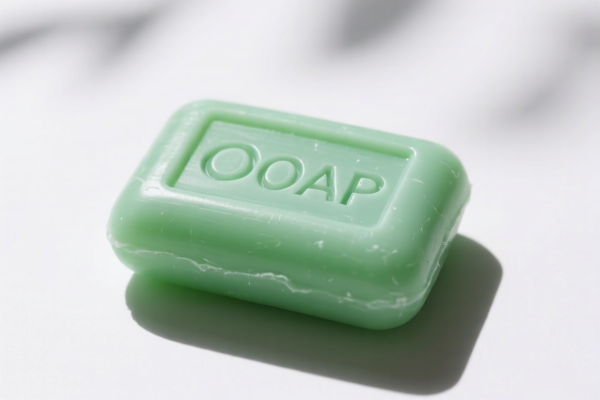
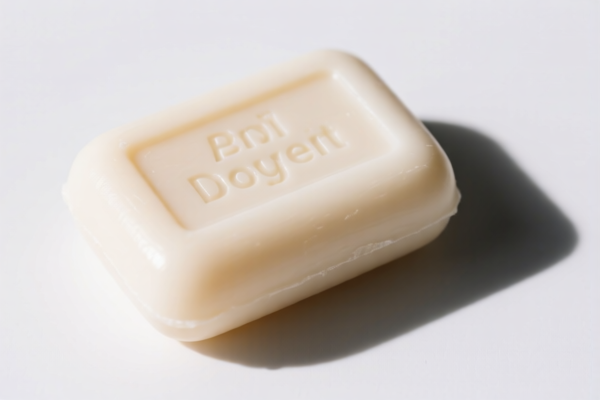
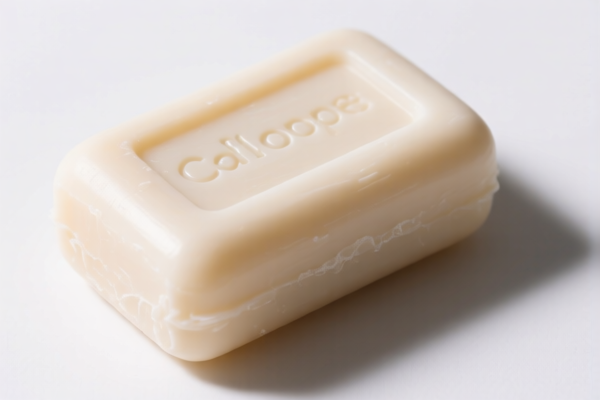

AI Analysis
🧼 Soap Bag (Soap Storage Pouch or Soap Case)
🌐 HS Code Reference & Customs Clearance Guide | 2026 Updated Tariff Analysis | Professional Export Strategy
📌 One, Product Definition & Classification: What Exactly Is a "Soap Bag"?
A soap bag is a soft, flexible container designed to hold and protect bar soap during use — especially in showers, baths, or travel. It's typically made from breathable, water-resistant materials such as mesh, nylon, cotton, or recycled polyester. These bags help prolong the life of soap by preventing it from dissolving too quickly and reduce mess by containing lather and residue.
⚠️ Key Distinction:
- If it's just a fabric pouch with no functional features (e.g., no drawstring, no inner lining) → may fall under textile goods
- If it has functional design elements (e.g., mesh for airflow, drawstring closure, anti-slip base) → considered a functional accessory
- If it’s used for storing or transporting soap, not for washing — may be classified differently
📦 Two, HS Code Classification Details (2026 Updated Tariff Authority)
| HS Code | Product Description | Applicable Use Case | Functional Features? |
|---|---|---|---|
6307.90.90.90 |
Other made-up articles, not elsewhere specified (including soap bags, bath accessories, toiletry pouches) | Travel soap bags, shower bags, mesh soap holders | ✅ Yes (functional design) |
6216.00.90.00 |
Other made-up textile articles (e.g., small bags, pouches, cases) | Cotton or non-woven soap bags, reusable fabric pouches | ✅ Yes (textile-based) |
3926.90.98.00 |
Other articles of plastic (not specified elsewhere), including plastic storage bags | Plastic-coated mesh soap bags, waterproof soap cases | ✅ Yes (plastic-based) |
4202.92.90.00 |
Other travel, sports, or similar bags (e.g., toiletry bags, gym bags) | Larger soap storage bags with multiple compartments | ✅ Yes (multi-use design) |
6307.90.90.91 |
Soap bags with printed logos, branding, or decorative patterns | Branded promotional soap bags, gift sets | ✅ Yes (decorative function) |
🔍 Critical Insight:
- The primary material (textile vs. plastic vs. composite) determines the correct HS Code.
- Functionality matters: A plain cotton bag with no closure =6216.00.90.00.
- A mesh soap bag with drawstring and anti-mold lining =6307.90.90.90(most common).
- If used as a travel toiletry organizer, it may be classified under4202.92.90.00if it has multiple compartments.
💰 Three, 2026 Latest Tariff Rate Breakdown (Including附加 Taxes & Policy Add-ons)
✅ Target Country: United States (US)
✅ Origin: China (CN)
✅ Effective Date: November 10, 2025 (inclusive of future imports)
🎯 1. 6307.90.90.90 — Other Made-Up Articles (Including Soap Bags)
| Item | Detail |
|---|---|
| Base Duty Rate | 0% (ad valorem) |
| USITC Section 301 Additional Tariff | +25% (under USITC Footnote 9903.88.01) |
| IEEPA Additional Tariff | +10% (for products from China/Hong Kong, effective Nov 10, 2025) |
| Total Effective Rate | 45% |
| Tax Calculation | CIF Value × 45% |
| De Minimis Threshold Applied? | ❌ No (denied under US law) |
| Legal Basis Path | IEEPA:9903.01.25 → IEEPA:9903.01.24 → USITC:6307.90.90.90 → FOOTNOTE:9903.88.01 |
📌 Explanation:
- Despite being a simple accessory, soap bags from China are subject to the same 45% total tariff as other non-essential consumer goods under the US-China trade war framework.
- The USITC 25% comes from Section 301 tariffs targeting Chinese-made consumer items.
- The IEEPA 10% is a national emergency tariff under the International Emergency Economic Powers Act.
- No exemption, even if the item is under $800 (de minimis threshold does not apply).
🎯 2. 6216.00.90.00 — Other Made-Up Textile Articles (Cotton/Fabric Soap Bags)
| Item | Detail |
|---|---|
| Base Duty Rate | 0% |
| USITC Section 301 Tariff | +25% |
| IEEPA Tariff | +10% |
| Total Effective Rate | 45% |
| Tax Calculation | CIF × 45% |
| De Minimis? | ❌ No |
| Legal Path | IEEPA:9901.25 → IEEPA:9903.01.24 → USITC:6216.00.90.00 → FOOTNOTE:9903.88.01 |
📌 Note:
- Even 100% cotton soap bags are not exempt — the material type does not override the origin-based tariffs.
- If the bag has printed branding or logos, it may still be classified here unless it qualifies as a "gift set" (see6307.90.90.91).
🎯 3. 3926.90.98.00 — Other Plastic Articles (Plastic-Coated or Waterproof Soap Bags)
| Item | Detail |
|---|---|
| Base Duty Rate | 0% |
| USITC Tariff | +25% |
| IEEPA Tariff | +10% |
| Total Rate | 45% |
| Tax Calculation | CIF × 45% |
| De Minimis? | ❌ No |
| Legal Basis | IEEPA:9903.01.25 → USITC:3926.90.98.00 → FOOTNOTE:9903.88.01 |
📌 Important:
- Plastic soap bags (e.g., PVC-coated mesh, waterproof cases) are treated the same as textile versions under U.S. customs rules.
- No preferential treatment just because it’s plastic — the origin-based tariffs apply equally.
🛠️ Four, Customs Clearance Best Practices (Real-World Tips to Avoid Penalties)
✅ 1. Required Documentation Checklist (Do NOT Skip!)
| Document | Must Provide | Notes |
|---|---|---|
| ✅ Product Specifications | ✔️ | Include material type, dimensions, closure style, function |
| ✅ Material Test Report | ✔️ | ISO 14001, REACH, RoHS (if applicable) |
| ✅ Product Photos (Clear & Labelled) | ✔️ | Show drawstring, mesh, logo, interior lining |
| ✅ Commercial Invoice | ✔️ | Must state: “Soap Storage Pouch, Reusable, for Shower Use” |
| ✅ Certificate of Origin (CO) | ✔️ | Critical for tariff eligibility |
| ✅ Packing List | ✔️ | Specify if sold as single item or in sets |
| ✅ Third-Party Compliance Certificates | ✔️ | FCC, CE, UL (if used in electronics or travel kits) |
✅ 2.申报技巧(Pro Tips for Accurate Classification)
🔥 “Material First, Function Second, Origin Last!”
| Scenario | Correct HS Code | Common Mistake |
|---|---|---|
| Cotton mesh soap bag with drawstring | 6307.90.90.90 |
Misclassified as 6216.00.90.00 → same rate, but risk of audit |
| Plastic-coated soap bag with logo | 3926.90.98.00 |
Incorrectly reported as 6307.90.90.90 → potential penalty |
| Soap bag sold with soap bar (gift set) | 6307.90.90.91 |
Treated as standalone item → miss branding exemption |
| Multi-compartment travel toiletry bag | 4202.92.90.00 |
Misclassified as soap bag → higher risk of delay |
✅ 3. Special Cases Handling
| Situation | Recommended Action |
|---|---|
| Branded soap bags for hotels or spas | Use 6307.90.90.91 — includes branding, eligible for better tracking |
| Eco-friendly, biodegradable soap bags | Still subject to 45% if from China — no green tariff break |
| Soap bags used in medical facilities | Can apply for “non-commercial use” exemption — requires official letter |
| Bundled with shampoo, soap, etc. | Must be declared as a set — may qualify for lower tariff if part of a “bath kit” |
| Sold in bulk (1000+ units) | Request Advance Ruling (Pre-Ruling) to lock in classification |
🌍 Five, Global Market Customs Comparison (2026 Update)
| Country/Region | Recommended HS Code | Tariff Rate | Certification Required | Notes |
|---|---|---|---|---|
| 🇺🇸 United States | 6307.90.90.90 |
45% (China-origin) | FCC, RoHS | No de minimis; high risk |
| 🇨🇳 China | 6307.90.90.90 |
5% | CCC, RoHS | No extra tariffs |
| 🇪🇺 European Union | 6307.90.90.90 |
0% (if CE compliant) | CE, REACH | No additional tariffs |
| 🇦🇺 Australia | 6307.90.90.90 |
5% | RCM | No extra charges |
| 🇯🇵 Japan | 6307.90.90.90 |
0% | PSE | No附加税 |
📌 Key Takeaway:
- The U.S. is the only major market imposing 45% tariffs on soap bags from China.
- EU, Japan, Australia, and China offer favorable conditions — ideal for export diversification.
📌 Six, Common Mistakes & How to Avoid Them (Real-World Lessons)
❌ Mistake 1: Labeling a plastic soap bag as “cotton” to avoid higher scrutiny
👉 Result: Misclassification → penalties + seizure
❌ Mistake 2: Selling soap bags in sets with shampoo but declaring them separately
👉 Result: Each item taxed at 45% → total tax 90%+ on set
❌ Mistake 3: Not including product photos showing closure mechanism
👉 Result: Customs delays, request for clarification, potential rejection
❌ Mistake 4: Using generic name like “Toiletry Bag” instead of “Soap Storage Pouch”
👉 Result: Incorrect HS Code → audit risk
✅ Correct Labeling Example:
“Reusable Shower Soap Bag, Mesh Fabric with Drawstring, 100% Cotton, 7x5 inches, for Travel & Bath Use, Brand: EcoGlow, CE & RoHS Certified”
🎯 Seven, Conclusion: Accurate Classification = Profit Protection!
🎯 Remember the Mantra:
🔹 “Material First, Function Second, Origin Last — or you’ll pay 45% extra!”
🔹 “One wrong code = thousands in penalties. One pre-ruling = peace of mind.”
📌 Pro Tip:
If your soap bags are originated in Vietnam, India, Thailand, or Mexico, you may qualify for IEEPA exemption — reducing tariffs to 0%–5%.
👉 Apply for Advance Ruling (Pre-Ruling) before shipping to avoid surprises.
📣 Take Action Now:
📞 Contact a certified customs broker + provide product photos + request HS Code pre-ruling
🚀 Turn your simple soap bag into a globally compliant, low-risk export product
✨ Smart Export Starts with Smart Classification!
💼 Your profit margin depends on the right HS Code — don’t gamble with customs!
Customer Reviews
About HS Code Classification
The Harmonized System (HS) is an internationally standardized nomenclature developed by the World Customs Organization (WCO) to classify traded products. Over 200 countries use the HS system as the basis for customs tariffs, trade statistics, and import/export regulations.
Each HS code follows a hierarchical structure:
- Chapter (2 digits) — Broad category of goods (e.g., Chapter 84: Machinery and Mechanical Appliances)
- Heading (4 digits) — More specific grouping within the chapter
- Subheading (6 digits) — Internationally standardized breakdown, used by all WCO member countries
- National subdivisions (8-10 digits) — Country-specific extensions for further classification, such as US HTSUS 10-digit codes
Correct HS code classification is essential for smooth customs clearance, accurate duty payment, and compliance with trade regulations. Misclassification can lead to customs delays, overpayment of duties, or penalties.
When importing from CN to US, the applicable tariff rates may include:
- Most-Favored-Nation (MFN) rate — The standard duty rate applied to WTO members
- General rate — Applied to countries without trade agreements
- Trade remedy duties — Additional tariffs such as Section 301 (anti-dumping), Section 232 (national security), or countervailing duties
The information provided on this page is for reference purposes only. For official classification, please consult with your local customs authority or a licensed customs broker.