Soap Dish 2 Pack Short
CN → US| HS Code | Tariff Rate | Origin | Destination | Doc |
|---|---|---|---|---|
| 3924104000 | 13.4% | CN | US | Official Doc |
| 7323999030 | 88.4% | CN | US | Official Doc |
| 3924905650 | 20.9% | CN | US | Official Doc |
Product Images


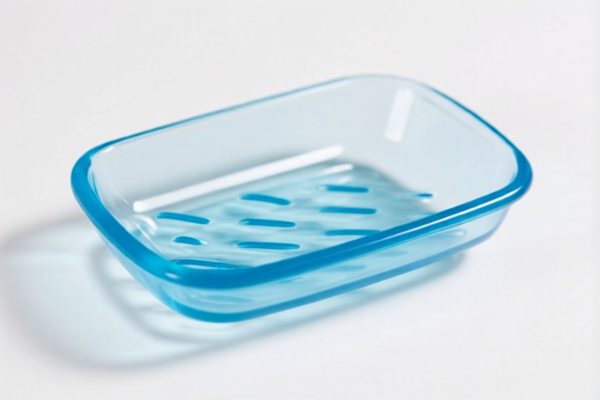
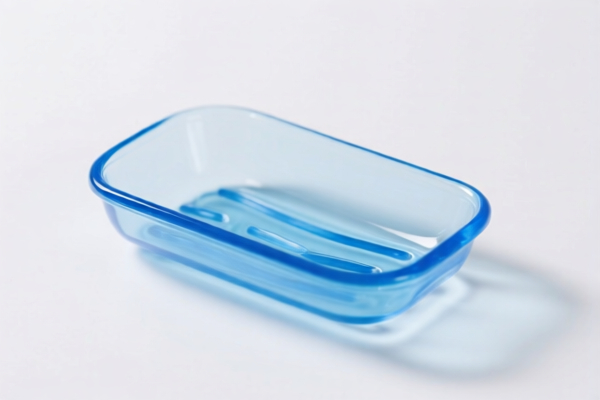
AI Analysis
🧼 Soap Dish 2 Pack Short (Short Style Soap Dishes)
🌐 HS Code Reference & Customs Clearance Guide | 2024 Latest Tariff Analysis | Professional Compliance Strategy
📌 I. Product Definition & Classification: What exactly is a "Short Soap Dish"?
A "Soap Dish" is a common household item used to hold soap bars, allowing water to drain and preventing the soap from becoming mushy. In international trade, classification depends heavily on the material and specific usage.
Key Distinction:
- Plastic Soap Dishes: Typically fall under Chapter 39 (Plastics).
- Ceramic Soap Dishes: Typically fall under Chapter 69 (Ceramics).
- Metal/Iron Soap Dishes: Typically fall under Chapter 73 (Iron/Steel).
⚠️ Critical Classification Point:
- If the product is made of plastic → Look for 3924
- If the product is made of ceramic → Look for 6913 or 6911
- If the product is made of iron/steel → Look for 7323
📦 II. HS Code Classification Details (Based on Provided Data)
| HS Code | Product Description | Material | Applicable Scenario | Tax Rate (US Import from China) |
|---|---|---|---|---|
3924.10.40.00 |
Tableware, kitchenware... of plastics: Tableware and kitchenware: Other | Plastic | Basic plastic soap dishes, non-ornamental | 3.4% |
3924.90.56.50 |
Tableware, kitchenware... of plastics: Other: Other Other | Plastic | Plastic soap dishes (non-tableware specific, e.g., decorative or niche) | 10.9% |
6913.90.50.00 |
Statuettes and other ornamental ceramic articles: Other: Other: Other | Ceramic | Ceramic soap dishes classified as "ornamental" or general ceramic articles | 13.5% |
6913.90.20.00 |
Statuettes and other ornamental ceramic articles: Other: Other: Of ceramic tile | Ceramic | Ceramic soap dishes made of ceramic tile material | 7.5% |
7323.99.90.30 |
Table, kitchen... articles... of iron or steel... Kitchen or tableware suitable for food or drink contact | Iron/Steel | Metal soap dishes suitable for food/drink contact | 78.4% |
7323.99.90.80 |
Table, kitchen... articles... of iron or steel... Other | Iron/Steel | Metal soap dishes (non-food contact or general household) | 78.4% |
🔍 Important Note:
- Plastic is the most common and cost-effective material for soap dishes.
- Ceramic soap dishes are often considered "ornamental" if they are decorative, leading to higher tariffs.
- Metal soap dishes attract very high tariffs (78.4%) due to Section 301 and other trade measures. Avoid if possible unless value-added justification is strong.
💰 III. 2024 Latest Tariff Rate Breakdown (Including Additional Duties)
✅ Applicable Country: United States (US)
✅ Country of Origin: China (CN)
✅ Effective Date: Current (Includes Section 301 tariffs)
🎯 1. 3924.10.40.00 —— Plastic Tableware/Kitchenware (Other)
| Item | Content |
|---|---|
| Base Tariff | 3.4% (ad valorem) |
| Additional Tariff (Section 301) | 0.0% |
| Total Tax Rate | 3.4% |
| Tax Calculation | CIF Value × 3.4% |
| De Minimis Eligibility | ❌ Not applicable for commercial imports |
| Legal Basis Path | HTSUS:3924.10.40.00 |
📌 Explanation:
- This is the most favorable rate for plastic soap dishes.
- Classified as "Tableware/Kitchenware" ensures the lower base rate.
- No additional Section 301 tariffs apply to this specific subheading.
🎯 2. 3924.90.56.50 —— Plastic Other Household Articles
| Item | Content |
|---|---|
| Base Tariff | 3.4% |
| Additional Tariff (Section 301) | 7.5% |
| Total Tax Rate | 10.9% |
| Tax Calculation | CIF Value × 10.9% |
| De Minimis Eligibility | ❌ Not applicable |
| Legal Basis Path | HTSUS:3924.90.56.50 |
📌 Explanation:
- If the soap dish is not considered "tableware" (e.g., purely decorative or non-standard shape), it may fall here.
- 7.5% additional tariff applies under Section 301.
- Still cheaper than ceramic or metal alternatives.
🎯 3. 6913.90.50.00 —— Ornamental Ceramic Articles
| Item | Content |
|---|---|
| Base Tariff | 6.0% |
| Additional Tariff (Section 301) | 7.5% |
| Total Tax Rate | 13.5% |
| Tax Calculation | CIF Value × 13.5% |
| De Minimis Eligibility | ❌ Not applicable |
| Legal Basis Path | HTSUS:6913.90.50.00 |
📌 Explanation:
- Ceramic soap dishes are often classified as "ornamental" if they are decorative.
- Higher tariff than plastic.
- If made of ceramic tile, rate is 7.5% (6913.90.20.00).
🎯 4. 7323.99.90.30 / 7323.99.90.80 —— Iron/Steel Articles
| Item | Content |
|---|---|
| Base Tariff | 3.4% |
| Additional Tariff (Section 301) | 25.0% (Steel) / 50% (Steel/Aluminum/Copper) |
| Total Tax Rate | 78.4% |
| Tax Calculation | CIF Value × 78.4% |
| De Minimis Eligibility | ❌ Not applicable |
| Legal Basis Path | HTSUS:7323.99.90.30 / 7323.99.90.80 |
📌 Explanation:
- Avoid this category if possible.
- Extremely high tariffs due to steel/copper/aluminum trade measures.
- Only consider if the product is highly specialized and value justification is strong.
🛠️ IV. Customs Clearance Practical Advice (Avoiding Pitfalls)
✅ 1. Required Documentation Checklist
| Document | Mandatory | Notes |
|---|---|---|
| ✅ Commercial Invoice | ✔️ | Clearly state material (Plastic, Ceramic, Metal), HS Code, and value. |
| ✅ Packing List | ✔️ | Include quantity, weight, and dimensions. |
| ✅ Product Photos | ✔️ | Show the product clearly, including any labels or markings. |
| ✅ Material Declaration | ✔️ | Specify if plastic is PP, ABS, etc. For ceramic, specify type. |
| ✅ Labeling | ✔️ | Must include "Made in China" (or country of origin) clearly. |
✅ 2. Declaration Tips (Key Mnemonics)
🔥 "Material First, Function Second, Label Clearly, Avoid High Tariffs!"
| Scenario | Correct Declaration | Incorrect Approach |
|---|---|---|
| Plastic Soap Dish | 3924.10.40.00 |
Misclassify as "Plastic Container" → Risk of audit |
| Ceramic Soap Dish | 6913.90.50.00 |
Misclassify as "Plastic" → Penalty & Back Tax |
| Metal Soap Dish | 7323.99.90.30 |
Not recommended due to high tariff |
| Ornamental Ceramic | 6913.90.50.00 |
Classify as "Tableware" → Incorrect if decorative |
📌 Note:
- Plastic is the safest and most cost-effective option.
- Ceramic is acceptable if ornamental, but beware of the 13.5% rate.
- Metal is highly discouraged due to 78.4% tariff.
✅ 3. Special Cases
| Case | Handling Advice |
|---|---|
| Set of Soap Dishes | Declare as a set if packaged together. Use the principal component’s HS Code. |
| Mixed Materials | Classify based on the component that gives the product its essential character. |
| Custom Design | Provide design drawings to prove it’s not a standard tableware item. |
| Gift Packaging | Ensure the invoice reflects the actual value, not the gift box value. |
🌍 V. Global Market Comparison (2024 Latest)
| Country/Region | Recommended HS Code | Tariff | Certification | Notes |
|---|---|---|---|---|
| 🇺🇸 USA | 3924.10.40.00 |
3.4% | FCC (if electronic), No | Best for plastic |
| 🇨🇳 China | 3924.10.40.00 |
3.4% | CCC (if applicable) | No additional duties |
| 🇪🇺 EU | 3924.10.40.00 |
6.5% | CE, REACH | No Section 301 equivalent |
| 🇬🇧 UK | 3924.10.40.00 |
6.5% | UKCA, REACH | Post-Brexit rules apply |
| 🇯🇵 Japan | 3924.10.40.00 |
3.0% | PSE (if electronic) | Low tariff, high quality standards |
📌 Conclusion:
- USA has low base tariffs for plastic soap dishes but high tariffs for metal/ceramic.
- EU/UK have moderate tariffs with no additional trade war duties.
- Plastic is the globally preferred material for cost efficiency.
📌 VI. Common Mistakes & Pitfalls (Lessons Learned)
❌ Mistake 1: Misclassifying plastic soap dishes as "Plastic Containers"
👉 Consequence: Higher tariff (e.g., 5.6% instead of 3.4%) + Audit Risk
❌ Mistake 2: Declaring ceramic soap dishes as "Plastic"
👉 Consequence: Fraud detection → Seizure + Fines
❌ Mistake 3: Ignoring Section 301 tariffs for metal products
👉 Consequence: 78.4% tariff → Loss of profit margin
❌ Mistake 4: Failing to label "Made in China"
👉 Consequence: Customs hold + Delayed clearance
✅ Correct Approach:
"Plastic Soap Dish, 2-Pack, Short Style, Model XYZ, Made in China, HS Code 3924.10.40.00"
🎯 VII. Conclusion: Smart Classification, Lower Costs, Faster Clearance!
🎯 Remember:
🔹 "Plastic First, Ceramic Second, Metal Avoid, Label Always!"
🔹 "HS Code Determines Duty, Classification Saves Money, Declaration Ensures Speed!"
📌 Pro Tip:
- If you are importing plastic soap dishes, use 3924.10.40.00 for the lowest tariff.
- If you are importing ceramic soap dishes, use 6913.90.50.00 but expect 13.5% tariff.
- Avoid metal soap dishes due to 78.4% tariff.
📣 Immediate Action:
📞 Contact a licensed customs broker + Provide product photos + Confirm HS Code
🚀 Ensure smooth clearance, avoid penalties, and maximize your profit!
✨ Professional Classification Starts with Accuracy!
💼 Every Dollar Saved on Tariffs is Pure Profit!
Customer Reviews
About HS Code Classification
The Harmonized System (HS) is an internationally standardized nomenclature developed by the World Customs Organization (WCO) to classify traded products. Over 200 countries use the HS system as the basis for customs tariffs, trade statistics, and import/export regulations.
Each HS code follows a hierarchical structure:
- Chapter (2 digits) — Broad category of goods (e.g., Chapter 84: Machinery and Mechanical Appliances)
- Heading (4 digits) — More specific grouping within the chapter
- Subheading (6 digits) — Internationally standardized breakdown, used by all WCO member countries
- National subdivisions (8-10 digits) — Country-specific extensions for further classification, such as US HTSUS 10-digit codes
Correct HS code classification is essential for smooth customs clearance, accurate duty payment, and compliance with trade regulations. Misclassification can lead to customs delays, overpayment of duties, or penalties.
When importing from CN to US, the applicable tariff rates may include:
- Most-Favored-Nation (MFN) rate — The standard duty rate applied to WTO members
- General rate — Applied to countries without trade agreements
- Trade remedy duties — Additional tariffs such as Section 301 (anti-dumping), Section 232 (national security), or countervailing duties
The information provided on this page is for reference purposes only. For official classification, please consult with your local customs authority or a licensed customs broker.