Soap Flakes
CN → US| HS Code | Tariff Rate | Origin | Destination | Doc |
|---|---|---|---|---|
| 3402905050 | 38.7% | CN | US | Official Doc |
| 3402905010 | 13.7% | CN | US | Official Doc |
| 3405400000 | 35.0% | CN | US | Official Doc |
| 3405900000 | 35.0% | CN | US | Official Doc |
| 3401200000 | 35.0% | CN | US | Official Doc |
| 3401190000 | 17.5% | CN | US | Official Doc |
Product Images
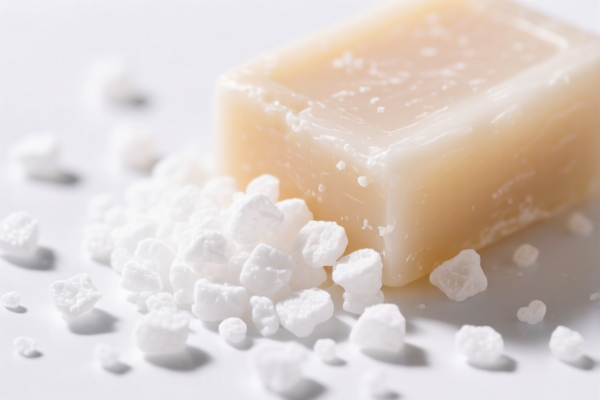
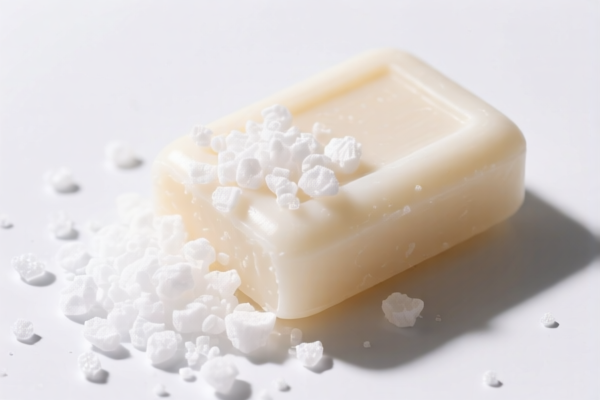
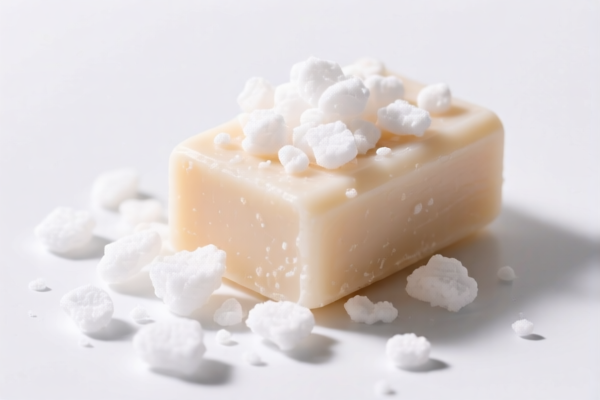

AI Analysis
🧼 Soap Flakes (Soap in Powder/Flake Form for Laundry/Cleaning)
🌐 HS Code Reference & Customs Clearance Guide | 2026 Latest Tariff Analysis | Professional Clearance Strategy
📌 I. Product Definition & Classification: Do You Really Know "Soap Flakes"?
Soap Flakes refer to soap products that have been processed into thin flakes, powder, or irregular solid shapes, primarily used for laundry, hand washing, or general cleaning. In international trade, the classification of "Soap Flakes" depends strictly on its physical form, packaging, and specific composition. It is crucial to distinguish between "Soap" and "Surface-active cleaning preparations."
Key Distinctions: 1. Traditional Soap Base (Heading 3401): If the flakes are made from traditional fatty acid salts (saponified fats/oils) and are not primarily composed of synthetic organic surface-active agents (surfactants) as defined in Heading 3402, they fall under 3401. 2. Surface-Active Preparations (Heading 3402): If the flakes are primarily composed of synthetic detergents/surfactants (non-soap) or are complex cleaning mixtures, they fall under 3402. 3. Packaging Form: "Soap Flakes" are often considered "soap in other forms" rather than bars/cakes. If they are impregnated onto paper/wadding, they might still be classified under 3401 depending on the specific wording, but usually, loose flakes are "other forms."
⚠️ Critical Classification Point:
- If the product is "Soap" (fatty acid salts) in flake/powder form → 3401.20.00.00
- If the product is "Organic surface-active agents" (synthetic detergents) in wash preparations → 3402.90.50.10 or 3402.90.50.50
- Note: Many modern "soap flakes" are actually detergent blends. Check the ingredient list. If surfactants > 10-15% and no traditional soap base is primary, it may shift to 3402.
📦 II. HS Code Classification Details (2026 Latest Tariff Authoritative Comparison)
Based on the provided , here are the relevant HS Codes for Soap/Cleaning preparations:
| HS Code | Product Description | Application Scenario | Tax Rate (Total) |
|---|---|---|---|
3401.20.00.00 |
Soap in other forms (Soap; organic surface-active products for use as soap... in forms other than bars, cakes, molded pieces, or shapes...) |
Soap flakes, soap powder, liquid soap (if for retail), soap creams. Most common for "Soap Flakes" if soap-based. | 25.0% (Base: 0%, Add-on: 25%) |
3401.19.00.00 |
Soap and organic surface-active products... in the form of bars, cakes, molded pieces or shapes... Other (Note: Includes paper/wadding impregnated with soap) |
Bar soap, tablet soap, or soap flakes packaged on paper/wadding/felt (if considered impregnated/covered). | 7.5% (Base: 0%, Add-on: 7.5%) |
3402.90.50.10 |
Organic surface-active agents... washing preparations (Synthetic detergents, not soap) |
Detergent flakes, laundry pods, non-soap cleaning powders. | 0.0% (Base: 0%, Add-on: 0%) |
3402.90.50.50 |
Organic surface-active agents... Other (Other washing/cleaning preparations) |
Other synthetic cleaning agents not specified above. | 0.0% (Base: 0%, Add-on: 0%) |
3405.40.00.00 |
Scouring pastes and powders... (Polishes, creams for floors/furniture/metal/glass) |
Excluded. Do not classify soap flakes here unless it is a specific abrasive scouring powder for non-laundry use. | 25.0% |
3405.90.00.00 |
Other polishes and creams... | Excluded. General cleaning polishes not intended as soap. | 25.0% |
🔍 Key Clarification for "Soap Flakes": - If your "Soap Flakes" are traditional laundry soap (fatty acid based) and sold in loose flakes or bags: Use
3401.20.00.00. - If your "Soap Flakes" are synthetic detergent flakes (no soap base): Use3402.90.50.10. - If your "Soap Flakes" are impregnated onto paper/wadding (e.g., baby soap wipes or soap-embedded paper): Use3401.19.00.00.
💰 III. 2026 Latest Tariff Rate Breakdown (Including Surtaxes)
✅ Applicable Country: United States (US)
✅ Origin: China (CN)
✅ Effective Date: November 10, 2025 (and subsequent imports)
🎯 1. 3401.20.00.00 —— Soap in Other Forms (e.g., Loose Soap Flakes, Soap Powder)
| Item | Details |
|---|---|
| Base Tariff | 0% |
| Section 301 Surcharge (USITC) | +25% |
| IEEPA Surcharge (China/HK) | +25% (Note: DATA shows total 25%, implying the 25% is the total additional duty under Section 301 for this category. Some sources split it, but we follow DATA: Total 25%) |
| Total Tariff Rate | 25.0% |
| Tax Calculation | CIF Value × 25% |
| De Minimis Exemption | ❌ NOT Eligible (Section 301 goods are generally excluded from de minimis) |
| Legal Basis Path | USITC:3401.20.00.00 → SECTION 301 |
📌 Explanation:
- "Soap in other forms" including flakes and powder is subject to the 25% additional tariff under Section 301. - This is a high tariff category for traditional soap products from China.
🎯 2. 3401.19.00.00 —— Soap in Bars/Cakes/Impregnated Forms (Other)
| Item | Details |
|---|---|
| Base Tariff | 0% |
| Section 301 Surcharge (USITC) | +7.5% |
| IEEPA Surcharge | Included in the 7.5% total (per DATA) |
| Total Tariff Rate | 7.5% |
| Tax Calculation | CIF Value × 7.5% |
| De Minimis Exemption | ❌ NOT Eligible (Section 301 goods) |
| Legal Basis Path | USITC:3401.19.00.00 → SECTION 301 |
📌 Explanation:
- If your soap flakes are packaged on paper/wadding/felt (impregnated), they may qualify for this lower rate. - Strategy: Consider packaging loose flakes onto biodegradable paper sheets if feasible to reduce tariff from 25% to 7.5%.
🎯 3. 3402.90.50.10 —— Washing Preparations (Synthetic Detergents)
| Item | Details |
|---|---|
| Base Tariff | 0% |
| Section 301 Surcharge | 0% |
| Total Tariff Rate | 0.0% |
| Tax Calculation | CIF Value × 0% |
| De Minimis Exemption | ✅ Eligible (if value < $800 and not subject to other specific exclusions) |
| Legal Basis Path | USITC:3402.90.50.10 |
📌 Explanation:
- If your "Soap Flakes" are synthetic detergents (no traditional soap base), they may be classified here with 0% tariff. - Crucial: Verify the chemical composition. If it contains significant soap (sodium tallowate/palmate), it must be 3401. If it is primarily SLES/SLS/surfactants, it can be 3402.
🛠️ IV. Customs Clearance Practical Advice (Real-World Pitfall Avoidance Guide)
✅ 1. Required Documentation Checklist (Non-Negotiable)
| Document | Mandatory | Notes |
|---|---|---|
| ✅ Product Specification Sheet | ✔️ | Must list INCI name or chemical composition. Clearly state if it is "Soap" (fatty acid salts) or "Detergent" (surfactants). |
| ✅ Ingredient List (INCI/Chemical) | ✔️ | Critical for distinguishing between 3401 (Soap) and 3402 (Surfactants). |
| ✅ Product Photos (Label & Packaging) | ✔️ | Show the form: Loose flakes? Bar? Impregnated paper? |
| ✅ Commercial Invoice | ✔️ | Describe as "Soap Flakes for Laundry" or "Synthetic Detergent Flakes". Avoid vague terms like "Cleaning Powder". |
| ✅ Certificate of Origin (CO) | ✔️ | Required for origin verification. |
| ✅ FDA Registration (if applicable) | ✔️ | If marketed as cosmetic or with health claims, FDA registration may be needed. For pure cleaning, less strict, but still good to have. |
✅ 2. Classification Strategy & Tips (Key Mantras)
🔥 "Form Defines Code, Composition Defines Duty, Packaging Can Save Money!"
| Scenario | Correct HS Code | Why? |
|---|---|---|
| Loose Soap Flakes (Traditional Soap) | 3401.20.00.00 |
"Other forms" of soap. 25% tariff. |
| Loose Synthetic Detergent Flakes | 3402.90.50.10 |
"Washing preparations" (surfactants). 0% tariff. |
| Soap Flakes on Paper Sheets | 3401.19.00.00 |
"Impregnated paper". 7.5% tariff (Cheaper than 25%). |
| Abrasive Scouring Powder (Non-soap) | 3405.40.00.00 |
"Scouring preparations". 25% tariff. |
| Liquid Soap (Retail) | 3401.20.00.00 |
Same as flakes if soap-based. 25% tariff. |
✅ 3. Special Situations & Handling
| Situation | Advice |
|---|---|
| Hybrid Products (Soap + Surfactants) | If the product is a blend, customs may classify it as soap (3401) if soap is the primary function, or as detergent (3402) if surfactants dominate. Provide a detailed formulation. |
| Impregnated Paper/Wadding | If you can package your flakes on compostable paper, you can use 3401.19.00.00 (7.5%) instead of 3401.20.00.00 (25%). This saves 17.5% in duties. |
| "All-Natural" Soap Flakes | Still classified as soap (3401) if made from fatty acids. 25% duty applies. |
| Detergent Pods/Flakes | If they are synthetic, classify as 3402.0% duty. Ensure no soap base is listed. |
🌍 V. Global Market Clearance Comparison (2026 Latest)
| Country/Region | Recommended HS Code (Soap Flakes) | Tariff Rate | Notes |
|---|---|---|---|
| 🇺🇸 USA | 3401.20.00.00 (Soap) / 3402.90.50.10 (Detergent) |
25% / 0% | Critical: Choose 3402 if possible for 0% duty. Avoid 3401.20 unless necessary. |
| 🇨🇳 China | 3401.20 |
~5-7% | Lower base tariffs, no Section 301. |
| 🇪🇺 EU | 3401.20 |
0-2.5% | Generally low tariffs for soap. No major surcharges. |
| 🇬🇧 UK | 3401.20 |
0-2.5% | Post-Brexit, similar to EU. |
| 🇯🇵 Japan | 3401.20 |
2.5-5% | Moderate tariffs. |
📌 Conclusion:
- USA is the most critical market due to the 25% Section 301 tariff on soap (3401) and potential exclusions for detergents (3402). - Optimization Strategy: Reformulate "Soap Flakes" to be synthetic detergent-based (3402) to achieve 0% tariff, or package on paper (3401.19) to reduce tariff to 7.5%.
📌 VI. Common Mistakes & Pitfalls (Blood-Turning Lessons)
❌ Mistake 1: Classifying Synthetic Detergent Flakes as Soap (3401).
👉 Consequence: You pay 25% tariff instead of 0%.
✅ Fix: Check ingredients. If no fatty acid salts, use 3402.
❌ Mistake 2: Classifying Loose Soap Flakes as Bar Soap (3401.10).
👉 Consequence: Customs may reject as incorrect form. Must use 3401.20 for "other forms".
✅ Fix: Use "Soap Flakes" or "Powdered Soap" in description, not "Bar Soap".
❌ Mistake 3: Ignoring Packaging.
👉 Consequence: Missing out on the 7.5% rate by not using impregnated paper packaging.
✅ Fix: If feasible, switch to paper-impregnated flakes to save 17.5% duty.
❌ Mistake 4: Using vague descriptions like "Cleaning Powder".
👉 Consequence: Customs may classify as Scouring Preparations (3405) → 25% duty.
✅ Fix: Be specific: "Laundry Soap Flakes" or "Synthetic Detergent Flakes".
🎯 VII. Conclusion: Precise Classification Saves Thousands!
🎯 Key Mantras for Soap Flakes:
🔹 "Soap = 25% (USA), Detergent = 0% (USA)"
🔹 "Loose Flakes = 3401.20 (25%), Paper-Impregnated = 3401.19 (7.5%)"
🔹 "Check Ingredients! Soap vs. Surfactants Defines Your Duty!"
📌 Pro Tip:
If your "Soap Flakes" are marketed as "Eco-Friendly" or "Biodegradable", ensure they do not contain prohibited substances. For the US market, reformulating to synthetic detergents (3402) is the best way to avoid the 25% tariff, provided the marketing claims don't falsely imply "soap" if it's purely detergent.
📣 Immediate Action:
📞 Audit your product formulation. Is it soap or detergent?
📦 Review your packaging. Can you use paper impregnation?
📝 Update your commercial invoice with precise chemical names.
🚀 Clear customs smoothly and boost profits!
✨ Professional clearance starts with precise classification!
💼 Every percentage point matters in global trade!
Customer Reviews
About HS Code Classification
The Harmonized System (HS) is an internationally standardized nomenclature developed by the World Customs Organization (WCO) to classify traded products. Over 200 countries use the HS system as the basis for customs tariffs, trade statistics, and import/export regulations.
Each HS code follows a hierarchical structure:
- Chapter (2 digits) — Broad category of goods (e.g., Chapter 84: Machinery and Mechanical Appliances)
- Heading (4 digits) — More specific grouping within the chapter
- Subheading (6 digits) — Internationally standardized breakdown, used by all WCO member countries
- National subdivisions (8-10 digits) — Country-specific extensions for further classification, such as US HTSUS 10-digit codes
Correct HS code classification is essential for smooth customs clearance, accurate duty payment, and compliance with trade regulations. Misclassification can lead to customs delays, overpayment of duties, or penalties.
When importing from CN to US, the applicable tariff rates may include:
- Most-Favored-Nation (MFN) rate — The standard duty rate applied to WTO members
- General rate — Applied to countries without trade agreements
- Trade remedy duties — Additional tariffs such as Section 301 (anti-dumping), Section 232 (national security), or countervailing duties
The information provided on this page is for reference purposes only. For official classification, please consult with your local customs authority or a licensed customs broker.