Soap Flower
CN → US| HS Code | Tariff Rate | Origin | Destination | Doc |
|---|---|---|---|---|
| 3401200000 | 35.0% | CN | US | Official Doc |
| 3401115000 | 35.0% | CN | US | Official Doc |
| 3926909989 | 22.8% | CN | US | Official Doc |
| 3926909910 | 22.8% | CN | US | Official Doc |
| 6702104000 | 13.4% | CN | US | Official Doc |
| 6702906500 | 34.5% | CN | US | Official Doc |
Product Images
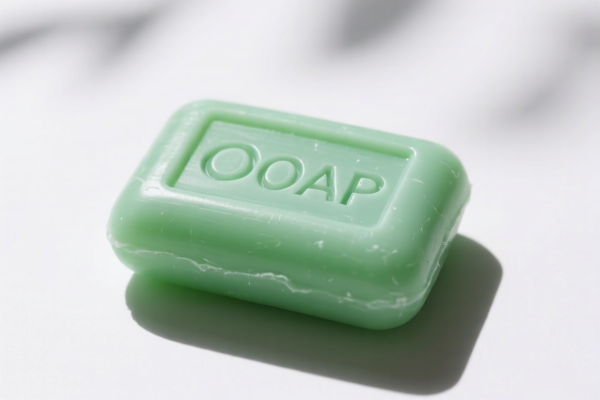
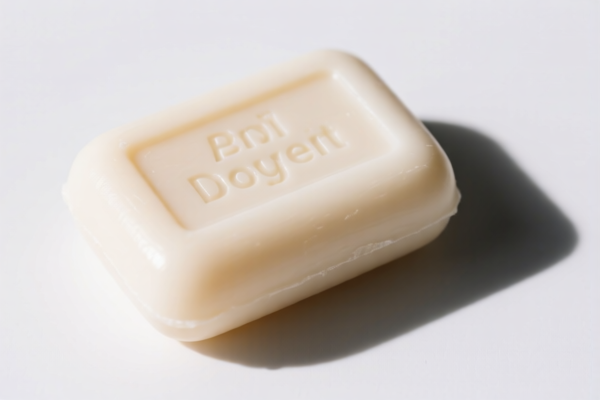
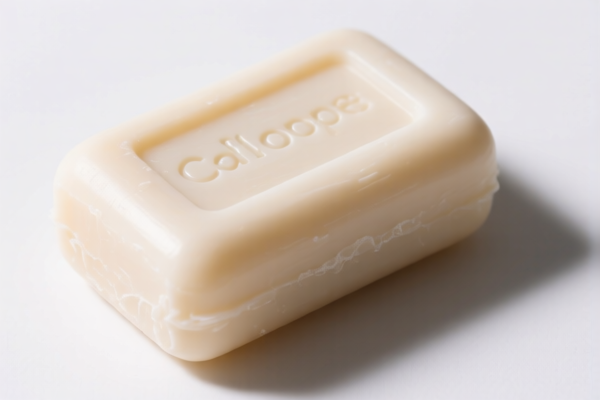

AI Analysis
🌸🧼 Soap Flower (Artificial Flowers Made of Soap/Plastic)
🌐 HS Code Reference & Customs Clearance Guide | 2026 Latest Tariff Analysis | Professional Clearance Strategy
📌 I. Product Definition & Classification: What Exactly is a "Soap Flower"?
In international trade, "Soap Flower" is a composite or deceptive product name that can refer to two distinct categories based on material composition. This distinction is critical because the HS Code and resulting tariff rates differ significantly.
1. Artificial Flowers made of Plastics/Polymers:
These are synthetic flowers (often shaped like roses, lilies, etc.) made from plastic, foam, or polymer materials. They are not made of actual soap, even if they smell like soap. They are decorative items.
👉 Classification: Falls under Chapter 67 (Artificial flowers).
2. Actual Soap Shaped like Flowers:
These are genuine organic surface-active products (soap) molded or carved into flower shapes. They are functional cleaning/toilet products.
👉 Classification: Falls under Chapter 34 (Soap and detergent preparations).
⚠️ Key Distinction Point:
- If the item is hard, non-soluble in water (or insoluble), and purely decorative → It is Artificial Flowers (HS 6702 or 6702.90).
- If the item is soft, soluble, functional for washing, and contains soap/detergent → It is Soap (HS 3401).
- Misclassification Risk: Declaring real soap as "artificial flowers" to avoid high tariffs is a major compliance violation. Conversely, declaring plastic flowers as "soap" may trigger unnecessary chemical testing or misdeclaration fines.
📦 II. HS Code Classification Details (Based on Provided Data)
| HS Code | Product Description | Material Composition | Primary Use |
|---|---|---|---|
6702.10.40.00 |
Artificial flowers... Of plastics: Other, including parts | Plastic, Polymer, Resin | Decorative, Floral Arrangements |
6702.90.65.00 |
Artificial flowers... Of other materials: Other: Other | Fabric, Paper, Wire, Ceramic, etc. | Decorative (Non-plastic artificial) |
3401.20.00.00 |
Soap... in other forms | Soap base, surfactants | Cleaning, Toilet Use |
3401.11.50.00 |
Soap... for toilet use: Other | Soap base, medicated/toilet soap | Personal Hygiene, Gifting |
🔍 Critical Analysis:
- Plastic Soap Flowers (e.g., decorative "long-lasting" soap flowers): Despite the name, if they are plastic, they MUST go to 6702.10.40.00.
- Real Soap Flowers: Must go to 3401.20.00.00 (if in bar/cake form) or 3401.11.50.00 (if specifically for toilet use/medicated).
- Note: The provided data includes3926.90.99.89(Other articles of plastics) and3926.90.99.10(Laboratory ware), but these are NOT the primary classifications for Soap/Flowers. Stick to Chapter 67 or 34.
💰 III. 2026 Latest Tariff Rate Breakdown (Including Surcharges & Policy Add-ons)
✅ Applicable Country: USA (US)
✅ Origin: China (CN)
✅ Effective Time: Current applicable rates as per 2026 trade framework
🎯 1. 6702.10.40.00 —— Artificial Flowers, Of Plastics
| Item | Content |
|---|---|
| Base Tariff | 3.4% (ad valorem) |
| Section 301/Surcharges | 0.0% (As per provided data) |
| Total Tax Rate | 3.4% |
| Tax Calculation | CIF Value × 3.4% |
| De Minimis Exemption | ❌ Not Applicable (Commercial shipment) |
| Legal Basis | HTSUS 6702.10.40.00 |
📌 Explanation:
- Plastic artificial flowers enjoy a very low base tariff of 3.4%.
- The provided data indicates 0% additional surcharge for this specific subheading.
- Advantage: This is the most cost-effective classification for decorative "soap-scented plastic flowers."
🎯 2. 6702.90.65.00 —— Artificial Flowers, Of Other Materials
| Item | Content |
|---|---|
| Base Tariff | 17.0% |
| Section 301/Surcharges | 7.5% (As per provided data) |
| Total Tax Rate | 24.5% |
| Tax Calculation | CIF Value × 24.5% |
| De Minimis Exemption | ❌ Not Applicable |
| Legal Basis | HTSUS 6702.90.65.00 |
📌 Explanation:
- If the flower is made of fabric, paper, or other non-plastic materials (but still artificial), the tariff is significantly higher at 24.5%.
- Recommendation: If your product is plastic, DO NOT declare as "other materials" to save time; declare as 6702.10.40.00 to save 21.1% in tariffs.
🎯 3. 3401.20.00.00 —— Soap in Other Forms
| Item | Content |
|---|---|
| Base Tariff | 0.0% |
| Section 301/Surcharges | 25.0% (As per provided data) |
| Total Tax Rate | 25.0% |
| Tax Calculation | CIF Value × 25.0% |
| De Minimis Exemption | ❌ Not Applicable |
| Legal Basis | HTSUS 3401.20.00.00 |
📌 Explanation:
- Even though the base tariff for soap is 0%, the 25% additional surcharge makes it expensive.
- This applies if you are importing real soap flowers (functional).
🎯 4. 3401.11.50.00 —— Soap for Toilet Use (Other)
| Item | Content |
|---|---|
| Base Tariff | 0.0% |
| Section 301/Surcharges | 25.0% (As per provided data) |
| Total Tax Rate | 25.0% |
| Tax Calculation | CIF Value × 25.0% |
| De Minimis Exemption | ❌ Not Applicable |
| Legal Basis | HTSUS 3401.11.50.00 |
📌 Explanation:
- If the soap flower is marketed as a toilet soap or medicated soap, it falls here.
- Same high tariff (25%) as above due to surcharges.
- Caution: Do not misdeclare real soap as plastic flowers to avoid this. CBP (Customs and Border Protection) frequently audits soap shipments.
🛠️ IV. Customs Clearance Practical Advice (Pitfall Avoidance Guide)
✅ 1. Preparation Checklist (Non-Negotiable)
| Document | Must Provide | Purpose |
|---|---|---|
| ✅ Product Photos | ✔️ | Show material texture (plastic vs. soap) |
| ✅ Material Composition | ✔️ | Explicitly state: "100% Plastic" or "Contains Soap Base" |
| ✅ Function Description | ✔️ | "Decorative Only" (Plastic) vs. "For Washing" (Soap) |
| ✅ Certificate of Origin | ✔️ | Proof of origin (China) for tariff calculation |
| ✅ Commercial Invoice | ✔️ | Accurate HS Code and description |
✅ 2. Declaration Tips (Key Mantras)
🔥 “Material Determines Code, Don’t Let the Name Mislead!”
| Scenario | Correct HS Code | Why? |
|---|---|---|
| Plastic "Soap-Scented" Flower | 6702.10.40.00 |
It is plastic, not soap. Lowest Tax (3.4%) |
| Fabric/Paper Flower | 6702.90.65.00 |
Artificial flower, non-plastic. High Tax (24.5%) |
| Real Soap Flower (Decorative) | 3401.20.00.00 |
It is soap. High Tax (25%) despite 0% base |
| Real Soap Flower (Toilet Use) | 3401.11.50.00 |
Functional soap. High Tax (25%) |
📌 Warning:
- Do NOT declare plastic flowers as "Soap" to avoid tariffs on other goods.
- Do NOT declare real soap as "Plastic Flowers" to avoid the 25% surcharge. This is fraud.
- Best Strategy: If your product is plastic, emphasize "Artificial Flower, Plastic Material" in the description.
✅ 3. Special Cases
| Scenario | Handling Advice |
|---|---|
| Set of Plastic Flowers + Real Soap | Split Declaration: Declare flowers as 6702.10.40.00 and soap as 3401.20.00.00. Do not mix in one line item. |
| "Soap" that is actually Wax | If it’s wax (candle-like), it may fall under Chapter 34 (Wax preparations) or 9606 (Buttons/Artificial Flowers) depending on use. Consult a specialist. |
| Gift Sets | If sold as a gift set, the essential character determines the HS Code. If the soap is the main value, the whole set may be taxed as soap (25%). |
🌍 V. Global Market Comparison (2026 Latest)
| Country/Region | Recommended HS Code (Plastic Flower) | Tariff (China Origin) | Notes |
|---|---|---|---|
| 🇺🇸 USA | 6702.10.40.00 |
3.4% | Low tariff, no surcharge for this subheading per data |
| 🇪🇺 EU | 6702.10.00 |
~4-6% | Varies by member state |
| 🇨🇳 China | 6702.10.40.00 |
5% | Export duty may apply |
| 🇬🇧 UK | 6702.10.00 |
~5-7% | Post-Brexit tariffs |
📌 Conclusion:
- The USA offers the most favorable tariff (3.4%) for plastic artificial flowers.
- Real soap flowers are heavily taxed (25%) in the USA.
- Recommendation: If possible, manufacture/ship plastic versions for the US market to maximize profit margins.
📌 VI. Common Errors & Pitfalls (Lessons Learned)
❌ Error 1: Declaring plastic flowers as "Soap"
👉 Consequence: Unnecessary 25% tax instead of 3.4%. Losing 21.6% profit!
❌ Error 2: Declaring real soap flowers as "Plastic Flowers"
👉 Consequence: Customs seizure, fines, and potential legal action for misdeclaration.
❌ Error 3: Mixing Plastic and Soap in one HS Code
👉 Consequence: Clearance delay, request for splitting, possible penalties.
❌ Error 4: Ignoring Material Composition in Description
👉 Consequence: CBP may reclassify based on their inspection, leading to higher back-taxes.
✅ Correct Practice:
"Artificial Flower, Plastic, Scented, For Decorative Use, Model: Rose-Plastic-01"
vs.
"Toilet Soap, Flower Shape, For Personal Hygiene, Model: Soap-Rose-01"
🎯 VII. Conclusion: Smart Declaration, Lower Costs!
🎯 Remember the Mantra:
🔹 "Plastic = 6702 (3.4%) | Real Soap = 3401 (25%)"
🔹 "Material is King, Name is Just a Label!"
🔹 "One wrong digit, 20% profit gone!"
📌 Pro Tip:
If your product is plastic, ensure the Technical Data Sheet explicitly states "Non-functional, Decorative, Plastic Material". This prevents CBP from questioning its intent and applying soap tariffs.
📣 Immediate Action:
📞 Verify Material Composition
📦 Choose Correct HS Code (6702.10.40.00 for Plastic)
🚀 Declare Accurately to Save 21.6% in Tariffs!
✨ Professional Customs Clearance Starts with Accurate Classification!
💼 Your Profit Margin Depends on These 4 Digits!
Customer Reviews
About HS Code Classification
The Harmonized System (HS) is an internationally standardized nomenclature developed by the World Customs Organization (WCO) to classify traded products. Over 200 countries use the HS system as the basis for customs tariffs, trade statistics, and import/export regulations.
Each HS code follows a hierarchical structure:
- Chapter (2 digits) — Broad category of goods (e.g., Chapter 84: Machinery and Mechanical Appliances)
- Heading (4 digits) — More specific grouping within the chapter
- Subheading (6 digits) — Internationally standardized breakdown, used by all WCO member countries
- National subdivisions (8-10 digits) — Country-specific extensions for further classification, such as US HTSUS 10-digit codes
Correct HS code classification is essential for smooth customs clearance, accurate duty payment, and compliance with trade regulations. Misclassification can lead to customs delays, overpayment of duties, or penalties.
When importing from CN to US, the applicable tariff rates may include:
- Most-Favored-Nation (MFN) rate — The standard duty rate applied to WTO members
- General rate — Applied to countries without trade agreements
- Trade remedy duties — Additional tariffs such as Section 301 (anti-dumping), Section 232 (national security), or countervailing duties
The information provided on this page is for reference purposes only. For official classification, please consult with your local customs authority or a licensed customs broker.