Soap Mold
CN → US| HS Code | Tariff Rate | Origin | Destination | Doc |
|---|---|---|---|---|
| 3926909989 | 22.8% | CN | US | Official Doc |
| 3926909910 | 22.8% | CN | US | Official Doc |
Product Images
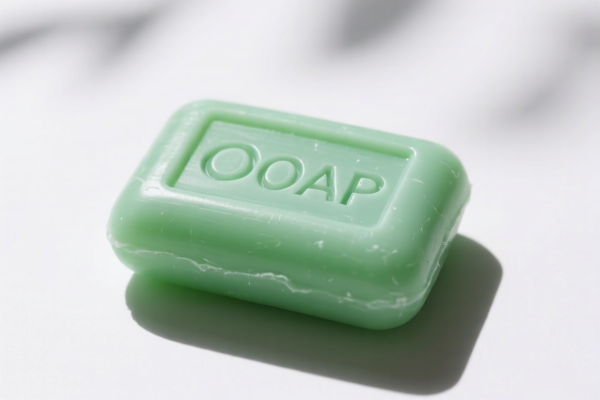
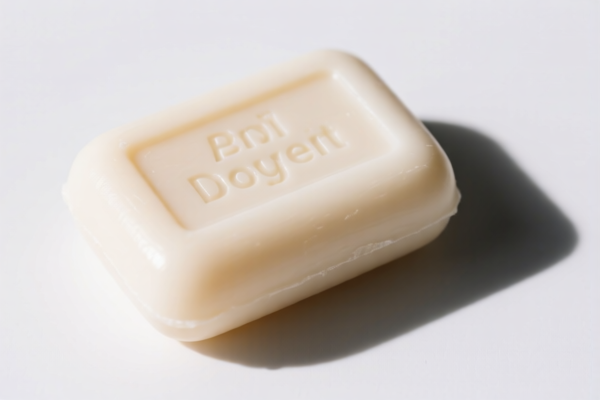
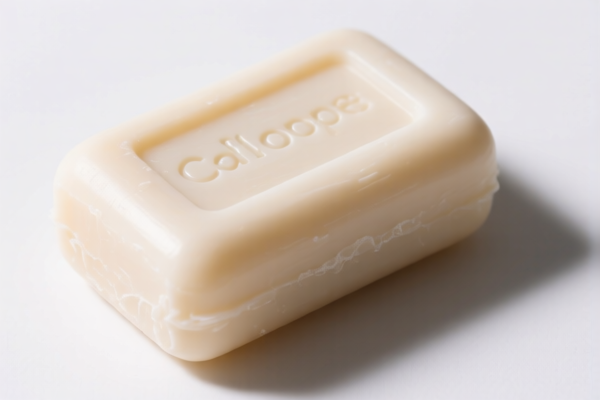

AI Analysis
🧼 Soap Mold (Plastic Molds for Soap Production)
🌐 HS Code Reference & Customs Clearance Guide | 2026 Latest Tariff Analysis | Professional Clearance Strategy
📌 I. Product Definition & Classification: What Exactly is a "Soap Mold"?
A "Soap Mold" refers to tools or forms used in the manufacturing or crafting process to shape soap. In international trade, the classification heavily depends on the material and whether it is considered a "lab ware" or "other general plastic articles."
Based on the provided data, two distinct HS Codes apply. The key differentiator is whether the mold is specifically designated for laboratory use or general commercial/crafting use.
⚠️ Key Distinction Point:
- If the mold is intended for professional laboratory testing, chemical analysis, or experimental soap formulation → Classified as Laboratory Ware (3926.90.99.10).
- If the mold is for general commercial production, retail craft kits, or industrial shaping → Classified as Other Plastic Articles (3926.90.99.89).
📦 II. HS Code Classification Details (2026 Latest Tariff Authority Comparison)
| HS Code | Product Description | Applicable Scenario | Tax Rate (China Origin → US) |
|---|---|---|---|
3926.90.99.10 |
Other articles of plastics: Other Laboratory ware | Soap molds used in R&D labs, chemical testing, or professional formulation analysis | 0.0% |
3926.90.99.89 |
Other articles of plastics: Other: Other (General) | Soap molds for manufacturing plants, artisanal craft kits, retail packaging, or general shaping | 12.8% |
🔍 Critical Reminder:
- "Laboratory Ware" (3926.90.99.10) is a specific sub-category for items used in scientific or medical testing. General-purpose soap molds DO NOT qualify here unless explicitly certified and used for lab analysis.
- "Other" (3926.90.99.89) is the default category for most plastic molds used in consumer goods production, including soap bars, candles, or chocolates.
- Misclassification from89to10to avoid tariffs is a high-risk compliance error.
💰 III. 2026 Latest Tariff Rate Breakdown (Detailed Tax Clauses)
✅ Applicable Country: United States (US)
✅ Origin: China (CN)
✅ Effective Date: Current rates apply as per provided data
🎯 1. 3926.90.99.10 —— Plastic Laboratory Ware (Soap Molds for Lab Use)
| Item | Content |
|---|---|
| Base Tariff | 0.0% |
| Additional Tariff (Section 301/Other) | 0.0% |
| Total Tax Rate | 0.0% |
| Tax Calculation | CIF Value × 0% = $0 |
| De Minimis Exemption | ✅ Applicable (if under $800, usually duty-free anyway) |
| Legal Basis | HS Heading 3926, Subheading 99.10 |
📌 Explanation:
- This code benefits from a zero-duty rate for both base tariff and additional tariffs.
- Strict Condition: The importer must prove the molds are used in a laboratory setting. Commercial soap production facilities cannot claim this.
- Documentation Needed: Lab purchase orders, research facility invoices, or statements of exclusive lab use.
🎯 2. 3926.90.99.89 —— Other Plastic Articles (General Soap Molds)
| Item | Content |
|---|---|
| Base Tariff | 5.3% |
| Additional Tariff (Section 301) | 7.5% |
| Total Tax Rate | 12.8% |
| Tax Calculation | CIF Value × 12.8% |
| De Minimis Exemption | ❌ Not Applicable for Section 301 goods under $800 (Note: Verify latest USTR updates on de minimis for Section 301) |
| Legal Basis | HS Heading 3926, Subheading 99.89 |
📌 Explanation:
- Base Tariff (5.3%): Standard MFN rate for other plastic articles.
- Additional Tariff (7.5%): Applies to goods of Chinese origin under specific trade actions (e.g., Section 301 or similar listings).
- Total Cost Impact: A $10,000 shipment incurs $1,280 in duties.
- No Exemptions: Unlike lab ware, general commercial molds do not enjoy tariff exemptions.
🛠️ IV. Customs Clearance Practical Advice (Avoiding Pitfalls)
✅ 1. Required Documentation Checklist
| Document | Mandatory? | Notes |
|---|---|---|
| ✅ Product Specifications | ✔️ | Must specify material (e.g., Food-Grade Plastic, Silicone, ABS) and intended use. |
| ✅ Commercial Invoice | ✔️ | Clearly state: "Plastic Soap Molds for [Lab/Production]" to align with HS Code. |
| ✅ Packing List | ✔️ | Include quantity, weight, and dimensions. |
| ✅ Usage Statement | ✔️ | Crucial: If claiming 3926.90.99.10, provide a letter stating molds are for lab testing only. |
| ✅ Certifications | ✔️ | FDA compliance (if food-contact), RoHS, or REACH as required. |
✅ 2. Classification Strategy (Key Tips)
🔥 "Lab Use is Zero, General Use is 12.8%! Define Intent Clearly!"
| Scenario | Correct HS Code | Risk of Misclassification |
|---|---|---|
| Molds sold to a cosmetic R&D lab for stability testing | 3926.90.99.10 |
Low (if documentation supports) |
| Molds sold to a soap factory for bar production | 3926.90.99.89 |
High if claimed as Lab Ware |
| Molds sold in craft kits to consumers | 3926.90.99.89 |
High if claimed as Lab Ware |
| Molds made of silicone (not plastic) | ⚠️ Check Chapter 40 | May fall under different heading (e.g., 4016.93) – NOT COVERED IN PROVIDED DATA |
📌 Important Note: The provided data is for plastics (Chapter 39). If your molds are made of silicone, they may not fit these HS codes. Ensure material match.
✅ 3. Special Case Handling
| Situation | Recommendation |
|---|---|
| Mixed Shipments | Separate lab-use molds from production molds if possible. Clear them under different HS codes to optimize cost. |
| Re-exported Lab Ware | Ensure the final destination is a certified laboratory. Customs may request end-user certificates. |
| Private Label/Craft Molds | Always use 3926.90.99.89. Do not attempt to label as "lab equipment" to save 12.8% – this is fraud. |
🌍 V. Global Market Comparison (2026 Overview)
| Country/Region | Recommended HS Code | Est. Duty (China Origin) | Notes |
|---|---|---|---|
| 🇺🇸 United States | 3926.90.99.89 |
12.8% | High due to Section 301/Additional tariffs. 3926.90.99.10 is 0% but strict. |
| 🇨🇳 China | 3926.90.99.89 |
~5% (Import) | Varies by specific subheading. |
| 🇪🇺 EU | 3926.90.99 |
~4.5% | No additional US-style tariffs. |
| 🇨🇦 Canada | 3926.90.99 |
~5.25% | CSTA may apply for some items. |
📌 Conclusion:
- The US market is the most complex due to the sharp tariff divide (0% vs 12.8%) and strict enforcement.
- China, EU, and Canada have more uniform rates for general plastic articles.
📌 VI. Common Mistakes & Pitfalls (Learn from Others' Errors)
❌ Mistake 1: Labeling all soap molds as "Lab Ware" to avoid 12.8% tax.
👉 Consequence: Customs audit, fines, seizure of goods, and potential blacklisting.
👉 Fix: Only use 3926.90.99.10 if the buyer is a registered laboratory and the goods are for experimental use.
❌ Mistake 2: Ignoring material composition.
👉 Consequence: If molds are silicone, using HS Code 3926 (Plastics) is incorrect.
👉 Fix: Verify if silicone falls under Chapter 40. If not covered in provided data, consult a customs broker.
❌ Mistake 3: Vague product descriptions on invoices.
👉 Consequence: Customs delays for "Classification Review."
👉 Fix: Use precise terms: "Plastic Soap Molds for Cosmetics Lab" or "Food-Grade Plastic Soap Bar Molds for Production."
🎯 VII. Conclusion: Smart Classification, Cost Efficiency
🎯 Key Takeaways:
🔹 "Lab Use = 0%, General Use = 12.8%!"
🔹 "Prove Lab Use with Documents, Don't Guess!"
🔹 "Check Material: Is it Plastic? If Silicone, This Data May Not Apply."
📌 Pro Tip:
If you are exporting to the US:
- For B2B Lab Clients: Use 3926.90.99.10 (0% duty).
- For B2C Craft/Production: Use 3926.90.99.89 (12.8% duty).
- Always align your commercial invoice description with the HS Code used.
📣 Immediate Action:
📞 Consult a Customs Broker to verify if your specific mold material (e.g., silicone, PVC) fits Chapter 39.
📄 Prepare End-User Certificates if claiming laboratory status.
🚀 Optimize Supply Chain: Consider sourcing from non-Chinese origins if tariffs are prohibitive for general molds.
✨ Professional Clearance, Start with Accurate Classification!
💼 Your Profit Margin Depends on This 12.8% Difference!
Customer Reviews
About HS Code Classification
The Harmonized System (HS) is an internationally standardized nomenclature developed by the World Customs Organization (WCO) to classify traded products. Over 200 countries use the HS system as the basis for customs tariffs, trade statistics, and import/export regulations.
Each HS code follows a hierarchical structure:
- Chapter (2 digits) — Broad category of goods (e.g., Chapter 84: Machinery and Mechanical Appliances)
- Heading (4 digits) — More specific grouping within the chapter
- Subheading (6 digits) — Internationally standardized breakdown, used by all WCO member countries
- National subdivisions (8-10 digits) — Country-specific extensions for further classification, such as US HTSUS 10-digit codes
Correct HS code classification is essential for smooth customs clearance, accurate duty payment, and compliance with trade regulations. Misclassification can lead to customs delays, overpayment of duties, or penalties.
When importing from CN to US, the applicable tariff rates may include:
- Most-Favored-Nation (MFN) rate — The standard duty rate applied to WTO members
- General rate — Applied to countries without trade agreements
- Trade remedy duties — Additional tariffs such as Section 301 (anti-dumping), Section 232 (national security), or countervailing duties
The information provided on this page is for reference purposes only. For official classification, please consult with your local customs authority or a licensed customs broker.