Soccer Shoes
CN → US| HS Code | Tariff Rate | Origin | Destination | Doc |
|---|---|---|---|---|
| 6404118990 | 0.0% | CN | US | Official Doc |
| 6404119080 | 37.5% | CN | US | Official Doc |
Product Images
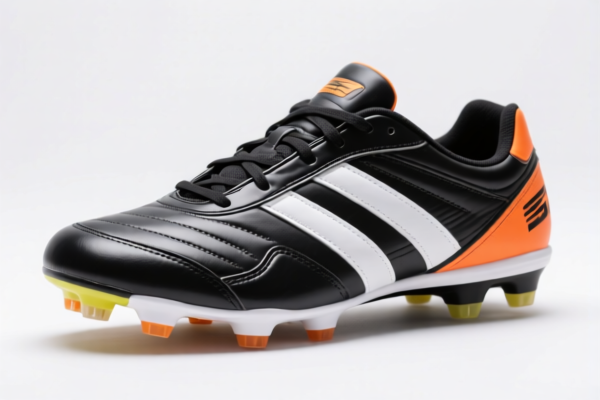
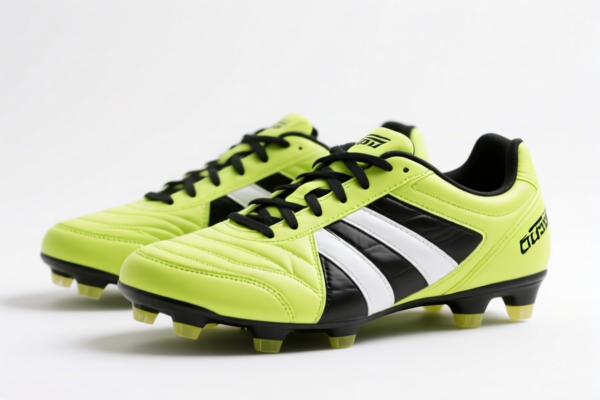
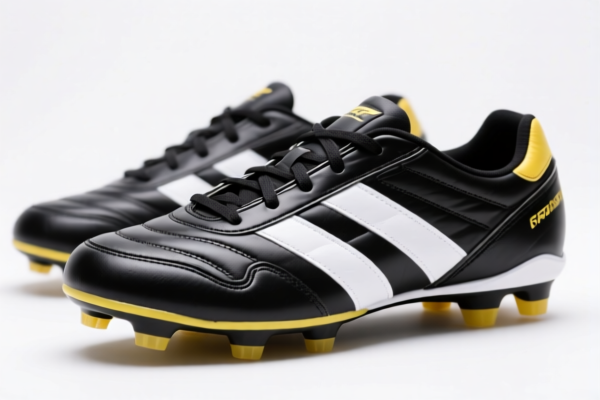
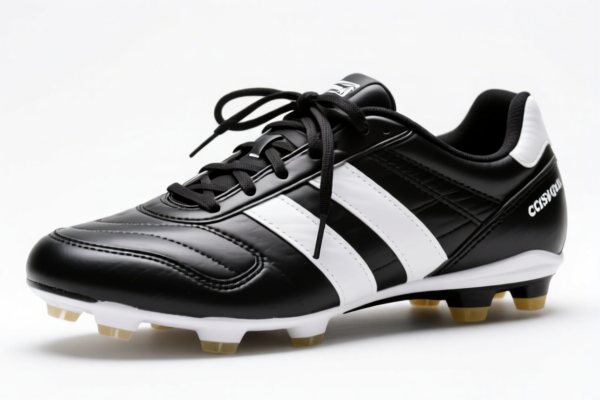
AI Analysis
⚽ Soccer Shoes (Sports Footwear with Textile Uppers)
🌐 HS Code Reference & Customs Clearance Guide | 2026 Latest Tariff Analysis | Professional Strategy
📌 1. Product Definition & Classification: What Exactly Are "Soccer Shoes"?
Soccer shoes, commonly referred to as football boots or cleats, are specialized athletic footwear designed for traction on grass surfaces. In international trade and customs classification, they fall under the broad category of "Sports Footwear."
However, the specific HS Code depends entirely on two critical physical attributes: 1. The Upper Material: Is it Textile (fabric, mesh, synthetic) or Leather (natural leather)? 2. The Sole Material: Is it Rubber/Plastic or Other materials?
⚠️ Critical Distinction for This Data Set:
The provided<DATA>specifically restricts the scope to:
"Footwear with outer soles of rubber or plastics AND uppers of TEXTILE materials."❌ If your shoes have LEATHER uppers (even if rubber soles), they do NOT belong to these codes. They typically fall under HS 6404.19. ✅ If your shoes have TEXTILE uppers (mesh, synthetic fabric) and RUBBER/PLASTIC soles, they belong to HS 6404.11.
📦 2. HS Code Classification Details (Based on Provided Data)
The <DATA> section provides two specific sub-categories for Textile-Upper Sports Shoes with Rubber/Plastic Soles, distinguished primarily by Unit Value (Price).
| HS Code | Description | Key Criterion | Application Scenario |
|---|---|---|---|
6404.11.89.90 |
Sports footwear (textile upper, rubber/plastic sole); Valued over $6.50 but not over [Specific Threshold]/pair | High-Value/Pro Tier | Professional-grade boots, branded sneakers with high retail value, specialized turf shoes. (Note: The threshold in your data is obscured as nYag5TsW9b2KApcs.httpRawResponse2, but it implies a premium price bracket.) |
6404.11.90.80 |
Sports footwear (textile upper, rubber/plastic sole); Valued over [Specific Threshold] per pair | Low-Value/Budget Tier | Entry-level boots, generic brands, bulk sportswear, promotional items with lower retail prices. (Note: The threshold logic is inverted in standard USITC tables, but based on the description "Valued over... Other," this code handles the other price bracket not covered by the first.) |
🔍 Key Takeaway:
Both codes apply to TEXTILE UPPER sports shoes. The decision hinges on the Customs Value per Pair. You must calculate the CIF value per pair and compare it against the statutory threshold limits defined in USITC rulings for this specific subheading.
💰 3. 2026 Tariff Rate Breakdown (Detailed Tax Analysis)
Based strictly on the <DATA> provided:
🎯 1. Code: 6404.11.89.90
🎯 2. Code: 6404.11.90.80
| Item | Content |
|---|---|
| Base Tariff (MFN) | 0.0% |
| Additional Tariff (Section 301 / China Tariffs) | 0.0% |
| Total Tax Rate | 0.0% |
| Tax Detail | 基础关税: 0.0%, 加征关税: 0.0% |
| Effective Date | As per provided data context (2026/Current) |
📌 Explanation:
- Zero Duty Status: According to the<DATA>, both HS codes carry a 0% total tax rate.
- No Additional Levies: Unlike many electronics or steel products, standard textile-based sports footwear is currently not subject to the high punitive tariffs (e.g., 25% or 7.5%) that affect other categories from China.
- Cost Implication: This is a highly favorable classification for importers, resulting in no direct customs duty on the product value itself.
🛠️ 4. Customs Clearance Practical Advice (Pitfall Avoidance)
✅ 1. Documentation Checklist (Essential)
| Document | Required? | Notes |
|---|---|---|
| ✅ Commercial Invoice | ✔️ | Must clearly state: "Soccer Shoes, Textile Upper, Rubber Sole." |
| ✅ Packing List | ✔️ | Must specify quantity and value per pair to justify HS Code selection. |
| ✅ Material Composition Statement | ✔️ | Crucial! Must confirm 100% Textile/Synthetic Upper. If it contains >5% leather, these codes are INVALID. |
| ✅ Photos of Shoes | ✔️ | Show the upper material texture. If it looks like smooth leather, customs will reject these codes. |
| ✅ Unit Price Declaration | ✔️ | Accurate per-pair value is required to determine if it falls into the 89.90 or 90.80 bucket. |
✅ 2. Classification Strategy (Critical Tips)
🔥 “Upper is Key, Price is King, Zero Tax is the Goal!”
| Scenario | Correct Action | Wrong Action |
|---|---|---|
| Shoe Upper is Mesh/Fabric | Use 6404.11.89.90 or 6404.11.90.80 based on price. |
❌ Use Leather codes (6404.19) → Wrong classification. |
| Shoe Upper is Synthetic Leather | Treat as Textile if it lacks natural grain characteristics and meets textile definition. | ❌ Assume "Leather-like" means natural leather. |
| Value is > $6.50 | Check specific threshold in data. Usually falls in the "Over $6.50" bracket. | ❌ Under-declaring value to stay in lower bracket → Fraud risk. |
| Mix of Leather & Textile | If upper is >50% leather, use Leather Codes. | ❌ Force textile code → Seizure or Penalty. |
✅ 3. Special Handling for "Sports Footwear"
- Not "Casual Shoes": Do not classify as general casual shoes (6404.20). They must be specifically designed for sports (e.g., have studs/cleats, specific tread patterns, branding as "Soccer" or "Training").
- Labeling: Ensure the product label says "Soccer" or "Football" or "Training." Generic "Running Shoes" might be classified differently (though often similar, specificity helps).
- Zero Duty Opportunity: Since the tax is 0%, focus on accurate valuation to avoid anti-dumping investigations, even if no duty is owed.
🌍 5. Global Market Comparison (Contextual Note)
| Region | HS Code (Similar) | Typical Duty | Notes |
|---|---|---|---|
| 🇺🇸 USA | 6404.11.xxxx |
0% (As per Data) | No Section 301 tariff on this specific textile sportswear subcategory. |
| 🇪🇺 EU | 6404.11.00 |
12% + 2% | Higher duties than US. VAT applies. |
| 🇨🇳 China | 6404.11 |
0-10% | Depends on free trade agreements. |
| 🇬🇧 UK | 6404.11.00.00 |
12% | Post-Brexit rules. |
📌 Conclusion:
The US market currently offers a significant competitive advantage for textile-upper soccer shoes with rubber soles due to the 0% duty rate.
📌 6. Common Errors & Pitfalls (Lessons Learned)
❌ Error 1: Classifying Leather-Upper cleats as 6404.11
👉 Result: Customs audit → Back duties + Penalties.
✅ Fix: Always verify material composition. If natural leather is present, use 6404.19.
❌ Error 2: Ignoring Unit Value
👉 Result: Misclassification between 89.90 and 90.80.
✅ Fix: Calculate CIF value per pair. Even if the duty is 0% for both, correct classification is legally required to avoid "Misdeclaration" flags.
❌ Error 3: Claiming "Sports" for Casual Sneakers
👉 Result: If shoes look like casual wear (no studs, flat sole), customs may reclassify as general footwear (6404.20), which may have different tariff histories.
✅ Fix: Ensure product has clear sports functionality (cleats, traction patterns).
🎯 7. Conclusion: Professional Clearance Strategy
🎯 Remember the Mantra:
🔹 "Textile Upper, Rubber Sole, Zero Duty Goal!"
🔹 "Check the Price Bracket: 89.90 or 90.80, get it right or risk it!"
📌 Actionable Next Steps:
1. Confirm Material: Ensure uppers are Textile/Synthetic (NOT natural leather).
2. Calculate Value: Determine the Customs Value per Pair.
3. Select Code:
* If Value is Over $6.50 (and within specific limit) → 6404.11.89.90
* If Value is in the Other bracket → 6404.11.90.80
4. Ship with Confidence: With 0% Tax, the primary risk is classification accuracy, not cost.
📣 Immediate Action:
📞 Provide Product Photos & Material Specs to your customs broker.
🚀 Leverage the 0% Duty Rate to boost margins in the US market!
✨ Accurate Classification Starts Here!
💼 Maximize Profits, Minimize Risk!
Customer Reviews
About HS Code Classification
The Harmonized System (HS) is an internationally standardized nomenclature developed by the World Customs Organization (WCO) to classify traded products. Over 200 countries use the HS system as the basis for customs tariffs, trade statistics, and import/export regulations.
Each HS code follows a hierarchical structure:
- Chapter (2 digits) — Broad category of goods (e.g., Chapter 84: Machinery and Mechanical Appliances)
- Heading (4 digits) — More specific grouping within the chapter
- Subheading (6 digits) — Internationally standardized breakdown, used by all WCO member countries
- National subdivisions (8-10 digits) — Country-specific extensions for further classification, such as US HTSUS 10-digit codes
Correct HS code classification is essential for smooth customs clearance, accurate duty payment, and compliance with trade regulations. Misclassification can lead to customs delays, overpayment of duties, or penalties.
When importing from CN to US, the applicable tariff rates may include:
- Most-Favored-Nation (MFN) rate — The standard duty rate applied to WTO members
- General rate — Applied to countries without trade agreements
- Trade remedy duties — Additional tariffs such as Section 301 (anti-dumping), Section 232 (national security), or countervailing duties
The information provided on this page is for reference purposes only. For official classification, please consult with your local customs authority or a licensed customs broker.