Sock Covers
CN → US| HS Code | Tariff Rate | Origin | Destination | Doc |
|---|---|---|---|---|
| 6115969020 | 24.6% | CN | US | Official Doc |
| 6115959000 | 31.0% | CN | US | Official Doc |
| 3926909989 | 22.8% | CN | US | Official Doc |
| 6217108500 | 24.6% | CN | US | Official Doc |
| 6217109550 | 32.1% | CN | US | Official Doc |
Product Images
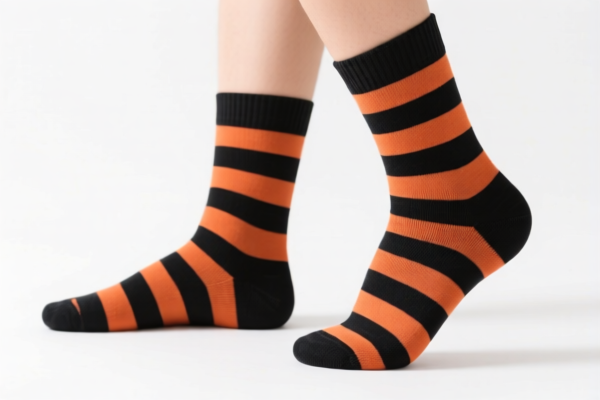
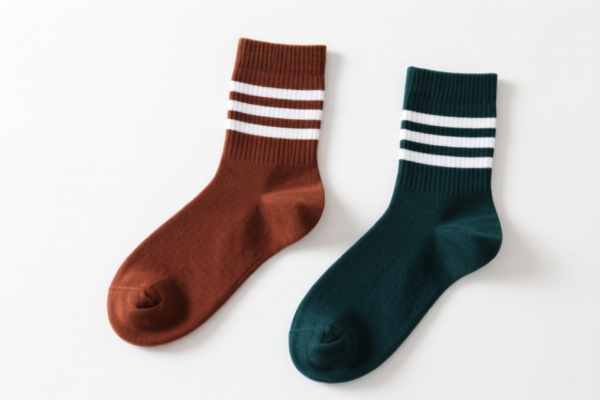
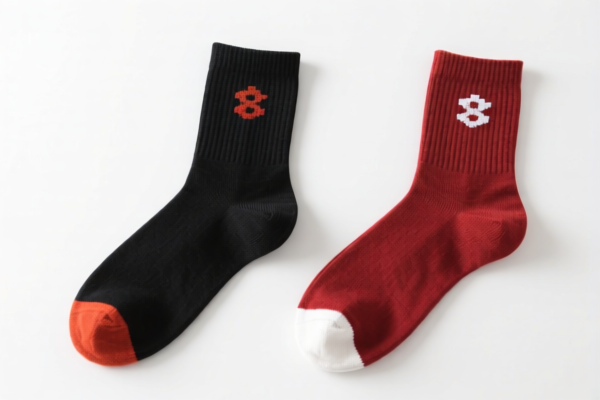
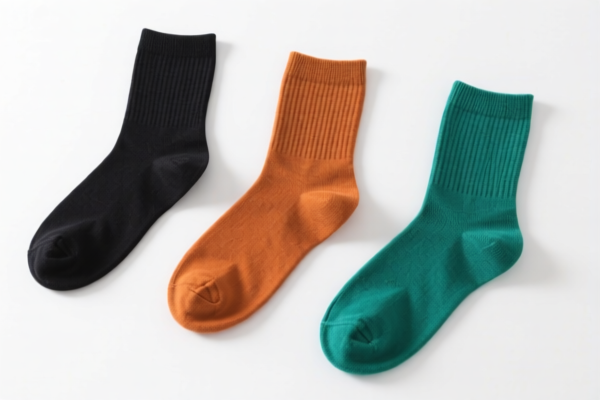
AI Analysis
🧦 Sock Covers (Leg Warmers / Gaiters)
🌐 HS Code Reference & Customs Clearance Guide | 2026 Latest Tariff Analysis | Professional Compliance Strategy
📌 I. Product Definition & Classification: Do You Really Understand "Sock Covers"?
Sock Covers (often referred to as Leg Warmers, Footless Tights, or Shoe Gaiters in trade) are versatile accessories used in sports, fashion, and medical contexts. In international trade, they are not a single unified category but are classified based on material composition and function.
The key to accurate classification lies in distinguishing whether they are: 1. Knitted/Hooked Textile Goods: Most common for leg warmers (yarn-based). 2. Plastic/Non-Woven Accessories: Less common, usually protective or decorative. 3. Other Textile Accessories: If considered parts of clothing rather than hosiery.
⚠️ Key Distinction Point:
- If made of yarn/fabric via knitting or crochet → Likely falls under Chapter 61 (Knitted Hosiery) or Chapter 62 (Other Made-up Articles).
- If made of plastic/rubber sheets or molded materials → Falls under Chapter 39 or 62.
- Critical: The method of manufacturing (knitted vs. woven) and the specific item description drive the HS Code selection.
📦 II. HS Code Classification Details (2026 Latest Tariff Authority Comparison)
Based on the provided data, here are the valid HS Code pathways for "Sock Covers":
| HS Code | Product Description | Applied Scenario | Material/Structure |
|---|---|---|---|
6115.96.90.20 |
Hosiery: Other, Knitted or Crocheted (Inferred: Synthetic Fiber) |
Athletic leg warmers, yoga accessories, fashion leg warmers made of synthetic yarns (polyester/nylon). | ✅ Knitted, Synthetic Fiber |
6115.95.90.00 |
Hosiery: Other, Knitted or Crocheted (Inferred: Cotton/Poly/Nylon) |
General purpose sock covers, likely containing cotton or mixed fibers. | ✅ Knitted, Cotton/Poly/Nylon Mix |
3926.90.99.89 |
Other Articles of Plastics and Articles of Other Materials of Chapter 39 | Protective shoe covers, plastic-based gaiters, non-textile shoe guards. | ❌ Plastic/Non-Textile |
6217.10.85.00 |
Other Made-up Clothing Accessories | Fashion accessories similar to hairbands, headbands, or decorative bands (not classified as hosiery). | ✅ Textile Accessory (Non-Hosiery) |
6217.10.95.50 |
Other Made-up Clothing Accessories (Other) | Generic textile accessories not specified elsewhere, inferred textile material. | ✅ Textile Accessory (Generic) |
🔍 Important Note:
- Chapter 61 (6115...) is preferred for items worn on the leg/foot as hosiery (socks, tights, leg warmers).
- Chapter 62 (6217...) is used for accessories that are not strictly "hosiery" but rather general apparel accessories.
- Chapter 39 (3926...) is only for non-textile, plastic-based covers. Misclassifying a knitted leg warmer as plastic will lead to severe penalties.
💰 III. 2026 Latest Tariff Rate Breakdown (Including Surtaxes & Policy Add-ons)
✅ Applicable Country: United States (US)
✅ Origin: China (CN)
✅ Effective Time: 2025/2026 (Current Trade War Tariffs Applied)
🎯 1. 6115.96.90.20 —— Knitted Hosiery (Synthetic)
| Item | Content |
|---|---|
| Base Duty | 14.6% |
| Section 301 Surtax | 0.0% (Note: Data indicates 0%, but verify current USITC lists as this can change; however, per provided data, it is 0.0%) |
| 122 Clause Tariff | 10.0% |
| Total Effective Rate | 24.6% |
| Tax Calculation | CIF Value × 24.6% |
| De Minimis Eligibility | ❌ No (Deny de minimis) |
| Legal Basis Path | Base: 14.6% + Sec301: 0.0% + 122Clause: 10.0% |
📌 Interpretation:
- This is one of the lower tariff options for knitted sock covers.
- The "122 Clause Tariff" (often related to specific trade enforcement or anti-circumvention measures) adds 10%.
- Crucial: Even if Section 301 is listed as 0.0% in this specific data point, always double-check if synthetic fibers are subject to separate quotas or new tariffs.
🎯 2. 6115.95.90.00 —— Knitted Hosiery (Cotton/Mixed)
| Item | Content |
|---|---|
| Base Duty | 13.5% |
| Section 301 Surtax | 7.5% |
| 122 Clause Tariff | 10.0% |
| Total Effective Rate | 31.0% |
| Tax Calculation | CIF Value × 31.0% |
| De Minimis Eligibility | ❌ No (Deny de minimis) |
| Legal Basis Path | Base: 13.5% + Sec301: 7.5% + 122Clause: 10.0% |
📌 Interpretation:
- Higher than the synthetic variant due to the 7.5% Section 301 surtax.
- Cotton-based textiles often face higher scrutiny and additional duties compared to certain synthetics in specific HS subcategories.
🎯 3. 3926.90.99.89 —— Plastic/Non-Textile Articles
| Item | Content |
|---|---|
| Base Duty | 5.3% |
| Section 301 Surtax | 7.5% |
| 122 Clause Tariff | 10.0% |
| Total Effective Rate | 22.8% |
| Tax Calculation | CIF Value × 22.8% |
| De Minimis Eligibility | ❌ No (Deny de minimis) |
| Legal Basis Path | Base: 5.3% + Sec301: 7.5% + 122Clause: 10.0% |
📌 Interpretation:
- Lowest Total Tax Rate (22.8%) among the options.
- WARNING: Only use this if the product is ACTUALLY MADE OF PLASTIC. If it is a fabric leg warmer, using this code is smuggling/fraud. Customs will seize the goods for misdeclaration.
🎯 4. 6217.10.85.00 —— Other Made-up Clothing Accessories
| Item | Content |
|---|---|
| Base Duty | 14.6% |
| Section 301 Surtax | 0.0% |
| 122 Clause Tariff | 10.0% |
| Total Effective Rate | 24.6% |
| Tax Calculation | CIF Value × 24.6% |
| De Minimis Eligibility | ❌ No (Deny de minimis) |
| Legal Basis Path | Base: 14.6% + Sec301: 0.0% + 122Clause: 10.0% |
📌 Interpretation:
- Same tax rate as6115.96.90.20.
- Use this if the item is marketed as a "fashion accessory" (like a wide band or hair-sock hybrid) rather than "hosiery."
🎯 5. 6217.10.95.50 —— Other Clothing Accessories (Other)
| Item | Content |
|---|---|
| Base Duty | 14.6% |
| Section 301 Surtax | 7.5% |
| 122 Clause Tariff | 10.0% |
| Total Effective Rate | 32.1% |
| Tax Calculation | CIF Value × 32.1% |
| De Minimis Eligibility | ❌ No (Deny de minimis) |
| Legal Basis Path | Base: 14.6% + Sec301: 7.5% + 122Clause: 10.0% |
📌 Interpretation:
- Highest Tax Rate (32.1%).
- Use only as a fallback if no other specific accessory code applies. Avoid if possible due to the 7.5% Section 301 surtax.
🛠️ IV. Customs Clearance Practical Advice (Pitfall Avoidance Guide)
✅ 1. Required Documentation Checklist (Non-Negotiable)
| Document | Must Provide? | Description |
|---|---|---|
| ✅ Product Spec Sheet | ✔️ | Material composition (e.g., 95% Polyester, 5% Spandex), knitting method. |
| ✅ Product Photos | ✔️ | Clear images of the item, labels, and packaging. Show texture (knit vs. plastic sheet). |
| ✅ Material Test Report | ✔️ | To prove if it is "Knitted Hosiery" (Ch 61) or "Plastic" (Ch 39). |
| ✅ Commercial Invoice | ✔️ | Clearly describe as "Leg Warmers" or "Sock Covers," NOT "Shoes" or "Tires." |
| ✅ Packing List | ✔️ | Confirm no other goods are hidden. |
✅ 2. Declaration Tips (Key Mantra)
🔥 “Material Defines Code, Not Just Name! Check Knit vs. Plastic!”
| Scenario | Correct HS Code | Wrong Code | Consequence |
|---|---|---|---|
| Knitted Leg Warmers (Synthetic) | 6115.96.90.20 (24.6%) |
6217.10.95.50 (32.1%) |
Overpayment of ~7.5% |
| Knitted Leg Warmers (Cotton) | 6115.95.90.00 (31.0%) |
3926... (22.8%) |
Severe Penalty for misclassification (Textile vs. Plastic) |
| Plastic Shoe Covers | 3926.90.99.89 (22.8%) |
6115... (24.6%) |
Underpayment risk if audited; better to pay correct tax. |
| Fashion Accessory Bands | 6217.10.85.00 (24.6%) |
6115... (Hosiery) |
Risk of re-classification if deemed non-hosiery. |
✅ 3. Special Handling for "Sock Covers"
| Situation | Advice |
|---|---|
| Mixed Materials | If 100% cotton, use 6115.95.... If 100% synthetic, use 6115.96.... If blended, check the primary material by weight. |
| "Leg Warmers" vs. "Sock Covers" | Customs may view "Leg Warmers" as hosiery (Ch 61). If they are purely decorative bands, consider Ch 62. |
| Plastic Covers | Only use 3926... if it is a disposable plastic cover (like rain covers). Fabric gaiters are NOT plastic. |
🌍 V. Global Market Comparison (2026)
| Country/Region | Recommended HS Code | Tariff Rate (China Origin) | Notes |
|---|---|---|---|
| 🇺🇸 USA | 6115.96.90.20 |
24.6% | Lowest among textile options. |
| 🇨🇳 China | 6115.96.90 |
~5-10% | Export from China uses different rates. |
| 🇪🇺 EU | 6115.96 |
8-12% | No Section 301/122 surtaxes. |
| 🇬🇧 UK | 6115.96 |
8-12% | Post-Brexit tariffs apply. |
📌 Conclusion:
- The USA imposes the highest burden due to the 10% "122 Clause" and potential Section 301 taxes.
- Optimal Strategy: If the product is synthetic knitted,6115.96.90.20is the most cost-effective at 24.6%.
- Avoid6217.10.95.50(32.1%) unless absolutely necessary.
📌 VI. Common Mistakes & Pitfalls (Blood & Tears Lessons)
❌ Mistake 1: Declaring Knitted Leg Warmers as Plastic Shoe Covers (3926) to get the 22.8% rate.
👉 Consequence: Customs inspection reveals fabric. Goods seized, fines imposed, and future shipments audited. Risk: Fraud.
❌ Mistake 2: Using 6217.10.95.50 (32.1%) for a standard knitted sock cover.
👉 Consequence: Overpaying 7.5% unnecessarily. Always check if 6115 (Hosiery) applies first.
❌ Mistake 3: Ignoring the 122 Clause Tariff.
👉 Consequence: All listed codes in the data include a 10% surtax. Assuming "Base Duty" is the total cost leads to massive underpayment.
❌ Mistake 4: Confusing "Sock Covers" with "Socks" (6115.31/6115.21).
👉 Consequence: If the item is footless (leg warmers), it is 6115.95/96. If it covers the whole foot, it might be standard socks. Misclassification leads to duty discrepancies.
✅ Correct Declaration Example:
"Leg Warmers, Knitted, Synthetic Fiber (95% Polyester, 5% Spandex), for Athletic Use, Model XYZ"
→ HS Code:6115.96.90.20
→ Duty: 24.6%
🎯 VII. Conclusion: Precision in Classification Saves Money
🎯 Key Takeaway:
🔹 "Knitted Hosiery (Synthetic) = 24.6%" is the sweet spot for most fashion/athletic sock covers.
🔹 "Plastic" = 22.8%" is risky unless 100% plastic.
🔹 "Cotton/Mixed Knit" = 31.0%" is more expensive due to Section 301.
🔹 "Generic Accessory" = 32.1%" is the worst-case scenario.
📌 Pro Tip:
Before shipping, send a physical sample to your customs broker for a Pre-Ruling or Binding Tariff Information (BTI) application if the volume is high. The 7-10% difference between HS codes can equal thousands of dollars in savings.
📣 Immediate Action:
📞 Verify Material: Is it Knitted, Woven, or Plastic?
📞 Check Content: Is it Synthetic or Cotton?
📞 Select Code: Match to the lowest compliant rate in the table above.
🚀 Clear Customs Smoothly, Maximize Profit!
✨ Professional Customs Clearance Starts with Accurate Classification!
💼 Every percentage point counts in global trade!
Customer Reviews
About HS Code Classification
The Harmonized System (HS) is an internationally standardized nomenclature developed by the World Customs Organization (WCO) to classify traded products. Over 200 countries use the HS system as the basis for customs tariffs, trade statistics, and import/export regulations.
Each HS code follows a hierarchical structure:
- Chapter (2 digits) — Broad category of goods (e.g., Chapter 84: Machinery and Mechanical Appliances)
- Heading (4 digits) — More specific grouping within the chapter
- Subheading (6 digits) — Internationally standardized breakdown, used by all WCO member countries
- National subdivisions (8-10 digits) — Country-specific extensions for further classification, such as US HTSUS 10-digit codes
Correct HS code classification is essential for smooth customs clearance, accurate duty payment, and compliance with trade regulations. Misclassification can lead to customs delays, overpayment of duties, or penalties.
When importing from CN to US, the applicable tariff rates may include:
- Most-Favored-Nation (MFN) rate — The standard duty rate applied to WTO members
- General rate — Applied to countries without trade agreements
- Trade remedy duties — Additional tariffs such as Section 301 (anti-dumping), Section 232 (national security), or countervailing duties
The information provided on this page is for reference purposes only. For official classification, please consult with your local customs authority or a licensed customs broker.