Socket Storage Box
CN → US| HS Code | Tariff Rate | Origin | Destination | Doc |
|---|---|---|---|---|
| 4420908000 | 38.2% | CN | US | Official Doc |
| 4202929315 | 52.6% | CN | US | Official Doc |
| 3926901000 | 20.9% | CN | US | Official Doc |
| 4202926010 | 41.3% | CN | US | Official Doc |
| 3926909989 | 22.8% | CN | US | Official Doc |
Product Images
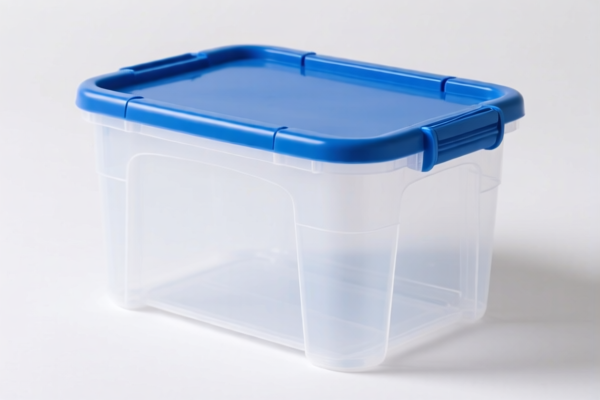
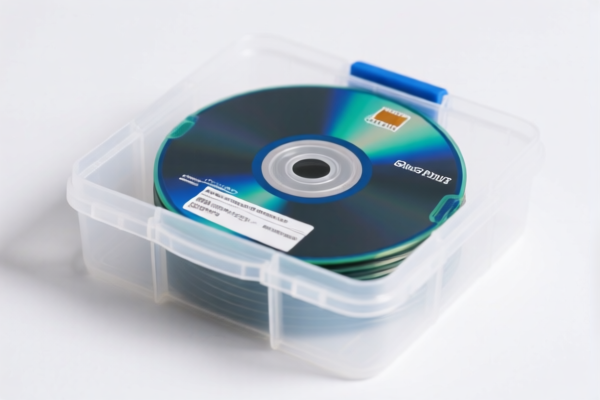
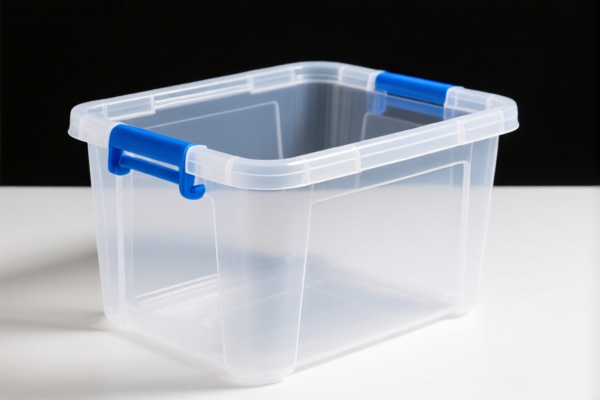

AI Analysis
🔌 Socket Storage Box: The Ultimate HS Code & Tariff Guide (2026 Edition)
🚀 Professional Customs Clearance Strategy | Precise Classification | Maximize Savings
🌐 Executive Summary: What is a "Socket Storage Box"?
A Socket Storage Box (often called a Cable Organizer, Tool Box, or Equipment Case) is a container designed specifically to hold electrical sockets, extension cords, cables, plugs, or related accessories.
In international trade, the material and intended use dictate the HS Code. Is it a plastic organizer for a garage? A leather case for a jeweler? Or a wooden crate for tools? This distinction changes your tax bill from 20.9% to 52.6%!
⚠️ Critical Warning: Do not lump all "boxes" into one category. A slight change in material description (e.g., "Plastic" vs. "Textile") can double your tariff costs due to US Section 301 and Section 122 duties.
📦 II. HS Code Classification Matrix (Based on Your Input)
Below is the precise breakdown of the 5 potential HS Codes derived from your product data. The classification depends entirely on the outer shell material and specific function.
| # | HS Code | Material Deduction | Product Description & Usage Scenario | Total Tax Rate |
|---|---|---|---|---|
| 1 | 4420.90.80.00 | 🪵 Wooden | Wooden Storage Box Classic wooden crates or boxes for storing sockets/tools. Fits "Other wooden articles" category. |
38.2% |
| 2 | 4202.92.93.15 | 🧵 Textile/Fabric | Textile-Cased Container Box with an outer surface made of textile materials (e.g., canvas, nylon). Likely a soft-sided organizer. |
52.6% |
| 3 | 3926.90.10.00 | 🧪 Plastic (Specific) | Plastic Container (Specific) Dedicated plastic containers for sockets/organizers. "Other plastics" category. |
20.9% |
| 4 | 4202.92.60.10 | 🧵 Mixed/Material Ambiguity | Jewelry Box / Similar Small boxes that look like jewelry cases but store sockets. Could be plastic or textile outer. |
41.3% |
| 5 | 3926.90.99.89 | 🧪 Plastic (General) | Plastic "Other" Articles General plastic storage items not specifically categorized elsewhere. |
22.8% |
🔍 Key Logic: * Wood (4420): High tax (38.2%) due to Section 122 duties. * Textile (4202): Highest Tax (52.6%). Avoid if possible unless the product is strictly fabric. * Plastic (3926): Lowest Tax (20.9% - 22.8%). Recommended for standard plastic socket organizers.
💰 III. 2026 Tariff Deep Dive: The Math Behind the Rates
🎯 Scope: US Imports from China (CN)
⚡ Effective Date: Current US Trade Policy (Section 301 + Section 122)
1. 🪵 Case A: Wooden Box (HS Code 4420.90.80.00)
- Base Tariff: 3.2%
- Section 301 (Add-on): 25.0%
- Section 122 (Add-on): 10.0%
- 🔴 TOTAL: 38.2%
- ⚠️ Analysis: Wood products face heavy scrutiny. The "Section 122" (10%) is the "smoking gun" here.
2. 🧵 Case B: Textile/Fabric Container (HS Code 4202.92.93.15)
- Base Tariff: 17.6%
- Section 301 (Add-on): 25.0%
- Section 122 (Add-on): 10.0%
- 🔴 TOTAL: 52.6%
- ⚠️ Analysis: DANGER ZONE. Textile cases have a high base tariff (17.6%) plus the full 25% Section 301. This is the most expensive classification.
3. 🧪 Case C: Plastic Container - Specific (HS Code 3926.90.10.00)
- Base Tariff: 3.4%
- Section 301 (Add-on): 7.5%
- Section 122 (Add-on): 10.0%
- 🟢 TOTAL: 20.9%
- ✅ Strategy: This is the OPTIMAL classification for standard plastic socket boxes. The base tariff is low, and Section 301 is reduced to 7.5% (not the full 25%).
4. 💎 Case D: Jewelry/Similar Style (HS Code 4202.92.60.10)
- Base Tariff: 6.3%
- Section 301 (Add-on): 25.0%
- Section 122 (Add-on): 10.0%
- 🟠 TOTAL: 41.3%
- ⚠️ Analysis: Even if it looks like jewelry, if it stores sockets, customs may reject this. If they accept it, the 25% add-on hurts.
5. 🧪 Case E: Plastic "Other" (HS Code 3926.90.99.89)
- Base Tariff: 5.3%
- Section 301 (Add-on): 7.5%
- Section 122 (Add-on): 10.0%
- 🟢 TOTAL: 22.8%
- ✅ Strategy: A safe fallback for plastic boxes if they don't fit the specific "container" subheading (3926.90.10). Only 1.9% higher than the best case.
🛠️ IV. Customs Clearance Strategy & Action Plan
✅ Step 1: The "Material Declaration" Checklist
To ensure you pay 20.9% and not 52.6%, your commercial invoice and packing list MUST explicitly state the material composition.
| Document Element | ❌ BAD Declaration (Risky) | ✅ GOOD Declaration (Safe) |
|---|---|---|
| Product Name | "Storage Box" | "Plastic Socket Organizer, 100% ABS Plastic" |
| Material | "Mixed Materials" | "Outer Shell: Plastic (Polypropylene)" |
| Description | "Cabinet for tools" | "Container for electrical sockets, Plastic" |
| Function | "General Storage" | "Specific use for Socket Storage" |
✅ Step 2: Avoid the "Textile Trap"
If your box has a fabric label, a fabric lining, or a fabric handle: * Risk: Customs may classify it under 4202 (Textile), jumping the tax to 52.6%. * Solution: Use All-Plastic handles, Plastic linings, or clearly separate the textile parts (e.g., "Textile insert only, main body plastic"). If the main structural material is plastic, argue for 3926.
✅ Step 3: The "Jewelry Box" Red Flag
Do NOT use the HS Code 4202.92.60.10 unless the box is specifically designed and marketed as a jewelry box that also holds sockets. * Why? It triggers a 25% Section 301 tariff. * Better: Use 3926.90.10.00 (Plastic Container) which has a lower Section 301 rate (7.5%).
✅ Step 4: Section 122 & 301 Nuances
- Section 122 (10%): Applies to most Chinese imports. It is non-negotiable unless you have an exclusion.
- Section 301 (25% vs 7.5%):
- If classified as Wood (4420) or Textile (4202): You pay 25%.
- If classified as Plastic (3926): You pay 7.5%.
- 💡 Savings Tip: Switching from Textile to Plastic saves 17.6% in base tax + 17.5% in Section 301 tax = 35.1% total tax reduction!
🌍 V. Global Market Comparison (US vs. Others)
| Market | Recommended HS Code | Total Tariff (CN Origin) | Key Risk |
|---|---|---|---|
| 🇺🇸 USA | 3926.90.10.00 (Plastic) | 20.9% | Avoid Textile (4202) → 52.6% |
| 🇪🇺 EU | 3926.90 (Plastic) | ~4.5% + VAT | Lower base, but check Eco-design |
| 🇨🇳 China | 3926.90 | 0% - 5% | Export duties usually low |
| 🇦🇺 AU | 3926.90 | 5% + GST | Standard plastic rate |
📌 Conclusion: The US market is the only one heavily penalizing Textile and Wood socket boxes. Plastic is the king of clearance.
🚫 VI. Common Pitfalls & "Do Not Do" List
❌ Pitfall 1: Vague Material Description * Say: "Storage Box" * Result: Customs guesses "Textile" → 52.6% Tax. * Fix: Say "100% Plastic, Hard Shell".
❌ Pitfall 2: Misidentifying "Jewelry Boxes" * Say: "Small Storage Box" (looks like jewelry box) * Result: Code 4202.92.60.10 applied → 41.3% Tax. * Fix: Emphasize "Socket" and "Plastic" usage in specs.
❌ Pitfall 3: Wooden Packaging for Plastic Goods * Say: "Plastic box shipped in Wooden Crate" * Result: The box itself is 3926 (20.9%), but the crate is 4420 (38.2%). Don't mix them! * Fix: Use plastic packaging to keep everything in the 20.9% zone.
🎯 VII. Final Verdict & Action
🏆 Winner: 3926.90.10.00 (Plastic Container)
* Tax: 20.9% (Lowest of the bunch)
* Reason: Plastic has the lowest base tariff (3.4%) and the lowest Section 301 add-on (7.5%).
🥈 Runner Up: 3926.90.99.89 (Plastic Other)
* Tax: 22.8% (Only 1.9% higher)
🚫 Avoid: 4202.92.93.15 (Textile)
* Tax: 52.6% (Too expensive!)
🚫 Avoid: 4420.90.80.00 (Wood)
* Tax: 38.2% (High base + High Add-on)
📣 Final Call to Action
Don't let a "Textile" label cost you 50% more in taxes! 1. Verify Material: Is it truly plastic? 2. Update Specs: Ensure invoice says "Plastic". 3. File Correctly: Use
3926.90.10.00.Clear Customs Faster. Pay Less. Ship Smarter. 🚢✨
Disclaimer: HS Codes and Tariffs are subject to change based on US Trade Policy updates (Section 301/122). Always consult a licensed customs broker before final shipment.
Customer Reviews
About HS Code Classification
The Harmonized System (HS) is an internationally standardized nomenclature developed by the World Customs Organization (WCO) to classify traded products. Over 200 countries use the HS system as the basis for customs tariffs, trade statistics, and import/export regulations.
Each HS code follows a hierarchical structure:
- Chapter (2 digits) — Broad category of goods (e.g., Chapter 84: Machinery and Mechanical Appliances)
- Heading (4 digits) — More specific grouping within the chapter
- Subheading (6 digits) — Internationally standardized breakdown, used by all WCO member countries
- National subdivisions (8-10 digits) — Country-specific extensions for further classification, such as US HTSUS 10-digit codes
Correct HS code classification is essential for smooth customs clearance, accurate duty payment, and compliance with trade regulations. Misclassification can lead to customs delays, overpayment of duties, or penalties.
When importing from CN to US, the applicable tariff rates may include:
- Most-Favored-Nation (MFN) rate — The standard duty rate applied to WTO members
- General rate — Applied to countries without trade agreements
- Trade remedy duties — Additional tariffs such as Section 301 (anti-dumping), Section 232 (national security), or countervailing duties
The information provided on this page is for reference purposes only. For official classification, please consult with your local customs authority or a licensed customs broker.