Sofa Feet
CN → US| HS Code | Tariff Rate | Origin | Destination | Doc |
|---|---|---|---|---|
| 3926305000 | 22.8% | CN | US | Official Doc |
| 9401919090 | 35.0% | CN | US | Official Doc |
| 8302423065 | 71.4% | CN | US | Official Doc |
| 8302426000 | 20.9% | CN | US | Official Doc |
| 3926301000 | 24.0% | CN | US | Official Doc |
Product Images
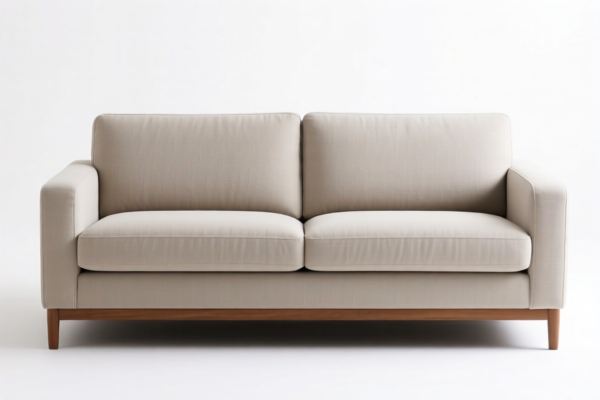
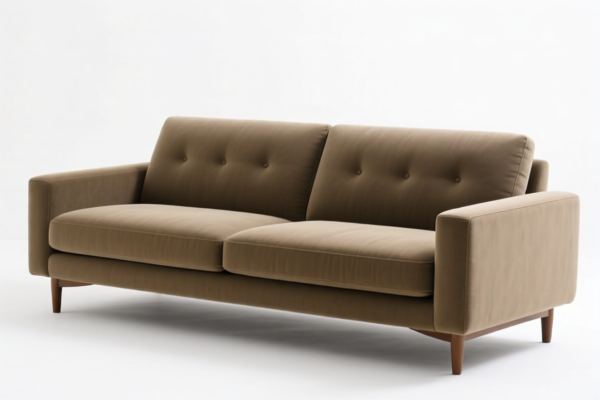
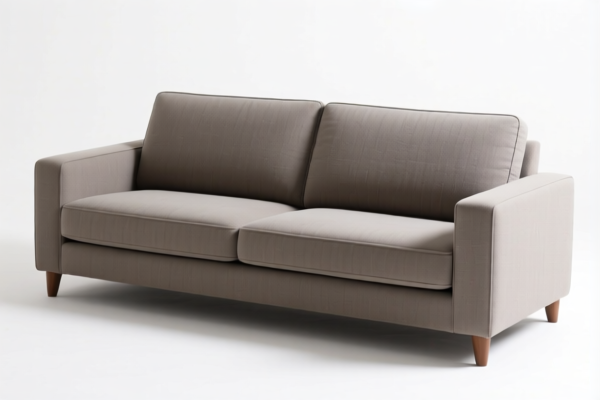
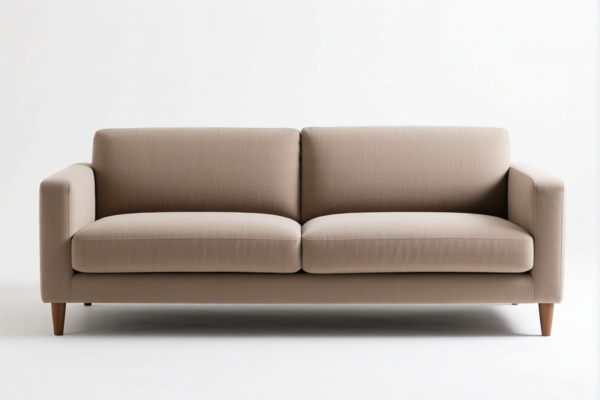
AI Analysis
🛋️ Sofa Feet (Furniture Fittings & Supports)
🌐 HS Code Reference & Customs Clearance Guide | 2026 Latest Tariff Breakdown | Professional Clearance Strategy
📌 I. Product Definition & Classification: What Exactly Are "Sofa Feet"?
Sofa feet (also known as furniture casters, legs, or supports) are critical structural components that elevate and stabilize seating furniture. In international trade, they are classified based on their material composition and functional role. The classification significantly impacts the duty rate, especially when importing into the United States from China, where multiple layers of additional tariffs apply.
Key Classification Drivers: * Material: Plastic, Wood, Metal (Iron/Steel/Aluminum), or Mixed Materials. * Function: Structural support (Legs) vs. Functional fitting (Casters/Connectors). * End-Use: Specifically for furniture (Sofas).
⚠️ Critical Distinction:
- If made of Plastic and used as a connector/fitting → HS 3926.30
- If made of Wood and considered a seat part → HS 9401.91
- If made of Base Metal (Iron/Steel/Aluminum/Zinc) → HS 8302.42
📦 II. HS Code Classification Details (2026 Tariff Schedule)
| HS Code | Product Description | Material Assumption | Key Feature |
|---|---|---|---|
3926.30.50.00 |
Other articles of plastic: Furniture fittings | Plastic | Classified as a connection/fitting piece for furniture |
9401.91.90.90 |
Parts of seats: Wood | Wood | Classified as a part of the seat itself |
8302.42.30.65 |
Base metal mountings: Furniture fittings (Steel, Aluminum, Copper) | Metal (Steel/Aluminum/Copper) | Specific classification for ferrous/non-ferrous metal furniture fittings |
8302.42.60.00 |
Base metal mountings: Other furniture fittings | Base Metal | General classification for base metal furniture fittings |
3926.30.10.00 |
Other articles of plastic: Handles & knobs | Plastic (or mixed) | May be classified as a handle/knob if shape fits, though less common for feet |
🔍 重点提醒 (Key Reminder):
- Material is King: The customs broker must know the exact material. A "metal-feel" plastic foot vs. an actual aluminum foot changes the code entirely. - Wood vs. Metal: Wooden feet are classified under Chapter 94 (Furniture), while metal feet fall under Chapter 83 (Base Metal Articles). - Plastic Ambiguity: Plastic feet often fall under Chapter 39 (Plastics). The specific sub-code depends on whether they are deemed "fittings" (3926.30.50) or "handles/knobs" (3926.30.10).
💰 III. 2026 Latest Tariff Rate Breakdown (Including Surtaxes)
✅ Applicable Country: United States (US)
✅ Country of Origin: China (CN)
✅ Effective Date: Rates include Section 301, Section 122, and Base Tariffs as per the provided data.
🎯 1. 3926.30.50.00 —— Plastic Furniture Fittings (Most Common for Modern Sofas)
| Item | Details |
|---|---|
| Base Tariff | 5.3% |
| Section 301 Surcharge | 7.5% |
| Section 122 Tariff | 10% |
| Total Effective Rate | 22.8% |
| Tax Calculation | CIF Value × 22.8% |
| De Minimis Eligibility | ❌ No (De Minimis applies only to shipments under $800 with no surtaxes; these codes have high combined duties) |
| Legal Path | Base HTS → Section 301 (7.5%) → Section 122 (10%) |
📌 Explanation:
- This is often the most cost-effective option for plastic sofa feet. - The 7.5% is from the USITC Section 301 list (Plastics). - The 10% is from Section 122 (Temporary surcharge on imports).
🎯 2. 9401.91.90.90 —— Wooden Seat Parts
| Item | Details |
|---|---|
| Base Tariff | 0.0% |
| Section 301 Surcharge | 25.0% |
| Section 122 Tariff | 10% |
| Total Effective Rate | 35.0% |
| Tax Calculation | CIF Value × 35.0% |
| De Minimis Eligibility | ❌ No |
| Legal Path | Base HTS → Section 301 (25%) → Section 122 (10%) |
📌 Note:
- Although the base tariff is 0%, the Section 301 surcharge is 25% (highest among the options). - This code applies if the feet are made of wood and considered integral parts of the seat. - High Risk: The 25% surcharge makes this less competitive than plastic fittings.
🎯 3. 8302.42.30.65 —— Metal Furniture Fittings (Steel/Aluminum/Copper)
| Item | Details |
|---|---|
| Base Tariff | 3.9% |
| Section 301 Surcharge | 7.5% |
| Section 122 Tariff | 10% |
| Metal-Specific Surtax | 50% (Applied to Steel, Aluminum, Copper products) |
| Total Effective Rate | 71.4% |
| Tax Calculation | CIF Value × 71.4% |
| De Minimis Eligibility | ❌ No |
| Legal Path | Base HTS → Section 301 (7.5%) → Section 122 (10%) → Metal Surtax (50%) |
📌 WARNING:
- This is the HIGHEST TAX category. - The 50% metal surtax applies specifically to iron, steel, aluminum, and copper products. - Avoid this code if possible due to the prohibitive 71.4% total duty.
🎯 4. 8302.42.60.00 —— Other Base Metal Furniture Fittings
| Item | Details |
|---|---|
| Base Tariff | 3.4% |
| Section 301 Surcharge | 7.5% |
| Section 122 Tariff | 10% |
| Total Effective Rate | 20.9% |
| Tax Calculation | CIF Value × 20.9% |
| De Minimis Eligibility | ❌ No |
| Legal Path | Base HTS → Section 301 (7.5%) → Section 122 (10%) |
📌 Explanation:
- This code is for Base Metals (like Zinc or other non-ferrous/non-steel/non-aluminum base metals) that do not trigger the 50% metal surtax. - Lowest Duty: At 20.9%, this is often the cheapest option if the material is indeed a qualifying base metal. - Caution: Ensure the material is not Steel/Aluminum/Copper, or it will be reclassified to8302.42.30.65with the 50% surtax.
🎯 5. 3926.30.10.00 —— Plastic Handles & Knobs (Alternative Plastic Classification)
| Item | Details |
|---|---|
| Base Tariff | 6.5% |
| Section 301 Surcharge | 7.5% |
| Section 122 Tariff | 10% |
| Total Effective Rate | 24.0% |
| Tax Calculation | CIF Value × 24.0% |
| De Minimis Eligibility | ❌ No |
| Legal Path | Base HTS → Section 301 (7.5%) → Section 122 (10%) |
📌 Note:
- This is similar to3926.30.50.00but classified as "handles/knobs." - If the sofa foot has a rotational or gripping function resembling a knob, this might apply. - Tax Comparison: Slightly higher than3926.30.50.00(24.0% vs 22.8%).
🛠️ IV. Customs Clearance Practical Advice (Avoiding Pitfalls)
✅ 1. Preparation Checklist (Non-Negotiable)
| Document | Required? | Notes |
|---|---|---|
| ✅ Material Certificate | ✔️ | Must specify exact material (e.g., "Polypropylene Plastic" vs. "Powder-Coated Steel"). Crucial for HS Code determination. |
| ✅ Product Photos | ✔️ | Clear shots of the foot, including any branding or material markings. |
| ✅ Bill of Materials (BOM) | ✔️ | List all components if the foot has mixed materials (e.g., plastic body + metal insert). |
| ✅ Commercial Invoice | ✔️ | Clearly state "Sofa Feet" or "Furniture Supports," NOT just "Furniture Parts." |
| ✅ Packing List | ✔️ | Ensure weight and dimensions match the declaration. |
| ✅ Labeling | ✔️ | "Made in China" labels are mandatory. |
✅ 2. Declaration Strategy (Key Mnemonic)
🔥 “Material Dictates Code, Section 122 is Constant, Check Metal Surtax!”
| Scenario | Correct HS Code | Reason |
|---|---|---|
| Plastic Feet | 3926.30.50.00 |
Lowest plastic duty (22.8%). Most common. |
| Wooden Feet | 9401.91.90.90 |
High duty (35%) due to 25% Section 301. |
| Steel/Aluminum Feet | 8302.42.30.65 |
AVOID if possible. 71.4% duty due to 50% metal surtax. |
| Zinc/Other Base Metal | 8302.42.60.00 |
Lowest duty (20.9%) if material qualifies. |
| Knob-Shaped Plastic | 3926.30.10.00 |
Acceptable if design fits, but 24.0% duty. |
✅ 3. Special Circumstances
| Situation | Handling Advice |
|---|---|
| Mixed Material Foot (e.g., Plastic body with Metal screw) | Declare based on the essential character. If plastic is dominant, use HS 3926. If metal is dominant, use HS 8302. Provide detailed description. |
| OEM Custom Designs | Provide design files to prove the product is a "foot" and not a "handle" or "part of seat." |
| Section 122 Expiration | Monitor for policy changes. Section 122 is a temporary surcharge. If it expires, rates drop by 10%. |
| De Minimis ($800) Claim | ❌ Do NOT use. The combined duties (Base + Sec 301 + Sec 122) exceed the de minimis threshold, and the 10% Sec 122 surcharge explicitly blocks de minimis entry for China. |
🌍 V. Global Market Comparison (2026 Snapshot)
| Country | Recommended HS Code | Est. Total Duty (China Origin) | Notes |
|---|---|---|---|
| 🇺🇸 USA | 3926.30.50.00 (Plastic) |
22.8% | Includes Sec 301 (7.5%) + Sec 122 (10%). |
| 🇺🇸 USA | 8302.42.30.65 (Metal) |
71.4% | High metal surtax makes this prohibitive. |
| 🇪🇺 EU | 7318.15.00 (Metal Screws/Fittings) |
Varies | Generally lower base duty, but no Sec 122. VAT applies. |
| 🇨🇳 China | 9403.99.00 (Furniture Parts) |
0%~5% | Import duty is low, but VAT (13%) applies. |
📌 Conclusion:
- USA is the most complex market due to layered surtaxes (Section 301 + Section 122 + Metal Surtax). - Plastic (3926.30.50.00) and Base Metal (8302.42.60.00) offer the best duty rates (~21-23%). - Steel/Aluminum Feet are expensive due to the 50% metal surtax. Consider plastic alternatives if design allows.
📌 VI. Common Mistakes & Pitfalls (Blood & Tears Lessons)
❌ Mistake 1: Classifying Steel Feet under 8302.42.60.00 (Other Base Metal)
👉 Consequence: Customs will reclassify to 8302.42.30.65, applying the 50% metal surtax. Result: Penalty + Back Taxes.
❌ Mistake 2: Declaring as "Furniture Parts" without material specificity
👉 Consequence: Customs may apply the highest default rate or require extensive documentation, causing delayed clearance.
❌ Mistake 3: Trying to use De Minimis ($800) for a single shipment of metal feet
👉 Consequence: Declaration rejected. Section 122 and Section 301 surtaxes invalidate de minimis eligibility for China-origin goods in this category.
❌ Mistake 4: Confusing Wooden Feet with Plastic Feet
👉 Consequence: Wood feet have a 25% Section 301 surcharge vs. 7.5% for plastic. Overpayment of duty.
✅ Correct Approach:
"Sofa Feet, Plastic, PP Material, Unbranded, For Residential Furniture Use, Model XYZ, Made in China"
🎯 VII. Conclusion: Precision is Profit!
🎯 Remember the Mnemonic:
🔹 “Plastic is Cheaper (22.8%), Metal is Tricky (20.9% or 71.4%), Wood is Costly (35%), De Minimis is Forbidden!”
🔹 “Know your material, avoid the 50% Metal Tax, and declare clearly!”
📌 Pro Tip:
If your sofa feet are made of Aluminum or Steel, consider switching to High-Density Plastic (HDPE/PP) designs if aesthetically possible. This can save you ~50% in duties (71.4% → 22.8%).
📣 Immediate Action:
📞 Consult a licensed customs broker.
📝 Provide Material Test Reports.
🚀 Optimize your HS Code to save thousands in duties!
✨ Professional Clearance Starts with Accurate Classification!
💼 Every Percentage Point Counts!
Customer Reviews
About HS Code Classification
The Harmonized System (HS) is an internationally standardized nomenclature developed by the World Customs Organization (WCO) to classify traded products. Over 200 countries use the HS system as the basis for customs tariffs, trade statistics, and import/export regulations.
Each HS code follows a hierarchical structure:
- Chapter (2 digits) — Broad category of goods (e.g., Chapter 84: Machinery and Mechanical Appliances)
- Heading (4 digits) — More specific grouping within the chapter
- Subheading (6 digits) — Internationally standardized breakdown, used by all WCO member countries
- National subdivisions (8-10 digits) — Country-specific extensions for further classification, such as US HTSUS 10-digit codes
Correct HS code classification is essential for smooth customs clearance, accurate duty payment, and compliance with trade regulations. Misclassification can lead to customs delays, overpayment of duties, or penalties.
When importing from CN to US, the applicable tariff rates may include:
- Most-Favored-Nation (MFN) rate — The standard duty rate applied to WTO members
- General rate — Applied to countries without trade agreements
- Trade remedy duties — Additional tariffs such as Section 301 (anti-dumping), Section 232 (national security), or countervailing duties
The information provided on this page is for reference purposes only. For official classification, please consult with your local customs authority or a licensed customs broker.