Soft Clay Paw Print Beads
CN → US| HS Code | Tariff Rate | Origin | Destination | Doc |
|---|---|---|---|---|
| 9503000073 | 10.0% | CN | US | Official Doc |
| 9503000071 | 10.0% | CN | US | Official Doc |
| 3926903500 | 24.0% | CN | US | Official Doc |
| 3926903300 | 16.5% | CN | US | Official Doc |
| 6913905000 | 23.5% | CN | US | Official Doc |
| 6913903000 | 17.5% | CN | US | Official Doc |
Product Images
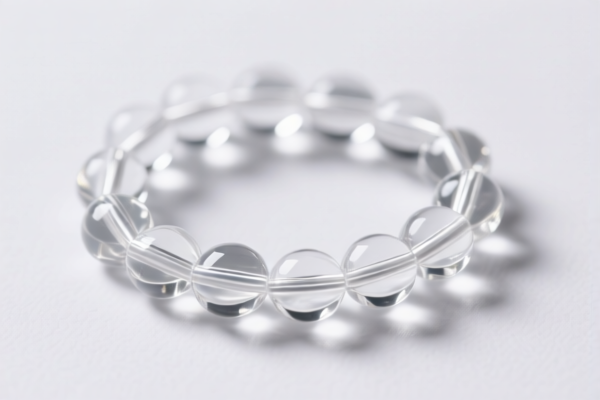
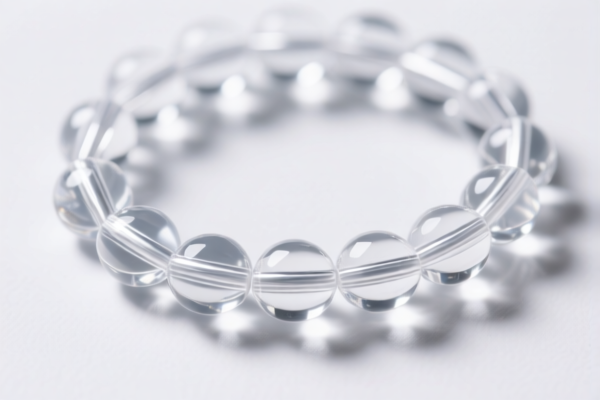
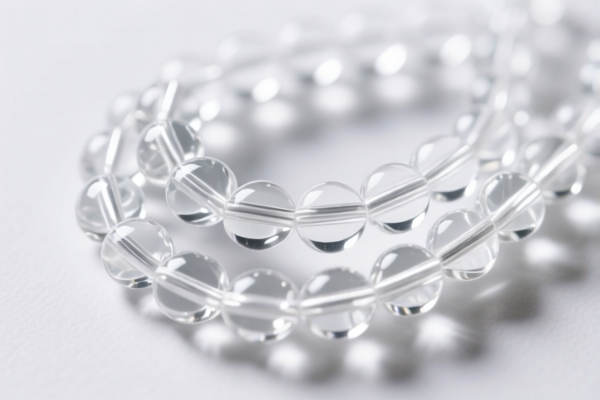
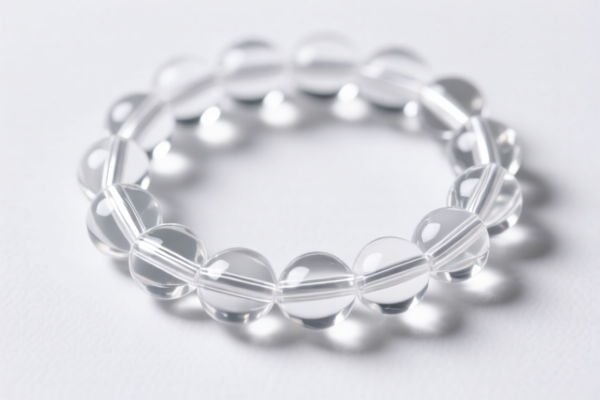
AI Analysis
🐾 Soft Clay Paw Print Beads (Decorative Artifacts)
🌐 HS Code Reference & Customs Clearance Guide | 2026 Latest Tariff Analysis | Professional Clearance Strategy
📌 I. Product Definition & Classification: What Exactly Are These "Paw Print Beads"?
"Soft Clay Paw Print Beads" are decorative items typically used for arts and crafts, jewelry making, or home ornamentation. In international trade, their classification depends heavily on the material composition and specific use.
Because "clay" is a broad term, these beads can fall into two distinct categories: 1. Ceramic/Pottery Beads: If the "soft clay" refers to fired earthenware, stoneware, or porcelain (ornamental statuettes or beads), they are classified under Chapter 69 (Ceramic Products). 2. Polymer/Plastic Beads: If the "soft clay" refers to air-dry clay, polymer clay (like Fimo), or synthetic resin that mimics clay, they are classified under Chapter 39 (Articles of Plastics).
⚠️ Critical Distinction:
- If the item is fired ceramic (hard, glazed, or unglazed terracotta/earthenware) → HS 6913
- If the item is plastic/polymer (air-dry, uncured, or synthetic) → HS 3926
📦 II. HS Code Classification Details (2026 Latest Tariff Authority Match)
Based on the provided <DATA>, here are the applicable HS Codes for "Soft Clay Paw Print Beads" depending on material:
| HS Code | Product Description | Material/Type | Key Characteristics |
|---|---|---|---|
6913.90.50.00 |
Statuettes and other ornamental ceramic articles: Other | Ceramic | Fired clay, decorative, non-ornamental statuettes or bead-like ornaments. |
6913.90.30.00 |
Statuettes and other ornamental ceramic articles: Other: Of earthenware... reddish-colored body... mottled/brown/black with metallic oxide | Earthenware | Specific earthenware with reddish body and metallic glaze effects. |
3926.90.35.00 |
Other articles of plastics...: Beads, bugles and spangles, not strung... | Plastic/Polymer | Most likely match for "Soft Clay" (Polymer/Air-dry). Beads made of plastic materials. |
🔍 Important Note:
- The<DATA>does not include HS codes for toys (Chapter 95) for these specific beads. Although "paw prints" might suggest children's play, beads are generally classified as "articles" or "ornamental items" rather than "toys" unless specifically marketed as dolls' accessories or children's playsets.
- Avoid:9503.00.00.71/9503.00.00.73(Toys) unless the beads are explicitly part of a children's toy set or labeled for children under 12. If sold as craft supplies, Chapter 39 or 69 is safer and more accurate.
💰 III. 2026 Latest Tariff Rate Breakdown (Including Additional Taxes)
✅ Applicable Country: USA
✅ Origin: China (CN)
✅ Effective Date: 2025-11-10 (Includes subsequent imports)
🎯 1. 3926.90.35.00 —— Plastic Beads (Most Common for "Soft Clay/Polymer")
| Item | Content |
|---|---|
| Base Duty Rate | 6.5% (ad valorem) |
| Additional Duty (Section 301/IEEPA) | +7.5% |
| Total Tax Rate | 14.0% |
| Tax Calculation | CIF Value × 14.0% |
| De Minimis Eligibility | ❌ No (High tax rate often triggers scrutiny; small shipments still pay duty) |
| Legal Basis Path | HTSUS:3926.90.35.00 → USITC Footnote: Additional Duty |
📌 Explanation:
- "Soft clay" beads made of polymer clay or resin are classified as "beads of plastics."
- The 6.5% base rate applies to beads not elsewhere specified.
- The +7.5% additional duty is applied due to the origin (China).
- Total: 14.0%. This is a moderate tax burden but must be factored into Landed Cost.
🎯 2. 6913.90.50.00 —— Ceramic Ornamental Beads
| Item | Content |
|---|---|
| Base Duty Rate | 6.0% (ad valorem) |
| Additional Duty (Section 301/IEEPA) | +7.5% |
| Total Tax Rate | 13.5% |
| Tax Calculation | CIF Value × 13.5% |
| De Minimis Eligibility | ❌ No |
| Legal Basis Path | HTSUS:6913.90.50.00 → USITC Footnote: Additional Duty |
📌 Explanation:
- If the beads are fired ceramic (e.g., terracotta paw prints), they fall under "ornamental ceramic articles."
- Base: 6.0%, Additional: 7.5%.
- Total: 13.5%. Slightly lower than plastic, but requires proof of ceramic material (e.g., firing process).
🎯 3. 6913.90.30.00 —— Special Earthenware (Rare for Beads)
| Item | Content |
|---|---|
| Base Duty Rate | 0.0% (ad valorem) |
| Additional Duty (Section 301/IEEPA) | +7.5% |
| Total Tax Rate | 7.5% |
| Tax Calculation | CIF Value × 7.5% |
| De Minimis Eligibility | ❌ No |
| Legal Basis Path | HTSUS:6913.90.30.00 → USITC Footnote: Additional Duty |
📌 Explanation:
- Only applies if beads are earthenware with a reddish body and metallic oxide glaze (brown/black/mottled).
- Base: 0%, Additional: 7.5%.
- Total: 7.5%. Lowest tax rate, but very specific material requirements. Unlikely for generic "soft clay" beads.
🛠️ IV. Customs Clearance Practical Advice (Actionable Tips)
✅ 1. Material Identification is Key
| Material Type | Correct HS Code | Tax Rate | Documentation Required |
|---|---|---|---|
| Polymer Clay / Air-Dry Clay | 3926.90.35.00 |
14.0% | Product spec sheet stating "Polymer Clay," "Resin," or "Plastic Composition." |
| Fired Ceramic / Terracotta | 6913.90.50.00 |
13.5% | Certificate of Origin + Material Test Report proving ceramic/fired clay. |
| Special Earthenware (Reddish + Metallic Glaze) | 6913.90.30.00 |
7.5% | Detailed product description + Photos showing color/glaze characteristics. |
🚫 Do Not Classify as Toys (
9503):
Unless the beads are explicitly sold as children's toys (e.g., "Paw Print Beads for Kids Craft Kit" with age grading), classifying them as toys (9503.00.00.71or73) is high-risk.
- Risk: Customs may reclassify as "articles of plastic/ceramic" and assess 13.5–14.0% instead of 0%.
- Penalty: Back taxes + fines.
- Advice: If selling as craft supplies, use 3926 or 6913. If selling as toys, ensure packaging clearly states "For Children Ages 3+" or "Under 3" and includes CPSIA compliance.
✅ 2. Declaration Best Practices
Recommended Declaration Language:
"Decorative beads made of polymer clay/plastic, paw print shape, for arts and crafts use. Not toys."
OR
"Ornamental ceramic beads, fired clay, paw print design, for home decoration."
Avoid Vague Terms:
❌ "Clay Beads" → Too ambiguous.
❌ "Paw Prints" → Incomplete. Specify material.
✅ 3. Special Considerations for "Soft Clay"
- Air-Dry Clay: Often considered plastic articles if it contains synthetic polymers. Use 3926.90.35.00.
- Polymer Clay (Fimo/Sculpey): Definitely plastic. Use 3926.90.35.00.
- Terracotta/Ceramic: If fired, use 6913.90.50.00.
💡 Pro Tip: If your product is a mix of ceramic and plastic parts, classify based on the essential character (usually the main body material).
🌍 V. Global Market Comparison (2026)
| Country | Recommended HS Code | Base Duty | Additional Tax | Total Rate | Notes |
|---|---|---|---|---|---|
| 🇺🇸 USA | 3926.90.35.00 |
6.5% | +7.5% | 14.0% | High tax for Chinese origin. |
| 🇪🇺 EU | 6913.90.50 |
3.5% | 0% | 3.5% | Lower tax, no Section 301 equivalent. |
| 🇨🇳 China | 6913.90.50 |
6.0% | 0% | 6.0% | Import duty applies. |
| 🇬🇧 UK | 6913.90.50 |
4.5% | 0% | 4.5% | Post-Brexit tariff. |
📌 Conclusion:
- USA has the highest landed cost due to 7.5% additional duty.
- EU/UK are more favorable with 3.5–4.5% total.
- Strategy: If targeting US market, ensure accurate material declaration to avoid misclassification penalties.
📌 VI. Common Mistakes & Pitfalls
❌ Mistake 1: Classifying polymer clay beads as toys (9503) to avoid tax.
👉 Result: Customs reclassifies to 3926 → 14.0% tax + penalties.
✅ Fix: Declare as "craft beads" or "decorative articles" if not marketed for children.
❌ Mistake 2: Using 6913.90.30.00 (0% base) for generic ceramic beads.
👉 Result: Customs rejects due to lack of "reddish body + metallic glaze" evidence → Reassigned to 6913.90.50.00 → 13.5% tax.
✅ Fix: Only use 6913.90.30.00 if product strictly matches the earthenware description.
❌ Mistake 3: Ignoring material proof.
👉 Result: Delayed clearance, requests for additional documentation, storage fees.
✅ Fix: Provide material test reports or manufacturer specifications showing plastic/ceramic composition.
🎯 VII. Conclusion: Accurate Classification Saves Money
🎯 Key Takeaway:
🔹 "Soft Clay" = Usually Plastic (
3926.90.35.00) → 14.0% Total Tax
🔹 Fired Ceramic =6913.90.50.00→ 13.5% Total Tax
🔹 Special Earthenware =6913.90.30.00→ 7.5% Total Tax (Hard to qualify)🔹 Do Not Guess: Misclassification leads to back taxes, fines, and shipment delays.
🔹 Document Everything: Keep material specs, photos, and declarations aligned.
📌 Final Advice:
If your "Soft Clay Paw Print Beads" are polymer clay, use 3926.90.35.00 (14.0%).
If they are fired ceramic, use 6913.90.50.00 (13.5%).
Avoid toy classifications unless explicitly for children, to prevent compliance risks.
📣 Act Now:
📞 Consult a licensed customs broker to confirm material classification.
📄 Prepare Product Spec Sheets and Material Certificates.
🚀 Clear customs smoothly, avoid surprise taxes, and maximize profit!
✨ Precision in Classification = Precision in Profit!
💼 Every duty paid should be the correct duty, and nothing more!
Customer Reviews
About HS Code Classification
The Harmonized System (HS) is an internationally standardized nomenclature developed by the World Customs Organization (WCO) to classify traded products. Over 200 countries use the HS system as the basis for customs tariffs, trade statistics, and import/export regulations.
Each HS code follows a hierarchical structure:
- Chapter (2 digits) — Broad category of goods (e.g., Chapter 84: Machinery and Mechanical Appliances)
- Heading (4 digits) — More specific grouping within the chapter
- Subheading (6 digits) — Internationally standardized breakdown, used by all WCO member countries
- National subdivisions (8-10 digits) — Country-specific extensions for further classification, such as US HTSUS 10-digit codes
Correct HS code classification is essential for smooth customs clearance, accurate duty payment, and compliance with trade regulations. Misclassification can lead to customs delays, overpayment of duties, or penalties.
When importing from CN to US, the applicable tariff rates may include:
- Most-Favored-Nation (MFN) rate — The standard duty rate applied to WTO members
- General rate — Applied to countries without trade agreements
- Trade remedy duties — Additional tariffs such as Section 301 (anti-dumping), Section 232 (national security), or countervailing duties
The information provided on this page is for reference purposes only. For official classification, please consult with your local customs authority or a licensed customs broker.