Soft Clay Simulation Slippers
CN → US| HS Code | Tariff Rate | Origin | Destination | Doc |
|---|---|---|---|---|
| 6402996915 | 58.0% | CN | US | Official Doc |
| 6405209015 | 22.5% | CN | US | Official Doc |
| 6405209080 | 22.5% | CN | US | Official Doc |
| 3926909989 | 22.8% | CN | US | Official Doc |
| 3926400090 | 15.3% | CN | US | Official Doc |
Product Images
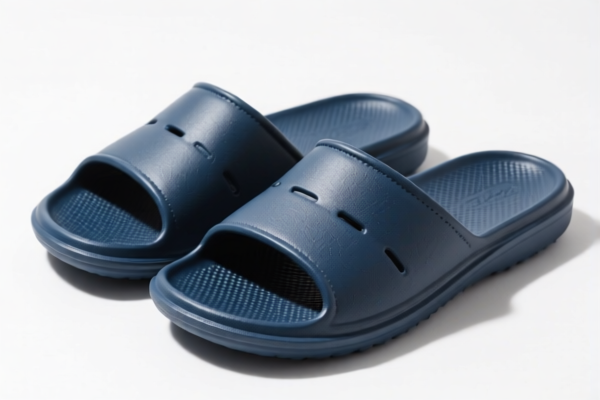
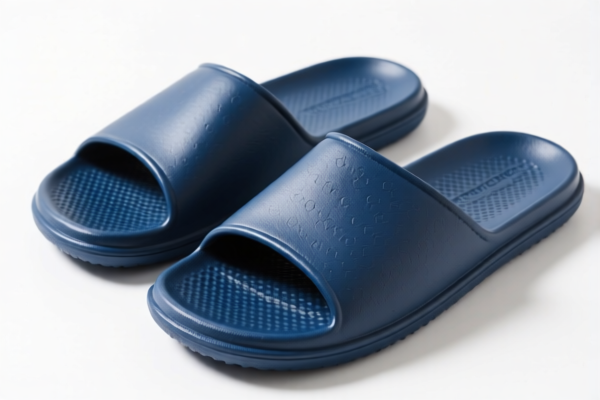
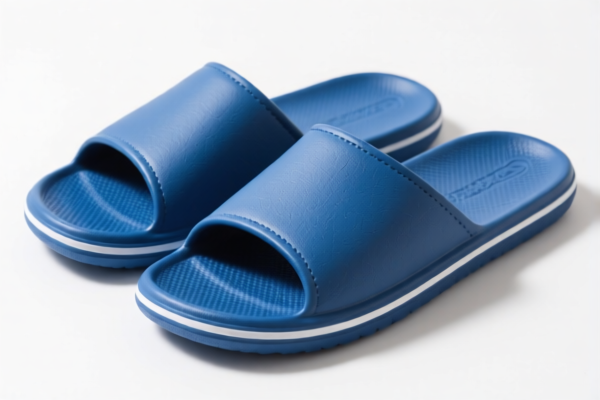
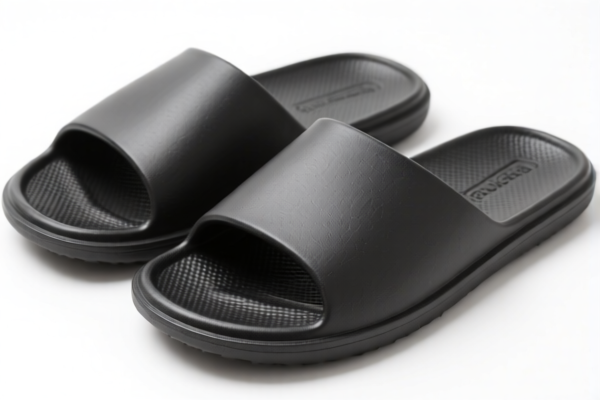
AI Analysis
👡 Soft Clay Simulation Slippers (Soft Rubber/Plastic Simulated Slippers)
🌐 HS Code Reference & Customs Clearance Guide | 2026 Latest Tariff Analysis | Professional Entry Strategy
📌 Part 1: Product Definition & Classification: Do You Really Understand "Slippers"?
"Soft Clay Simulation Slippers" (often referring to plush, fuzzy, or soft-textured slippers that mimic the look of clay or fabric but are made of synthetic materials) are indoor footwear designed for comfort and style. In international trade, the classification depends heavily on the material composition and the structural definition (whether it is treated as a shoe or a plastic article).
Two Main Pathways for Classification:
- Footwear Category (Chapter 64): If the item is primarily defined as "slippers" with a textile or non-textile upper and sole, it falls under HS Chapter 64. This is the most common classification for actual wearable footwear.
- Plastic Article Category (Chapter 39): If the item is considered a "simulated" product made entirely of plastic/rubber with no distinct footwear structure (or deemed a decorative item/toy), it may be classified under Chapter 39.
⚠️ Key Distinction Point:
- If it has a dedicated sole, upper, and closure typical of slippers → Chapter 64 (Shoes)
- If it is a monolithic plastic shape, a keychain, or strictly a "plastic article" mimicking a slipper but lacking functional footwear structure → Chapter 39 (Plastics)
📦 Part 2: HS Code Classification Details (2026 Latest Tariff Concordance)
| HS Code | Product Description | Application Scenario | Material/Structure Logic |
|---|---|---|---|
6402.99.69.15 |
Soft rubber/simulated slippers, Rubber/Plastic material, Intended for indoor use | Indoor slippers made primarily of rubber or plastic compounds | ✅ Material: Rubber/Plastic |
6405.20.90.15 |
Soft rubber/simulated slippers, Home use form, Non-textile material | Home slippers where the upper is non-textile (e.g., foam, plastic) | ✅ Material: Non-textile |
6405.20.90.80 |
Soft rubber/simulated slippers, Upper is textile/non-leather | Other footwear; classified as "Other" if not specifically listed | ✅ Upper: Textile/Non-leather |
3926.90.99.89 |
Soft rubber/simulated slippers, Plastic/Synthetic Rubber, Other Plastic Articles | Classified as a general plastic article, not strictly as footwear | ✅ Material: Plastic/Synthetic Rubber |
3926.40.00.90 |
Soft rubber/simulated slippers, Plastic/Synthetic Material, Decorative Plastic Articles | Classified as a decorative item rather than functional footwear | ✅ Purpose: Decorative |
🔍 Key Reminder:
- Footwear (64xx) generally implies a functional shoe structure. Even if the material is plastic, if it is worn as a slipper, it often defaults to Chapter 64 unless specified otherwise by local customs rulings.
- Plastics (39xx) are applied when the item is considered a "plastic article" or "decoration," which might attract different duty rates or face different regulatory scrutiny.
💰 Part 3: 2026 Latest Tariff Rate Breakdown (Including Surtaxes & Policy Add-ons)
✅ Applicable Country: United States (US)
✅ Country of Origin: China (CN)
✅ Effective Time: Current rates including Section 301 and Section 122 additions
🎯 1. 6402.99.69.15 —— Soft Rubber/Plastic Indoor Slippers
| Item | Content |
|---|---|
| Base Duty Rate | 48.0% (Ad Valorem) |
| Section 301 Surcharge | 0.0% (Specific code exemption or lower tier) |
| Section 122 Tariff | +10% (Targeting specific footwear categories) |
| Total Tax Rate | 58.0% |
| Tax Calculation | CIF Value × 58% |
| De Minimis Exemption | ❌ Not Eligible (High duty rate typically triggers scrutiny) |
| Legal Basis | Standard HTS 6402.99 + Section 122 Footnote |
📌 Explanation:
- This is the highest tax bracket among the options.
- The 48% base duty is significant for rubber/plastic footwear.
- The 10% Section 122 tariff is a specific penalty added for certain footwear imports from China.
- Total 58% makes this a very costly classification for budget-friendly slippers.
🎯 2. 6405.20.90.15 —— Soft Rubber/Non-Textile Home Slippers
| Item | Content |
|---|---|
| Base Duty Rate | 12.5% (Ad Valorem) |
| Section 301 Surcharge | 0.0% |
| Section 122 Tariff | +10% |
| Total Tax Rate | 22.5% |
| Tax Calculation | CIF Value × 22.5% |
| De Minimis Exemption | ❌ Not Eligible |
| Legal Basis | HTS 6405.20 + Section 122 Footnote |
📌 Note:
- This classification is significantly cheaper than6402.99.69.15.
- The 12.5% base duty reflects the "Other Footwear" category for non-textile uppers.
- Still carries the 10% Section 122 penalty.
🎯 3. 6405.20.90.80 —— Soft Rubber/Textile-Upper Slippers
| Item | Content |
|---|---|
| Base Duty Rate | 12.5% (Ad Valorem) |
| Section 301 Surcharge | 0.0% |
| Section 122 Tariff | +10% |
| Total Tax Rate | 22.5% |
| Tax Calculation | CIF Value × 22.5% |
| De Minimis Exemption | ❌ Not Eligible |
| Legal Basis | HTS 6405.20 + Section 122 Footnote |
📌 Note:
- Same tax rate as the previous code (6405.20.90.15).
- Applies if the upper is classified as "textile" or "non-leather" within the "Other Footwear" scope.
🎯 4. 3926.90.99.89 —— Soft Rubber/Plastic as "Other Plastic Articles"
| Item | Content |
|---|---|
| Base Duty Rate | 5.3% (Ad Valorem) |
| Section 301 Surcharge | +7.5% |
| Section 122 Tariff | +10% |
| Total Tax Rate | 22.8% |
| Tax Calculation | CIF Value × 22.8% |
| De Minimis Exemption | ❌ Not Eligible |
| Legal Basis | HTS 3926.90 + Section 301 + Section 122 |
📌 Warning:
- Although the base duty is low (5.3%), the 7.5% Section 301 surcharge applies to many plastic articles.
- Total rate is 22.8%, which is comparable to the footwear classifications.
- Risk: Customs may argue this is actually footwear (Chapter 64) if it looks like a slipper, leading to disputes.
🎯 5. 3926.40.00.90 —— Soft Rubber/Plastic as "Decorative Plastic Articles"
| Item | Content |
|---|---|
| Base Duty Rate | 5.3% (Ad Valorem) |
| Section 301 Surcharge | 0.0% |
| Section 122 Tariff | +10% |
| Total Tax Rate | 15.3% |
| Tax Calculation | CIF Value × 15.3% |
| De Minimis Exemption | ❌ Not Eligible |
| Legal Basis | HTS 3926.40 + Section 122 Footnote |
📌 Advantage:
- This is the lowest total tax rate (15.3%) in the dataset.
- Crucial Condition: The item must be classified as decorative (e.g., a keychain, a figurine, or a non-wearable sample) rather than functional footwear.
- If Customs determines it is wearable, they will reclassify it to Chapter 64, resulting in higher duties and potential penalties.
🛠️ Part 4: Customs Clearance Operational Advice (Practical Pitfall Guide)
✅ 1. Documentation Checklist (Essential)
| Document | Required | Notes |
|---|---|---|
| ✅ Product Specifications | ✔️ | Detailed material breakdown (e.g., "Polymer PVC sole, Plush textile upper"). |
| ✅ Product Photos | ✔️ | Clear images showing sole, upper, and any closures. Show it looks like a slipper. |
| ✅ Commercial Invoice | ✔️ | Clearly state "Soft Clay Simulation Slippers" or "Decorative Plastic Slipper Model". Avoid ambiguous terms like "Toy". |
| ✅ Material Test Report | ✔️ | Confirm composition (e.g., % Rubber, % Plastic, % Textile) to support HS code choice. |
| ✅ Packaging Photos | ✔️ | Show if packaged as retail footwear or as a decorative gift item. |
✅ 2. Declaration Strategy (Key Mnemonic)
🔥 "Wearable = Shoe (Ch64), Decorative = Plastic (Ch39), Be Honest on Material!"
| Scenario | Correct Declaration | Incorrect Action |
|---|---|---|
| Intended for Walking | 6405.20.90.xx (Footwear) |
Declare as "Plastic Toy" → Fraud Risk |
| Keychain/Decoration Only | 3926.40.00.90 (Decorative) |
Declare as "Footwear" → Unnecessary 58% Tax |
| Monolithic Plastic Slipper | 3926.90.99.89 (Plastic Article) |
Declare as "Textile Slipper" → Mismatch |
| Mixed Material (Plush + Rubber) | 6405.20.90.80 (Textile Upper) |
Declare as "All Plastic" → Under-declaration |
✅ 3. Special Circumstances Handling
| Situation | Recommendation |
|---|---|
| OEM Custom Slippers | Provide design drawings. If the design mimics a "clay figure" but has a shoe last, it’s footwear. |
| "Clay" Texture Marketing | Do not label as "Plastic Clay Figurine" if it’s a slipper. Use "Slipper with Clay-Look Texture". |
| Low Value Samples | Even for samples, if classified as footwear, duties apply. Consider if 3926.40.00.90 is defensible (e.g., non-wearable promotional item). |
| Material Composition | If the upper is >50% textile, use 6405.20.90.80. If non-textile, use 6405.20.90.15. |
🌍 Part 5: Global Market Comparison (2026 Latest)
| Country/Region | Recommended HS Code | Total Duty | Certification | Notes |
|---|---|---|---|---|
| 🇺🇸 USA | 3926.40.00.90 (If decorative) |
15.3% | None required | If footwear, duty jumps to 22.5%-58% |
| 🇺🇸 USA | 6405.20.90.15 (Footwear) |
22.5% | None required | Standard for home slippers |
| 🇨🇳 China | 6405.20.90.15 |
5-10% | CCC (if applicable) | Lower base duty, no Section 122 |
| 🇪🇺 EU | 6405.20.90 |
0-10% | CE (if applicable) | No Section 301/122 equivalents |
| 🇬🇧 UK | 6405.20.90 |
0-10% | UKCA | Post-Brexit rules apply |
📌 Conclusion:
- USA is the most expensive market due to Section 301 and Section 122 tariffs.
- Classifying as "Decorative Plastic" (3926.40.00.90) saves ~7-43% in duties compared to footwear classifications, BUT it carries high compliance risk if the item is clearly wearable.
- Best Practice: If the item is a genuine slipper, accept the 22.5% rate (6405.20.90.xx) to avoid seizure. If it is a non-wearable decoration, use3926.40.00.90.
📌 Part 6: Common Errors & Pitfalls (Lessons Learned)
❌ Error 1: Declaring wearable slippers as "Plastic Toys" (3926.40.00.90) to save tax.
👉 Consequence: Customs reclassification → Back taxes + Penalties + Delay.
👉 Lesson: Only use Chapter 39 if the item is non-functional for walking.
❌ Error 2: Misidentifying the upper material.
👉 Consequence: Using 6405.20.90.15 (non-textile) for a textile upper.
👉 Lesson: Verify material composition. If it’s plush/fabric, use 6405.20.90.80.
❌ Error 3: Ignoring Section 122 Tariff.
👉 Consequence: Underpayment of duties by 10%.
👉 Lesson: Always add 10% for Section 122 in HS codes 6402, 6405, etc., for China-origin goods.
✅ Correct Approach:
"Soft Rubber Slippers, Indoor Use, Non-Textile Upper, China Origin, Declared as
6405.20.90.15, Total Duty 22.5%."
🎯 Part 7: Conclusion: Professional Declaration, Cost Efficiency, Risk Mitigation!
🎯 Remember Mnemonic:
🔹 "Wear it? Shoe (64). Decorate? Plastic (39). Section 122 adds 10%. Be honest, avoid penalty."
🔹 "HS Code defines tax, 15.3% vs 58%, one step makes a big difference!"
📌 Pro Tip:
If your slippers are primarily decorative (e.g., small size, hard sole, intended for display), argue for 3926.40.00.90 to save tax. If they are for home comfort, declare as 6405.20.90.15 or 6405.20.90.80 to ensure smooth clearance.
📣 Immediate Action:
📞 Consult with a licensed customs broker.
🚀 Provide 3D renders and material specs to support your HS code choice.
💼 Your profit margin depends on accurate classification!
✨ Professional Clearance, Starts with Precise Classification!
💼 Every cent of duty is worth calculating correctly!
Customer Reviews
About HS Code Classification
The Harmonized System (HS) is an internationally standardized nomenclature developed by the World Customs Organization (WCO) to classify traded products. Over 200 countries use the HS system as the basis for customs tariffs, trade statistics, and import/export regulations.
Each HS code follows a hierarchical structure:
- Chapter (2 digits) — Broad category of goods (e.g., Chapter 84: Machinery and Mechanical Appliances)
- Heading (4 digits) — More specific grouping within the chapter
- Subheading (6 digits) — Internationally standardized breakdown, used by all WCO member countries
- National subdivisions (8-10 digits) — Country-specific extensions for further classification, such as US HTSUS 10-digit codes
Correct HS code classification is essential for smooth customs clearance, accurate duty payment, and compliance with trade regulations. Misclassification can lead to customs delays, overpayment of duties, or penalties.
When importing from CN to US, the applicable tariff rates may include:
- Most-Favored-Nation (MFN) rate — The standard duty rate applied to WTO members
- General rate — Applied to countries without trade agreements
- Trade remedy duties — Additional tariffs such as Section 301 (anti-dumping), Section 232 (national security), or countervailing duties
The information provided on this page is for reference purposes only. For official classification, please consult with your local customs authority or a licensed customs broker.