Soft Rubber Handle
CN → US| HS Code | Tariff Rate | Origin | Destination | Doc |
|---|---|---|---|---|
| 9018390040 | 10.0% | CN | US | Official Doc |
| 9018390020 | 10.0% | CN | US | Official Doc |
| 401693 | 0.0% | CN | US | Official Doc |
| 820559 | 0.0% | CN | US | Official Doc |
| 4016991000 | 20.8% | CN | US | Official Doc |
| 4016990500 | 20.9% | CN | US | Official Doc |
| 3926902500 | 24.0% | CN | US | Official Doc |
| 3926301000 | 24.0% | CN | US | Official Doc |
Product Images
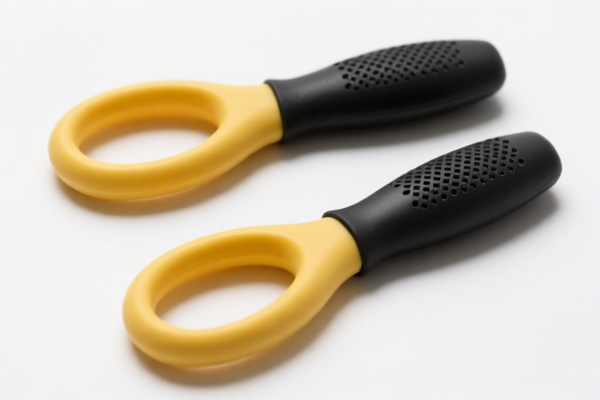
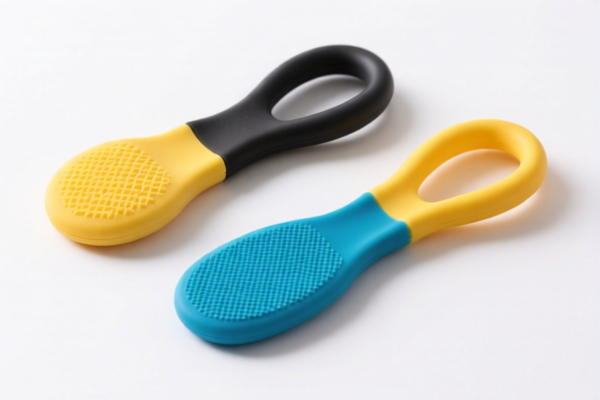
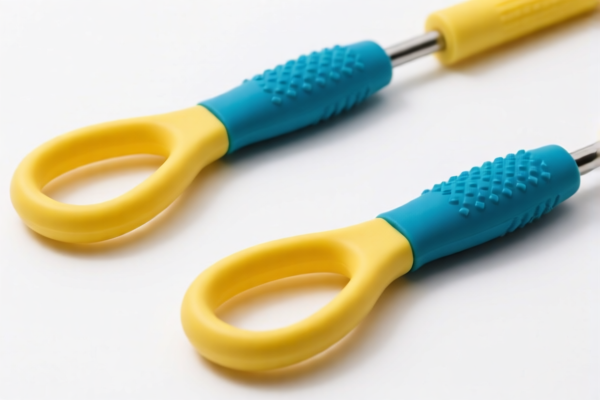
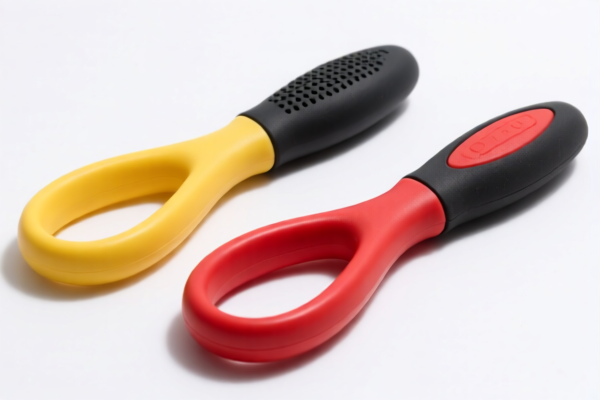
AI Analysis
🛠️ Soft Rubber Handles: HS Code Guide & Clearance Strategy (2026 Update)
🌐 HS Code Reference & Clearance Guide | 2026 Latest Tariff Analysis | Professional Entry Strategy
📌 1. Product Definition & Classification: What Exactly is a "Soft Rubber Handle"?
A "Soft Rubber Handle" is a generic term covering various grip components made from vulcanized or non-vulcanized rubber. However, in international trade, function and material dictate classification. A rubber handle for a hammer is classified differently than one for a medical syringe or a plastic furniture knob.
⚠️ Key Distinction:
- Is it purely rubber? → Likely Chapter 40 (Rubber Articles).
- Is it plastic with rubber coating? → Likely Chapter 39 (Plastics).
- Is it a medical device part? → Likely Chapter 90 (Medical Instruments).
- Is it a tool part? → Likely Chapter 82 (Tools).
📦 2. HS Code Classification Details (2026 Latest Tariff Authority Mapping)
Based on the provided data, here are the precise classifications for "Soft Rubber Handles" depending on their specific application and material structure:
| HS Code | Product Description | Application Scenario | Material/Structure |
|---|---|---|---|
4016.99.10.00 |
Other articles of vulcanized rubber other than hard rubber: Handles and knobs | General industrial or household tools, ergonomic grips, non-medical rubber handles. | ✅ Vulcanized Rubber |
4016.99.05.00 |
Other articles of vulcanized rubber other than hard rubber: Household articles not elsewhere specified or included | Rubber knobs for furniture, drawer pulls, or generic household grips. | ✅ Vulcanized Rubber |
3926.90.25.00 |
Other articles of plastics... Handles and knobs, not elsewhere specified or included, of plastics | Crucial Check: If the handle is primarily plastic (even if soft-touch coating exists), it may fall here. | ❌ Plastic (Primary) |
3926.30.10.00 |
Other articles of plastics... Fittings for furniture, coachwork or the like: Handles and knobs | Plastic handles/knobs specifically for furniture or vehicle interiors. | ❌ Plastic (Primary) |
4016.93 |
Other rubber or rubber-like materials... specifically soft rubber handles used for tools or equipment | Raw rubber sheets/strips specifically designed for tool grips (non-vulcanized or semi-finished). | ⚠️ Non-vulcanized / Raw |
8205.59 |
Hand tools and parts thereof... including handles made of soft rubber, used for gripping... | Rubber grips that are integral parts of hand tools (e.g., hammer grips, plier handles). | ✅ Rubber part of Tool |
9018.39.00.40 |
Medical/Surgical instruments... Syringes, needles... Other Bougies, catheters... parts and accessories | Rubber grips specifically for medical devices (e.g., catheter hubs, syringe barrels). | ✅ Medical Part |
9018.39.00.20 |
Medical/Surgical instruments... Rubber catheters | Specific rubber tubing/catheters used in medical contexts. | ✅ Medical Part |
🔍 Critical Note:
- If the item is a standalone rubber handle not attached to a tool, use4016.99.10.00.
- If the rubber is merely a grip on a metal tool, it may be considered a part of the tool (8205.59).
- If the handle is plastic with a soft rubber coating, customs may classify it as Plastic (3926...) unless the rubber layer is the essential character.
💰 3. 2026 Tariff Rate Detailed Analysis
✅ Applicable Jurisdiction: Based on the tax structure (Base + Additional), this analysis assumes US Customs (CBP) rules for Chinese-origin goods.
✅ Origin: China (CN)
✅ Effective Date: Current tariff regime applies.
🎯 1. 4016.99.10.00 – Rubber Handles & Knobs (Vulcanized)
| Item | Content |
|---|---|
| Base Duty Rate | 0.0% |
| Section 301 Additional Duty | 0.0% |
| Total Effective Duty | 0.0% |
| De Minimis Eligibility | ✅ Yes (if value < $800 for informal entry) |
| Legal Basis | HTSUS 4016.99.10.00 |
📌 Explanation:
- This is a low-risk, low-duty classification.
- Vulcanized rubber handles are often exempt from high additional tariffs because they are considered general-purpose rubber goods.
- Clearance Advantage: Fast release, minimal documentation required.
🎯 2. 4016.99.05.00 – Household Rubber Articles
| Item | Content |
|---|---|
| Base Duty Rate | 0.0% |
| Section 301 Additional Duty | 0.0% |
| Total Effective Duty | 0.0% |
| De Minimis Eligibility | ✅ Yes |
| Legal Basis | HTSUS 4016.99.05.00 |
📌 Explanation:
- Similar to4016.99.10.00, household rubber items often enjoy 0% duty.
- Ensure the product is clearly marketed as a "household article" (e.g., drawer knobs, pot holders) to justify this code.
🎯 3. 3926.90.25.00 & 3926.30.10.00 – Plastic Handles (If Misclassified)
| Item | Content |
|---|---|
| Base Duty Rate | 6.5% (3926.90) or 0.0% (3926.30) |
| Section 301 Additional Duty | 7.5% (3926.90) or 0.0% (3926.30) |
| Total Effective Duty | 14.0% (3926.90.25.00) or 0.0% (3926.30.10.00) |
| De Minimis Eligibility | ❌ No (for 14% rate items) |
| Legal Basis | HTSUS 3926.90.25.00 / 3926.30.10.00 |
⚠️ Warning:
- If customs determines your "soft rubber" handle is actually plastic, you may be hit with a 14% total duty (3926.90.25.00).
- Action: Provide material certificates proving >50% rubber content by weight or essential character.
🎯 4. 8205.59 – Hand Tool Parts (Rubber Grips)
| Item | Content |
|---|---|
| Base Duty Rate | Error (See Note Below) |
| Section 301 Additional Duty | Error |
| Total Effective Duty | Check Specific Tool Type |
| De Minimis Eligibility | Varies |
📌 Explanation:
- The data indicates "Failed to retrieve tax information" for raw8205.59.
- However, generally, parts of hand tools fall under Chapter 82.
- Risk: If the rubber grip is seen as a "part" of a tool subject to higher tariffs, the rate could be higher.
- Strategy: If possible, declare as a standalone rubber handle (4016.99.10.00) if not permanently attached to the tool in the shipped state.
🎯 5. 9018.39.00.20 & .40 – Medical Device Parts
| Item | Content |
|---|---|
| Base Duty Rate | 0.0% |
| Section 301 Additional Duty | 0.0% |
| Total Effective Duty | 0.0% |
| De Minimis Eligibility | ✅ Yes (if value < $800) |
| Legal Basis | HTSUS 9018.39.00.x0 |
📌 Explanation:
- Medical rubber parts (catheters, syringe grips) are often duty-free.
- Requirement: Must provide FDA registration or medical device classification proof if required by importer.
🛠️ 4. Clearance Practical Advice (Real-World Pitfall Guide)
✅ 1. Preparation Checklist (Non-Negotiable)
| Document | Must Provide? | Purpose |
|---|---|---|
| ✅ Product Photos | ✔️ | To prove it's a "handle" and not a generic rubber sheet. |
| ✅ Material Composition | ✔️ | Proof of % Rubber vs. Plastic. Critical for 40xx vs 39xx. |
| ✅ Intended Use Statement | ✔️ | "For use as ergonomic grips on household tools" vs. "Part of medical device". |
| ✅ Invoice Description | ✔️ | Must match HS Code description (e.g., "Rubber Handle, Vulcanized"). |
| ✅ Structure Diagram | ✔️ | If attached to a tool, show if it's removable or integral. |
✅ 2. Declaration Strategy (Key Mnemonics)
🔥 “Rubber is 0%, Plastic is High, Tool Parts are Tricky, Medical is Free!”
| Scenario | Correct Declaration | Risk if Wrong |
|---|---|---|
| Standalone Rubber Grip | 4016.99.10.00 |
0% Duty. Safe. |
| Rubber Knob for Cabinet | 4016.99.05.00 |
0% Duty. Safe. |
| "Soft-Touch" Plastic Handle | 3926.90.25.00 |
14% Duty. Expensive. |
| Rubber Grip on Hammer | 8205.59 or 4016.99.10.00 |
Risk of reclassification. Declare as Rubber Article if possible. |
| Medical Catheter Tip | 9018.39.00.20 |
0% Duty. Safe. |
✅ 3. Special Cases & Handling
| Case | Handling Advice |
|---|---|
| Mixed Materials (Rubber + Plastic Core) | If plastic core > 50% weight, Customs may classify as Plastic (39xx). Solution: Provide engineering report showing rubber determines essential character. |
| Attached to Tool | If shipped attached, declare as Tool Part (8205) OR Rubber Article (4016) depending on which component has greater value/importance. Recommendation: Declare as 4016.99.10.00 if rubber is the main cost driver. |
| Medical Devices | Ensure FDA 510(k) or establishment registration number is available. Customs may request proof of medical use. |
| Raw Rubber Strips | Use 4016.93. Note: Tax info is "Error" in source, so pre-classification ruling is highly recommended. |
🌍 5. Global Market Comparison (2026)
| Market | Recommended HS Code | Duty Rate (China Origin) | Key Requirement |
|---|---|---|---|
| 🇺🇸 USA | 4016.99.10.00 |
0% | None. Fast clearance. |
| 🇪🇺 EU | 4016.99 |
~4.2% | CE Mark if for machinery. |
| 🇨🇳 China | 4016.99 |
Free | None. |
| 🇬🇧 UK | 4016.99 |
~4.2% | Post-Brexit rules apply. |
📌 Conclusion:
- The USA offers the best duty rate (0%) for pure rubber handles.
- EU/UK may charge standard MFN rates (~4%).
- Avoid Plastic Codes (39xx) unless necessary, as they often incur higher Section 301 tariffs in the US.
📌 6. Common Errors & Pitfalls (Lessons Learned)
❌ Error 1: Calling a "Soft-Touch Plastic Handle" a "Rubber Handle"
👉 Consequence: Customs reclassifies to 3926.90.25.00 → 14% Duty + Penalties.
Fix: Use accurate material terms ("Thermoplastic Elastomer" or "Polypropylene") in invoice.
❌ Error 2: Declaring a Tool Part as a General Rubber Article when it's Integral
👉 Consequence: Discrepancy in value between tool and handle.
Fix: If sold as a set, declare as complete tool (82xx). If sold separately, declare as rubber article (4016).
❌ Error 3: Ignoring Medical Device Regulations
👉 Consequence: Hold at customs for FDA review.
Fix: Provide FDA registration number for 9018 items.
✅ Correct Declaration Example:
"Ergonomic Rubber Handle, Vulcanized, For Use on Hand Tools, Model XYZ, 100% Synthetic Rubber"
🎯 7. Conclusion: Professional Declaration for Cost Efficiency
🎯 Remember the Rules:
🔹 "Pure Rubber = 0% Duty (US)"
🔹 "Plastic/Coated = High Duty (14% US)"
🔹 "Medical = Free but Regulated"
🔹 "Always Prove Material Composition!"
📌 Pro Tip:
If your product is a hybrid (Rubber over Plastic), consider applying for a CBP Ruling before shipment. It costs ~$500-$1000 but saves thousands in potential duties and delays.
📣 Immediate Action:
📞 Verify Material Safety Data Sheet (MSDS) to confirm rubber content.
🚀 Label Clearly: "Vulcanized Rubber Handle" on commercial invoice.
✅ Use HS Code4016.99.10.00for standard rubber grips to enjoy 0% Duty.
✨ Professional Clearance Starts with Precise Classification!
💼 Your Margin Depends on Accurate HS Codes!
Customer Reviews
About HS Code Classification
The Harmonized System (HS) is an internationally standardized nomenclature developed by the World Customs Organization (WCO) to classify traded products. Over 200 countries use the HS system as the basis for customs tariffs, trade statistics, and import/export regulations.
Each HS code follows a hierarchical structure:
- Chapter (2 digits) — Broad category of goods (e.g., Chapter 84: Machinery and Mechanical Appliances)
- Heading (4 digits) — More specific grouping within the chapter
- Subheading (6 digits) — Internationally standardized breakdown, used by all WCO member countries
- National subdivisions (8-10 digits) — Country-specific extensions for further classification, such as US HTSUS 10-digit codes
Correct HS code classification is essential for smooth customs clearance, accurate duty payment, and compliance with trade regulations. Misclassification can lead to customs delays, overpayment of duties, or penalties.
When importing from CN to US, the applicable tariff rates may include:
- Most-Favored-Nation (MFN) rate — The standard duty rate applied to WTO members
- General rate — Applied to countries without trade agreements
- Trade remedy duties — Additional tariffs such as Section 301 (anti-dumping), Section 232 (national security), or countervailing duties
The information provided on this page is for reference purposes only. For official classification, please consult with your local customs authority or a licensed customs broker.