Soft Toy
CN → US| HS Code | Tariff Rate | Origin | Destination | Doc |
|---|---|---|---|---|
| 9503000071 | 10.0% | CN | US | Official Doc |
| 6307907500 | 14.3% | CN | US | Official Doc |
| 6307909891 | 24.5% | CN | US | Official Doc |
| 9503000073 | 10.0% | CN | US | Official Doc |
| 3926400090 | 15.3% | CN | US | Official Doc |
Product Images
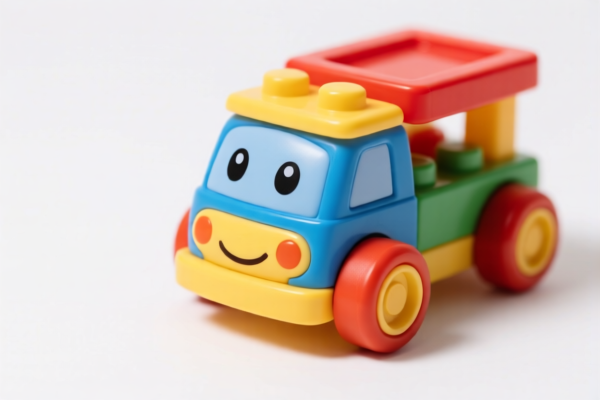
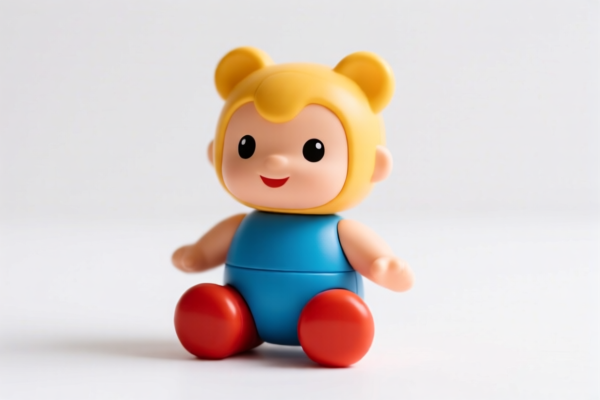
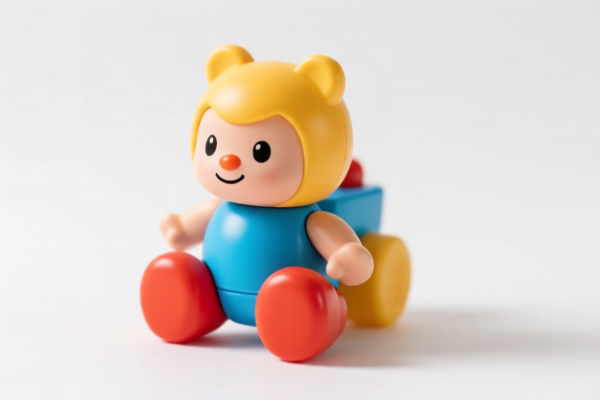
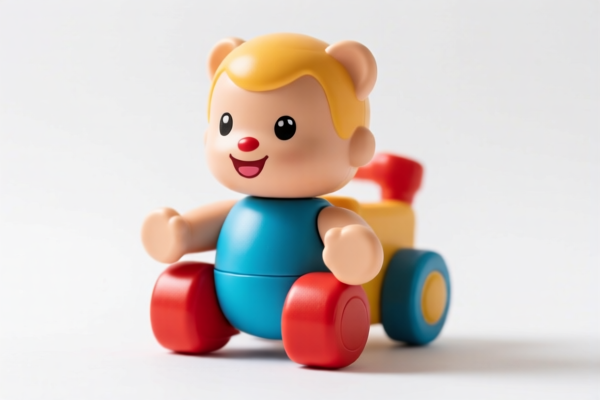
AI Analysis
🧸 Soft Toys & Plush Dolls (毛绒玩具/软体玩偶)
🌐 HS Code Reference & Clearance Guide | 2026 Latest Tariff Analysis | Professional Clearance Strategy
📌 I. Product Definition & Classification: Do You Really Understand "Soft Toys"?
In international trade, "Soft Toys" are a broad category encompassing plush dolls, stuffed animals, and textile-based toys. However, customs classification depends strictly on the material composition, intended use, and structural details (e.g., whether it is a pure toy, a pet accessory, or a decorative item). Misclassification can lead to drastic tariff differences (from 10% to 24.5%).
Based on the provided data, there are five distinct HS Codes for soft toys, each with different tax implications:
| HS Code | Summary Description | Key Material/Feature |
|---|---|---|
| 9503.00.00.71 | Plush Toy (Toy Category) | Pure plush material, classified as a toy |
| 9503.00.00.73 | Plush Toy (Toy Use) | Plush/Textile material, designated as a toy |
| 6307.90.75.00 | Plush Toy (Pet/General) | Textile material, pet toy or general plush finished product |
| 6307.90.98.91 | Plush Toy (Other Finished Goods) | Fiber/Plush material, classified as "other finished goods" |
| 3926.40.00.90 | Plush Toy (Plastic/Other) | Plastic or other materials (likely mixed media/filled decorative items) |
⚠️ Critical Distinction:
- Toys (9503) vs. Textile Articles (6307): If the item is clearly marketed as a toy for children, it should ideally fall under 9503. However, if it is used as a pet toy or lacks specific "toy" characteristics, it may be reclassified under 6307, which often carries higher duties. - Material Matters: Items with significant plastic components (e.g., plastic eyes, joints, or fillings) may fall under 3926, attracting different base duties.
📦 II. HS Code Classification Details (2026 Latest Tariff Reference)
| HS Code | Product Description | Tax Category | Base Duty | Section 301/122 Tariff | Total Tax Rate |
|---|---|---|---|---|---|
| 9503.00.00.71 | Plush Toy, Toy Category, Plush Material | Toy | 0.0% | 10% | 10.0% |
| 9503.00.00.73 | Plush Toy, Toy Use, Plush/Textile Material | Toy | 0.0% | 10% | 10.0% |
| 6307.90.75.00 | Plush Toy, Textile Material, Pet/General Toy | Textile Article | 4.3% | 10% | 14.3% |
| 3926.40.00.90 | Plush Toy, Filled/Decorative, Plastic/Other | Plastic Article | 5.3% | 10% | 15.3% |
| 6307.90.98.91 | Plush Toy, Other Finished Goods, Fiber/Plush | Textile Article | 7.0% | 10% (Section 122) + 7.5% (Additional) | 24.5% |
🔍 Key Insight:
- Lowest Tax: 9503.00.00.71 and 9503.00.00.73 (10% total). These are recognized as true toys. - Highest Tax: 6307.90.98.91 (24.5% total). This code includes 7.5% additional duties on top of base and Section 122 tariffs, making it significantly more expensive. - Pet Toys: Even if marketed as a "pet toy," using 6307.90.75.00 (14.3%) is cheaper than 6307.90.98.91 (24.5%).
💰 III. 2026 Latest Tariff Rate Breakdown (Including Surtaxes & Policy Additions)
✅ Applicable Country: United States (US)
✅ Origin: China (CN)
✅ Effective Date: 2025/2026 (Post-Trade War Adjustments)
🎯 1. 9503.00.00.71 & 9503.00.00.73 —— True Plush Toys (Lowest Tax)
| Item | Content |
|---|---|
| Base Duty | 0.0% |
| Section 122 Tariff | 10% |
| Total Tax Rate | 10.0% |
| Tax Calculation | CIF Value × 10% |
| De Minimis Eligible? | ❌ No (Section 122 tariffs typically apply to all imports from China, excluding de minimis relief) |
| Legal Basis | Section 122: 10% applied to HS Code 9503.00.00 |
📌 Explanation:
- These codes represent standard plush toys intended for children. - The base duty is 0%, but the Section 122 tariff adds 10%, resulting in a total of 10%. - This is the most cost-effective classification for genuine plush toys.
🎯 2. 6307.90.75.00 —— Pet Toys / General Plush Articles
| Item | Content |
|---|---|
| Base Duty | 4.3% |
| Section 122 Tariff | 10% |
| Total Tax Rate | 14.3% |
| Tax Calculation | CIF Value × 14.3% |
| De Minimis Eligible? | ❌ No |
📌 Note:
- If the plush toy is not clearly for children (e.g., a dog chew toy), it may fall under this code. - The 4.3% base duty makes it more expensive than child toys (9503).
🎯 3. 3926.40.00.90 —— Plastic/Mixed Material Plush Toys
| Item | Content |
|---|---|
| Base Duty | 5.3% |
| Section 122 Tariff | 10% |
| Total Tax Rate | 15.3% |
| Tax Calculation | CIF Value × 15.3% |
| De Minimis Eligible? | ❌ No |
📌 Note:
- Applies to plush toys with significant plastic components (e.g., plastic skeletons, eyes, or decorative elements). - Classified under Plastic Articles rather than Textiles or Toys.
🎯 4. 6307.90.98.91 —— Other Finished Textile Goods (Highest Tax)
| Item | Content |
|---|---|
| Base Duty | 7.0% |
| Section 122 Tariff | 10% |
| Additional Duty | 7.5% |
| Total Tax Rate | 24.5% |
| Tax Calculation | CIF Value × 24.5% |
| De Minimis Eligible? | ❌ No |
📌 Critical Warning:
- This code includes 7.5% additional duties on top of the base and Section 122 tariffs. - Likely applies to plush items not classified as toys or pet toys (e.g., decorative pillows, plush keychains without toy designation). - Avoid this code for toys unless absolutely necessary, as it is 2.45x more expensive than standard plush toys (9503).
🛠️ IV. Clearance Practical Advice (Real-World Pitfall Prevention)
✅ 1. Required Documentation Checklist
| Document | Required? | Notes |
|---|---|---|
| ✅ Product Description | ✔️ | Must clearly state "Plush Toy," "Stuffed Animal," or "Pet Toy." Avoid vague terms like "Plush Item." |
| ✅ Material Composition | ✔️ | Specify percentages of plush fabric, filling (polyester/PP cotton), and any plastic parts. |
| ✅ Product Photos | ✔️ | Show front/back, tags, and any branding. Highlight if it is a pet toy or child toy. |
| ✅ Declaration of Intended Use | ✔️ | Explicitly state: "For children aged 3+," "For pet use," or "Decorative only." |
| ✅ Commercial Invoice | ✔️ | Must match HS Code classification. If misclassified, customs will reassign and charge higher duties. |
| ✅ CEC/CPC Certificate | ✔️ | If classifying as 9503 (Toy), you may need a Children’s Product Certificate (CPC) for US clearance. |
✅ 2. Classification Strategy (Key Tips)
🔥 "Toy Designation, Low Tax; Ambiguous Label, High Tax!"
| Scenario | Recommended HS Code | Tax Rate | Why? |
|---|---|---|---|
| Child’s Plush Doll | 9503.00.00.71 or 73 |
10.0% | Clearly a toy, eligible for 0% base duty + 10% Section 122. |
| Dog Chew Plush Toy | 6307.90.75.00 |
14.3% | Pet toy, not a child toy, incurs 4.3% base duty. |
| Plush Keychain (Decorative) | 6307.90.98.91 |
24.5% | Not a toy, falls under "other finished goods," highest tax. |
| Plush with Plastic Eyes/Joints | 3926.40.00.90 |
15.3% | Significant plastic content triggers plastic article classification. |
⚠️ Pitfall Alert:
- Do not label a plush pillow as a "toy" to save taxes. If it lacks play value, customs will reclassify it to 6307.90.98.91 (24.5%) and impose penalties. - If your plush toy has plastic parts (e.g., eyes, buttons), ensure the description highlights the plush/textile nature to avoid being fully classified under 3926.
✅ 3. Special Cases & Solutions
| Situation | Handling Advice |
|---|---|
| OEM/Custom Plush Toys | Provide design sketches and specification sheets to prove intended use as a toy. |
| Mixed Packaging (Toys + Pet Toys) | Declare separately. Do not bundle a child’s toy with a pet toy in one SKU if they differ in classification. |
| Plush Decorations (e.g., Christmas Ornaments) | Classify under 9505 or 6307, not 9503, to avoid CPC requirements. |
| Plush Toys with Electronic Parts | If it includes sound/light modules, it may still be 9503, but provide circuit diagrams to prove it’s a toy. |
🌍 V. Global Market Clearance Comparison (2026)
| Country/Region | Recommended HS Code | Tax Rate | Certification | Notes |
|---|---|---|---|---|
| 🇺🇸 USA | 9503.00.00.71 |
10.0% | CPC/FCC (if electronic) | Highest tax for non-toy plush (24.5%) |
| 🇨🇳 China | 9503.00.00.71 |
5% - 9.5% | CCC (if electronic) | Lower base duty, no Section 122 |
| 🇪🇺 EU | 9503.00.00.00 |
4% | CE/EN71 | No additional tariffs, strict safety standards |
| 🇬🇧 UK | 9503.00.00.00 |
5% | UKCA | Post-Brexit standards apply |
| 🇦🇺 Australia | 9503.00.00.00 |
5% | SAA | No additional duties |
📌 Conclusion:
- USA is the most expensive market for plush toys due to Section 122 tariffs. - Correct classification (9503) is critical to minimize costs. - For non-toy plush items (decorations, pet toys), costs increase significantly in the US.
📌 VI. Common Errors & Pitfall Prevention (Lessons Learned)
❌ Error 1: Classifying a plush pillow as a toy (9503)
👉 Consequence: Customs reclassifies to 6307.90.98.91 → 24.5% tax + penalties!
❌ Error 2: Using 6307.90.75.00 for a child’s plush doll
👉 Consequence: Overpaying by 4.3% (14.3% vs. 10%) unnecessarily.
❌ Error 3: Ignoring plastic components
👉 Consequence: If plush toy has plastic eyes/joints, customs may classify under 3926 → 15.3% instead of 10%.
❌ Error 4: Missing CPC Certificate for 9503 toys
👉 Consequence: Goods detained at US border for lack of safety certification.
✅ Correct Approach:
"Plush Stuffed Animal, 12 inches, 100% Polyester Plush, PP Cotton Filling, For Children 3+ Years, No Plastic Parts, Model ABC."
🎯 VII. Conclusion: Precise Classification Saves Money!
🎯 Remember the Rule:
🔹 "Toy = 10%, Pet Toy = 14.3%, Plastic Mix = 15.3%, Other = 24.5%!"
🔹 "Describe clearly, declare accurately, avoid the 24.5% trap!"
📌 Pro Tip:
- If your plush toy is exported to the US, ensure it has a CPC (Children’s Product Certificate) if classified under 9503.
- For pet toys, clearly label as "For Pet Use" to avoid misclassification as a child toy.
- Consider pre-clearance rulings if your product has mixed materials (plush + plastic + electronics).
📣 Take Action Now:
📞 Consult with a customs broker + Provide product photos + Verify HS Code
🚀 Clearance success starts with accurate classification!
✨ Professional Clearance, Start with Precision!
💼 Every dollar saved on duties counts!
Customer Reviews
About HS Code Classification
The Harmonized System (HS) is an internationally standardized nomenclature developed by the World Customs Organization (WCO) to classify traded products. Over 200 countries use the HS system as the basis for customs tariffs, trade statistics, and import/export regulations.
Each HS code follows a hierarchical structure:
- Chapter (2 digits) — Broad category of goods (e.g., Chapter 84: Machinery and Mechanical Appliances)
- Heading (4 digits) — More specific grouping within the chapter
- Subheading (6 digits) — Internationally standardized breakdown, used by all WCO member countries
- National subdivisions (8-10 digits) — Country-specific extensions for further classification, such as US HTSUS 10-digit codes
Correct HS code classification is essential for smooth customs clearance, accurate duty payment, and compliance with trade regulations. Misclassification can lead to customs delays, overpayment of duties, or penalties.
When importing from CN to US, the applicable tariff rates may include:
- Most-Favored-Nation (MFN) rate — The standard duty rate applied to WTO members
- General rate — Applied to countries without trade agreements
- Trade remedy duties — Additional tariffs such as Section 301 (anti-dumping), Section 232 (national security), or countervailing duties
The information provided on this page is for reference purposes only. For official classification, please consult with your local customs authority or a licensed customs broker.