Softball Gloves
CN → US| HS Code | Tariff Rate | Origin | Destination | Doc |
|---|---|---|---|---|
| 6116100800 | 20.3% | CN | US | Official Doc |
| 6216000800 | 18.3% | CN | US | Official Doc |
| 6116930800 | 20.3% | CN | US | Official Doc |
| 4203214000 | 35.0% | CN | US | Official Doc |
| 4203212000 | 38.0% | CN | US | Official Doc |
| 6216004600 | 20.3% | CN | US | Official Doc |
Product Images
AI Analysis
🧤 Softball Gloves: HS Code Classification & 2026 US Customs Clearance Guide
🌐 HS Code Reference & Clearance Strategy | 2026 Latest Tariff Analysis | Professional Compliance Strategy
📌 Part I: Product Definition & Classification: Do You Really Understand "Softball Gloves"?
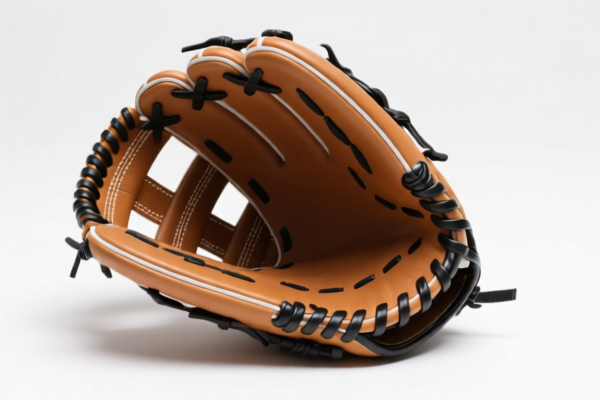
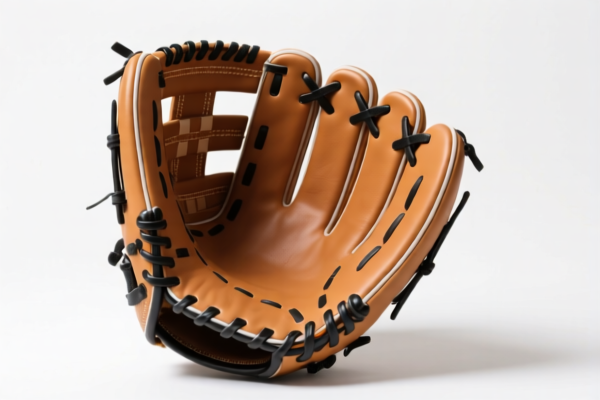
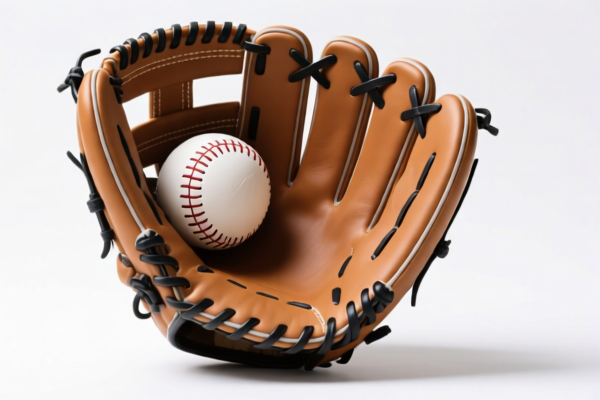
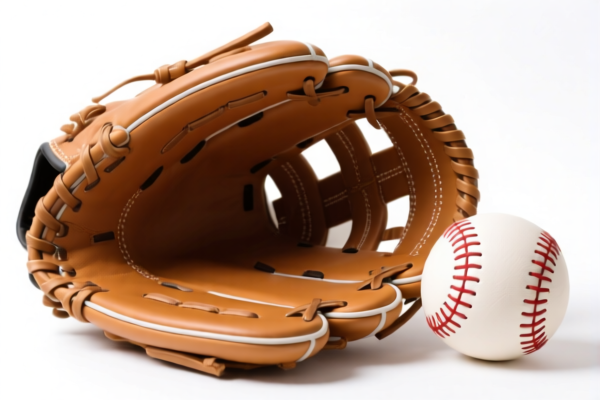
Softball gloves are specialized protective and performance equipment used in the sport of softball. They are designed to catch, field, and throw the ball while protecting the player's hand. In international trade, these items are primarily classified based on their material composition (leather vs. textile/synthetic) and construction method (knitted vs. woven).
Key Distinction: * Leather/Synthetic Leather Gloves: Typically classified under Chapter 42 (Articles of Leather). * Textile/Synthetic Fiber Gloves: Typically classified under Chapter 61 (Knitted/Crocheted) or Chapter 62 (Woven/Non-Knitted).
⚠️ Critical Classification Point:
- If the glove is made of leather or composite leather → It usually falls under 4203.
- If the glove is made of knitted synthetic fibers (e.g., polyester/spandex blend) → It usually falls under 6116.
- If the glove is made of woven synthetic fibers (non-knitted) → It usually falls under 6216.
📦 Part II: HS Code Classification Matrix (2026 Latest Tariff Authority)
The following table maps the provided data to specific HS Codes for Softball Gloves, including tax implications.
| HS Code | Product Description (Summary) | Material/Construction | Total Tax Rate (US Imports) |
|---|---|---|---|
| 6116.10.08.00 | Gloves, coated/plated, of synthetic fibers | Synthetic/Knitted, with functional coating | 20.3% |
| 6216.00.08.00 | Gloves, other, of textile materials | Woven/Non-knitted, leather/rubber coating | 18.3% |
| 6116.93.08.00 | Other gloves, of synthetic fibers | Knitted, "Other" category (common for synthetic sports gloves) | 20.3% |
| 4203.21.40.00 | Articles of leather, other, of leather or composite leather | Leather/Composite Leather | 35.0% |
| 4203.21.20.00 | Other articles of leather, of leather or composite leather | Leather/Composite Leather (Specific sub-category) | 38.0% |
| 6216.00.46.00 | Gloves, other, of textile materials | Woven/Non-knitted, "Other" textile gloves | 20.3% |
🔍 Key Insight:
- Leather gloves (4203) carry the highest tax burden (35%-38%) due to high base tariffs and Section 301 additional duties.
- Textile/Synthetic gloves (6116/6216) have a lower total tax rate (18.3%-20.3%), making them more cost-effective for import if made from synthetic materials.
💰 Part III: 2026 US Tariff Rate Breakdown (Including Additional Duties)
✅ Applicable Country: United States (US)
✅ Origin: China (CN) (Note: Tax details provided in data assume US-China trade context)
✅ Effective Time: Post-2025 (Current trade policies including Section 301 and IEEPA)
🎯 1. 6116.10.08.00 – Coated Gloves, Synthetic Fibers
| Item | Content |
|---|---|
| Base Duty | 2.8% |
| Section 301 Additional Duty | 7.5% |
| 122 Provision Duty (IEEPA) | 10% |
| Total Tax Rate | 20.3% |
| Calculation | CIF Value × 20.3% |
| De Minimis Exemption | ❌ Not Eligible (High-risk category for de minimis) |
| Legal Basis Path | IEEPA:122 → Section 301:7.5% → USITC:6116.10.08.00 |
📌 Explanation:
- Base 2.8%: Standard MFN duty for knitted gloves.
- 7.5%: Specific Section 301 tariff applicable to this HS code.
- 10%: IEEPA Section 122 duty on Chinese goods.
- Total: 20.3%. This is a moderate-high tariff.
🎯 2. 6216.00.08.00 – Other Textile Gloves
| Item | Content |
|---|---|
| Base Duty | 0.8% |
| Section 301 Additional Duty | 7.5% |
| 122 Provision Duty (IEEPA) | 10% |
| Total Tax Rate | 18.3% |
| Calculation | CIF Value × 18.3% |
| De Minimis Exemption | ❌ Not Eligible |
| Legal Basis Path | IEEPA:122 → Section 301:7.5% → USITC:6216.00.08.00 |
📌 Explanation:
- Base 0.8%: Lower base duty for woven gloves.
- Total: 18.3%. This is the lowest total tax rate among all options in the provided data.
🎯 3. 6116.93.08.00 – Other Synthetic Gloves
| Item | Content |
|---|---|
| Base Duty | 2.8% |
| Section 301 Additional Duty | 7.5% |
| 122 Provision Duty (IEEPA) | 10% |
| Total Tax Rate | 20.3% |
| Calculation | CIF Value × 20.3% |
| De Minimis Exemption | ❌ Not Eligible |
📌 Explanation:
- Similar to6116.10, but classified as "Other" synthetic gloves.
- Total: 20.3%.
🎯 4. 4203.21.40.00 – Leather Gloves (Other)
| Item | Content |
|---|---|
| Base Duty | 0.0% |
| Section 301 Additional Duty | 25.0% |
| 122 Provision Duty (IEEPA) | 10% |
| Total Tax Rate | 35.0% |
| Calculation | CIF Value × 35.0% |
| De Minimis Exemption | ❌ Not Eligible |
| Legal Basis Path | IEEPA:122 → Section 301:25% → USITC:4203.21.40.00 |
📌 Explanation:
- Base 0.0%: No base duty for this specific leather sub-category.
- 25%: High Section 301 duty on leather articles.
- 10%: IEEPA duty.
- Total: 35.0%. High tax burden.
🎯 5. 4203.21.20.00 – Leather Gloves (Specific)
| Item | Content |
|---|---|
| Base Duty | 3.0% |
| Section 301 Additional Duty | 25.0% |
| 122 Provision Duty (IEEPA) | 10% |
| Total Tax Rate | 38.0% |
| Calculation | CIF Value × 38.0% |
| De Minimis Exemption | ❌ Not Eligible |
📌 Explanation:
- Total: 38.0%. This is the highest tax rate in the dataset. Avoid if possible due to cost.
🎯 6. 6216.00.46.00 – Other Woven Gloves
| Item | Content |
|---|---|
| Base Duty | 2.8% |
| Section 301 Additional Duty | 7.5% |
| 122 Provision Duty (IEEPA) | 10% |
| Total Tax Rate | 20.3% |
| Calculation | CIF Value × 20.3% |
| De Minimis Exemption | ❌ Not Eligible |
📌 Explanation:
- Classified as "Other" woven gloves.
- Total: 20.3%.
🛠️ Part IV: Customs Clearance Practical Advice (Pitfall Avoidance Guide)
✅ 1. Preparation Checklist (Essential Documents)
| Document | Required | Notes |
|---|---|---|
| Product Specifications | ✔️ | Must clearly state material (Leather vs. Synthetic), lining, and closure type. |
| Material Composition Statement | ✔️ | Critical: Must specify % of leather vs. textile. Misdeclaration leads to penalties. |
| Product Photos (Clear) | ✔️ | Show palm, back, closure, and any branding. |
| Commercial Invoice | ✔️ | Must match HS Code and describe goods accurately (e.g., "Softball Glove, Synthetic, Size 11.5"). |
| Packing List | ✔️ | Include dimensions and weight per glove. |
| Origin Certificate | ✔️ | If not CN, may qualify for different rates. If CN, expect Section 301 + IEEPA. |
✅ 2. Classification Strategy (Key Tips)
🔥 “Material Determines Duty: Leather Costs More, Textile Saves Money!”
| Scenario | Recommended HS Code | Tax Rate | Why? |
|---|---|---|---|
| Full Leather Glove | 4203.21.40.00 or 4203.21.20.00 |
35.0% - 38.0% | High base duty + 25% Section 301. |
| Synthetic/Composite Glove | 6116.10.08.00 or 6116.93.08.00 |
20.3% | Lower Section 301 (7.5%) + 10% IEEPA. |
| Woven Textile Glove | 6216.00.08.00 |
18.3% | Lowest total tax (0.8% base + 7.5% + 10%). |
📌 Important:
- Composite Leather (e.g., leather surface on synthetic backing) is still classified under 4203.
- Coated Gloves (textile with rubber/plastic coating) fall under 6116 or 6216, not 4203.
✅ 3. Special Situations
| Situation | Advice |
|---|---|
| OEM/Custom Gloves | Provide design sheets to prove material composition. |
| Gloves with Metal Studs | Still classified as gloves, but ensure no prohibited materials. |
| De Minimis (Section 321) | ❌ Not Eligible. These HS codes are high-risk for de minimis clearance due to anti-dumping and trade war duties. Always file正式 entry. |
| Marking Requirements | Must be marked "Made in China" on the product or packaging. |
🌍 Part V: Global Market Comparison (2026)
| Country/Region | Recommended HS Code | Estimated Duty (China Origin) | Notes |
|---|---|---|---|
| 🇺🇸 USA | 6216.00.08.00 (Best) |
18.3% | Avoid 4203 if possible due to 35%+ duty. |
| 🇨🇳 China | 6216.00.08.00 |
~20-30% (Import Duty) | Different tariff structure than US. |
| 🇪🇺 EU | 4203.21 / 6116 |
~4-12% | No Section 301 or IEEPA duties. |
| 🇬🇧 UK | 4203.21 / 6116 |
~4-12% | Post-Brexit tariffs apply. |
| 🇯🇵 Japan | 4203.21 / 6116 |
~3-6% | Lower tariffs for leather goods. |
📌 Conclusion:
- The US market is the most expensive for importing softball gloves from China due to Section 301 and IEEPA duties.
- Textile/Synthetic gloves (6216.00.08.00) are the most cost-effective option for the US market at 18.3%.
- Leather gloves (4203) should be avoided for high-volume US imports unless the brand premium justifies the 35-38% duty.
📌 Part VI: Common Mistakes & Pitfalls (Lessons Learned)
❌ Mistake 1: Classifying a Synthetic Glove as Leather (4203)
👉 Consequence: Overpayment of duties (20.3% vs. 35-38%) and potential audit risks.
✅ Fix: Verify material composition. If >50% synthetic, use 6116/6216.
❌ Mistake 2: Classifying a Leather Glove as Textile (6116/6216)
👉 Consequence: Customs Fraud. Penalties, seizure, and back taxes.
✅ Fix: Leather must be declared under Chapter 42.
❌ Mistake 3: Assuming De Minimis ($800) applies
👉 Consequence: Package seized or returned. These HS codes are excluded or high-risk for Section 321.
✅ Fix: Always use formal entry (CBP Form 7501) for these goods.
❌ Mistake 4: Incomplete Material Declaration
👉 Consequence: Delay in clearance, additional inspections, and potential misclassification.
✅ Fix: Provide detailed material breakdown (e.g., "Palm: Synthetic Leather; Back: Nylon Mesh; Lining: Polyester").
🎯 Part VII: Conclusion: Professional Declaration Saves Money!
🎯 Remember the Motto:
🔹 "Textile Wins: 18.3% is the Sweet Spot."
🔹 "Leather Loses: 38% is the Pit."
🔹 "No De Minimis: Formal Entry Required."
📌 Pro Tip:
If your gloves are made of Composite Leather (leather face on synthetic back), you must use 4203. However, if you can switch to Full Synthetic gloves (6216.00.08.00), you save ~19.7% in total taxes.
✅ Action Plan:
1. Audit Material Composition: Check if gloves can be switched to synthetic.
2. Verify HS Code: Use 6216.00.08.00 for woven synthetic gloves to minimize duty.
3. Prepare Formal Entry: Do not rely on de minimis.
4. Mark Origin: Ensure "Made in China" is clearly visible.
✨ Professional Clearance Starts with Accurate Classification!
💼 Your Margins Matter – Optimize Your HS Code Today!
Customer Reviews
About HS Code Classification
The Harmonized System (HS) is an internationally standardized nomenclature developed by the World Customs Organization (WCO) to classify traded products. Over 200 countries use the HS system as the basis for customs tariffs, trade statistics, and import/export regulations.
Each HS code follows a hierarchical structure:
- Chapter (2 digits) — Broad category of goods (e.g., Chapter 84: Machinery and Mechanical Appliances)
- Heading (4 digits) — More specific grouping within the chapter
- Subheading (6 digits) — Internationally standardized breakdown, used by all WCO member countries
- National subdivisions (8-10 digits) — Country-specific extensions for further classification, such as US HTSUS 10-digit codes
Correct HS code classification is essential for smooth customs clearance, accurate duty payment, and compliance with trade regulations. Misclassification can lead to customs delays, overpayment of duties, or penalties.
When importing from CN to US, the applicable tariff rates may include:
- Most-Favored-Nation (MFN) rate — The standard duty rate applied to WTO members
- General rate — Applied to countries without trade agreements
- Trade remedy duties — Additional tariffs such as Section 301 (anti-dumping), Section 232 (national security), or countervailing duties
The information provided on this page is for reference purposes only. For official classification, please consult with your local customs authority or a licensed customs broker.