Soil Excavator
CN → US| HS Code | Tariff Rate | Origin | Destination | Doc |
|---|---|---|---|---|
| 8431499005 | 85.0% | CN | US | Official Doc |
| 8431410060 | 35.0% | CN | US | Official Doc |
| 8429521010 | 35.0% | CN | US | Official Doc |
| 8429521030 | 35.0% | CN | US | Official Doc |
Product Images
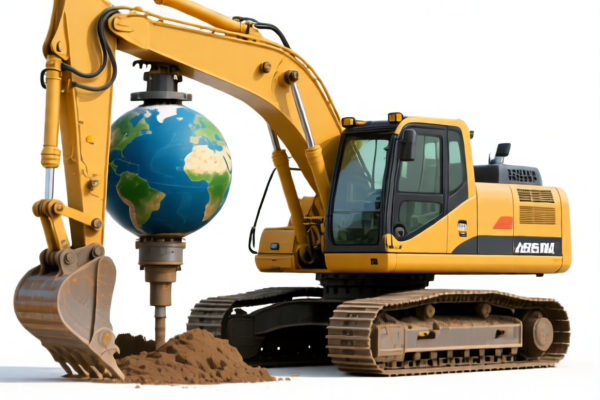
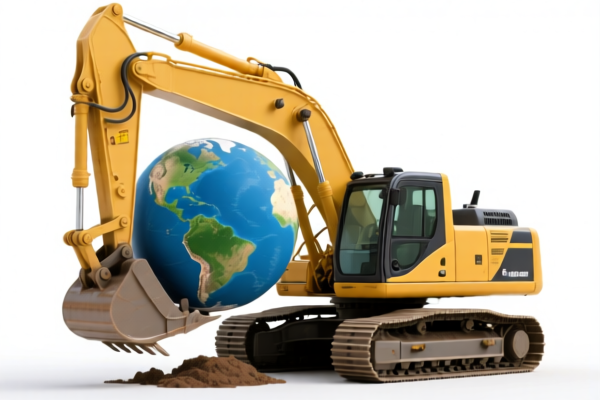
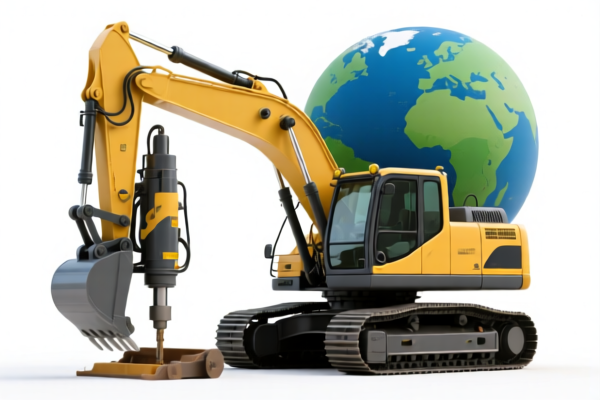
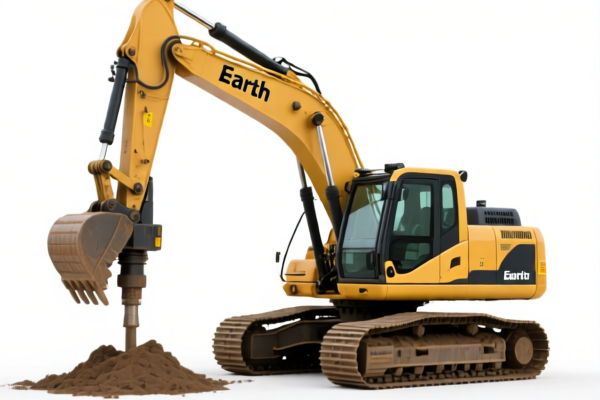
AI Analysis
🚜 Soil Excavator (Hydraulic Backhoes & Excavators)
🌐 HS Code Reference & Customs Clearance Guide | 2026 Latest Tariff Analysis | Professional Compliance Strategy
📌 I. Product Definition & Classification: What is a "Soil Excavator"?
In international trade, "Soil Excavator" is a broad term referring to heavy construction machinery used for digging trenches, foundations, and bulk material. It is not a single HS Code but is categorized based on structure and component type.
The data provided specifically covers two main categories: 1. Complete Machines: Self-propelled excavators with a 360˚ revolving superstructure, including backhoes, shovels, clamshells, and draglines. 2. Parts/Attachments: Specifically Backhoe attachments and Buckets/Shovels designed for mounting on other machinery.
⚠️ Key Distinction:
- Is it a complete machine with its own engine, cab, and crawler tracks? → Go to 8429.52 series.
- Is it a replaceable part (like a bucket) or an attachment (like a backhoe arm that mounts onto a tractor)? → Go to 8431.49 or 8431.41 series.
📦 II. HS Code Classification Details (2026 Latest Tariff Alignment)
| HS Code | Product Description | Applicability | Key Features |
|---|---|---|---|
8429.52.10.10 |
Mechanical shovels, excavators, shovel loaders: 360˚ revolving superstructure; New; Crawler mounted: Hydraulic | Complete New Crawler Excavators (Hydraulic) | Includes Backhoes, Shovels, Clamshells, Draglines. Must be NEW and Crawler-mounted. |
8429.52.10.30 |
Mechanical shovels, excavators, shovel loaders: 360˚ revolving superstructure; New; Other: Hydraulic | Other Complete Hydraulic Excavators (Non-crawler or Other Configurations) | Covers "Other" types not explicitly defined as crawler-mounted in the previous line. |
8431.49.90.05 |
Parts of machinery of headings 8426-8430: Other attachments for mounting on machinery: Backhoe attachments | Spare Parts/Attachments | Only applies if it is an attachment (not a full machine). |
8431.41.00.60 |
Parts of machinery of headings 8426-8430: Buckets, shovels, grabs, and grips: Dragline buckets | Spare Parts (Buckets) | Specifically for buckets used with draglines or excavators. |
🔍 Critical Note:
- 8429.52 codes are for the entire machine.
- 8431.4x codes are for parts/accessories.
- Misdeclaring a complete machine as a "part" to avoid taxes is a serious customs violation.
💰 III. 2026 Latest Tariff Rate Breakdown (High-Risk Alert)
✅ Applicable Market: United States (US)
✅ Origin: China (CN)
✅ 生效时间: Current Trade War Tariffs Apply
🎯 1. Complete Machines: 8429.52.10.10 & 8429.52.10.30
| Item | Content |
|---|---|
| Base Tariff | 0.0% |
| Section 301 Surcharge | +25.0% |
| Total Tax Rate | 25.0% |
| Tax Calculation | CIF Value × 25% |
| De Minimis Exemption? | ❌ No (De Minimis does not apply to Section 301 goods) |
📌 Explanation:
- These are classified as "Machinery with a 360˚ revolving superstructure."
- The 25% tariff is imposed under USITC Footnote 9903.88.01 (Section 301).
- This is a high-cost item for importers. The base duty is 0%, but the punitive tariff makes the landed cost significantly higher.
🎯 2. Backhoe Attachments: 8431.49.90.05
| Item | Content |
|---|---|
| Base Tariff | 0.0% |
| Section 301 Surcharge | +25.0% |
| Special Metal Surcharge | +50.0% (For Steel, Aluminum, Copper Products) |
| Total Tax Rate | 75.0% |
| Tax Calculation | CIF Value × 75% |
| De Minimis Exemption? | ❌ No |
📌 CRITICAL WARNING:
- Backhoe attachments often contain significant steel, aluminum, or copper components.
- Under current trade regulations, certain metal products attract an additional 50% tariff on top of the standard 301 tariff.
- Total Tax: 75%. This is an extremely high tax rate. Importers must verify if the attachment qualifies for the metal surcharge.
🎯 3. Dragline Buckets: 8431.41.00.60
| Item | Content |
|---|---|
| Base Tariff | 0.0% |
| Section 301 Surcharge | +25.0% |
| Total Tax Rate | 25.0% |
| Tax Calculation | CIF Value × 25% |
| De Minimis Exemption? | ❌ No |
📌 Note:
- Buckets are classified separately from "attachments" in some interpretations, often avoiding the +50% metal surcharge if classified strictly as "buckets/grabs" under heading 8431.41.
- Always verify with customs broker if a bucket is considered a "part of machinery" (25%) or if it triggers the metal surcharge. The provided data shows 25% for this specific code.
🛠️ IV. Customs Clearance Practical Advice (Avoid Pitfalls)
✅ 1. Documentation Checklist (Non-Negotiable)
| Document | Required? | Notes |
|---|---|---|
| ✅ Product Specifications | ✔️ | Must detail: Engine type, hydraulic system, weight, dimensions, serial number. |
| ✅ Crawler vs. Wheeled Proof | ✔️ | Essential to distinguish between 8429.52.10.10 (Crawler) and other subheadings. |
| ✅ New Condition Certification | ✔️ | Code 8429.52.10.10 explicitly requires "New" used machines may have different codes/taxes. |
| ✅ Detailed Parts List | ✔️ | For attachments (8431.49.90.05), list material composition (Steel/Aluminum) to determine if +50% applies. |
| ✅ Commercial Invoice | ✔️ | Must clearly state: "Hydraulic Excavator, 360° Revolving Superstructure, Crawler Mounted." |
| ✅ Country of Origin | ✔️ | China origin triggers 25%-75% tariffs. |
✅ 2. Classification Strategy (Key Mantra)
🔥 "Machine is 25%, Attachment is 75% (if metal), Bucket is 25%!"
| Scenario | Correct HS Code | Risk |
|---|---|---|
| New Crawler Excavator (Hydraulic) | 8429.52.10.10 |
25% Tax. Ensure "New" is declared. |
| Other New Hydraulic Excavator | 8429.52.10.30 |
25% Tax. |
| Backhoe Attachment (Standalone part) | 8431.49.90.05 |
75% Tax if steel/aluminum content is high. High Risk! |
| Bucket (Dragline/Excavator) | 8431.41.00.60 |
25% Tax. Lower risk than attachments. |
⚠️ Pitfall:
- Do not ship a complete excavator and declare it as a "backhoe attachment" (8431.49.90.05). This is fraud. The tax difference is minimal (25% vs 75%), but the risk of penalty is huge.
- However, if you are shipping only the arm/bucket, ensure it is clearly described as an "Attachment" or "Bucket," not a "Machine."
✅ 3. Special Considerations
| Situation | Advice |
|---|---|
| Used Excavators | The provided data (8429.52.10.10) specifies "New". Used machines fall under different subheadings (e.g., 8429.52.90). Do not use these codes for used equipment. |
| Steel Content in Attachments | For 8431.49.90.05, if the attachment is predominantly steel, expect the 75% total tax. Consider alternative classifications if possible. |
| Pre-Ruling | Highly recommended for large shipments. Apply for an Advance Ruling from US CBP to confirm if the 75% metal surcharge applies to your specific attachment. |
🌍 V. Global Market Comparison (2026)
| Market | HS Code | Tariff (China Origin) | Notes |
|---|---|---|---|
| 🇺🇸 USA | 8429.52.10.10 / .30 |
25% | Section 301 Tariff applies. |
| 🇺🇸 USA | 8431.49.90.05 |
75% | Includes 50% metal surcharge. Very High. |
| 🇪🇺 EU | 8429.52 | ~3.7% | No 301 tariff. Standard MFN rate. |
| 🇨🇳 China | 8429.52 | 0% | Import duty may be 0% or low, depending on specific subheading. |
📌 Conclusion:
- The US market is the most expensive due to Section 301 tariffs.
- Attachments are disproportionately taxed (75%) compared to complete machines (25%) due to the metal surcharge.
- Strategy: If exporting to the US, consider shipping complete machines where possible, as the tax rate (25%) is significantly lower than shipping standalone backhoe attachments (75%).
📌 VI. Common Errors & Pitfalls (Lessons Learned)
❌ Error 1: Declaring a complete excavator as a "Part" or "Attachment"
👉 Consequence: Customs seizure, fines, and back-taxes.
✅ Fix: Always declare the complete machine under 8429.
❌ Error 2: Ignoring the "New" condition requirement
👉 Consequence: If the machine is used, 8429.52.10.10 is invalid. Misdeclaration leads to penalties.
✅ Fix: Verify manufacturing date and declare accurately.
❌ Error 3: Underestimating the 75% tax on Backhoe Attachments
👉 Consequence: Unexpected costs erode profit margins completely.
✅ Fix: Budget for 75% tax on 8431.49.90.05 or find alternative supply chains.
🎯 VII. Conclusion: Smart Classification Saves Money!
🎯 Remember the Mantra:
🔹 "Machine is 25%, Attachment is 75% (Metal Tax), Bucket is 25%!"
🔹 "Check 'New' condition, Verify 'Crawler' type, Avoid Metal Surcharge Trap!"
📌 Pro Tip:
If you are importing Backhoe Attachments, consult a customs broker to see if any exclusions apply (e.g., if the product is not primarily steel, or if it falls under a different tariff line that avoids the +50% surcharge). The difference between 25% and 75% is massive.
✨ Professional clearance starts with accurate classification!
💼 Your profit margin depends on your HS Code!
Customer Reviews
About HS Code Classification
The Harmonized System (HS) is an internationally standardized nomenclature developed by the World Customs Organization (WCO) to classify traded products. Over 200 countries use the HS system as the basis for customs tariffs, trade statistics, and import/export regulations.
Each HS code follows a hierarchical structure:
- Chapter (2 digits) — Broad category of goods (e.g., Chapter 84: Machinery and Mechanical Appliances)
- Heading (4 digits) — More specific grouping within the chapter
- Subheading (6 digits) — Internationally standardized breakdown, used by all WCO member countries
- National subdivisions (8-10 digits) — Country-specific extensions for further classification, such as US HTSUS 10-digit codes
Correct HS code classification is essential for smooth customs clearance, accurate duty payment, and compliance with trade regulations. Misclassification can lead to customs delays, overpayment of duties, or penalties.
When importing from CN to US, the applicable tariff rates may include:
- Most-Favored-Nation (MFN) rate — The standard duty rate applied to WTO members
- General rate — Applied to countries without trade agreements
- Trade remedy duties — Additional tariffs such as Section 301 (anti-dumping), Section 232 (national security), or countervailing duties
The information provided on this page is for reference purposes only. For official classification, please consult with your local customs authority or a licensed customs broker.