Solar Power Generation System
CN → US| HS Code | Tariff Rate | Origin | Destination | Doc |
|---|---|---|---|---|
| 8541430010 | 60.0% | CN | US | Official Doc |
| 8541430080 | 60.0% | CN | US | Official Doc |
Product Images
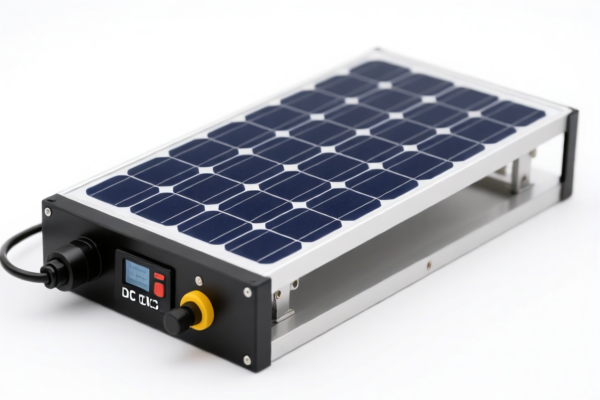
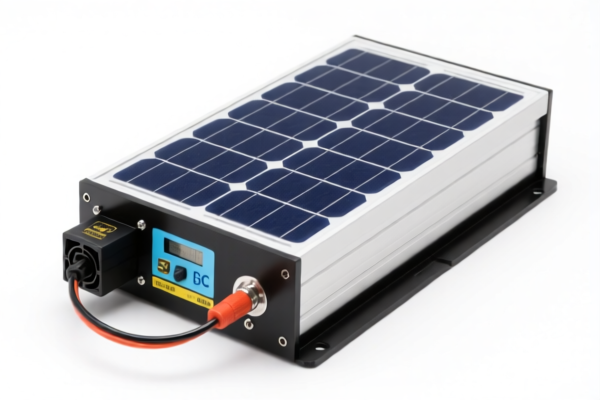
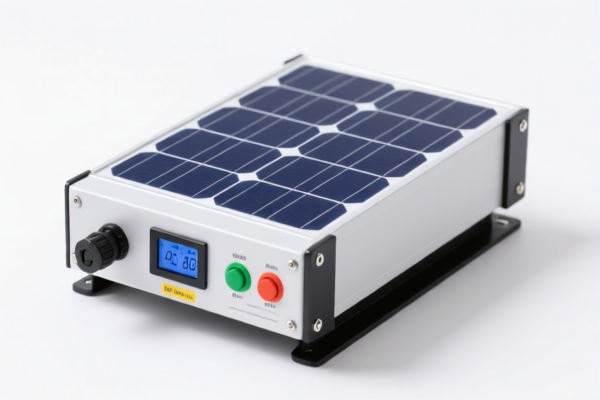
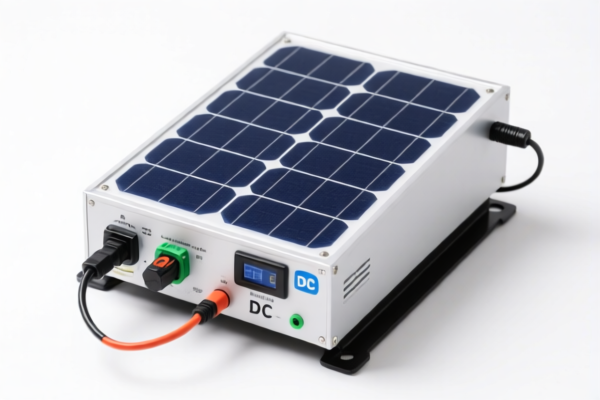
AI Analysis
☀️ Solar Power Generation System (Photovoltaic Modules & Cells)
🌐 HS Code Reference & Customs Clearance Guide | 2026 Latest Tariff Analysis | Professional Clearance Strategy
📌 I. Product Definition & Classification: Do You Really Know "Solar Power Generation Systems"?
Solar power generation systems, primarily comprising Photovoltaic (PV) Modules/Panel and Photovoltaic Cells, are the core components of renewable energy infrastructure. In international trade, they are strictly categorized based on their assembly status and semiconductor material type (specifically Crystalline Silicon).
Crystalline Silicon PV Cells (Assembled in Modules/Panels):
High-efficiency silicon-based cells that have been interconnected, laminated, and framed into complete modules or panels. This is the most common form for grid-tied and off-grid solar energy systems.
Other PV Cells/Modules:
This includes thin-film technologies, non-crystalline silicon, or PV cells that are not yet assembled into standard modules.
⚠️ Key Distinction Point:
- If the product consists of crystalline silicon cells that are assembled into modules or panels → Classify under 8541.43.00.10.
- If the product is not crystalline silicon (e.g., thin-film, amorphous) OR consists of disconnected cells/components → Classify under 8541.43.00.80.
📦 II. HS Code Classification Details (2026 Latest Tariff Authority Cross-Reference)
| HS Code | Product Description | Application Scenario | Material/Assembly Status |
|---|---|---|---|
8541.43.00.10 |
Photovoltaic cells assembled in modules or made up into panels; Crystalline silicon photovoltaic cells of a kind described in statistical note 10 to this chapter | Standard rooftop solar panels, utility-scale solar farms, solar-powered street lights | ✅ Crystalline Silicon + Assembled |
8541.43.00.80 |
Photovoltaic cells assembled in modules or made up into panels; Other | Thin-film panels, flexible solar sheets, non-crystalline silicon modules, or specialized non-standard PV assemblies | ✅ Other Materials / Non-Crystalline |
🔍 Key Reminder:
- The term "Crystalline Silicon" is the decisive factor for8541.43.00.10. Most standard commercial and residential solar panels fall under this code.
- If the cells are not assembled (i.e., loose wafers or bare cells), they may fall under different subheadings (e.g., 8541.41 or 8541.42), but this guide strictly focuses on the assembled module/panel codes provided in the data.
- Do not mix "solar controllers," "inverters," or "batteries" with the PV modules. These are separate HS codes with different tariffs.
💰 III. 2026 Latest Tariff Rate Details (Including Surtaxes & Policy Add-ons)
✅ Applicable Country: United States (US)
✅ Origin: China (CN)
✅ Effective Time: Ongoing (Current Trade Environment)
🎯 1. 8541.43.00.10 – Crystalline Silicon Photovoltaic Cells (Assembled in Modules/Panels)
| Item | Details |
|---|---|
| Base Tariff Rate | 0.0% (ad valorem) |
| Section 301 Surtax | +50.0% |
| Total Tariff Rate | 50.0% |
| Tax Calculation | CIF Value × 50.0% |
| De Minimis Exemption Eligible? | ❌ No (Subject to strict scrutiny; high risk of seizure if undervalued) |
| Legal Basis Path | USITC:8541.43.00.10 → Section 301 Tariff List → Total: 50.0% |
📌 Explanation:
- The 50.0% surtax is a critical cost factor. This rate is part of the ongoing trade measures against Chinese solar products.
- Base tariff is 0%, but the Section 301 duty of 50% applies exclusively to goods originating from China.
- Total landed duty cost is 50%. This is extremely high and significantly impacts profit margins.
🎯 2. 8541.43.00.80 – Other Photovoltaic Cells (Assembled in Modules/Panels)
| Item | Details |
|---|---|
| Base Tariff Rate | 0.0% (ad valorem) |
| Section 301 Surtax | +50.0% |
| Total Tariff Rate | 50.0% |
| Tax Calculation | CIF Value × 50.0% |
| De Minimis Exemption Eligible? | ❌ No (Same high-risk category) |
| Legal Basis Path | USITC:8541.43.00.80 → Section 301 Tariff List → Total: 50.0% |
📌 Explanation:
- Even if the product is not crystalline silicon (e.g., thin-film), if it originates from China and is classified under "other" PV modules, the 50.0% surtax still applies.
- There is no preferential rate for non-crystalline silicon modules from China.
- Total duty remains 50.0%.
🛠️ IV. Customs Clearance Practical Advice (Battle-Tested Pitfall Avoidance Guide)
✅ 1. Preparation Checklist (Non-Negotiable)
| Document | Required? | Explanation |
|---|---|---|
| ✅ Product Specification Sheet | ✔️ | Must clearly state: Cell type (Crystalline/Thin-film), Power Output (Watts), Dimensions, Voltage/Current. |
| ✅ Material Composition Certificate | ✔️ | Crucial to distinguish between "Crystalline Silicon" and "Other." Mislabeling here causes misclassification. |
| ✅ Commercial Invoice | ✔️ | Must explicitly describe the item as "Photovoltaic Module/Panel," not just "Solar Generator." |
| ✅ Certificate of Origin (CO) | ✔️ | To confirm origin is China (triggering the 50% surtax). If shipped from Vietnam/Malaysia, verify transshipment rules carefully. |
| ✅ Packaging List | ✔️ | Detail net/gross weight, number of panels per pallet. |
| ✅ Test Reports (UL/IEC) | ✔️ | Safety compliance documents often requested by CBP for electronic components. |
✅ 2. Declaration Techniques (Key Mantra)
🔥 “Origin Matters, Material Defines, Module vs Cell Clarity is King!”
| Situation | Correct Declaration | Wrong Action |
|---|---|---|
| Standard Rooftop Solar Panel | 8541.43.00.10 |
Misclassifying as "Other" (8541.43.00.80) → Still 50%, but raises audit flags for inconsistency. |
| Thin-Film Flexible Solar Sheet | 8541.43.00.80 |
Misclassifying as Crystalline → Potential fraud accusation + penalties. |
| Loose Silicon Wafers (Not Assembled) | Incorrect HS Code for this Guide | Declaring loose wafers as Modules → High Risk of Seizure/Return. |
| Complete Solar Kit (Panel + Inverter + Mount) | Split Declaration | Declaring entire kit as one HS Code → Incorrect. Panels must be declared separately under 8541.43. |
✅ 3. Special Cases & Risk Management
| Scenario | Handling Advice |
|---|---|
| Transshipment via Southeast Asia | US CBP aggressively audits "solar evasion." If cells are from China but assembled in Vietnam/Malaysia, ensure substantial transformation proof is documented. Otherwise, 50% surtax may still apply under anti-circumvention rules. |
| De Minimis (Section 321) Imports | High Risk. While <$800 shipments are technically exempt from duties, solar panels are frequently targeted for "undue pressure" exemptions. Do not rely on de minimis for bulk commercial imports. |
| Mixed Shipments | If a shipment contains both PV modules (8541.43) and batteries/inverters, declare them separately. Batteries often have different hazardous material requirements and tariff codes. |
🌍 V. Global Market Comparison (2026 Latest)
| Country/Region | Recommended HS Code | Tariff (China Origin) | Certifications | Notes |
|---|---|---|---|---|
| 🇺🇸 United States | 8541.43.00.10 / .80 |
50.0% | UL, IEC | Highest Tariff. Section 301 applies strictly. |
| 🇨🇳 China | 8541.43.00.10 |
0% | CCC (if applicable) | Domestic sales are tariff-free. |
| 🇪🇺 European Union | 8541.43.00 |
0% - 6.5%* | CE, RoHS | *Varies by specific EU tariff lines; generally much lower than US. |
| 🇮🇳 India | 8541.43.00 |
20% + Basic Customs Duty | ALMM List | ALMM (Approved List of Models and Manufacturers) restrictions apply. |
| 🇦🇺 Australia | 8541.43.00 |
5% | CE/RCM | No major surtaxes, but strict safety standards. |
📌 Conclusion:
- The US market is the most challenging for Chinese-origin solar panels due to the flat 50% surtax.
- No duty-free loopholes exist for standard crystalline or other PV modules from China.
- Supply chain diversification (e.g., assembly in non-dutied countries) is the only viable mitigation strategy, but must be carefully documented to avoid anti-circumvention penalties.
📌 VI. Common Errors & Pitfall Guide (Lessons Learned)
❌ Error 1: Declaring "Solar Panels" under "Solar Generators" or "Stoves" (HS 8416/8543)
👉 Consequence: Severe misclassification. CBP will reclassify, assess 50% duty, plus penalties and interest.
❌ Error 2: Ignoring the "Crystalline Silicon" distinction
👉 Consequence: While the tariff rate is the same (50%) for both codes in the provided data, misclassification can lead to audit triggers and delays in clearance due to "material verification" requests.
❌ Error 3: Assuming De Minimis ($800) applies to solar panels
👉 Consequence: CBP has issued warnings against using de minimis for bulk solar imports. Shipments may be held for inspection, leading to demurrage charges and potential refusal of entry.
❌ Error 4: Not separating modules from inverters/batteries in a kit
👉 Consequence: Inverters and batteries have different HS codes and different safety requirements (e.g., UN38.3 for batteries). Mixing them causes customs hold.
✅ Correct Practice:
“Photovoltaic Module, Crystalline Silicon, 400W, 22x35 inch, UL Certified, Made in China”
🎯 VII. Conclusion: Professional Declaration, Cost Control, and Compliance
🎯 Remember the Mantra:
🔹 “50% Duty is Real, No Loopholes for China Origin.”
🔹 “Module vs. Cell, Crystalline vs. Other, Declare Precisely.”
🔹 “Kit Splitting is Key, Don’t Mix Batteries and Panels.”
📌 Pro Tip:
If you are importing large volumes to the US, consider:
1. Advance Ruling (CBP Ruling): Apply for a binding ruling on the correct HS Code and tariff applicability.
2. Supply Chain Restructuring: Explore assembly in third countries (e.g., Southeast Asia) with substantial transformation to potentially alter origin rules, but ensure full legal compliance.
3. Duty Drawback: If the modules are later re-exported, you may claim duty drawbacks.
📣 Immediate Action:
📞 Consult a Licensed Customs Broker before shipment.
📝 Verify Origin and Material Composition on every purchase order.
🚀 Budget for 50% Duty in your cost structure to avoid unexpected cash flow issues.
✨ Professional Clearance Starts with Accurate Classification!
💼 Your Margins Depend on Precision!
Customer Reviews
About HS Code Classification
The Harmonized System (HS) is an internationally standardized nomenclature developed by the World Customs Organization (WCO) to classify traded products. Over 200 countries use the HS system as the basis for customs tariffs, trade statistics, and import/export regulations.
Each HS code follows a hierarchical structure:
- Chapter (2 digits) — Broad category of goods (e.g., Chapter 84: Machinery and Mechanical Appliances)
- Heading (4 digits) — More specific grouping within the chapter
- Subheading (6 digits) — Internationally standardized breakdown, used by all WCO member countries
- National subdivisions (8-10 digits) — Country-specific extensions for further classification, such as US HTSUS 10-digit codes
Correct HS code classification is essential for smooth customs clearance, accurate duty payment, and compliance with trade regulations. Misclassification can lead to customs delays, overpayment of duties, or penalties.
When importing from CN to US, the applicable tariff rates may include:
- Most-Favored-Nation (MFN) rate — The standard duty rate applied to WTO members
- General rate — Applied to countries without trade agreements
- Trade remedy duties — Additional tariffs such as Section 301 (anti-dumping), Section 232 (national security), or countervailing duties
The information provided on this page is for reference purposes only. For official classification, please consult with your local customs authority or a licensed customs broker.