Solar Wire Harness
CN → US| HS Code | Tariff Rate | Origin | Destination | Doc |
|---|---|---|---|---|
| 8538903000 | 38.5% | CN | US | Official Doc |
| 8538908180 | 38.5% | CN | US | Official Doc |
| 8544300000 | 40.0% | CN | US | Official Doc |
| 8544429090 | 87.6% | CN | US | Official Doc |
Product Images
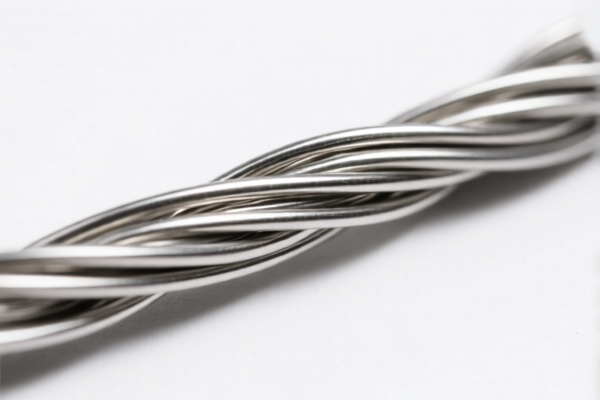
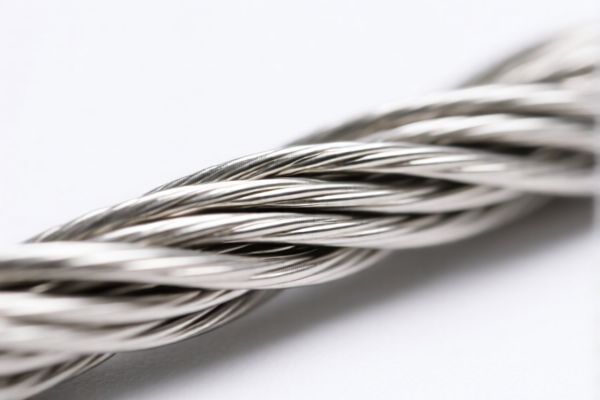
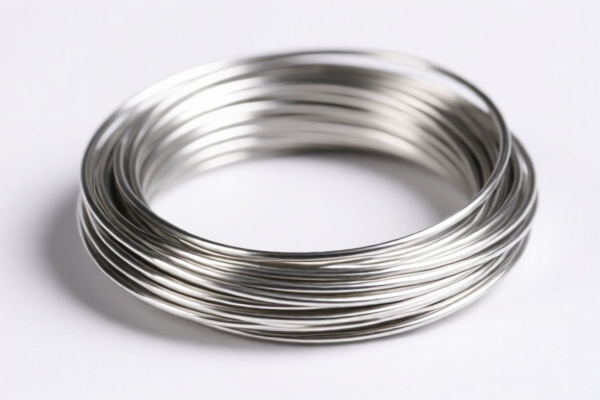
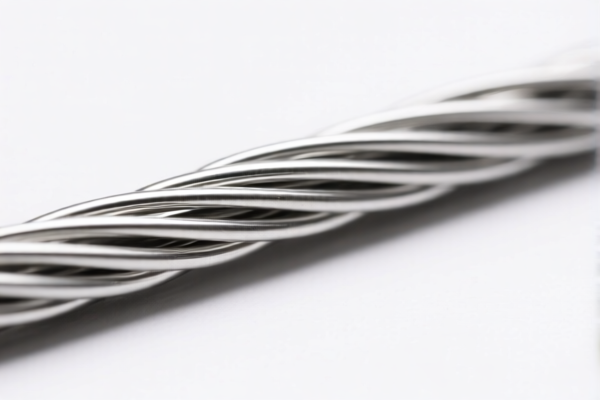
AI Analysis
⚡ Solar Wire Harnesses (Ignition Wiring Sets & Insulated Conductors)
🌐 HS Code Reference & Customs Clearance Guide | 2026 Latest Tariff Analysis | Professional-Level Clearance Strategy
📌 1. Product Definition & Classification: What Exactly Is a "Solar Wire Harness"?
Solar wire harnesses are critical components in photovoltaic (PV) systems, responsible for connecting solar panels, inverters, batteries, and controllers. In international trade, they are primarily classified based on their voltage rating, connector type, and specific application (e.g., vehicle vs. stationary solar).
Key Distinction:
- Ignition Wiring Sets: Specifically designed for vehicles, aircraft, or ships (e.g., solar-powered RVs, boats). These fall under a specific subheading due to their standardized automotive/aviation nature.
- General Insulated Conductors/Cables: For stationary solar installations (rooftop PV). These are classified under general insulated cable categories, with tax rates heavily influenced by material (copper/aluminum/steel) and US trade remedies.
⚠️ Critical Classification Point:
- If the harness is for vehicles/aircraft/ships → 8544.30.00.00 (Lower base tax, but subject to specific surcharges).
- If for stationary solar use (<1,000V) → 8544.42.90.90 (Subject to heavy material-based surcharges).
📦 2. HS Code Classification Details (2026 Latest Tariff Authority Comparison)
| HS Code | Product Description | Applicable Scenario | Voltage/Type |
|---|---|---|---|
8544.30.00.00 |
Ignition wiring sets and other wiring sets of a kind used in vehicles, aircraft or ships | Solar-powered RVs, marine solar systems, vehicle-mounted PV kits | Specific Vehicle/Aircraft/Ship Use |
8544.42.90.90 |
Other electric conductors, for a voltage not exceeding 1,000 V; Fitted with connectors; Other: Other Other | Rooftop solar panel connections, solar array interconnects, battery bank wiring (<1000V) | General Insulated Cable, ≤1000V |
🔍 Important Reminder:
- 8544.30.00.00 is a niche category strictly for mobile applications (vehicles/aircraft/ships). Do not use for stationary solar panels.
- 8544.42.90.90 covers most stationary solar harnesses with connectors. The tax rate here is dangerous due to material-based additional tariffs.
💰 3. 2026 Latest Tariff Rate Details (Including Additional Taxes & Policy Surcharges)
✅ Applicable Country: United States (US)
✅ Country of Origin: China (CN)
✅ Effective Date: 2025/2026 (Current Trade Policy)
🎯 1. 8544.30.00.00 —— Ignition Wiring Sets (Vehicle/Aircraft/Ship Use)
| Item | Content |
|---|---|
| Base Tariff | 5.0% (ad valorem) |
| Additional Tariff (Section 301) | +25.0% |
| Total Tariff Rate | 30.0% |
| Tax Calculation | CIF Value × 30% |
| Legal Basis Path | USITC:8544.30.00.00 → Section 301: 25% surcharge |
📌 Explanation:
- The 5% base rate is the standard Most Favored Nation (MFN) rate for this specific wiring type.
- The +25% additional tariff is applied under Section 301 for Chinese-origin goods.
- Total: 30%. While lower than stationary cables, it is still significant. Ensure documentation clearly states "Vehicle/Aircraft/Ship Use" to avoid misclassification.
🎯 2. 8544.42.90.90 —— Other Electric Conductors (Stationary Solar, ≤1000V, with Connectors)
| Item | Content |
|---|---|
| Base Tariff | 2.6% (ad valorem) |
| Additional Tariff (Section 301) | +25.0% |
| Additional Material Tariff (Steel/Aluminum/Copper) | +50.0% |
| Total Tariff Rate | 77.6% |
| Tax Calculation | CIF Value × 77.6% |
| Legal Basis Path | USITC:8544.42.90.90 → Section 301: 25% + Material-Based Surcharge: 50% |
📌 Warning:
- This is the most common HS code for solar harnesses in stationary installations.
- The 77.6% total tariff is extremely high due to the 50% material-based surcharge on copper/aluminum/steel products.
- De Minimis Exemption: ❌ NOT AVAILABLE. These goods are subject to full duties.
- Risk: Misclassifying as a different cable type to avoid this rate can lead to severe penalties, audits, and cargo detention.
🛠️ 4. Customs Clearance Practical Advice (Real-World Pitfall Avoidance)
✅ 1. Required Documentation Checklist (Must-Have)
| Document | Mandatory | Description |
|---|---|---|
| ✅ Product Specification Sheet | ✔️ | Detail voltage rating, conductor material (copper/aluminum), insulation type, connector brand/model. |
| ✅ Bill of Materials (BOM) | ✔️ | Explicitly list materials (e.g., "100% Copper Conductors") to justify HS code and avoid material-based surcharge disputes. |
| ✅ Product Photos | ✔️ | Clear images of connectors, insulation, and any labeling (UL, TUV, CE marks). |
| ✅ Certificate of Origin (CO) | ✔️ | Required for tariff calculation. If not China-origin, check for FTZ benefits. |
| ✅ Commercial Invoice | ✔️ | Accurate description: "Solar PV Wiring Harness, Copper, 600V, with MC4 Connectors." |
| ✅ Packing List | ✔️ | Show net/gross weight and number of units. |
✅ 2. Declaration Tips (Key Mnemonics)
🔥 “Mobile Use = 8544.30; Stationary = 8544.42; Material Matters for Tax!”
| Scenario | Correct Declaration | Wrong Practice |
|---|---|---|
| Solar Harness for RV/Boat | 8544.30.00.00 (30% Tax) |
Declaring as general cable → 77.6% Tax |
| Rooftop Solar Panels (Fixed) | 8544.42.90.90 (77.6% Tax) |
Declaring as "Ignition Wiring" → 301 Violation & Fraud |
| Solar Harness without Connectors | Check 8544.42 or 8544.39 |
Assuming "with connectors" applies |
| High Voltage (>1000V) | Different HS Code (e.g., 8544.60) | Using <1000V code → Misclassification |
✅ 3. Special Situation Handling
| Situation | Handling Advice |
|---|---|
| Mixed Shipments | Separate invoices for vehicle vs. stationary solar harnesses. Never bundle different HS codes in one declaration line without clear split. |
| Copper vs. Aluminum | If using aluminum conductors, verify if the "50% Material Tariff" applies to aluminum. Current data suggests it applies to "Steel, Aluminum, Copper Products," so assume 77.6% for aluminum too unless proven otherwise. |
| OEM Solar Harnesses | Provide client drawings showing voltage and application. If the design is explicitly for vehicles, argue for 8544.30.00.00. |
| Kit vs. Bulk | If sold as a "Solar Kit" (panels + harness), the entire kit may be classified under the panel's HS code. If harness is shipped separately, declare independently. |
🌍 5. Global Market Comparison (2026 Latest)
| Country/Region | Recommended HS Code | Tariff (China Origin) | Certification Requirements | Notes |
|---|---|---|---|---|
| 🇺🇸 USA | 8544.42.90.90 |
77.6% (Stationary) 30% (Vehicle) |
UL, NEMA, IEC | High Risk: Material surcharge is key. |
| 🇨🇳 China | 8544.42.90.90 |
~2.6% (Import) | CCC (if applicable) | Export from China has no exit tax. |
| 🇪🇺 EU | 8544.42.90.90 |
~2.7% (Standard) | CE, RoHS, REACH | No major surcharges, but strict safety standards. |
| 🇦🇺 Australia | 8544.42.90.90 |
~5% (General) | C-Tick, RCM | No additional trade remedies. |
📌 Conclusion:
- The US market is exceptionally expensive for solar harnesses due to the 77.6% combined tariff.
- Vehicle-mounted solar harnesses face a lower but still significant 30% tariff.
- Diversification Strategy: Consider sourcing from Vietnam, Thailand, or Mexico to avoid US Section 301 and material surcharges, if feasible.
📌 6. Common Errors & Pitfall Guide (Lessons Learned)
❌ Error 1: Declaring stationary solar harnesses as "Ignition Wiring" (8544.30.00.00)
👉 Consequence: Customs audit, retroactive 47.6% tax difference, fines, and cargo hold.
👉 Fix: Ensure invoices clearly state "For Solar PV Arrays" or "For Vehicle/RV" depending on the code.
❌ Error 2: Ignoring the 50% material-based surcharge on 8544.42.90.90
👉 Consequence: Underpayment of duties, leading to CBSA/CBP penalties.
👉 Fix: Budget for 77.6% total tax on copper/aluminum solar harnesses entering the US.
❌ Error 3: Mislabeling voltage
👉 Consequence: If voltage >1000V, it falls under 8544.60 (Different rates). Misdeclaration leads to reclassification.
👉 Fix: Double-check the max voltage rating on the harness insulation.
✅ Correct Declaration Example:
"Solar PV Wiring Harness, Copper Conductors, Cross-linked Polyethylene (XLPE) Insulation, Fitted with MC4 Connectors, Rated 600V DC, for Stationary Photovoltaic Applications. Origin: China."
🎯 7. Conclusion: Professional Declaration, Cost Control
🎯 Remember Mnemonics:
🔹 "Mobile = 30%, Stationary = 77.6%, Don't Mix, Don't Lie!"
🔹 "Copper & Aluminum Pay Extra, Check Your BOM, Stay On Track."
📌 Pro Tip:
If your solar harnesses are not China-origin (e.g., made in Vietnam or Malaysia), you may qualify for 0%~2.6% tariffs. Verify country of origin carefully to leverage Free Trade Agreements (FTAs).
For high-value shipments, consider applying for an Advance Ruling from US Customs (CBP) to confirm HS code and duty liability before shipment.
📣 Immediate Action:
📞 Contact a licensed customs broker + Provide UL Certificates + Verify Material Composition
🚀 Ensure your solar harnesses clear customs smoothly, avoid 77.6% shocks, and protect your margins!
✨ Professional Clearance Starts with Accurate Classification!
💼 Your Cost Efficiency Depends on Precise Tariff Management!
Customer Reviews
About HS Code Classification
The Harmonized System (HS) is an internationally standardized nomenclature developed by the World Customs Organization (WCO) to classify traded products. Over 200 countries use the HS system as the basis for customs tariffs, trade statistics, and import/export regulations.
Each HS code follows a hierarchical structure:
- Chapter (2 digits) — Broad category of goods (e.g., Chapter 84: Machinery and Mechanical Appliances)
- Heading (4 digits) — More specific grouping within the chapter
- Subheading (6 digits) — Internationally standardized breakdown, used by all WCO member countries
- National subdivisions (8-10 digits) — Country-specific extensions for further classification, such as US HTSUS 10-digit codes
Correct HS code classification is essential for smooth customs clearance, accurate duty payment, and compliance with trade regulations. Misclassification can lead to customs delays, overpayment of duties, or penalties.
When importing from CN to US, the applicable tariff rates may include:
- Most-Favored-Nation (MFN) rate — The standard duty rate applied to WTO members
- General rate — Applied to countries without trade agreements
- Trade remedy duties — Additional tariffs such as Section 301 (anti-dumping), Section 232 (national security), or countervailing duties
The information provided on this page is for reference purposes only. For official classification, please consult with your local customs authority or a licensed customs broker.