Soldering Pen
CN → US| HS Code | Tariff Rate | Origin | Destination | Doc |
|---|---|---|---|---|
| 8515110000 | 37.5% | CN | US | Official Doc |
| 8467290090 | 17.5% | CN | US | Official Doc |
| 8467290035 | 17.5% | CN | US | Official Doc |
| 8515190000 | 35.0% | CN | US | Official Doc |
| 8479896500 | 20.3% | CN | US | Official Doc |
Product Images
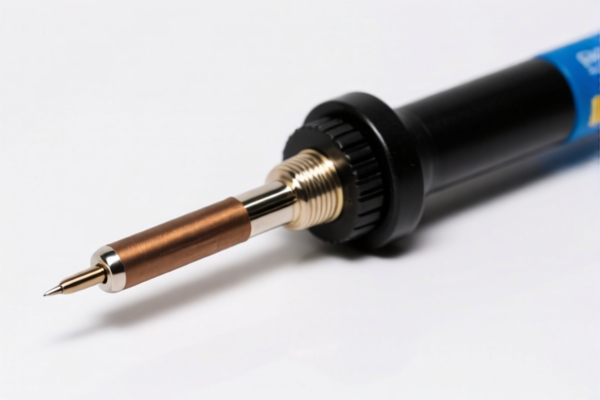
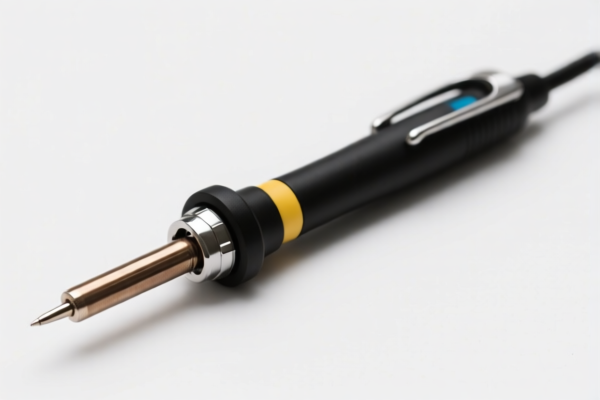
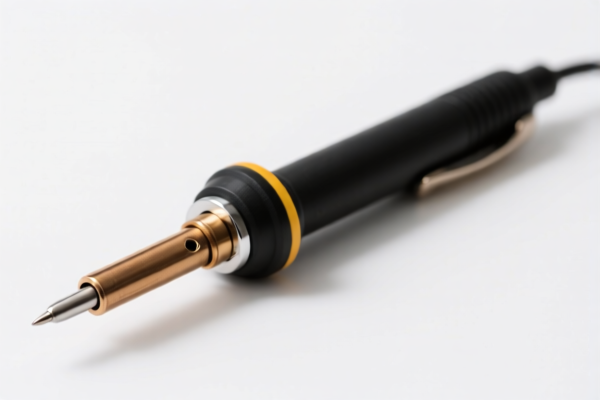
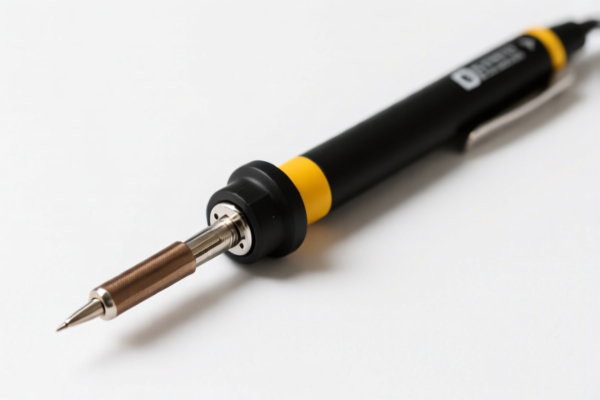
AI Analysis
🖌️ Soldering Pen (Electrical Soldering Iron / Electric Soldering Pen)
🌐 HS Code Reference & Customs Clearance Guide | 2026 Latest Tariff Analysis | Professional Clearance Strategy
📌 I. Product Definition: What Exactly is a "Soldering Pen"?
In international trade, a Soldering Pen (often referred to as an Electric Soldering Iron or Heating Tool) is a handheld device used for joining metals via soldering or heating applications. Depending on its specific function and internal components, it falls into different HS Code categories, leading to significant differences in tariff rates due to Section 301 (Trade War) and Section 232/IEEPA tariffs.
⚠️ Key Distinction Point:
- Is it a standard welding/heating tool used for electronics/metal joining? → Likely 8515 or 8515.19.
- Is it a handheld motor-driven tool? (Note: Most soldering pens are not motor-driven, but if classified under general handheld tools, it may fall to 8467).
- Is it a standalone mechanical device with specific industrial functions? → 8479.
📦 II. HS Code Classification Matrix (2026 Latest Authorized Customs Rulings)
Based on the provided data, here are the five possible HS Codes for a Soldering Pen, along with their specific logic and tax implications.
| HS Code | Product Description & Logic | Total Tax Rate | Tax Composition |
|---|---|---|---|
| 8515.11.00.00 | Electric Soldering Irons: Core function aligns with welding apparatus. | 37.5% | Base: 2.5% + Add'l: 25.0% + 122 Clause: 10% |
| 8467.29.00.90 | Other Handheld Tools w/ Self-Contained Motor: Fallback category for handheld tools not otherwise specified. | 17.5% | Base: 0.0% + Add'l: 7.5% + 122 Clause: 10% |
| 8467.29.00.35 | Motor-Driven Handheld Tools: Bottom-line catch-all for motor-driven handheld devices. | 17.5% | Base: 0.0% + Add'l: 7.5% + 122 Clause: 10% |
| 8515.19.00.00 | Other Electric Welding/Heating Equipment: Electrical heating devices for soldering/brazing. | 35.0% | Base: 0.0% + Add'l: 25.0% + 122 Clause: 10% |
| 8479.89.65.00 | Other Machines/Mechanical Appliances: Independent functional machinery. | 20.3% | Base: 2.8% + Add'l: 7.5% + 122 Clause: 10% |
🔍 Critical Insight:
The tariff rate ranges from 17.5% to 37.5%. The difference is driven by whether customs views the device as a welding/heating tool (8515) or a general mechanical/handheld tool (8467/8479).
- 8515 codes attract a 25% Additional Duty (Section 301/Trade War).
- 8467/8479 codes attract a lower 7.5% Additional Duty.
💰 III. Detailed Tax Rate Breakdown (Including Additional Tariffs)
✅ Applicable Country: United States (US)
✅ Origin: China (CN)
✅ Effective Time: 2025-2026 Period (Current Trade Policy)
🎯 1. 8515.11.00.00 & 8515.19.00.00 — The "Welding/Heating" Route
High Tariff Scenario
| Item | Content |
|---|---|
| Base Duty | 0.0% – 2.5% (Ad Valorem) |
| Section 301 Additional Duty | +25.0% (Due to "Electrical Machinery & Equipment" category) |
| Section 122/IEEPA Additional Duty | +10.0% (Specific clause for certain Chinese-origin goods) |
| Total Effective Rate | 35.0% – 37.5% |
| Calculation Basis | CIF Value × Total Rate |
| De Minimis Exemption | ❌ Not Applicable (Section 301 goods generally denied de minimis) |
📌 Explanation:
If customs classifies your soldering pen as a welding or heating apparatus (Chapter 85, Heading 8515), it is subject to the higher 25% additional tariff. This is the most common classification for traditional electric soldering irons.
🎯 2. 8467.29.00.90 & 8467.29.00.35 — The "Handheld Tool" Route
Low Tariff Scenario
| Item | Content |
|---|---|
| Base Duty | 0.0% (Ad Valorem) |
| Section 301 Additional Duty | +7.5% (Lower bracket for other hand tools) |
| Section 122/IEEPA Additional Duty | +10.0% |
| Total Effective Rate | 17.5% |
| Calculation Basis | CIF Value × 17.5% |
| De Minimis Exemption | ❌ Not Applicable |
📌 Explanation:
If the device can be argued as a handheld tool (Chapter 84, Heading 8467), the additional duty drops significantly to 7.5%. However, this requires proving it fits the "motor-driven" or "tool" definition, which can be risky for pure heating elements without motors.
🎯 3. 8479.89.65.00 — The "Other Machinery" Route
Medium Tariff Scenario
| Item | Content |
|---|---|
| Base Duty | 2.8% |
| Section 301 Additional Duty | +7.5% |
| Section 122/IEEPA Additional Duty | +10.0% |
| Total Effective Rate | 20.3% |
| Calculation Basis | CIF Value × 20.3% |
| De Minimis Exemption | ❌ Not Applicable |
📌 Explanation:
This classification assumes the soldering pen is an independent functional machine. It offers a middle ground (20.3%) but is less common than 8515 or 8467 for standard handheld pens.
🛠️ IV. Customs Clearance Practical Advice (Avoiding Pitfalls)
✅ 1. Document Preparation Checklist
| Document | Required? | Purpose |
|---|---|---|
| Product Specification Sheet | ✅ Yes | Define function: Is it heating? Welding? Handheld? Motor-driven? |
| Product Photos | ✅ Yes | Show no visible motor (if claiming 8467 is risky); show power cord/adapter. |
| Commercial Invoice | ✅ Yes | Clearly state "Electric Soldering Pen" or "Heating Tool". |
| HS Code Pre-Ruling Request | ✅ Strongly Recommended | Avoids misclassification penalties. |
| Certifications (FCC/UL) | ✅ Yes | Electrical safety compliance is mandatory for US entry. |
✅ 2. Strategic Classification Advice
| Situation | Recommended HS Code | Strategy |
|---|---|---|
| Standard Electric Soldering Iron | 8515.11.00.00 |
Most accurate. Expect 37.5% tax. Justify as "Welding Apparatus". |
| Industrial Heating Tool | 8515.19.00.00 |
If not strictly for electronics but general heating. Expect 35.0% tax. |
| Arguable "Tool" Classification | 8467.29.00.90 |
Risky. Only use if the device has significant mechanical/tool features. Expect 17.5% tax. |
| Independent Machine | 8479.89.65.00 |
Rare. Only if the device has complex mechanical functions beyond simple heating. Expect 20.3% tax. |
🔥 Key Warning:
- Do NOT split shipments to avoid Section 301 duties.
- Do NOT misdeclare a 37.5% item as a 17.5% item. CBP audits will result in back taxes + penalties.
- If using8467, be prepared to prove the "handheld tool" nature (e.g., ergonomic grip, specific tool attachment) if audited.
✅ 3. Cost Optimization Tip
💡 Negotiate DDP vs. DAP:
- If shipping DAP (Delivered At Place), the importer pays the 17.5% - 37.5% duty.
- Factor this into your landed cost calculation.
- If the HS Code is unclear, apply for an Advance Ruling with CBP before shipping to lock in the classification and avoid surprise duties.
📌 V. Summary & Recommendation
| HS Code | Description | Total Tax | Risk Level |
|---|---|---|---|
| 8515.11.00.00 | Electric Soldering Iron (Welding) | 37.5% | ✅ Low (Most Accurate) |
| 8515.19.00.00 | Other Electric Welding/Heating | 35.0% | ✅ Low |
| 8479.89.65.00 | Other Mechanical Appliances | 20.3% | ⚠️ Medium |
| 8467.29.00.90 | Other Handheld Tools | 17.5% | 🔴 High (Audit Risk) |
| 8467.29.00.35 | Motor-Driven Handheld Tools | 17.5% | 🔴 High (Audit Risk) |
🎯 Final Advice:
For a standard Soldering Pen, the safest and most defensible classification is 8515.11.00.00 or 8515.19.00.00, despite the higher tax. Attempting to classify it under 8467 to save 20% in duties is risky and may lead to severe penalties if CBP determines it is primarily a heating/welding device.Budget for 35-37.5% total tax to ensure smooth, compliant customs clearance.
✨ Professional Clearance Starts with Accurate Classification!
💼 Your profit margin depends on precise tariff planning!
Customer Reviews
About HS Code Classification
The Harmonized System (HS) is an internationally standardized nomenclature developed by the World Customs Organization (WCO) to classify traded products. Over 200 countries use the HS system as the basis for customs tariffs, trade statistics, and import/export regulations.
Each HS code follows a hierarchical structure:
- Chapter (2 digits) — Broad category of goods (e.g., Chapter 84: Machinery and Mechanical Appliances)
- Heading (4 digits) — More specific grouping within the chapter
- Subheading (6 digits) — Internationally standardized breakdown, used by all WCO member countries
- National subdivisions (8-10 digits) — Country-specific extensions for further classification, such as US HTSUS 10-digit codes
Correct HS code classification is essential for smooth customs clearance, accurate duty payment, and compliance with trade regulations. Misclassification can lead to customs delays, overpayment of duties, or penalties.
When importing from CN to US, the applicable tariff rates may include:
- Most-Favored-Nation (MFN) rate — The standard duty rate applied to WTO members
- General rate — Applied to countries without trade agreements
- Trade remedy duties — Additional tariffs such as Section 301 (anti-dumping), Section 232 (national security), or countervailing duties
The information provided on this page is for reference purposes only. For official classification, please consult with your local customs authority or a licensed customs broker.